Award-Winning AP US History Tutors
serving Mission Viejo, CA
AP US History
Tutors in Mission Viejo
Private 1-on-1 tutoring, weekly live classes for academic support, test prep & enrichment, practice tests and diagnostics, and more to elevate grades and test scores.
Based on 3.4M Learner Ratings
UniversitiesSchools & Universities
DeliveredHours Delivered
ProficiencyGrowth in Proficiency
Who needs tutoring?
No obligation. Takes ~1 minute.
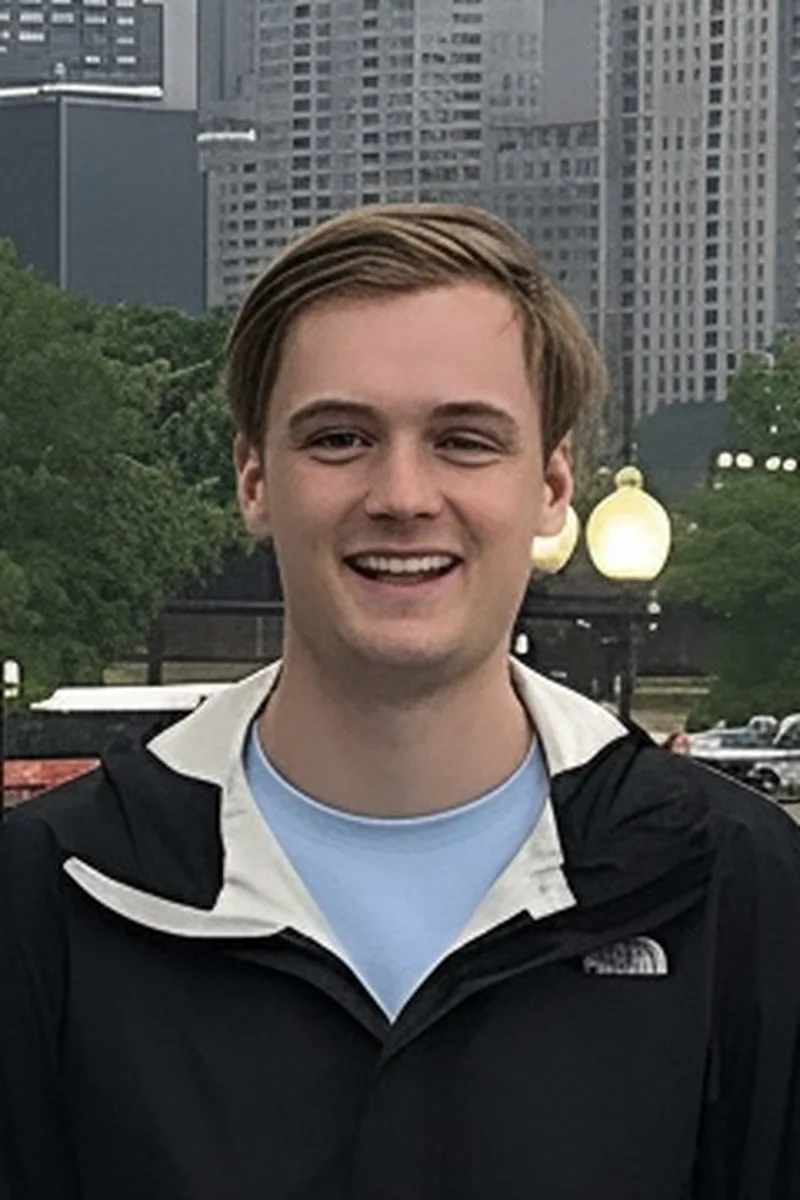
Studying visual and environmental studies at Harvard means Tom spends his time analyzing how images, spaces, and cultural artifacts carry meaning — a skill that translates directly to reading APUSH primary sources for context, audience, and purpose. His 1560 SAT reflects the kind of timed analytical reading the exam's document-based questions actually demand, and his writing and literature background gives him a sharp eye for helping students build thesis-driven essays that do more than just summarize.

I am a recent graduate of the University of Virginia living in Los Angeles. While at UVA, I earned a 3.95 GPA and graduated my major program with Highest Distinction. I have eight years of tutoring experience (including starting my own tutoring program) and have worked with students of all ages. I'm looking forward to helping people with their studies in any way I can.
Biology majors spend their time evaluating evidence, identifying patterns, and building arguments from data — skills that transfer directly to APUSH's document-based questions, where students must read sources critically and construct thesis-driven essays under pressure. Alan's UC Santa Barbara coursework and his own love of U.S. history (he calls it one of his favorite subjects to teach) mean he digs into the political and social turning points that show up most on the exam, from sectional crises through Cold War policy debates. Rated 4.7 by students.
AP U.S. History isn't Eileen's core subject area, but the exam's document-based and long-essay questions are fundamentally writing challenges — constructing an argument, weighing evidence, and managing time under pressure. Her 36 ACT (including the writing section) and deep experience with essay structure make her a strong fit for students who understand the history but struggle to put it on paper effectively.
Studying economics and public policy at the University of Chicago means Ethan spends his coursework analyzing the same forces — tariff debates, fiscal policy, institutional power shifts — that APUSH tests across every period from Hamilton's economic plan through Great Society legislation. That policy-analysis training makes him especially sharp on the causation and continuity-and-change reasoning the exam's essays demand, since he's used to tracing how one political decision cascades through decades of consequences. His 1550 SAT reflects the timed reading and argumentation stamina the DBQ requires.
The AP US History exam tests whether students can do what historians do: analyze documents, identify historical causation, and construct a defensible argument under time pressure. Rachel studied history in college and knows how to break down DBQ and LEQ prompts so students understand what the rubric actually rewards. She zeroes in on the periodization and thematic connections that turn a competent essay into one that scores a 4 or 5.
A Master of Public Policy degree means Erika spent graduate school analyzing how American institutions evolved and why specific policy decisions — from the New Deal to the Great Society — reshaped the country. That lens gives her a natural edge when teaching APUSH's thematic threads around government power, reform movements, and political realignment. Rated 5.0 by students, she connects policy context to the kind of argumentation the exam actually scores.
A Government major at Harvard, Richard spends his coursework dissecting the same constitutional debates, policy battles, and institutional power shifts that dominate APUSH's most heavily tested periods — from federalism disputes through Civil Rights-era legislation. That political science lens means he teaches students to analyze primary sources for political context and intent, building the kind of causation arguments the DBQ and LEQ actually reward. His perfect 1600 SAT and 36 ACT speak to the timed analytical precision the exam demands.
AP US History's DBQ is really a timed argument-building exercise disguised as a history test — students need to group documents, identify point of view, and connect evidence to a thesis in under an hour. Cassandra tackles this by drilling the skill of contextualization, teaching students to place each document within the broader political or economic forces of its era. Her analytical, evidence-first approach translates well from her science background.
A high school history teacher with a B.S. in History, Ben treats APUSH not as a march through dates but as a series of arguments — teaching students to trace themes like federalism, westward expansion, and civil rights across periods so they can tackle the DBQ and LEQ with real analytical depth. His experience working with students across the academic spectrum means he knows how to adjust pacing whether someone is struggling with periodization or pushing for a 5.
A biology undergrad who went on to earn a Master of Social Work brings an unusual combination to APUSH — Todd understands both the scientific and social dimensions of American history, from public health crises to Progressive Era reform to the policy debates that shaped the modern welfare state. That social work training means he naturally thinks in terms of systems, institutions, and their impact on communities, which is exactly the kind of causation and contextualization reasoning the DBQ and LEQ reward. Holds a 5.0 rating.
Scoring a 4 or 5 on the AP US History exam comes down to writing sharp DBQs and LEQs under time pressure — not just knowing the content. Alex breaks down the rubric so students understand exactly how to contextualize documents, build a defensible claim, and earn synthesis points. His deep knowledge of American religious and social history adds particular depth to periods like the Great Awakenings and the Civil Rights movement.
Kristin's University of Chicago BA required the kind of intensive primary source analysis and argumentative writing that APUSH essays directly test — she spent years constructing evidence-based claims under the school's famously rigorous Core Curriculum. Her philosophy minor adds a layer of logical precision to thesis construction, particularly on LEQs where students need to sustain a causal or comparative argument across multiple periods without losing the thread. Rated 5.0 by students.
Studying political science and government means Sarah spends her coursework inside the same constitutional debates, legislative battles, and shifts in federal power that APUSH tests most heavily — she's not reviewing this material secondhand but actively working through it in her current classes. That real-time fluency with American political development gives her a sharp handle on periodization and causation questions, especially from the founding era through twentieth-century policy reform. Rated 5.0 by students.
Tessa is pursuing a double major in Mathematics and History, which means she's actively immersed in the kind of source analysis and historiographical thinking that APUSH tests — not recalling it from years ago. That combination also gives her a quantitative edge for the exam's data-interpretation questions, where students need to read economic charts or demographic tables and fold them into a larger argument. Her 36 ACT and 4.9 rating speak for themselves.
Testimonials
Because the right AP US History tutor makes all the difference.
Average Session Rating – Based on 3.4M Learner Ratings
Practice AP US History
Free practice tests, flashcards, and AI tutoring for AP US History
Nearby AP US History Tutors
Other Mission Viejo Tutors
Related Social Studies Tutors in Mission Viejo
Frequently Asked Questions
Score improvement depends on your starting point and how consistently you engage with tutoring. Students who work with tutors on targeted practice, essay writing, and multiple-choice strategies often see meaningful gains—typically 1-3 points on the 1-5 AP scale. The key is focusing on your specific weak areas, whether that's analyzing primary sources, understanding historical causation, or managing the exam's time constraints.
Your first session focuses on understanding where you stand. A tutor will assess your knowledge of key AP US History themes, review past assignments or practice test results, and identify which topics (like the Civil War era, Reconstruction, or 20th-century foreign policy) need the most work. You'll also discuss your test date and goals so the tutor can create a personalized study plan tailored to your needs.
AP US History essays—the Document-Based Question (DBQ), Long Essay Question (LEQ), and Short Answer Questions—require specific skills that tutors can teach directly. Tutors help you develop strong thesis statements, organize evidence from documents and historical knowledge, and practice time management so you can write quality essays under exam conditions. Regular feedback on your drafts accelerates improvement in argumentation and historical analysis.
The multiple-choice section tests both content knowledge and careful reading. Tutors teach strategies like eliminating obviously wrong answers, identifying key words that signal correct responses, and managing pacing so you don't rush through questions. Practice with released AP exams and timed drills helps you recognize question patterns and build confidence in distinguishing between similar historical events and causes.
Many students struggle with three main areas: synthesizing information across time periods, understanding cause-and-effect relationships in complex historical events, and managing the exam's pace (55 multiple-choice questions in 55 minutes plus three essay sections). Additionally, students often find it challenging to balance memorizing key facts with developing the analytical thinking the exam requires. Tutors address these by building both content mastery and strategic thinking skills.
Most students benefit from starting AP US History preparation 2-3 months before the exam in May, with consistent weekly tutoring sessions. If you're taking the exam sooner or need to catch up, intensive tutoring can still help you focus on high-impact topics and test-taking strategies. The ideal study schedule includes regular tutoring, independent practice with released exams, and time for reviewing feedback on your essays.
Varsity Tutors connects you with tutors who have deep expertise in AP US History—many have taught the course, earned high AP scores themselves, or specialize in helping students master the curriculum and exam format. Each tutor understands the College Board's expectations and can teach both the historical content and the specific skills required for each exam section.
With 33 schools and over 21,000 students across Mission Viejo, many students are taking AP US History and facing similar challenges with pacing, essay writing, and content mastery. Varsity Tutors connects Mission Viejo students with experienced tutors who provide personalized instruction adapted to your school's curriculum and your individual learning style, helping you succeed on the AP exam and in your class.
Let’s find your perfect tutor
Answer a few quick questions. We’ll recommend the right plan and match you with a top 5% tutor.