Award-Winning AP US History Tutors
serving Riverside, CA
AP US History
Tutors in Riverside
Private 1-on-1 tutoring, weekly live classes for academic support, test prep & enrichment, practice tests and diagnostics, and more to elevate grades and test scores.
Based on 3.4M Learner Ratings
UniversitiesSchools & Universities
DeliveredHours Delivered
ProficiencyGrowth in Proficiency
Who needs tutoring?
No obligation. Takes ~1 minute.
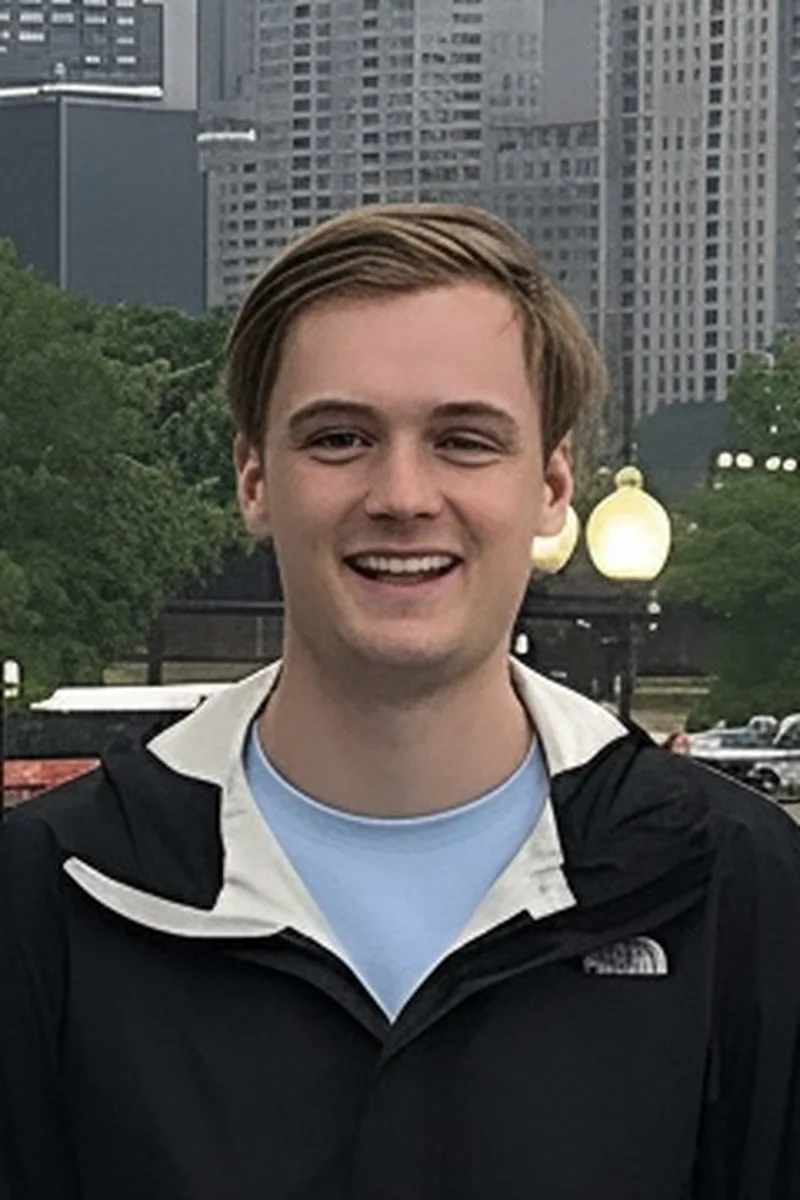
Studying visual and environmental studies at Harvard means Tom spends his time analyzing how images, spaces, and cultural artifacts carry meaning — a skill that translates directly to reading APUSH primary sources for context, audience, and purpose. His 1560 SAT reflects the kind of timed analytical reading the exam's document-based questions actually demand, and his writing and literature background gives him a sharp eye for helping students build thesis-driven essays that do more than just summarize.

I am a recent graduate of the University of Virginia living in Los Angeles. While at UVA, I earned a 3.95 GPA and graduated my major program with Highest Distinction. I have eight years of tutoring experience (including starting my own tutoring program) and have worked with students of all ages. I'm looking forward to helping people with their studies in any way I can.
Biology majors spend their time evaluating evidence, identifying patterns, and building arguments from data — skills that transfer directly to APUSH's document-based questions, where students must read sources critically and construct thesis-driven essays under pressure. Alan's UC Santa Barbara coursework and his own love of U.S. history (he calls it one of his favorite subjects to teach) mean he digs into the political and social turning points that show up most on the exam, from sectional crises through Cold War policy debates. Rated 4.7 by students.
Studying government at Harvard means Priscilla lives inside the institutional frameworks — federalism, separation of powers, constitutional interpretation — that APUSH tests as recurring themes from the founding through the modern era. She's also currently teaching a civics course to younger students, which sharpened her ability to break down complex political developments into clear cause-and-effect narratives, exactly the kind of reasoning the DBQ and LEQ reward. Her 1540 SAT reflects the timed reading and analytical writing chops the exam demands.
As a first-generation college student who graduated cum laude from UCLA with a biology degree and Asian Languages minor, Abrahim brings an outsider's analytical eye to American history — he learned to question assumptions rather than take narratives at face value. That mindset translates well to APUSH's emphasis on sourcing and contextualization, where students need to interrogate *why* a document was created, not just what it says. Rated 5.0 by students, he approaches each historical period as a puzzle to decode rather than a list to memorize.
The AP US History exam rewards students who can do two things fast: identify historical causation and write a thesis-driven essay under time pressure. Scott tackles both by teaching students to read documents like an anthropologist — pulling out perspective, audience, and purpose before jumping to conclusions. His deep background in social studies and essay writing makes the DBQ and LEQ feel far less intimidating.
The AP US History exam tests whether students can do what historians do: analyze documents, identify historical causation, and construct a defensible argument under time pressure. Rachel studied history in college and knows how to break down DBQ and LEQ prompts so students understand what the rubric actually rewards. She zeroes in on the periodization and thematic connections that turn a competent essay into one that scores a 4 or 5.
A Government major at Harvard, Richard spends his coursework dissecting the same constitutional debates, policy battles, and institutional power shifts that dominate APUSH's most heavily tested periods — from federalism disputes through Civil Rights-era legislation. That political science lens means he teaches students to analyze primary sources for political context and intent, building the kind of causation arguments the DBQ and LEQ actually reward. His perfect 1600 SAT and 36 ACT speak to the timed analytical precision the exam demands.
AP US History's DBQ is really a timed argument-building exercise disguised as a history test — students need to group documents, identify point of view, and connect evidence to a thesis in under an hour. Cassandra tackles this by drilling the skill of contextualization, teaching students to place each document within the broader political or economic forces of its era. Her analytical, evidence-first approach translates well from her science background.
A senior thesis on the Byzantine Basilica of San Vitale taught Elena to read historical sources the way APUSH expects — analyzing context, audience, and purpose rather than just summarizing what happened. Her double background in Art History and History from Washington University in St. Louis means she's practiced at connecting cultural evidence to broader political and social narratives, which is exactly the skill that separates strong DBQ and LEQ essays from mediocre ones.
Anthropology trains you to analyze how cultures construct meaning — the same interpretive muscle APUSH flexes when students must contextualize a Reconstruction-era political cartoon or explain why Progressive reformers framed their arguments the way they did. Samantha's anthropology degree from Northwestern gives her a knack for unpacking the cultural assumptions embedded in primary sources, which is where most students lose points on the DBQ. Her 33 ACT and 1490 SAT back up the timed analytical performance the exam demands.
School psychology training is built around understanding how people think, learn, and respond to pressure — which comes in handy when students need to unpack the motivations behind everything from Jacksonian populism to Cold War containment policy. Alyssa applies that behavioral framework to APUSH's document analysis, teaching students to read primary sources not just for what they say but for the human calculations behind them. Her 1550 SAT and 5.0 rating speak to the kind of sharp, timed analytical thinking the exam rewards.
An interdisciplinary degree blending economics and political science at Yale means Allen spent four years studying the exact forces — trade policy, constitutional interpretation, factional politics — that drive APUSH's most heavily tested periods from the Early Republic through the New Deal. He teaches students to build LEQ and DBQ arguments around economic and political causation rather than just narrating events, a skill his 1570 SAT confirms he can execute under timed pressure. Rated 5.0 by students.
Tessa is pursuing a double major in Mathematics and History, which means she's actively immersed in the kind of source analysis and historiographical thinking that APUSH tests — not recalling it from years ago. That combination also gives her a quantitative edge for the exam's data-interpretation questions, where students need to read economic charts or demographic tables and fold them into a larger argument. Her 36 ACT and 4.9 rating speak for themselves.
A statistics and machine learning certificate at Princeton means Julie spends her coursework building arguments from data — the same evidentiary reasoning APUSH demands when students must synthesize unfamiliar documents into a coherent thesis under time pressure. Her philosophy training adds a layer most history tutors skip: she teaches students to identify the logical structure of an argument before writing one, which is exactly what separates strong DBQs from ones that just summarize sources. Rated 4.9 by students.
Testimonials
Because the right AP US History tutor makes all the difference.
Average Session Rating – Based on 3.4M Learner Ratings
Practice AP US History
Free practice tests, flashcards, and AI tutoring for AP US History
Nearby AP US History Tutors
Other Riverside Tutors
Related Social Studies Tutors in Riverside
Frequently Asked Questions
The AP US History exam tests your knowledge of American history from the pre-Columbian era through the present day, organized into nine thematic learning objectives. The exam consists of two sections: a multiple-choice and short-answer section (95 minutes) and a free-response section with document-based questions and long essay questions (105 minutes). Success requires not just memorizing dates and events, but understanding historical themes, causation, and how to analyze primary sources—skills that personalized tutoring can help you develop systematically.
Score improvement depends on your starting point and how consistently you engage with tutoring. Students who work with a tutor typically see gains by focusing on their specific weaknesses—whether that's analyzing documents, managing essay timing, or mastering particular historical periods. Many students improve by one to two score points (from a 2 to a 3, or a 3 to a 4) within a few months of regular sessions, especially when combined with structured practice tests and targeted review.
Students often struggle with three main areas: managing the sheer volume of content across multiple centuries, analyzing primary documents under time pressure, and constructing clear arguments in essays that directly address the prompt. Many Riverside students also find it challenging to balance memorization with the deeper analytical thinking the exam requires. A tutor can help you develop strategies for content mastery, document analysis techniques, and essay frameworks that make these tasks more manageable.
Ideally, start tutoring at the beginning of the school year to build a strong foundation as you progress through the curriculum. Most students benefit from consistent weekly sessions (1-2 hours) throughout the year, with increased frequency in the final 6-8 weeks before the May exam. If you're starting closer to test day, intensive tutoring combined with daily practice tests and focused review of weak areas can still yield significant improvements in a compressed timeline.
Practice tests are essential—they help you get comfortable with the exam format, identify your weak topics, and build stamina for the full 3.5-hour test. Taking full-length practice tests under timed conditions every 2-3 weeks allows you to track progress and adjust your study strategy. Varsity Tutors connects you with tutors who can review your practice test results with you, pinpoint exactly where you're losing points, and develop targeted strategies to address those gaps.
Document analysis is a core skill tested through the DBQ and short-answer questions. The key is developing a systematic approach: quickly identify the source, context, and perspective of each document, then connect it to the broader historical theme. Many students improve dramatically by practicing with real AP documents and learning frameworks that help them analyze efficiently under time pressure. A tutor can teach you reliable strategies and give you feedback on your analysis before test day.
The free-response essays require a clear thesis, specific historical evidence, and direct engagement with the prompt—not just general knowledge. Many students lose points by writing everything they know instead of strategically selecting evidence that directly supports their argument. Tutors can help you develop thesis statements, organize your evidence effectively, and practice writing under timed conditions so you can produce strong essays consistently on test day.
Varsity Tutors connects you with expert tutors who specialize in AP US History and understand what it takes to succeed on the exam. You can share your goals, current skill level, and preferred meeting schedule, and we'll match you with a tutor who fits your needs. Whether you need help building foundational knowledge, refining essay skills, or intensive test prep in the final weeks before the exam, you can get started with personalized instruction tailored to your specific challenges.
Let’s find your perfect tutor
Answer a few quick questions. We’ll recommend the right plan and match you with a top 5% tutor.