Award-Winning AP Computer Science A Tutors
serving Mission Viejo, CA
AP Computer Science A
Tutors in Mission Viejo
Private 1-on-1 tutoring, weekly live classes for academic support, test prep & enrichment, practice tests and diagnostics, and more to elevate grades and test scores.
Based on 3.4M Learner Ratings
UniversitiesSchools & Universities
DeliveredHours Delivered
ProficiencyGrowth in Proficiency
Who needs tutoring?
No obligation. Takes ~1 minute.
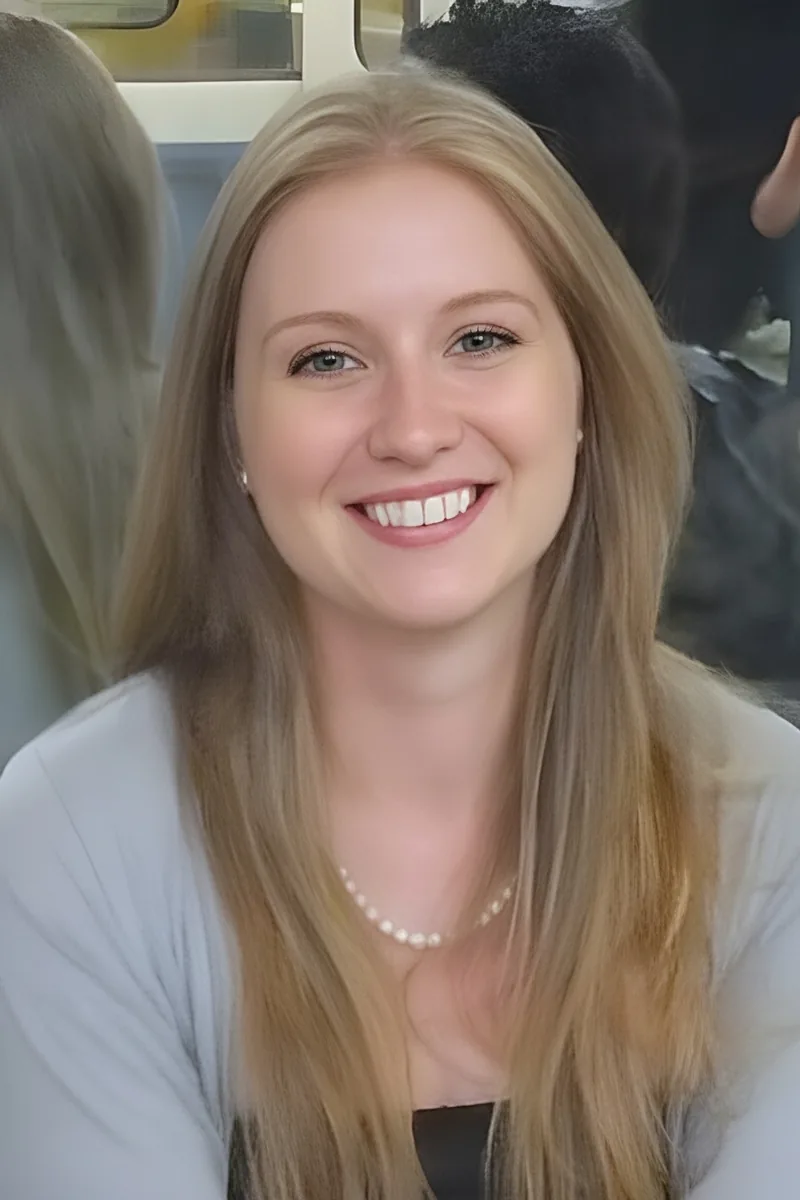
Java's object-oriented structure is where most AP Computer Science A students get stuck — inheritance hierarchies, polymorphism, and writing classes that actually do what the problem asks. Christina studied these concepts deeply during her CS degree and breaks them down by walking through real code examples line by line. She also drills the free-response question format so students know exactly how to earn partial credit even when a solution isn't perfect.

Having double-majored in computer science and English, Milan brings an unusual combination to AP CSA — he can write clean Java and then explain exactly what it's doing in language that doesn't sound like a textbook. That communication skill matters most on free-response questions, where students need to reason through array manipulation or recursive logic on paper before writing a single line of code.
ArrayLists, two-dimensional arrays, and recursive methods tend to be the topics where AP CSA students start second-guessing themselves. Dennis digs into Java specifically — tracing through code by hand, writing methods from scratch, and debugging common errors — because fluency with the language is what separates a 3 from a 5 on the exam.
Two years building AI and machine learning systems professionally means Brandon writes Java, Python, and C daily — and knows that the object-oriented thinking AP CSA tests is the same design logic that powers real production code. His CS master's work at RIT gives him a depth with recursion, data structures, and algorithm design that lets him show students not just how to trace through a free-response problem, but why the underlying architecture works the way it does. Rated 4.9 by students.
Cornell's Chemical Engineering and Computer Science dual degree means Jonathan writes Java in the same program where he solves differential equations — so he treats AP CSA's class design and algorithm problems with an engineer's instinct for breaking systems into modular, testable pieces. He's particularly sharp on the free-response side, where knowing how to structure a solution before touching code separates fours and fives from threes.
Java's object-oriented structure clicks faster when someone can explain why you'd use inheritance over composition, not just how to write the syntax. Ronit studies computer science at Yale and digs into AP CS A topics like array manipulation, recursive methods, and class design with the kind of precision the free-response questions demand. He holds a 5.0 rating from students.
I am graduated from Penn State University in Industrial Engineering in 2017. I've tutored ever since I was in high school, and I love helping people! I like to help my students understand math (and other topics) instead of just doing it blindly. My goal is to help my students improve their math (and other topics) and build skills that will help them find learning easier in the future! Fun fact, I used to work for Disney and I like to salsa dance!
Debugging a recursive method or tracing through an ArrayList manipulation separates students who understand Java from those who've just memorized syntax. Ankit studied computer science at Duke and tackles AP Computer Science A by building intuition around object-oriented design — inheritance, polymorphism, and class hierarchies — so students can reason through free-response problems confidently. Rated 4.8 by students.
The AP Computer Science A exam tests Java fluency under pressure: recursion, array manipulation, object-oriented design, and the ability to trace code without a compiler. Mohamed's engineering coursework at Penn keeps him immersed in programming, and he breaks down each concept by writing small, testable programs that make abstract ideas concrete. He holds a 5.0 rating from students.
Studying computer engineering at UIUC means David writes Java alongside hardware description languages and embedded systems code — so he sees object-oriented programming not as an abstraction but as something that eventually runs on real circuits. That perspective sharpens how he teaches AP CSA topics like class design and algorithm efficiency, because he's always asking what the code is actually *doing* under the surface. Holds a 5.0 rating.
Currently studying Computer Science and Data Science at NYU's Courant Institute, Diego writes code in C++, Python, and Java as part of his daily coursework — so AP CSA's object-oriented concepts like arrays, loops, and class structure are things he's actively using, not distantly remembering. His 34 ACT speaks to the kind of careful, detail-oriented thinking that pays off when students need to trace through recursive methods or debug free-response code on exam day.
Studying computer science at MIT while scoring a perfect 1600 SAT, Brice brings the kind of rigorous, first-principles thinking to AP CSA that turns vague intuitions about Java into precise understanding — particularly when students hit the wall of writing multi-class programs with interacting objects. He's spent years tutoring peers through exactly those sticking points, teaching students to architect their code on paper before writing a single line.
Fresh out of Duke's CS program and heading into a PhD at Michigan, Michelle writes Java the way the AP CSA exam expects — with careful attention to how classes interact, how recursion unwinds, and how data structures behave under the hood. She pairs that technical depth with a sociology-trained instinct for clear communication, breaking down abstract concepts like polymorphism and encapsulation into language that actually sticks. Rated 5.0 by students.
Years of professional software development give Utsav a working programmer's perspective on Java — he's written, debugged, and shipped real code, so AP CSA topics like object design, array manipulation, and recursive logic aren't academic exercises but daily tools. His Stanford math background also means he can unpack the formal reasoning behind why an algorithm works, which is exactly what the free-response section rewards.
Mechanical engineering at Case Western means Kevin codes in MATLAB and CAD environments where logical structure matters — the same kind of structured thinking that Java's object-oriented model demands in AP CSA. He approaches topics like loop construction and array manipulation the way an engineer solves a design problem: define the inputs, trace the logic, then build. Rated 4.8 by students.
Testimonials
Because the right AP Computer Science A tutor makes all the difference.
Average Session Rating – Based on 3.4M Learner Ratings
Practice AP Computer Science A
Free practice tests, flashcards, and AI tutoring for AP Computer Science A
Nearby AP Computer Science A Tutors
Other Mission Viejo Tutors
Related Technology and Coding Tutors in Mission Viejo
Frequently Asked Questions
AP Computer Science A focuses on object-oriented programming and problem-solving using Java. The curriculum covers variables and data types, control structures, arrays, objects and classes, inheritance, polymorphism, and algorithms. Students also learn about searching, sorting, and analyzing code efficiency. Personalized tutoring can help you master these concepts at your own pace and connect the theory to practical coding challenges.
Score improvement depends on your starting point and commitment level, but students working with expert tutors typically see gains of 1-2 points on the 5-point AP scale over several months of consistent practice. The key is identifying your specific weak areas—whether that's understanding object-oriented concepts, debugging code, or managing time during the exam—and targeting those gaps with focused instruction and practice problems.
Many students struggle with object-oriented programming concepts like inheritance and polymorphism, as well as tracing through complex code logic and predicting output. Time management during the exam is another frequent challenge—the multiple-choice section requires quick decision-making, while the free-response questions demand careful code writing and explanation. Personalized 1-on-1 instruction helps you work through these specific pain points with targeted practice and feedback.
Your first session focuses on assessment and planning. A tutor will review your current understanding of Java fundamentals, identify which topics feel solid and which need reinforcement, and discuss your AP exam timeline and goals. From there, you'll develop a personalized study plan that prioritizes your weak areas and builds in regular practice with released AP questions and coding challenges.
Practice tests are essential for AP Computer Science A success. They help you get comfortable with the exam format, identify timing issues, and reveal which topics need more review. Taking full-length practice exams under timed conditions also builds test confidence and helps you develop strategies for the multiple-choice and free-response sections. Expert tutors can review your practice test results with you to pinpoint exactly where to focus your studying.
Consistent, deliberate coding practice is more important than quantity. Most students benefit from writing code several times a week in the months leading up to the exam, focusing on the types of problems that appear in AP free-response questions. Tutors can guide you through increasingly complex coding challenges, help you debug errors, and teach you to explain your code clearly—skills that directly impact your free-response scores.
Varsity Tutors connects you with expert tutors in Mission Viejo who specialize in AP Computer Science A and understand the Java curriculum inside and out. Tutors are matched based on your specific needs, learning style, and exam timeline. You can get started by sharing your goals and current skill level, and we'll help you find the right fit for personalized 1-on-1 instruction.
Ideally, start tutoring by late fall or early winter if you're taking the exam in May. This gives you 4-6 months to build a strong foundation, work through challenging topics, and complete plenty of practice problems and full-length exams. If you're starting closer to exam day, intensive tutoring focused on your biggest weak areas can still make a meaningful difference in your score.
Let’s find your perfect tutor
Answer a few quick questions. We’ll recommend the right plan and match you with a top 5% tutor.