Award-Winning AP Computer Science A Tutors
serving Bakersfield, CA
AP Computer Science A
Tutors in Bakersfield
Private 1-on-1 tutoring, weekly live classes for academic support, test prep & enrichment, practice tests and diagnostics, and more to elevate grades and test scores.
Based on 3.4M Learner Ratings
UniversitiesSchools & Universities
DeliveredHours Delivered
ProficiencyGrowth in Proficiency
Who needs tutoring?
No obligation. Takes ~1 minute.
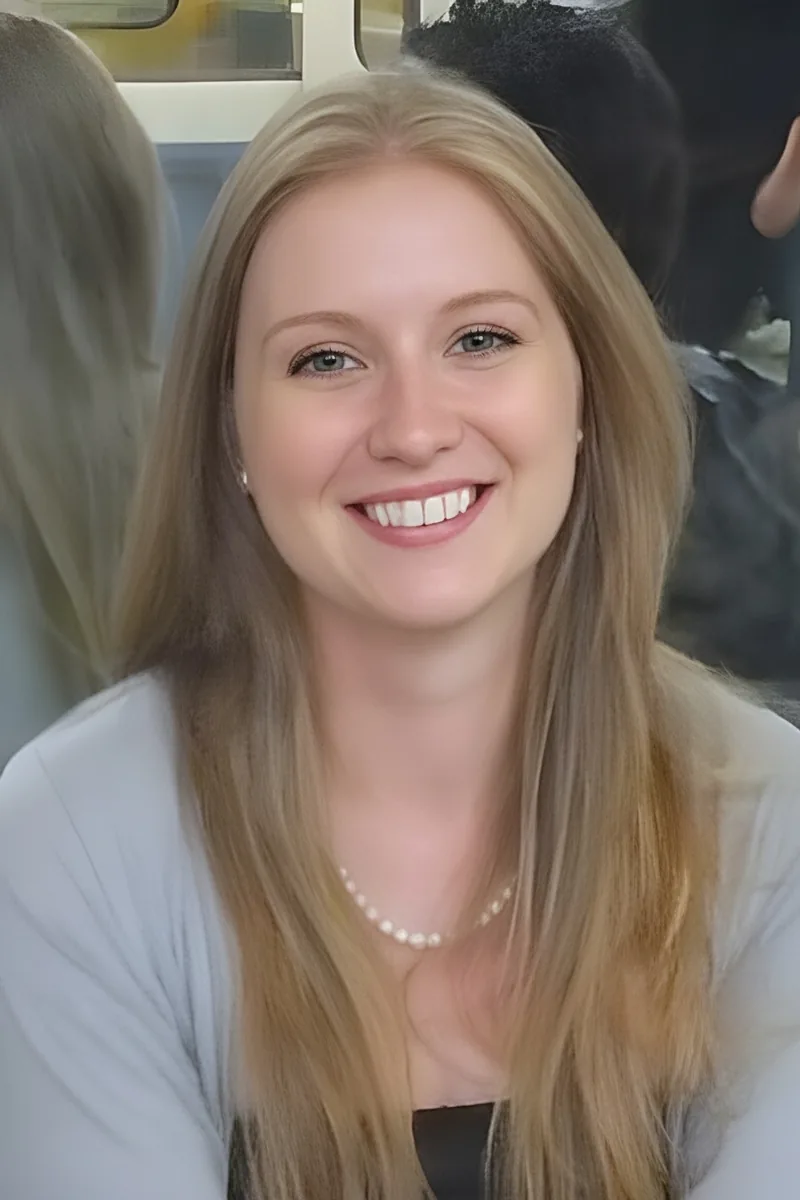
Java's object-oriented structure is where most AP Computer Science A students get stuck — inheritance hierarchies, polymorphism, and writing classes that actually do what the problem asks. Christina studied these concepts deeply during her CS degree and breaks them down by walking through real code examples line by line. She also drills the free-response question format so students know exactly how to earn partial credit even when a solution isn't perfect.

Having double-majored in computer science and English, Milan brings an unusual combination to AP CSA — he can write clean Java and then explain exactly what it's doing in language that doesn't sound like a textbook. That communication skill matters most on free-response questions, where students need to reason through array manipulation or recursive logic on paper before writing a single line of code.
ArrayLists, two-dimensional arrays, and recursive methods tend to be the topics where AP CSA students start second-guessing themselves. Dennis digs into Java specifically — tracing through code by hand, writing methods from scratch, and debugging common errors — because fluency with the language is what separates a 3 from a 5 on the exam.
A pre-med track at Northwestern might not scream Java, but Manideep's coursework in Python and computer science means he's comfortable translating programming logic across languages — exactly the skill that makes AP CSA's object-oriented concepts and recursive thinking accessible. He breaks down class design and array problems by connecting them to the structured, methodical reasoning his science background demands. Rated 5.0 by students.
Computational engineering at UT Austin means Atharva lives in the overlap of math, CS, and engineering — writing code in Java, C++, Python, and MATLAB not as isolated exercises but as tools for solving real problems, which gives him a practical grip on the object-oriented thinking AP CSA demands. He's especially sharp at teaching students how to trace through recursive methods and design classes that actually make sense structurally, rather than just compiling. Rated 5.0 by students.
After building projects in Java, Python, and web development as a computational science major at Harvard, Alliyah treats AP CSA's object-oriented concepts — inheritance, encapsulation, polymorphism — as tools she already uses rather than exam topics to memorize. She teaches students to sketch out how classes and methods connect before writing any code, turning free-response prompts into something closer to a design blueprint than a guessing game.
Rice CS coursework in Java and Python means Alex writes object-oriented code daily — building classes, tracing recursion, debugging inheritance chains — which maps directly onto what the AP CSA exam tests. He also teaches Scratch and game design to younger students, so he's practiced at adjusting his explanations depending on whether someone is seeing their first for-loop or wrestling with polymorphism on a free-response prompt.
Mechanical engineering at the college level means writing code that controls physical systems — and Corrina's background in robotics, Python, and machine learning gives her a programmer's instinct for how objects, methods, and data structures actually behave when something depends on them working correctly. She teaches AP CSA's trickier concepts like recursive logic and class design by grounding them in that engineering mindset, where every line of code has to do exactly what you think it does.
Currently studying computer science at Duke, Susie codes in Java daily — which means AP CSA topics like array manipulation, loop construction, and object-oriented design aren't exam abstractions but tools she actually uses in her coursework. She teaches the reasoning behind each concept first, so students can trace through free-response problems with confidence instead of guessing at syntax.
A computer engineering major who codes in Java, C++, and JavaScript daily, Rhamy digs into AP Computer Science A at the level where object-oriented design actually clicks — not just writing classes, but understanding why inheritance and polymorphism make code reusable. He walks through array manipulation, recursion, and sorting algorithms with the kind of precision that turns a 3 into a 5.
Java's object-oriented structure clicks faster when someone can explain why you'd use inheritance over composition, not just how to write the syntax. Ronit studies computer science at Yale and digs into AP CS A topics like array manipulation, recursive methods, and class design with the kind of precision the free-response questions demand. He holds a 5.0 rating from students.
I am a undergraduate freshman of the University of Michigan, studying business at the Ross School of Business. Working together with students and having a good time while seeing steady improvements has proven to provide me great joy. I believe that communication and relationship building is crucial for students to open up about their struggles and also for me to identify problems they don't realize they can improve on, so this is a key aspect of all of my lessons. During my free time, I enjoy playing sports or snacking on desserts while binge-watching Friends!
Studying computer science at MIT while scoring a perfect 1600 SAT, Brice brings the kind of rigorous, first-principles thinking to AP CSA that turns vague intuitions about Java into precise understanding — particularly when students hit the wall of writing multi-class programs with interacting objects. He's spent years tutoring peers through exactly those sticking points, teaching students to architect their code on paper before writing a single line.
MIT's architecture program requires serious computational work — and Alicia paired hers with a computer science minor, writing Java and Python to solve structural and design problems where the code had to actually produce something. That blend of CS fundamentals and applied problem-solving translates directly to AP CSA's free-response section, where she teaches students to architect their classes and methods with the same intentionality she'd bring to designing a building. Rated 5.0 by students.
Years of professional software development give Utsav a working programmer's perspective on Java — he's written, debugged, and shipped real code, so AP CSA topics like object design, array manipulation, and recursive logic aren't academic exercises but daily tools. His Stanford math background also means he can unpack the formal reasoning behind why an algorithm works, which is exactly what the free-response section rewards.
Testimonials
Because the right AP Computer Science A tutor makes all the difference.
Average Session Rating – Based on 3.4M Learner Ratings
Practice AP Computer Science A
Free practice tests, flashcards, and AI tutoring for AP Computer Science A
Nearby AP Computer Science A Tutors
Other Bakersfield Tutors
Related Technology and Coding Tutors in Bakersfield
Frequently Asked Questions
AP Computer Science A focuses on object-oriented programming fundamentals using Java. The curriculum covers variables and data types, control structures, arrays, objects and classes, inheritance, polymorphism, and algorithms. You'll also study searching, sorting, and 2D arrays. The course emphasizes problem-solving and computational thinking skills that go beyond memorization, making personalized instruction particularly valuable for mastering these interconnected concepts.
Score improvement depends on your starting point and consistency with practice. Students who work with tutors typically see gains of 1-2 score levels (on the 1-5 scale) by focusing on weak areas and practicing with released AP exams. The key is identifying whether you're struggling with coding logic, understanding question formats, or time management—then addressing those specific gaps systematically.
Many students struggle with translating problem descriptions into code logic, especially with inheritance and polymorphism concepts. Others find the free-response section intimidating because it requires writing complete, correct code under time pressure. Pacing is another major challenge—students often spend too long debugging one question instead of moving forward. A tutor can help you develop strategies for each section and build confidence through targeted practice.
Varsity Tutors connects you with expert tutors who assess your current understanding of Java and AP exam format, then create a personalized study plan. Sessions typically focus on coding practice, working through released exam questions, debugging strategies, and time management techniques. Your tutor can adapt the pace based on your progress and help you tackle specific topics like arrays or inheritance that are giving you trouble.
Practice tests are essential for AP Computer Science A success. They help you understand the exam format, identify weak areas, and build stamina for the 3-hour exam. Taking full practice tests under timed conditions also reveals pacing issues—many students realize they're spending too long on multiple-choice and rushing through free-response. A tutor can review your practice test results with you to pinpoint exactly where to focus your studying.
Bakersfield's 19 school districts serve over 166,000 students, and many have AP Computer Science A programs. While curriculum is standardized across California, your school's specific resources and pacing may vary. Varsity Tutors connects you with tutors who understand the AP exam requirements and can supplement your school's instruction with targeted practice, regardless of which district school you attend.
Your first session is an assessment and planning meeting. The tutor will review your current Java knowledge, ask about your AP exam goals and timeline, and identify which topics feel most challenging. You might work through a sample AP question together to understand how the tutor explains concepts and approaches problems. This helps you and the tutor establish a baseline and create a focused study plan for your remaining prep time.
The AP Computer Science A exam has 40 multiple-choice questions (90 minutes) and 4 free-response questions (90 minutes). A smart strategy is spending about 2 minutes per multiple-choice question, which leaves buffer time for harder questions. For free-response, spend 1-2 minutes reading and planning before coding, then allocate roughly 20 minutes per question. A tutor can help you practice this timing during mock exams so it becomes automatic on test day.
Let’s find your perfect tutor
Answer a few quick questions. We’ll recommend the right plan and match you with a top 5% tutor.