Award-Winning AP Computer Science A Tutors
serving Oakland, CA
AP Computer Science A
Tutors in Oakland
Private 1-on-1 tutoring, weekly live classes for academic support, test prep & enrichment, practice tests and diagnostics, and more to elevate grades and test scores.
Based on 3.4M Learner Ratings
UniversitiesSchools & Universities
DeliveredHours Delivered
ProficiencyGrowth in Proficiency
Who needs tutoring?
No obligation. Takes ~1 minute.
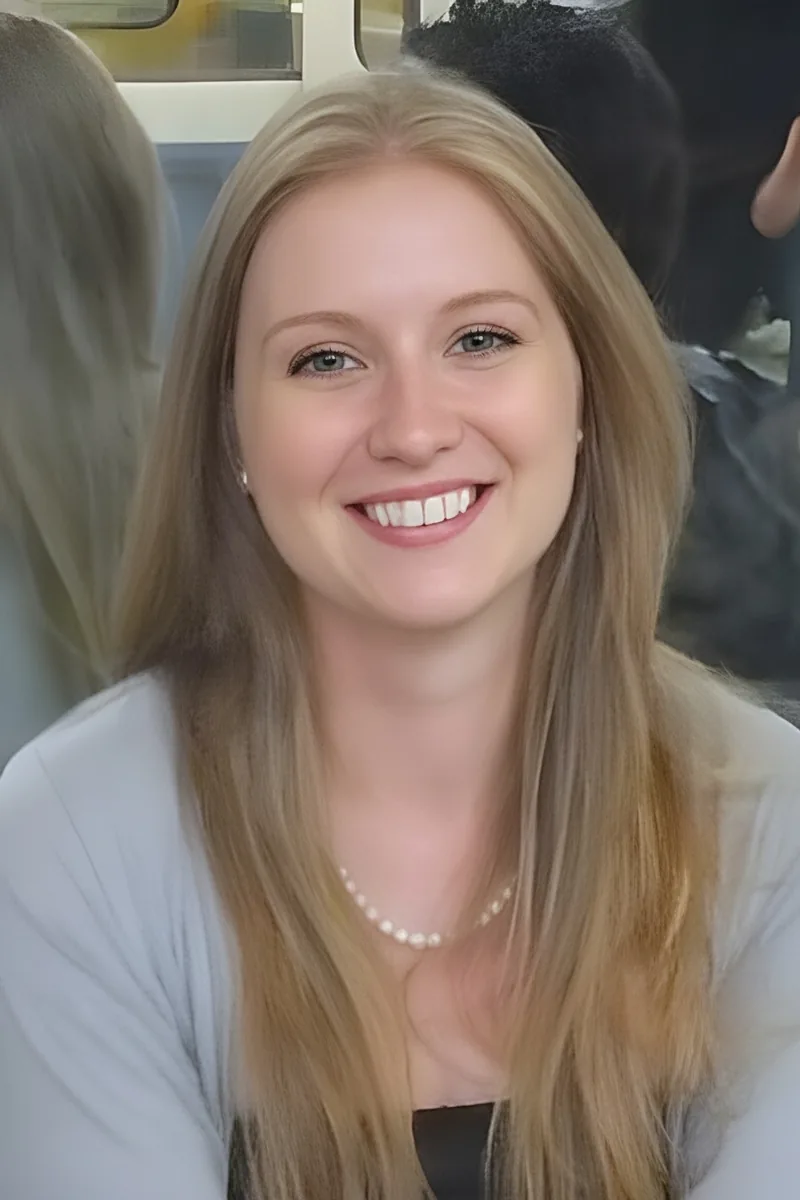
Java's object-oriented structure is where most AP Computer Science A students get stuck — inheritance hierarchies, polymorphism, and writing classes that actually do what the problem asks. Christina studied these concepts deeply during her CS degree and breaks them down by walking through real code examples line by line. She also drills the free-response question format so students know exactly how to earn partial credit even when a solution isn't perfect.

Having double-majored in computer science and English, Milan brings an unusual combination to AP CSA — he can write clean Java and then explain exactly what it's doing in language that doesn't sound like a textbook. That communication skill matters most on free-response questions, where students need to reason through array manipulation or recursive logic on paper before writing a single line of code.
ArrayLists, two-dimensional arrays, and recursive methods tend to be the topics where AP CSA students start second-guessing themselves. Dennis digs into Java specifically — tracing through code by hand, writing methods from scratch, and debugging common errors — because fluency with the language is what separates a 3 from a 5 on the exam.
Computer engineering at Georgia Tech means Yash writes Java alongside hardware description languages and low-level C, so he understands what's actually happening when AP CSA asks about object references, memory, and how data moves through a program. He uses that deeper-than-the-exam knowledge to make topics like inheritance and recursive method tracing click on the first pass, not the fifth. Holds a 5.0 rating from students.
Kevin's Stanford CS master's work in biocomputation means he writes Python and C++ for AI systems daily — but Java's object-oriented model is the same design thinking in a different wrapper, and he teaches AP CSA students to see class hierarchies, polymorphism, and recursion as transferable patterns rather than Java-specific tricks. His 1590 SAT and 35 ACT signal the kind of precise, methodical reasoning that translates directly to tracing free-response code under pressure. Rated 5.0 by students.
A computer engineering major who codes in Java, C++, and JavaScript daily, Rhamy digs into AP Computer Science A at the level where object-oriented design actually clicks — not just writing classes, but understanding why inheritance and polymorphism make code reusable. He walks through array manipulation, recursion, and sorting algorithms with the kind of precision that turns a 3 into a 5.
Pursuing a CS degree at UNC Chapel Hill means Jack isn't just studying Java in theory — he's building with it in coursework and projects where understanding how objects, arrays, and control structures interact is non-negotiable. He brings that hands-on coding fluency to AP CSA's trickiest areas, like debugging multi-method programs and writing clean solutions under the time pressure of free-response questions. Rated 4.7 by students.
Having TA'd three courses at Duke — including a databases class and a computer networking class — Florence knows how to spot the gap between students who can read Java and students who can actually write it under exam conditions. She drills the hand-tracing and class-design skills that AP CSA's free-response section punishes you for skipping, drawing on the same object-oriented thinking she uses in her own CS coursework and software development internships. Rated 5.0 by students.
A perfect 5 on the AP Computer Science exam backs up William's ability to teach Java fundamentals — from array manipulation and recursion to object-oriented class design. He breaks down each free-response question type so students know exactly how to structure their logic and earn full credit on exam day.
Object-oriented programming clicks faster when someone can explain why you'd actually use inheritance or polymorphism in a real project. Adel's Java experience and engineering mindset make him effective at breaking down AP Computer Science A topics like recursion, array manipulation, and class design into logical steps that mirror how working programmers think.
The AP Computer Science A exam lives and dies on object-oriented Java: inheritance hierarchies, array and ArrayList manipulation, and recursive methods that students need to trace by hand under time pressure. Ryan teaches these concepts in Java daily as part of his Cornell CS program, so he knows exactly where the common logic errors hide. He unpacks each free-response question type so students see the scoring pattern, not just the answer.
The jump from writing simple programs to reasoning about recursion, sorting algorithms, and ArrayLists trips up a lot of AP CS A students. David teaches Java with the rigor of someone who earned an MS in Computer Science at Stanford, walking through each concept with the kind of tracing and debugging exercises that make exam free-response questions feel routine.
Economics at Brown means Clive spends more time in Python and Java than most people expect — building models, running simulations, and writing scripts that demand the same object-oriented thinking AP CSA tests on. He teaches topics like loop construction and array manipulation by tying them to real data problems, which gives the abstract stuff a concrete purpose. His 35 ACT speaks to the kind of careful, logical reasoning that pays off on exam day.
As a computer science major at Case Western Reserve, Brian writes Java daily — the same language students need to master for AP Computer Science A. He tackles the concepts that trip students up most, like recursive methods, array manipulation, and object-oriented design, by assigning targeted practice problems that build real fluency with the exam format. Rated 5.0 by students.
Debugging a recursive method or tracing through an ArrayList manipulation is where AP Computer Science A gets tricky, and John tackles these problems by teaching students to think like the compiler. His CS degree and hands-on work in Java give him the depth to explain object-oriented design patterns — inheritance, polymorphism, interfaces — in ways that click during both free-response and multiple-choice questions.
Testimonials
Because the right AP Computer Science A tutor makes all the difference.
Average Session Rating – Based on 3.4M Learner Ratings
Practice AP Computer Science A
Free practice tests, flashcards, and AI tutoring for AP Computer Science A
Nearby AP Computer Science A Tutors
Other Oakland Tutors
Related Technology and Coding Tutors in Oakland
Frequently Asked Questions
Varsity Tutors matches Oakland students with expert AP Computer Science A tutors for 1-on-1 instruction. We pair each student with a tutor based on their specific needs, learning style, and goals.
Whether you need homework help, exam prep, or want to get ahead, our AP Computer Science A tutors are ready to help.
Common challenges include gaps from earlier material, difficulty with specific concepts, and trouble applying learning to new problems. These issues can snowball quickly in AP Computer Science A.
A tutor identifies where you're stuck, fills in gaps, and provides targeted practice. The 1-on-1 format means you get help exactly where you need it.
Tutors work with your student's actual coursework—homework assignments, class notes, and upcoming tests. This keeps tutoring directly relevant to what's happening in the classroom.
When you share information about your student's school and curriculum, we can match you with a tutor who has relevant experience.
All tutors complete background checks, credential verification, and teaching evaluation. Many of our AP Computer Science A tutors hold advanced degrees or have years of teaching experience.
You can review tutor profiles to find someone with the right background for your student's level and needs.
Many students see improved grades within a few weeks, along with better understanding of AP Computer Science A concepts and more confidence tackling challenging material.
Tutors track progress and adjust their approach to ensure continued improvement.
Most students benefit from 1-2 sessions per week. More frequent sessions help if your student is significantly behind or has an important exam coming up.
Your tutor can recommend a schedule based on your student's specific situation and goals.
Tutoring is purchased in packages of hours, with rates varying by tutor experience. Varsity Tutors offers several options to fit different budgets and needs.
You can discuss pricing during your consultation to find what works best.
Your tutor will assess where your student is, discuss goals, and start working on priority areas. Most students bring current homework or upcoming test material to focus on.
By the end, you'll have a clear sense of how the tutor can help and a plan for moving forward.
Let’s find your perfect tutor
Answer a few quick questions. We’ll recommend the right plan and match you with a top 5% tutor.