Award-Winning AP Computer Science A Tutors
serving San Francisco, CA
AP Computer Science A
Tutors in San Francisco
Private 1-on-1 tutoring, weekly live classes for academic support, test prep & enrichment, practice tests and diagnostics, and more to elevate grades and test scores.
Based on 3.4M Learner Ratings
UniversitiesSchools & Universities
DeliveredHours Delivered
ProficiencyGrowth in Proficiency
Who needs tutoring?
No obligation. Takes ~1 minute.
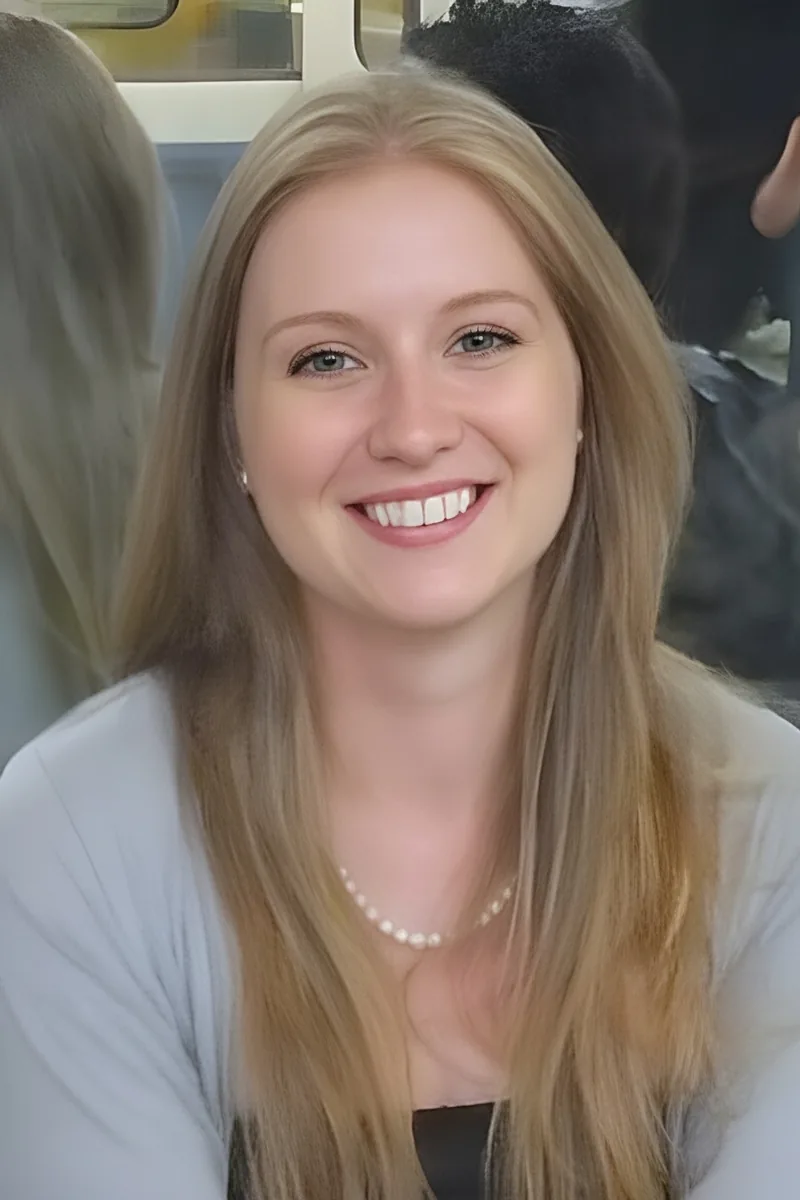
Java's object-oriented structure is where most AP Computer Science A students get stuck — inheritance hierarchies, polymorphism, and writing classes that actually do what the problem asks. Christina studied these concepts deeply during her CS degree and breaks them down by walking through real code examples line by line. She also drills the free-response question format so students know exactly how to earn partial credit even when a solution isn't perfect.

Having double-majored in computer science and English, Milan brings an unusual combination to AP CSA — he can write clean Java and then explain exactly what it's doing in language that doesn't sound like a textbook. That communication skill matters most on free-response questions, where students need to reason through array manipulation or recursive logic on paper before writing a single line of code.
ArrayLists, two-dimensional arrays, and recursive methods tend to be the topics where AP CSA students start second-guessing themselves. Dennis digs into Java specifically — tracing through code by hand, writing methods from scratch, and debugging common errors — because fluency with the language is what separates a 3 from a 5 on the exam.
A perfect 5 on the AP Computer Science exam backs up William's ability to teach Java fundamentals — from array manipulation and recursion to object-oriented class design. He breaks down each free-response question type so students know exactly how to structure their logic and earn full credit on exam day.
Three Bachelor of Science degrees — including one in Neuroscience — meant Anna spent years writing code to process and analyze data, giving her hands-on Java and Python experience that maps directly onto AP CSA's emphasis on arrays, object design, and algorithmic thinking. She teaches the exam's trickier concepts, like building multi-class programs and writing recursive methods, by connecting them to the real data problems she solved in her own coursework. Rated 5.0 by students.
Object-oriented programming clicks faster when someone can explain why you'd actually use inheritance or polymorphism in a real project. Adel's Java experience and engineering mindset make him effective at breaking down AP Computer Science A topics like recursion, array manipulation, and class design into logical steps that mirror how working programmers think.
The jump from writing simple programs to reasoning about recursion, sorting algorithms, and ArrayLists trips up a lot of AP CS A students. David teaches Java with the rigor of someone who earned an MS in Computer Science at Stanford, walking through each concept with the kind of tracing and debugging exercises that make exam free-response questions feel routine.
Java's object-oriented structure — inheritance, polymorphism, recursion, array manipulation — clicks faster when a tutor can connect it to projects students actually care about. Evan writes production code in C++ and Java for game development and brings that practical fluency to AP Computer Science A's free-response questions and algorithm design challenges.
Double-majoring in physics and computer science at Stony Brook means Kiran writes Java and C++ not just for coursework but for computational physics problems — simulations, data analysis, algorithm design — where sloppy code means wrong answers, not just compiler errors. That habit of precision carries directly into AP CSA, where he teaches students to think carefully about how objects interact and why a method behaves differently than expected before rewriting a single line.
Computer engineering at Georgia Tech means Yash writes Java alongside hardware description languages and low-level C, so he understands what's actually happening when AP CSA asks about object references, memory, and how data moves through a program. He uses that deeper-than-the-exam knowledge to make topics like inheritance and recursive method tracing click on the first pass, not the fifth. Holds a 5.0 rating from students.
Years of professional software development give Utsav a working programmer's perspective on Java — he's written, debugged, and shipped real code, so AP CSA topics like object design, array manipulation, and recursive logic aren't academic exercises but daily tools. His Stanford math background also means he can unpack the formal reasoning behind why an algorithm works, which is exactly what the free-response section rewards.
Four years of tutoring and a computer science major at Boston University mean Irene is actively immersed in Java — writing it for her own coursework while teaching it to others, which keeps her tuned into exactly where AP CSA students get tripped up on concepts like loop logic and object interaction. She's especially sharp at catching the small misunderstandings in how students trace through code, the kind that lead to wrong answers on free-response questions without anyone realizing why. Rated 4.8 by students.
Java's object-oriented structure trips up a lot of AP CS A students right around inheritance and polymorphism, when the logic stops being intuitive. Matthew programs in Java professionally and academically, so he can unpack concepts like recursion, array manipulation, and class hierarchies using examples that actually click. Rated 4.9 by students.
The AP Computer Science A exam lives and dies on Java fundamentals: arrays, ArrayLists, loops, recursion, and object-oriented design with inheritance and polymorphism. David's daily immersion in computer science at UCLA — plus a software engineering internship at Adobe — means he can pinpoint exactly where a student's logic breaks down in a free-response problem and rebuild understanding from that point.
Object-oriented programming trips students up when inheritance hierarchies and polymorphism go from simple examples to complex, layered problems. Srini tackles AP Computer Science A by connecting Java concepts like recursion, array manipulation, and class design to the computational modeling he does in his biophysics coursework at Brown. Rated 4.8 by students.
Testimonials
Because the right AP Computer Science A tutor makes all the difference.
Average Session Rating – Based on 3.4M Learner Ratings
Practice AP Computer Science A
Free practice tests, flashcards, and AI tutoring for AP Computer Science A
Nearby AP Computer Science A Tutors
Other San Francisco Tutors
Related Technology and Coding Tutors in San Francisco
Frequently Asked Questions
AP Computer Science A focuses on object-oriented programming using Java, covering fundamental concepts like variables, control structures, arrays, and classes. The course also includes problem-solving strategies, algorithm development, and understanding how computers work at a basic level. Students learn to write, test, and debug programs while developing computational thinking skills that apply across many fields.
Score improvement depends on your starting point and commitment level, but personalized 1-on-1 instruction typically helps students identify and address specific weak areas—whether that's understanding inheritance, mastering array manipulation, or improving code efficiency. Many students see meaningful gains by focusing on practice problems, reviewing past exam questions, and getting real-time feedback on their code. The key is consistent practice combined with targeted guidance on concepts that challenge you most.
Many students struggle with object-oriented programming concepts like inheritance and polymorphism, as well as understanding how to approach multi-part coding problems under time pressure. Array and ArrayList manipulation, recursion, and translating word problems into code are also frequent pain points. Additionally, students often underestimate the importance of understanding the College Board's specific coding style and expectations, which can cost points on the exam.
A strong study plan combines concept review with consistent practice—start by mastering foundational topics like variables and control structures, then progress to more complex areas like classes and inheritance. Use released AP exam questions and full-length practice tests to build familiarity with question formats and timing. Dedicate time each week to writing and debugging code, and review your mistakes carefully to understand why your approach didn't work. Spacing out your practice over several months is more effective than cramming.
The AP Computer Science A exam has two sections: a 90-minute multiple-choice section (40 questions) and a 90-minute free-response section (4 questions). For multiple-choice, aim to spend about 2 minutes per question, leaving time to review. The free-response section requires more time per question since you're writing code—allocate roughly 20-25 minutes per question to write, test, and refine your solution. Practice with full-length exams under timed conditions to develop pacing that works for you.
Varsity Tutors connects you with expert tutors for students in San Francisco who specialize in AP Computer Science A and understand the College Board's expectations. You can describe your specific needs—whether you're starting from scratch, need help with particular topics, or want to polish your exam skills—and get matched with a tutor who fits your learning style and schedule. Many tutors offer flexible scheduling and can focus on practice problems, code review, or conceptual understanding depending on what you need most.
Your first session is typically used to assess your current understanding, identify specific challenges, and establish a personalized study plan. A tutor will likely ask about your background with programming, review any past assignments or practice tests, and discuss your goals for the exam. This helps create a focused approach—whether you need to build foundational skills, strengthen weak topics, or develop test-taking strategies. Come prepared with any materials you've used in class or practice problems that have confused you.
AP Computer Science A is fundamentally a skills-based exam—you need to write working code under pressure, not just understand concepts theoretically. Hands-on practice helps you develop muscle memory for syntax, learn to debug efficiently, and build confidence approaching unfamiliar problems. Regular coding practice also reveals gaps in your understanding that pure reading or lecture won't catch, allowing you to address them before exam day. The more you code, the faster and more accurately you'll work during the actual exam.
Let’s find your perfect tutor
Answer a few quick questions. We’ll recommend the right plan and match you with a top 5% tutor.