Award-Winning AP Computer Science A Tutors
serving Concord, CA
AP Computer Science A
Tutors in Concord
Private 1-on-1 tutoring, weekly live classes for academic support, test prep & enrichment, practice tests and diagnostics, and more to elevate grades and test scores.
Based on 3.4M Learner Ratings
UniversitiesSchools & Universities
DeliveredHours Delivered
ProficiencyGrowth in Proficiency
Who needs tutoring?
No obligation. Takes ~1 minute.
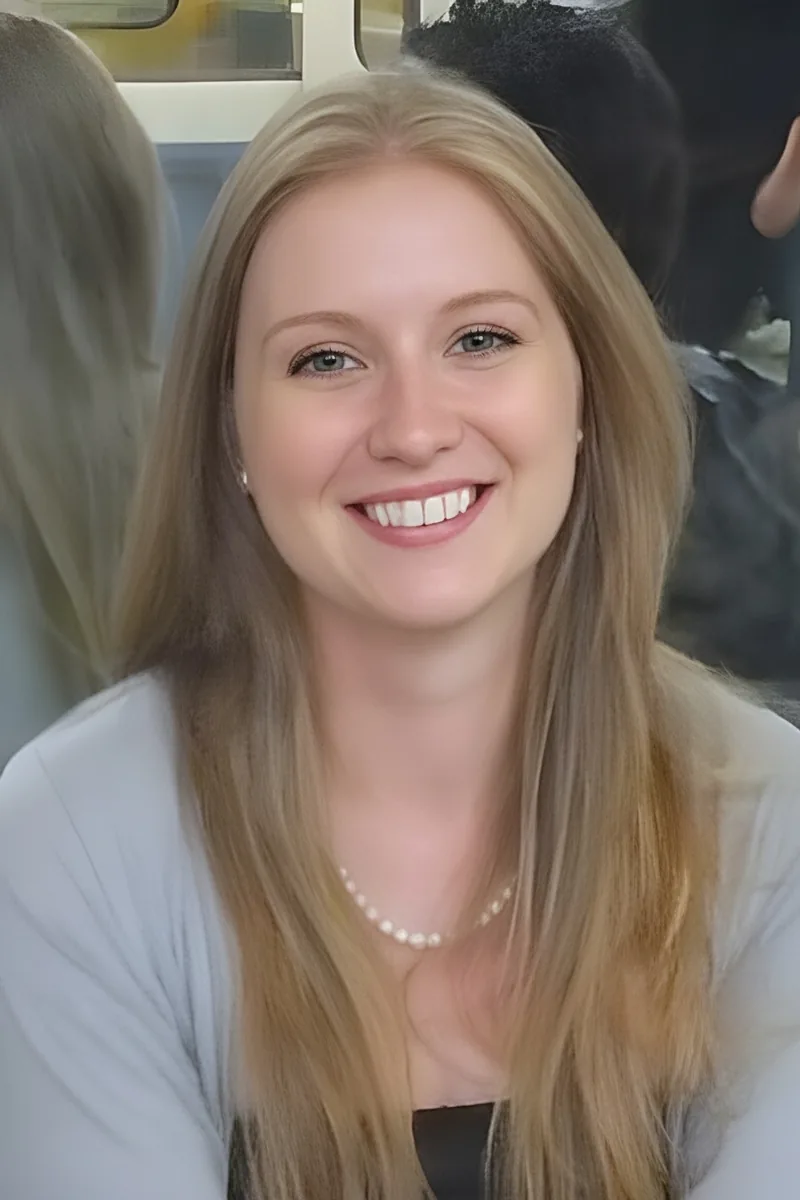
Java's object-oriented structure is where most AP Computer Science A students get stuck — inheritance hierarchies, polymorphism, and writing classes that actually do what the problem asks. Christina studied these concepts deeply during her CS degree and breaks them down by walking through real code examples line by line. She also drills the free-response question format so students know exactly how to earn partial credit even when a solution isn't perfect.

Having double-majored in computer science and English, Milan brings an unusual combination to AP CSA — he can write clean Java and then explain exactly what it's doing in language that doesn't sound like a textbook. That communication skill matters most on free-response questions, where students need to reason through array manipulation or recursive logic on paper before writing a single line of code.
ArrayLists, two-dimensional arrays, and recursive methods tend to be the topics where AP CSA students start second-guessing themselves. Dennis digs into Java specifically — tracing through code by hand, writing methods from scratch, and debugging common errors — because fluency with the language is what separates a 3 from a 5 on the exam.
The AP Computer Science A exam tests Java fluency under pressure: recursion, array manipulation, object-oriented design, and the ability to trace code without a compiler. Mohamed's engineering coursework at Penn keeps him immersed in programming, and he breaks down each concept by writing small, testable programs that make abstract ideas concrete. He holds a 5.0 rating from students.
NYU's five-year CS program has Kevin writing Java from day one — not just toy exercises but full object-oriented projects with real class hierarchies, so AP CSA topics like inheritance, encapsulation, and array manipulation are things he's actively using, not just recalling from a textbook. He's the kind of tutor who over-explains on purpose, walking through every step of a recursive trace or loop iteration until the logic is genuinely clear rather than just plausible. Rated 4.8 by students.
I am interested in Physics and Mathematics and working out practical problems from plumbing to electronics. I will someday go back for my Ph.D. in Physics but until then I am looking to grow as an engineer or computer programmer.
Engineering students at UC Irvine don't get through MATLAB, data processing, and lab simulations without picking up serious programming logic — and Wesley's biomedical engineering degree means he learned to think in the structured, modular way that Java's object-oriented design rewards. He applies that same systematic approach to AP CSA topics like array traversal and method writing, treating each problem like a system to be engineered rather than code to be memorized.
A perfect 5 on the AP Computer Science exam backs up William's ability to teach Java fundamentals — from array manipulation and recursion to object-oriented class design. He breaks down each free-response question type so students know exactly how to structure their logic and earn full credit on exam day.
Scoring a 5 on AP Computer Science A himself, Joshua knows exactly where students tend to stumble — recursive methods, array traversal logic, and the finer points of inheritance and polymorphism. He walks through each concept by writing and tracing real Java code rather than relying on abstract explanations, which mirrors how the free-response questions actually test understanding.
I am graduated from Penn State University in Industrial Engineering in 2017. I've tutored ever since I was in high school, and I love helping people! I like to help my students understand math (and other topics) instead of just doing it blindly. My goal is to help my students improve their math (and other topics) and build skills that will help them find learning easier in the future! Fun fact, I used to work for Disney and I like to salsa dance!
Mechanical engineering at the college level means writing code that controls physical systems — and Corrina's background in robotics, Python, and machine learning gives her a programmer's instinct for how objects, methods, and data structures actually behave when something depends on them working correctly. She teaches AP CSA's trickier concepts like recursive logic and class design by grounding them in that engineering mindset, where every line of code has to do exactly what you think it does.
Having built machine learning systems as a postdoctoral researcher at Princeton, Firas brings a depth of Java knowledge that extends well past the AP Computer Science A syllabus — which means he can explain not just how recursion or polymorphism works, but where these ideas show up in real software. He teaches students to read and trace code like a developer would, breaking down free-response problems into the same structured thinking he uses in his own research. Rated 5.0 by students.
Mechanical engineering at Case Western means Kevin codes in MATLAB and CAD environments where logical structure matters — the same kind of structured thinking that Java's object-oriented model demands in AP CSA. He approaches topics like loop construction and array manipulation the way an engineer solves a design problem: define the inputs, trace the logic, then build. Rated 4.8 by students.
Cornell's Chemical Engineering and Computer Science dual degree means Jonathan writes Java in the same program where he solves differential equations — so he treats AP CSA's class design and algorithm problems with an engineer's instinct for breaking systems into modular, testable pieces. He's particularly sharp on the free-response side, where knowing how to structure a solution before touching code separates fours and fives from threes.
Rishik's CS degree and hands-on experience across Java, C++, Python, and SQL means he doesn't just know one language — he understands the programming logic underneath all of them, which makes explaining AP CSA concepts like inheritance, ArrayList behavior, and recursive tracing feel intuitive rather than mechanical. He scored a 1580 SAT, the kind of detail-oriented precision that shows up when he walks through free-response questions line by line.
Testimonials
Because the right AP Computer Science A tutor makes all the difference.
Average Session Rating – Based on 3.4M Learner Ratings
Practice AP Computer Science A
Free practice tests, flashcards, and AI tutoring for AP Computer Science A
Nearby AP Computer Science A Tutors
Other Concord Tutors
Related Technology and Coding Tutors in Concord
Frequently Asked Questions
AP Computer Science A focuses on object-oriented programming using Java, covering fundamental concepts like variables, control structures, arrays, and classes. The curriculum also includes algorithm design, inheritance, polymorphism, and ArrayList collections. Students learn to write, analyze, and debug code while solving real-world problems—skills that are tested through both multiple-choice questions and free-response coding problems on the AP exam.
Score improvement depends on your starting point and how actively you engage with tutoring. Many students see significant gains by focusing on their weakest areas—whether that's understanding object-oriented concepts, optimizing algorithms, or mastering free-response coding problems. Personalized 1-on-1 instruction helps identify gaps quickly and build confidence, which directly impacts test performance. Consistent practice combined with targeted feedback typically yields the most meaningful improvements.
Students often struggle with object-oriented programming concepts like inheritance and polymorphism, as well as working with 2D arrays and ArrayList methods. Free-response questions that require writing multiple methods or classes can feel overwhelming without structured practice. Many students also find it challenging to trace through complex code logic or optimize algorithms for efficiency. Expert tutors help break down these concepts into manageable pieces and provide targeted practice until mastery.
Start by taking a full practice test under timed conditions to establish a baseline and identify weak areas. After reviewing your results, focus tutoring sessions on those specific topics before attempting another full test. In the final weeks before the exam, take practice tests every 1-2 weeks to build stamina and refine your pacing strategy. Tutors can help you analyze which question types trip you up and develop targeted strategies for the multiple-choice and free-response sections.
The AP exam gives you 3 hours total: 90 minutes for 40 multiple-choice questions and 90 minutes for 4 free-response coding problems. Pacing is critical—aim to spend about 2 minutes per multiple-choice question, leaving time to review. For free-response, allocate roughly 20-25 minutes per problem. Tutors can help you practice under timed conditions and develop strategies for when to skip difficult questions and come back later, reducing test anxiety and improving overall performance.
Varsity Tutors connects you with expert tutors in Concord who specialize in AP Computer Science A and understand the specific demands of the exam. When you get matched with a tutor, you can discuss your goals, current skill level, and timeline so they can customize a study plan just for you. Tutors work with you on coding practice, exam strategy, and building the confidence you need to perform well on test day.
Your first session is all about assessment and planning. A tutor will discuss your current understanding of Java and object-oriented concepts, review any practice test scores you have, and identify your strongest and weakest areas. Together, you'll create a personalized study plan with specific goals and a timeline leading up to the AP exam. This foundation ensures every future session is focused and productive.
Hands-on coding practice is essential—the free-response section requires you to write working code under time pressure, so you need to be comfortable translating concepts into actual programs. Tutors help you practice writing methods, debugging errors, and optimizing code while explaining your reasoning. Regular coding practice builds muscle memory and confidence, making the exam feel much less intimidating when test day arrives.
Let’s find your perfect tutor
Answer a few quick questions. We’ll recommend the right plan and match you with a top 5% tutor.