Award-Winning AP Computer Science A Tutors
serving Long Beach, CA
AP Computer Science A
Tutors in Long Beach
Private 1-on-1 tutoring, weekly live classes for academic support, test prep & enrichment, practice tests and diagnostics, and more to elevate grades and test scores.
Based on 3.4M Learner Ratings
UniversitiesSchools & Universities
DeliveredHours Delivered
ProficiencyGrowth in Proficiency
Who needs tutoring?
No obligation. Takes ~1 minute.
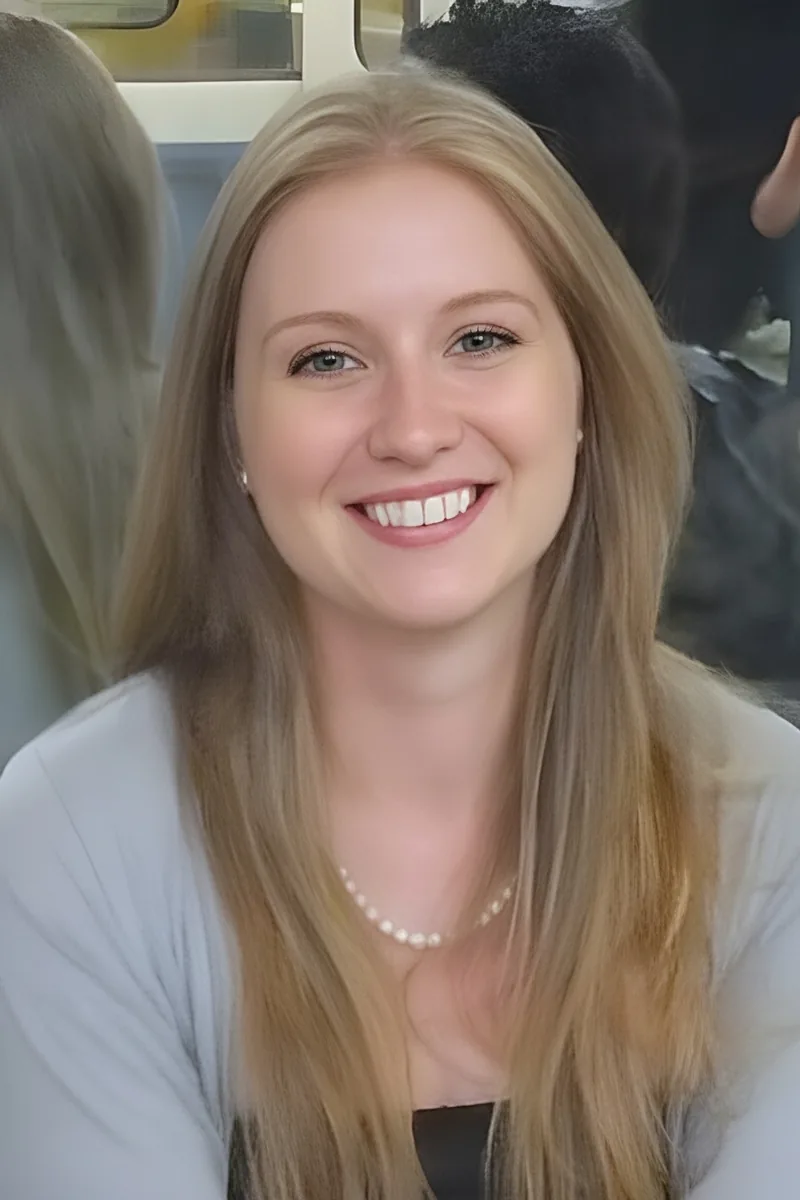
Java's object-oriented structure is where most AP Computer Science A students get stuck — inheritance hierarchies, polymorphism, and writing classes that actually do what the problem asks. Christina studied these concepts deeply during her CS degree and breaks them down by walking through real code examples line by line. She also drills the free-response question format so students know exactly how to earn partial credit even when a solution isn't perfect.

Having double-majored in computer science and English, Milan brings an unusual combination to AP CSA — he can write clean Java and then explain exactly what it's doing in language that doesn't sound like a textbook. That communication skill matters most on free-response questions, where students need to reason through array manipulation or recursive logic on paper before writing a single line of code.
ArrayLists, two-dimensional arrays, and recursive methods tend to be the topics where AP CSA students start second-guessing themselves. Dennis digs into Java specifically — tracing through code by hand, writing methods from scratch, and debugging common errors — because fluency with the language is what separates a 3 from a 5 on the exam.
Fresh out of Duke's CS program and heading into a PhD at Michigan, Michelle writes Java the way the AP CSA exam expects — with careful attention to how classes interact, how recursion unwinds, and how data structures behave under the hood. She pairs that technical depth with a sociology-trained instinct for clear communication, breaking down abstract concepts like polymorphism and encapsulation into language that actually sticks. Rated 5.0 by students.
Years of professional software development give Utsav a working programmer's perspective on Java — he's written, debugged, and shipped real code, so AP CSA topics like object design, array manipulation, and recursive logic aren't academic exercises but daily tools. His Stanford math background also means he can unpack the formal reasoning behind why an algorithm works, which is exactly what the free-response section rewards.
Mechanical engineering at Case Western means Kevin codes in MATLAB and CAD environments where logical structure matters — the same kind of structured thinking that Java's object-oriented model demands in AP CSA. He approaches topics like loop construction and array manipulation the way an engineer solves a design problem: define the inputs, trace the logic, then build. Rated 4.8 by students.
Object-oriented programming trips students up when inheritance hierarchies and polymorphism go from simple examples to complex, layered problems. Srini tackles AP Computer Science A by connecting Java concepts like recursion, array manipulation, and class design to the computational modeling he does in his biophysics coursework at Brown. Rated 4.8 by students.
Rice CS coursework in Java and Python means Alex writes object-oriented code daily — building classes, tracing recursion, debugging inheritance chains — which maps directly onto what the AP CSA exam tests. He also teaches Scratch and game design to younger students, so he's practiced at adjusting his explanations depending on whether someone is seeing their first for-loop or wrestling with polymorphism on a free-response prompt.
Stanford's STEM magnet program Project Lead the Way and coursework in both political science and computer science gave Margaret a dual fluency — she thinks in Java, C++, and C but also knows how to explain abstract concepts in plain language. For AP CSA, she zeroes in on the logic behind class design and method structure, teaching students to reason through problems before touching a keyboard. Rated 4.8 by students.
Java's object-oriented structure trips up a lot of AP CS A students right around inheritance and polymorphism, when the logic stops being intuitive. Matthew programs in Java professionally and academically, so he can unpack concepts like recursion, array manipulation, and class hierarchies using examples that actually click. Rated 4.9 by students.
Having built a career in software development while completing a master's in Computer Science, Daniel writes Java professionally — which means he can teach AP Computer Science A concepts like class design, recursion, and polymorphism the way working programmers actually think about them. He walks students through free-response problems by connecting each prompt to real coding patterns he uses daily, building the kind of fluency that makes exam questions feel like familiar territory.
I am a undergraduate freshman of the University of Michigan, studying business at the Ross School of Business. Working together with students and having a good time while seeing steady improvements has proven to provide me great joy. I believe that communication and relationship building is crucial for students to open up about their struggles and also for me to identify problems they don't realize they can improve on, so this is a key aspect of all of my lessons. During my free time, I enjoy playing sports or snacking on desserts while binge-watching Friends!
Computer engineering at Georgia Tech means Yash writes Java alongside hardware description languages and low-level C, so he understands what's actually happening when AP CSA asks about object references, memory, and how data moves through a program. He uses that deeper-than-the-exam knowledge to make topics like inheritance and recursive method tracing click on the first pass, not the fifth. Holds a 5.0 rating from students.
Giovanni's dual background in math and computer science means he approaches Java the way the AP CSA exam demands — not just writing code that compiles, but reasoning through loop invariants, recursive call stacks, and object relationships on paper. He teaches students to trace methods by hand and spot edge cases before they become scoring mistakes on free-response questions. Rated 5.0 by students.
Kevin's Stanford CS master's work in biocomputation means he writes Python and C++ for AI systems daily — but Java's object-oriented model is the same design thinking in a different wrapper, and he teaches AP CSA students to see class hierarchies, polymorphism, and recursion as transferable patterns rather than Java-specific tricks. His 1590 SAT and 35 ACT signal the kind of precise, methodical reasoning that translates directly to tracing free-response code under pressure. Rated 5.0 by students.
Testimonials
Because the right AP Computer Science A tutor makes all the difference.
Average Session Rating – Based on 3.4M Learner Ratings
Practice AP Computer Science A
Free practice tests, flashcards, and AI tutoring for AP Computer Science A
Nearby AP Computer Science A Tutors
Other Long Beach Tutors
Related Technology and Coding Tutors in Long Beach
Frequently Asked Questions
AP Computer Science A focuses on object-oriented programming using Java, covering core concepts like variables, control structures, arrays, classes, inheritance, and polymorphism. The course also emphasizes algorithmic thinking, debugging, and understanding how data is organized and manipulated. Students work through the College Board's official curriculum framework, which culminates in a multiple-choice exam and a free-response section testing both coding knowledge and problem-solving skills.
Score improvement depends on your starting point and commitment level, but students typically see meaningful gains through focused, personalized instruction. Tutors help identify specific weak areas—whether that's understanding object-oriented concepts, optimizing algorithms, or managing time during the exam—and create targeted practice plans. Consistent practice with full-length mock exams and targeted review of challenging topics generally leads to score improvements of 1-3 points on the 1-5 AP scale.
Many students struggle with the transition from basic syntax to object-oriented design principles, particularly understanding classes, inheritance, and polymorphism. Others find the free-response section challenging because it requires writing complete, correct code under time pressure—a skill that's different from understanding multiple-choice questions. Time management during the exam is also a frequent pain point, as students must balance reading complex code segments, tracing through logic, and writing their own solutions within the allotted time.
Effective test strategy starts with understanding the exam format: the multiple-choice section rewards quick recognition of code behavior and common patterns, while the free-response section requires careful planning before coding. Tutors help students develop strategies like annotating code to track variable changes, working through problems step-by-step rather than rushing, and practicing with official College Board released exams to build familiarity with question types. Learning to identify which problems to tackle first and which to revisit can significantly impact your score.
The College Board's official released exams and sample questions are essential—they show you exactly what to expect and help you understand the grading rubric for free-response questions. Beyond that, coding practice platforms and textbook problem sets help build fluency with Java syntax and algorithmic thinking. Tutors typically guide you through a structured practice schedule that includes timed mock exams early on to identify weak areas, followed by targeted practice on those specific topics, and full-length practice tests closer to exam day.
Varsity Tutors connects you with expert tutors who have deep knowledge of AP Computer Science A and understand the specific challenges students face in the course and on the exam. When you get matched with a tutor, you can discuss your current level, specific topics you're struggling with, and your target score to create a personalized study plan. Tutors work with you on coding practice, exam strategy, and building the confidence you need to perform well on test day.
Your first session is typically an assessment and planning conversation. The tutor will ask about your current understanding of key concepts, review any recent exams or assignments to identify strengths and gaps, and learn about your goals and timeline. From there, you'll work together to create a focused study plan that addresses your specific needs—whether that's building foundational object-oriented programming skills, mastering the free-response section, or refining test-taking strategy.
The ideal tutoring frequency depends on your starting point and how much independent practice you're doing. Many students benefit from weekly 1-hour sessions combined with 3-5 hours of independent practice and coding work per week, especially in the months leading up to the exam. If you're starting preparation early in the school year, you might begin with bi-weekly sessions and increase frequency as the exam approaches; if you're starting closer to test day, more intensive weekly or twice-weekly sessions can help you catch up and build confidence quickly.
Let’s find your perfect tutor
Answer a few quick questions. We’ll recommend the right plan and match you with a top 5% tutor.