Award-Winning Statistics Tutors
serving Fayetteville, AR
Statistics
Tutors in Fayetteville
Private 1-on-1 tutoring, weekly live classes for academic support, test prep & enrichment, practice tests and diagnostics, and more to elevate grades and test scores.
Based on 3.4M Learner Ratings
UniversitiesSchools & Universities
DeliveredHours Delivered
ProficiencyGrowth in Proficiency
Who needs tutoring?
No obligation. Takes ~1 minute.
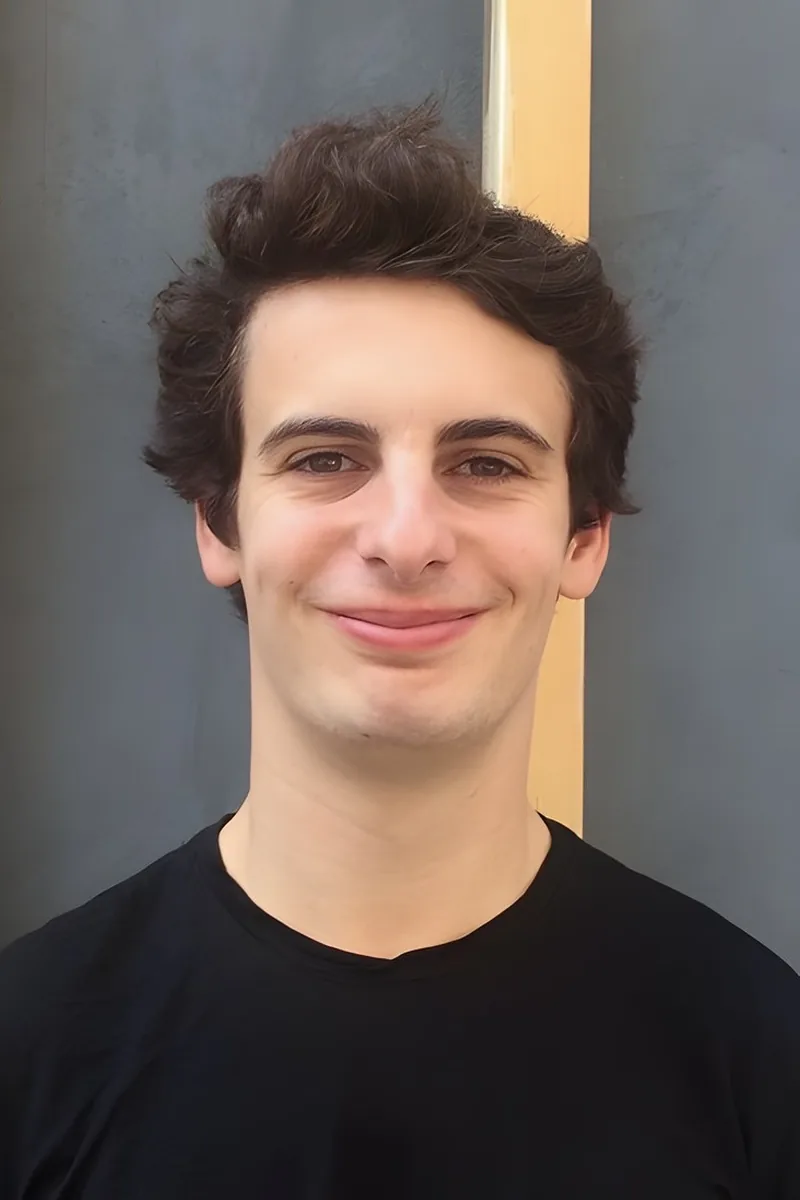
A political science degree from Brown meant Lyall spent years interpreting polling data, regression models, and probability distributions in real research contexts. He brings that applied lens to statistics tutoring, connecting concepts like standard deviation and confidence intervals to situations where the numbers actually matter. Students get someone who treats stats as a tool for making arguments, not just a formula sheet to memorize.
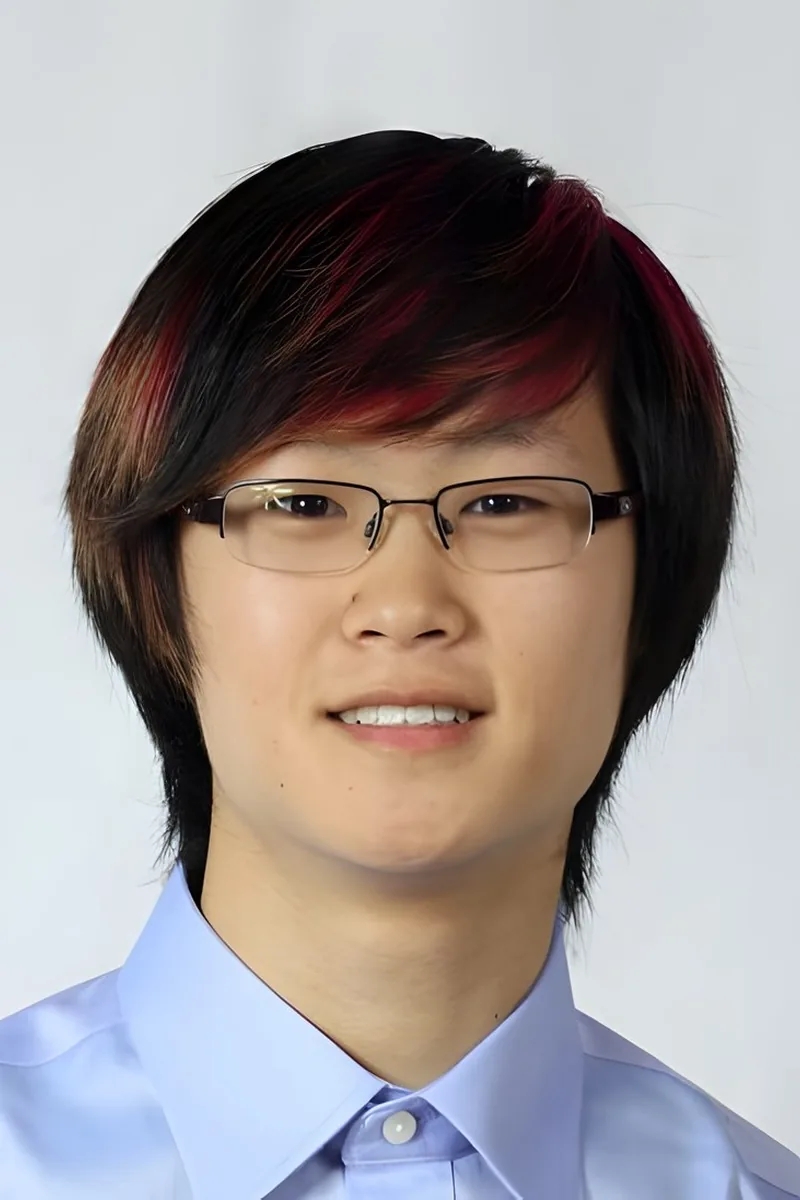
Designing and optimizing light filters for optical multiplexers at Norfolk State required Dennis to apply statistical methods to real engineering data — fitting distributions, quantifying uncertainty, and interpreting experimental results. He teaches statistics with that practitioner's perspective, making topics like standard deviation, probability, and regression feel like problem-solving tools rather than abstract formulas.
Probability distributions, hypothesis testing, and regression analysis are central to both engineering and business — and Caroline has graduate-level training in both. Her mechanical engineering M.S. from WashU built her statistical modeling skills, while her current MBA at MIT Sloan sharpens how she interprets data for real-world decisions. She teaches the reasoning behind each method so formulas stop feeling like black boxes.
Studying economics at Brown meant Carter lived inside datasets — running regressions, testing hypotheses, and interpreting distributions long before he started tutoring. That firsthand experience makes him especially effective at teaching concepts like standard deviation, normal models, and conditional probability in ways that feel grounded rather than abstract. He's rated 5.0 by students.
Probability distributions and hypothesis testing trip students up when the notation obscures what's conceptually straightforward. Kiran breaks statistical reasoning into concrete steps — what the data looks like, what question you're actually asking, and which test answers it — drawing on the data analysis skills he's built across his physics and computer science coursework.
As a Statistics major at Northwestern, Jake lives in this material daily — regression analysis, probability distributions, confidence intervals, and hypothesis testing are part of his coursework, not just something he once studied for a test. That proximity to the subject means he explains concepts with the kind of fluency that comes from constant use. He holds a 5.0 client rating.
Understanding statistics means learning to ask the right questions about data before running any test: Is the sample random? What's the shape of the distribution? Could this result have happened by chance? Ethan's policy background gave him years of practice interrogating datasets and translating statistical output into plain-language conclusions, a skill he now brings directly to topics like hypothesis testing and regression analysis.
Engineering at Dartmouth meant Rachel lived in data — running experiments, interpreting distributions, and making decisions based on probability and hypothesis testing. She brings that practical fluency to statistics tutoring, connecting concepts like standard deviation and confidence intervals to real scenarios instead of leaving them as abstract formulas.
Studying conducting at Juilliard means Molly lives in data — analyzing scores, interpreting patterns, and making decisions based on complex information. She brings that same analytical mindset to statistics, breaking down probability distributions, hypothesis testing, and data interpretation into logical steps. Her 5.0 client rating speaks to how clearly she communicates even the trickiest concepts.
Understanding when to use a t-test versus a z-test, or why a sampling distribution behaves the way it does, requires more than formula sheets — it takes genuine statistical intuition. Brian built that intuition through his economics coursework at Caltech, where statistical analysis was a daily tool, and he walks students through each concept with concrete data examples.
A Quantitative Methods minor at Vanderbilt means Heather spent semesters immersed in regression analysis, hypothesis testing, and probability — the exact material that trips up most statistics students. She teaches the reasoning behind each test so students can choose the right method on their own, not just follow a decision flowchart. Her 4.9 rating speaks to that approach.
Probability distributions, hypothesis testing, and regression analysis all clicked for Sami during his economics work at Duke, where statistical reasoning was baked into nearly every course. Now pursuing an MBA at Yale, he still uses these tools daily and teaches students to interpret data with genuine intuition — understanding what a p-value actually means, not just when to reject a null hypothesis.
Testimonials
Because the right Statistics tutor makes all the difference.
Average Session Rating – Based on 3.4M Learner Ratings
Practice Statistics
Free practice tests, flashcards, and AI tutoring for Statistics
Nearby Statistics Tutors
Other Fayetteville Tutors
Related Math Tutors in Fayetteville
Frequently Asked Questions
Varsity Tutors matches Fayetteville students with expert Statistics tutors for 1-on-1 instruction. We pair each student with a tutor based on their specific needs, learning style, and goals.
Whether you need homework help, exam prep, or want to get ahead, our Statistics tutors are ready to help.
Common challenges include gaps from earlier material, difficulty with specific concepts, and trouble applying learning to new problems. These issues can snowball quickly in Statistics.
A tutor identifies where you're stuck, fills in gaps, and provides targeted practice. The 1-on-1 format means you get help exactly where you need it.
Tutors work with your student's actual coursework—homework assignments, class notes, and upcoming tests. This keeps tutoring directly relevant to what's happening in the classroom.
When you share information about your student's school and curriculum, we can match you with a tutor who has relevant experience.
All tutors complete background checks, credential verification, and teaching evaluation. Many of our Statistics tutors hold advanced degrees or have years of teaching experience.
You can review tutor profiles to find someone with the right background for your student's level and needs.
Many students see improved grades within a few weeks, along with better understanding of Statistics concepts and more confidence tackling challenging material.
Tutors track progress and adjust their approach to ensure continued improvement.
Most students benefit from 1-2 sessions per week. More frequent sessions help if your student is significantly behind or has an important exam coming up.
Your tutor can recommend a schedule based on your student's specific situation and goals.
Tutoring is purchased in packages of hours, with rates varying by tutor experience. Varsity Tutors offers several options to fit different budgets and needs.
You can discuss pricing during your consultation to find what works best.
Your tutor will assess where your student is, discuss goals, and start working on priority areas. Most students bring current homework or upcoming test material to focus on.
By the end, you'll have a clear sense of how the tutor can help and a plan for moving forward.
Let’s find your perfect tutor
Answer a few quick questions. We’ll recommend the right plan and match you with a top 5% tutor.