Award-Winning High School Chemistry Tutors
serving Fayetteville, AR
High School Chemistry
Tutors in Fayetteville
Private 1-on-1 tutoring, weekly live classes for academic support, test prep & enrichment, practice tests and diagnostics, and more to elevate grades and test scores.
Based on 3.4M Learner Ratings
UniversitiesSchools & Universities
DeliveredHours Delivered
ProficiencyGrowth in Proficiency
Who needs tutoring?
No obligation. Takes ~1 minute.
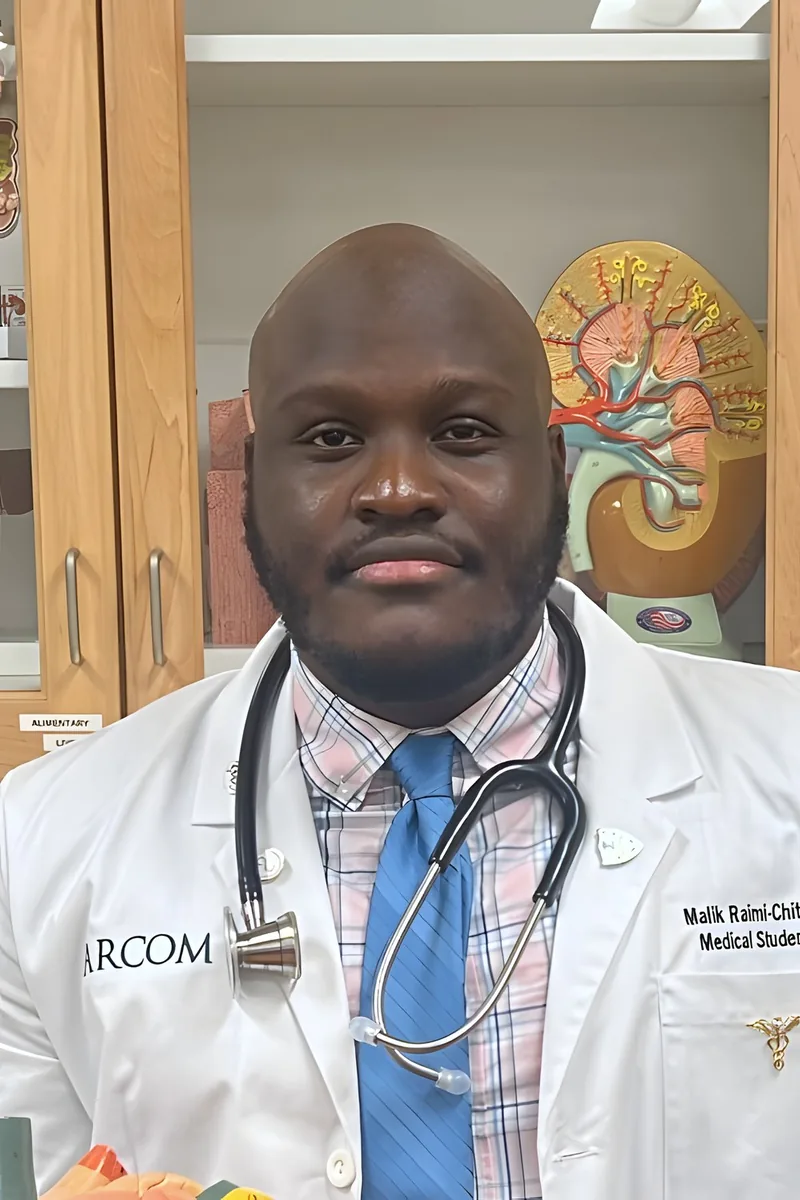
As a second-year medical student with a strong foundation in science and a passion for education, I specialize in making tough subjects easier to understand. I excel in math, biology, physics, and other challenging topics that often intimidate students and I genuinely enjoy helping others master them. My approach combines patience, clarity, and high-level understanding to break down complex ideas into manageable, confidence-boosting lessons. Whether it's reviewing homework or prepping for exams, I'm here to support and motivate students at any level below mine to reach their full academic potential. My interests include: Weightlifting and fitness training (especially strength and hypertrophy programs) Morning cardio and physical conditioning Studying medicine with a focus on anatomy, physiology, and clinical problem-solving Teaching and tutoring tough academic subjects like math, biology, and physics Watching anime as a way to relax and recharge (especially after a long day) Cooking (with a focus on high-protein, keto/carnivore meals)
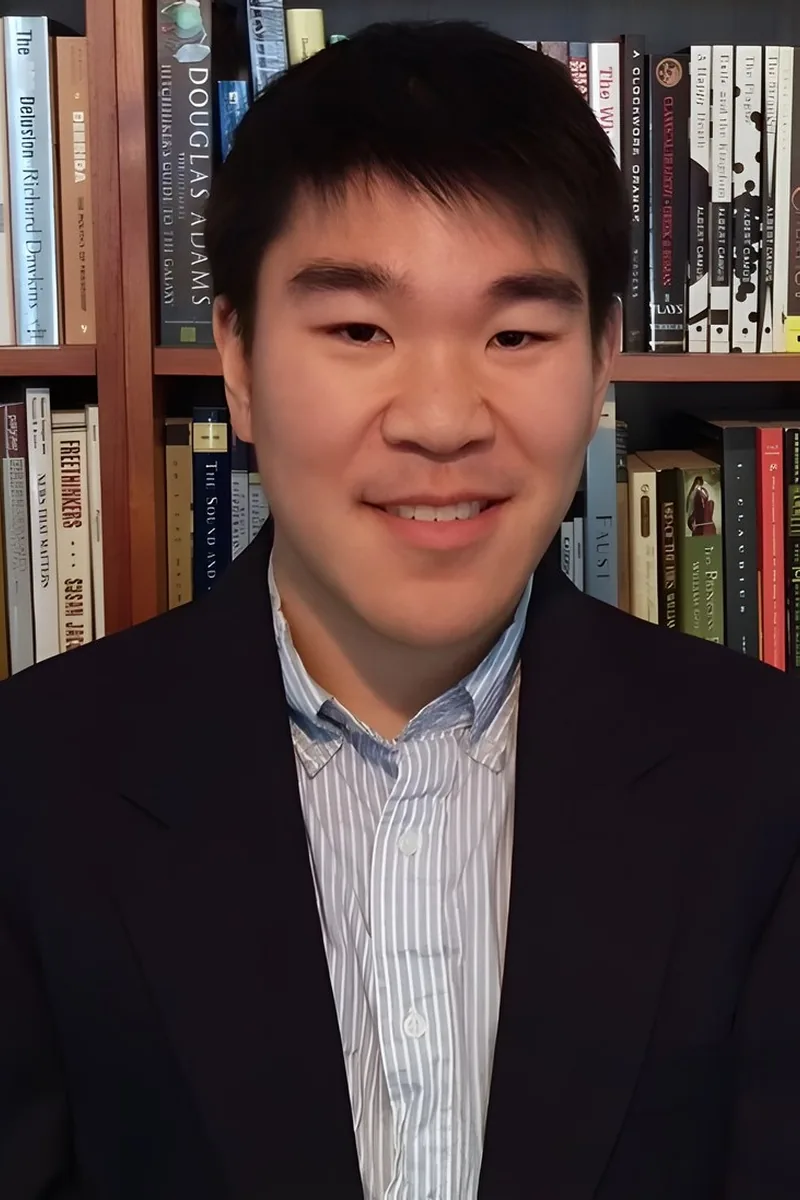
Chemistry clicks when students see the logic underneath the formulas — why electron configurations predict reactivity, or how stoichiometry is really just bookkeeping for atoms. Dennis earned his Masters in Chemical and Physical Biology at Vanderbilt, so he teaches concepts like equilibrium, thermodynamics, and bonding from a place of deep daily familiarity rather than rote textbook review. Rated 5.0 by students.
Starting chemistry for the first time can feel like learning a new language — moles, electron configurations, Lewis structures — and Eric excels at translating that language into something intuitive. He holds a master's in chemistry and approaches introductory topics with patience and specificity, making sure students understand the 'why' behind each concept before moving to the next one.
When electron configurations and periodic trends start piling up alongside acid-base equilibria and redox reactions, high school chemistry can feel like two different courses crammed into one. Caroline tackles both sides — the conceptual and the computational — using her engineering mindset to show students how dimensional analysis and logical problem setup make even the trickiest stoichiometry problems approachable.
Czarina is a biophysics and premed student at Johns Hopkins who scored 770 on the SAT Chemistry subject test — meaning she's recently navigated the exact material high school chemistry students are working through, from periodic trends and bonding to thermodynamics and reaction kinetics. She zeroes in on the conceptual logic behind gas law calculations and equilibrium expressions so that problem-solving feels intuitive rather than formulaic. Rated 5.0 by her students.
Balancing redox reactions, predicting molecular geometry, and navigating stoichiometry all require a different kind of thinking than most students have used before. Lauren minors in chemistry at Duke and uses that depth to explain *why* electron configurations drive periodic trends or *why* a reaction favors products — not just how to get the right answer on a worksheet. She's rated 4.8 across her subjects.
Three science bachelor's degrees plus a medical doctorate means Sydny has taken chemistry at every level — from introductory courses through the biochemistry and pharmacology that med school demands daily. She unpacks topics like stoichiometry and gas laws by connecting them to the biological and medical contexts where those calculations actually do something, which tends to make the abstract feel worth learning.
Stoichiometry, equilibrium, and thermodynamics tend to click faster when a student can see how the math actually maps onto what's happening at the molecular level. Ellie's pre-med and engineering background means she teaches these concepts with an eye toward why the numbers behave the way they do, not just how to balance the equation.
Working at UPenn's Tutoring Center, Brittany spent semesters teaching General Chemistry I and II to both undergraduate and graduate students — so she's diagnosed the exact points where topics like stoichiometry, gas laws, and chemical equilibrium tend to fall apart for learners at different levels. That hands-on repetition with real students means she can spot whether a high schooler's confusion stems from the math, the conceptual model, or just shaky notation, and adjust accordingly.
Serving as an undergraduate teaching assistant for introductory biochemistry at Cornell gave Josef a clear picture of where students first lose the thread in chemistry — usually right around stoichiometry and the mole concept, when the math suddenly feels disconnected from what's happening at the molecular level. He bridges that gap by tying quantitative problems back to the reaction logic, so balancing equations and calculating yields feel like extensions of chemical reasoning rather than standalone arithmetic exercises. Holds a 5.0 rating.
Stoichiometry, equilibrium, and acid-base reactions make more sense when a student can see where they lead. Bidyut ties high school chemistry concepts to biomedical applications he's encountered at Johns Hopkins, turning mole calculations and reaction balancing into something more tangible than textbook exercises.
The jump from memorizing the periodic table to actually using it — predicting reactivity, drawing Lewis structures, calculating molar masses — is where high school chemistry gets real. Jessica's pre-med coursework at Brown covers general and organic chemistry, and she applies that depth when teaching topics like acid-base equilibria and gas laws. Her 5.0 rating speaks to how well that approach lands with students.
Balancing equations, mole conversions, and gas law calculations all come down to organized quantitative reasoning — exactly the skill set Sanjana sharpens as an applied math student at Harvard. She connects the math behind chemistry to the conceptual "why," so topics like limiting reagents and solution dilutions start making sense instead of feeling like arbitrary formulas.
Testimonials
Because the right High School Chemistry tutor makes all the difference.
Average Session Rating – Based on 3.4M Learner Ratings
Nearby High School Chemistry Tutors
Other Fayetteville Tutors
Related Science Tutors in Fayetteville
Frequently Asked Questions
Varsity Tutors matches Fayetteville students with expert High School Chemistry tutors for 1-on-1 instruction. We pair each student with a tutor based on their specific needs, learning style, and goals.
Whether you need homework help, exam prep, or want to get ahead, our High School Chemistry tutors are ready to help.
Common challenges include gaps from earlier material, difficulty with specific concepts, and trouble applying learning to new problems. These issues can snowball quickly in High School Chemistry.
A tutor identifies where you're stuck, fills in gaps, and provides targeted practice. The 1-on-1 format means you get help exactly where you need it.
Tutors work with your student's actual coursework—homework assignments, class notes, and upcoming tests. This keeps tutoring directly relevant to what's happening in the classroom.
When you share information about your student's school and curriculum, we can match you with a tutor who has relevant experience.
All tutors complete background checks, credential verification, and teaching evaluation. Many of our High School Chemistry tutors hold advanced degrees or have years of teaching experience.
You can review tutor profiles to find someone with the right background for your student's level and needs.
Many students see improved grades within a few weeks, along with better understanding of High School Chemistry concepts and more confidence tackling challenging material.
Tutors track progress and adjust their approach to ensure continued improvement.
Most students benefit from 1-2 sessions per week. More frequent sessions help if your student is significantly behind or has an important exam coming up.
Your tutor can recommend a schedule based on your student's specific situation and goals.
Tutoring is purchased in packages of hours, with rates varying by tutor experience. Varsity Tutors offers several options to fit different budgets and needs.
You can discuss pricing during your consultation to find what works best.
Your tutor will assess where your student is, discuss goals, and start working on priority areas. Most students bring current homework or upcoming test material to focus on.
By the end, you'll have a clear sense of how the tutor can help and a plan for moving forward.
Let’s find your perfect tutor
Answer a few quick questions. We’ll recommend the right plan and match you with a top 5% tutor.