Award-Winning AP Calculus BC Tutors
serving Fayetteville, AR
AP Calculus BC
Tutors in Fayetteville
Private 1-on-1 tutoring, weekly live classes for academic support, test prep & enrichment, practice tests and diagnostics, and more to elevate grades and test scores.
Based on 3.4M Learner Ratings
UniversitiesSchools & Universities
DeliveredHours Delivered
ProficiencyGrowth in Proficiency
Who needs tutoring?
No obligation. Takes ~1 minute.
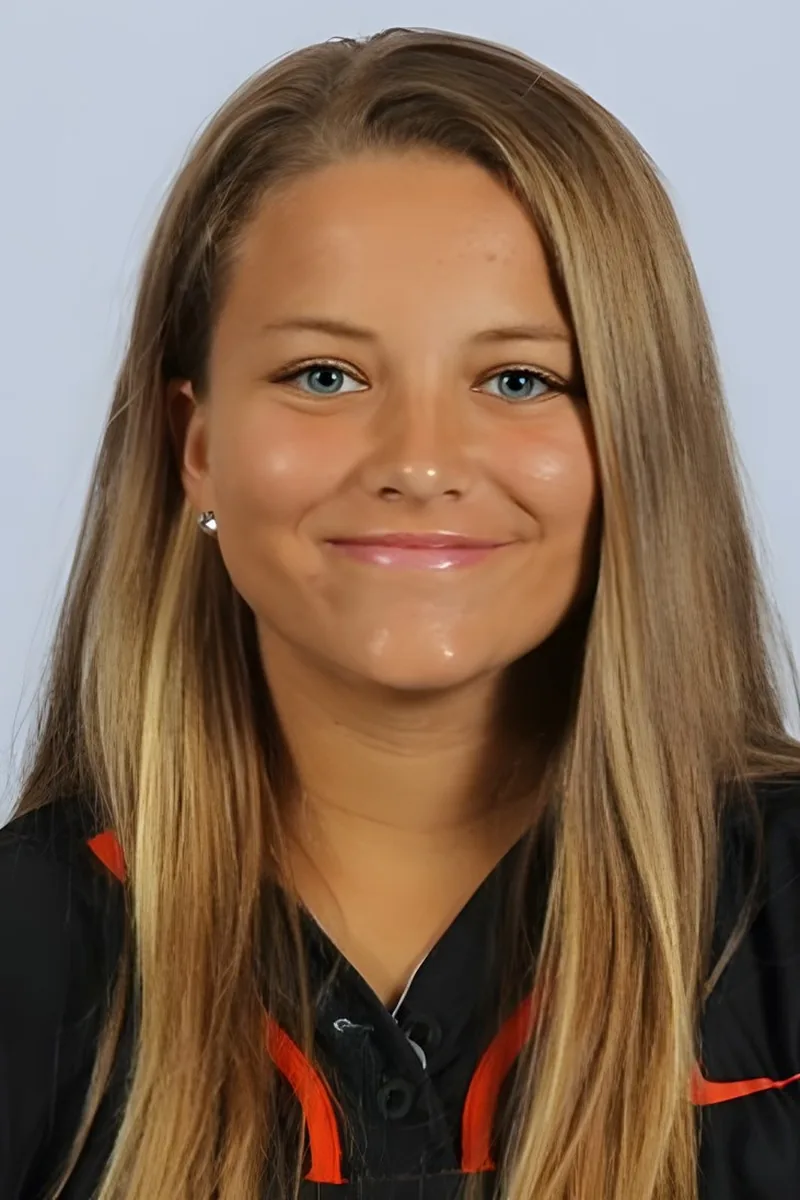
Princeton's public policy program is surprisingly calculus-heavy — Gianna's coursework in economic modeling and quantitative analysis means she's applied integration techniques and series approximations to real policy questions, not just problem sets. She's especially sharp at walking through the logic of convergence tests and parametric curves, connecting each BC topic back to the AB reasoning that makes it click.

Studying both mathematics and computer science at Rice, William is taking the courses that treat BC topics like series convergence and parametric integration as foundational tools rather than standalone exam material. His 1540 SAT reflects the kind of precise, structured reasoning he brings to breaking down the jump from AB to BC — especially when Taylor polynomial construction or convergence tests start feeling like they came out of nowhere.
Penn's economics program leans heavily on calculus-driven modeling, and Mandy is working through that curriculum right now — which means BC topics like series approximations and integration techniques show up in her coursework as tools for analyzing economic behavior, not just abstract exercises. She's especially clear at walking through the logic of convergence tests and connecting new BC material back to the AB foundations underneath it. Holds a 5.0 rating.
Most people who breeze through math can't explain it — Daniel learned BC Calculus by grinding through the logic of every convergence test, every parametric derivative, every series expansion until it genuinely made sense, and that's exactly how he teaches it. As an applied mathematics undergrad, he's currently using these tools in upper-level coursework, so he knows which BC concepts tend to feel arbitrary and how to make the reasoning behind them stick.
BC Calculus throws students into deep water fast — Taylor and Maclaurin series, parametric equations, and convergence tests all pile up in a single semester. Rahi's applied mathematics engineering background means he can unpack these topics by connecting them to the real-world modeling problems they were designed to solve. He builds each concept from its AB foundation so students see how the BC extensions actually work.
Tackling series convergence tests, parametric equations, and polar curves requires more than memorizing formulas — it demands knowing when and why each technique applies. Talia approaches BC-specific topics by building intuition around each concept before drilling the mechanics, so students can handle the free-response questions that reward deep understanding over rote calculation.
A year as a course assistant in Harvard's math department teaching introductory calculus gave Richard a close-up view of exactly where students' AB foundations crack under the weight of BC material — particularly when series convergence and parametric functions demand a more flexible kind of reasoning. He breaks down topics like interval of convergence arguments and integration techniques by rebuilding the underlying logic rather than layering on new formulas. His perfect 1600 SAT and 36 ACT suggest the kind of precision he brings to each explanation.
Having TA'd Calculus I and II at Rice while pursuing a graduate degree in computational and applied mathematics, Sakibul knows exactly where the AB-to-BC transition trips students up — particularly when series convergence and parametric differentiation demand a sharper kind of reasoning than anything before. He breaks down topics like interval of convergence arguments and integration techniques by rebuilding the logic from scratch rather than handing over shortcuts. His applied math background means he treats Taylor approximations and error bounds as precision tools, not abstract busywork.
Series convergence, parametric equations, and polar curves make BC the course where strong calculus students finally have to slow down and think carefully. Anthony earned his BS in physics and math from Yale, where these concepts weren't just exercises — they were the language of electromagnetism and classical mechanics. He teaches BC topics by connecting each technique to why it exists and when it matters.
Series convergence tests, parametric equations, polar curves — BC Calculus piles on topics fast, and falling behind on even one unit can snowball. JF scored a perfect 1600 SAT and is studying mathematical and computational science at Stanford, where the calculus concepts from BC are the everyday language of coursework. That recent fluency means explanations stay intuitive rather than overly formal.
Molecular biology at Yale means Maxwell lives in calculus-heavy territory — modeling gene expression rates, quantifying cell growth curves, analyzing reaction kinetics — so BC topics like differential equations and series approximations aren't abstract exercises for him but tools he actually reaches for in research. He's especially good at walking through the logic of integration techniques and parametric problems by grounding them in the AB concepts students already trust. Holds a 5.0 rating.
Scoring a perfect 1600 on the SAT while studying computer science at MIT suggests Brice isn't just comfortable with calculus — he's fluent in it, and BC's extension into series, parametric equations, and advanced integration techniques sits squarely in his daily coursework. He breaks down topics like convergence tests by tracing each one back to the limit reasoning students already built in AB, turning what feels like a grab bag of rules into a coherent decision-making process. Rated 4.9 by students.
Testimonials
Because the right AP Calculus BC tutor makes all the difference.
Average Session Rating – Based on 3.4M Learner Ratings
Practice AP Calculus BC
Free practice tests, flashcards, and AI tutoring for AP Calculus BC
Nearby AP Calculus BC Tutors
Other Fayetteville Tutors
Related Math Tutors in Fayetteville
Frequently Asked Questions
Varsity Tutors matches Fayetteville students with expert AP Calculus BC tutors for 1-on-1 instruction. We pair each student with a tutor based on their specific needs, learning style, and goals.
Whether you need homework help, exam prep, or want to get ahead, our AP Calculus BC tutors are ready to help.
Common challenges include gaps from earlier material, difficulty with specific concepts, and trouble applying learning to new problems. These issues can snowball quickly in AP Calculus BC.
A tutor identifies where you're stuck, fills in gaps, and provides targeted practice. The 1-on-1 format means you get help exactly where you need it.
Tutors work with your student's actual coursework—homework assignments, class notes, and upcoming tests. This keeps tutoring directly relevant to what's happening in the classroom.
When you share information about your student's school and curriculum, we can match you with a tutor who has relevant experience.
All tutors complete background checks, credential verification, and teaching evaluation. Many of our AP Calculus BC tutors hold advanced degrees or have years of teaching experience.
You can review tutor profiles to find someone with the right background for your student's level and needs.
Many students see improved grades within a few weeks, along with better understanding of AP Calculus BC concepts and more confidence tackling challenging material.
Tutors track progress and adjust their approach to ensure continued improvement.
Most students benefit from 1-2 sessions per week. More frequent sessions help if your student is significantly behind or has an important exam coming up.
Your tutor can recommend a schedule based on your student's specific situation and goals.
Tutoring is purchased in packages of hours, with rates varying by tutor experience. Varsity Tutors offers several options to fit different budgets and needs.
You can discuss pricing during your consultation to find what works best.
Your tutor will assess where your student is, discuss goals, and start working on priority areas. Most students bring current homework or upcoming test material to focus on.
By the end, you'll have a clear sense of how the tutor can help and a plan for moving forward.
Let’s find your perfect tutor
Answer a few quick questions. We’ll recommend the right plan and match you with a top 5% tutor.