Award-Winning Writing Tutors
serving Gilbert, AZ
Writing
Tutors in Gilbert
Private 1-on-1 tutoring, weekly live classes for academic support, test prep & enrichment, practice tests and diagnostics, and more to elevate grades and test scores.
Based on 3.4M Learner Ratings
UniversitiesSchools & Universities
DeliveredHours Delivered
ProficiencyGrowth in Proficiency
Who needs tutoring?
No obligation. Takes ~1 minute.
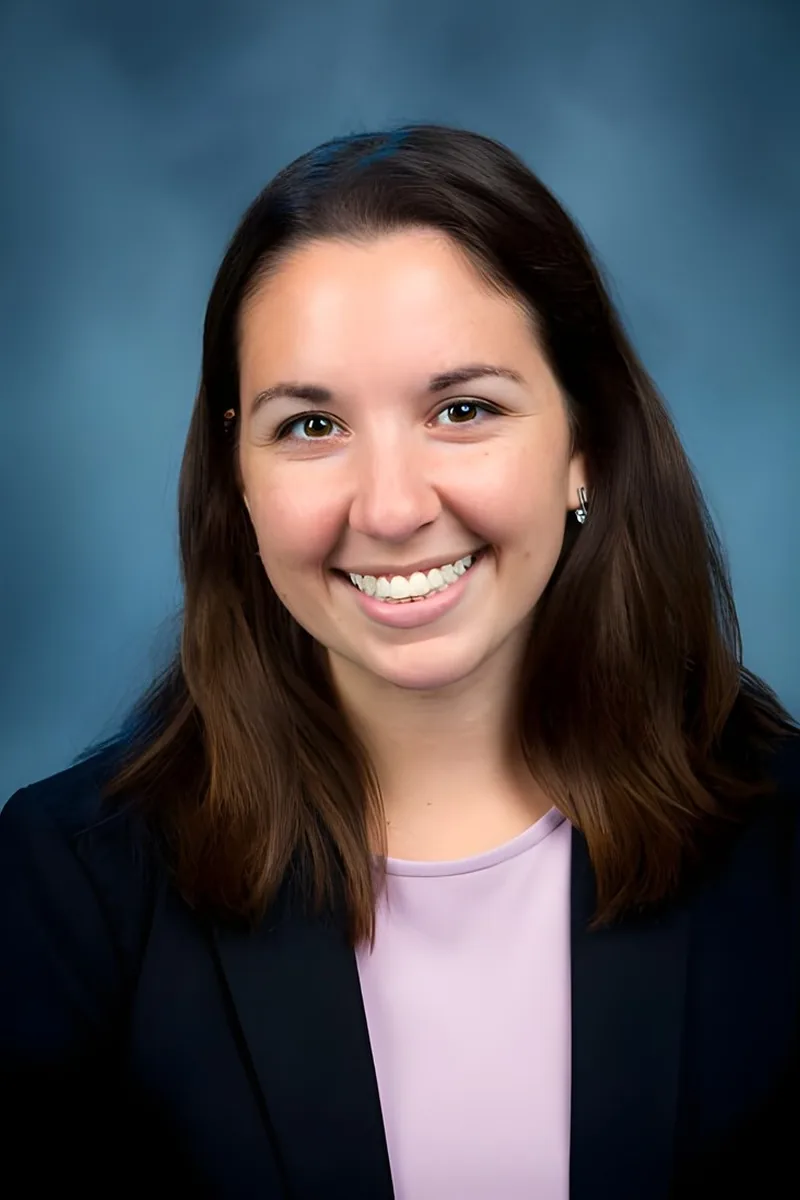
Clear writing starts with clear thinking, and Bridget approaches drafting as an organizational problem before a stylistic one. She walks students through outlining claims, selecting evidence, and writing topic sentences that do real work — skills that transfer across every class that assigns papers.

Between dual humanities majors, two research assistant roles, and a nomination as an Honors Teaching Assistant, Ben writes constantly — and across genres, from analytical papers to creative projects. He breaks the writing process into manageable stages: generating ideas, building an outline with a real thesis, drafting without perfectionism, then revising with purpose. Students come away with a repeatable process, not just a finished assignment.
Getting ideas out of your head and onto the page in an organized, compelling way is a skill that can be taught — it just takes the right process. Audrey breaks writing into stages: brainstorming, outlining, drafting, and revising, so students stop staring at a blank screen and start building essays with clear structure and strong evidence. She's rated 5.0 across her subjects.
I am a graduate student currently working on my Master's Degree in Big Data Systems.
I am a graduate of Brigham Young University. I received my Bachelor of Science in Mathematics and Mathematics Education. Since graduating, I have tutored students privately amidst my growing family. My students ranged from fifth grade through high school. I love math. I'm a visual person so I love geometry for that reason. I love being able to draw a picture to help my students understand the concept we're working on. I am passionate about problem solving. I think it's amazing what you can discover with calculus, so I love helping students be a part of that discovery. I like to guide my students to the correct answer following their line of thinking. There are different ways to get to the same answer so I like to help them find the way that makes sense to them so they will understand and remember the principle. Aside from math, I love baking new desserts each week, running around with my kids, crafting anything, playing my violin and piano, and watching movies.
"Finding the right words for thoughts" is how Galen describes what years of studying philosophy and English taught him, and it's the core of what he brings to writing instruction. Whether a student is building a persuasive argument or a personal narrative, he digs into sentence-level clarity — showing how word choice and syntax shape whether a reader actually follows your thinking.
Scientific writing — lab reports, research summaries, grant proposals — demands a kind of precision that translates surprisingly well to academic essays and personal narratives. Courtney's graduate research in aquatic ecology trained her to build airtight arguments from data, cut unnecessary words, and structure complex ideas so a reader follows without getting lost. She brings that same discipline to every writing assignment, from five-paragraph essays to college-level research papers.
Strong writing is really clear thinking made visible, which is why Linda's philosophy background shapes everything about how she teaches the craft. Whether the assignment is a personal narrative, a research paper, or a rhetorical analysis, she zeroes in on the gap between what a student means to argue and what their draft actually says. From there, she tackles organization, evidence, and voice — in that order.
Good writing isn't about following a formula — it's about learning to shape an argument, choose precise language, and revise with purpose. Michelle treats every draft as a conversation, walking through thesis development, paragraph structure, and word-level editing so students actually internalize the process. Rated 5.0 by students, she brings a writer's eye honed across multiple humanities degrees.
At Yale, Annelisa wrote across disciplines — art criticism, political journalism, scientific analysis — which taught her that strong writing adapts its voice and structure to its purpose. She tackles the specific challenge a student is facing, whether that's organizing a five-paragraph essay, developing a thesis with real argumentative teeth, or learning to cut filler and write with precision. Her interdisciplinary background makes her especially useful for students who need to write well outside their comfort zone.
Balancing a cellular and molecular biology major at Yale with a deep love of English means Alice writes constantly across both disciplines — lab reports that demand precision and literary analysis that rewards nuance. She teaches students how to sharpen a thesis and structure supporting paragraphs so each one does real work, whether the assignment is a personal narrative or an argumentative essay. Her 36 ACT composite speaks to the kind of clear, purposeful communication she brings to every draft.
Strong writing starts with a clear claim and a plan for how to prove it, but most students jump straight to drafting without either. Jake breaks the writing process into concrete steps — outlining an argument, selecting evidence, crafting topic sentences that do real work — so that five-paragraph essays and research papers alike come together faster and hit harder.
Constructing a persuasive argument on paper is something Rachelle has done thousands of times — first as a Summa Cum Laude philosophy student dissecting ethical frameworks, then as a law school candidate crafting personal statements under intense scrutiny. She teaches students to build essays from a clear thesis outward, connecting evidence to claims in ways that hold up to critical reading.
Between a law degree and a career building a tech company, John has written across genres that demand precision: legal briefs, persuasive pitches, analytical reports. He teaches students to outline with purpose, construct arguments that hold up under scrutiny, and revise with an editor's ruthlessness — skills that transfer from a five-paragraph essay to a research paper.
Straddling engineering and anthropology in college forced Alex to write in two very different registers: precise technical prose and nuanced analytical argumentation. That range makes him effective whether a student is working on a five-paragraph essay, a research paper, or a persuasive piece — he teaches writers to match their structure and voice to their audience and purpose.
Three years of teaching at a Kumon Reading Center gave Megan a sharp eye for how sentences build into paragraphs and how paragraphs build into arguments. She breaks down the writing process — thesis development, evidence integration, transitions — into concrete steps that make even intimidating essays feel manageable. Her own love of writing and reading keeps her feedback grounded in what makes prose actually compelling.
I am a graduate student at Arizona State University studying Human and Social Dimensions of Science and Technology, and am passionate about the value of education at all levels. Previously I worked at the US Department of Energy on energy technology in Washington, DC. I have enjoyed setting up roots in Phoenix over the past few years, and am excited about sharing my knowledge and passion for learning with others in the area.I have a knack for explaining complicated ideas to people in simple terms, enjoy deepening people's understandings of issues, and value education highly. All of these characteristics make me an ideal tutor for Varsity Tutors, and I look forward to the opportunity to share my academic experiences and skills with tutees. In addition, I can give an expert's perspective on a wide range of topics including political science, public policy, various topics in science and technology, as well as an academic success-oriented mindset.
I am Arizona born and raised, my education includes an NYC law school degree with an undergraduate BS degree from University of Miami. In college I majored in Health Sciences with minors in Psychology and Public Health while in law school I leaned into corporate law and finance. Between law school and college I've pretty much covered every topic under the sun! In my spare time, I enjoy reading (especially mystery novels), pretending I'm a chef, and meditating.
Strong academic writing is really an argument built one paragraph at a time, and Robert's experience producing research papers has made him sharp at constructing clear claims supported by evidence. He teaches students to outline before they draft, use topic sentences that do real work, and revise ruthlessly — skills that transfer from a five-paragraph essay to a twenty-page thesis.
Getting ideas out of your head and onto the page in a way that makes sense to a reader is its own skill, separate from knowing the material. Thara breaks the writing process into concrete steps — brainstorming, outlining, drafting, revising — so students stop staring at blank screens and start producing work they're genuinely proud of.
Getting an idea out of your head and onto the page in a way that actually lands is harder than most people admit. Steven teaches the mechanics behind that process — outlining strategies, sentence-level revision, voice development — drawing on his Creative Writing degree and years of tutoring writers from elementary school through college. Rated 4.5 by students.
Between a psychology degree that demanded rigorous research writing and an MFA that required creative storytelling, Jacob has lived on both sides of the writing spectrum. He teaches students to build arguments with clear evidence and structure while also developing a voice that keeps readers engaged — whether the assignment is a persuasive essay, a personal narrative, or a lab report.
Strong writing starts with having something specific to say, not with a five-paragraph formula. Amanda teaches students to build arguments from concrete evidence and then revise ruthlessly — cutting filler, sharpening transitions, making every sentence earn its place. Her experience spans scientific research papers and humanities essays, so she adapts her coaching to whatever genre a student is tackling.
I am here because I thoroughly enjoy working with students and watching them succeed in their academic studies. As a Mathematics major at the University of Arizona (currently a junior), I have extensive experience teaching and tutoring: I have been a teacher's assistant for a Calculus II section at my university and have spent a great deal of time assisting students with non-math related subjects as well such as English and essay-writing, time management and study skills techniques, and standardized test prep (SAT).
Between a history degree, an economics degree, and a law degree, Andrew has written millions of words under demanding academic standards — analytical essays, research papers, legal briefs, and persuasive arguments. He teaches writing as a process of building a clear claim and supporting it with evidence, breaking down outlining, paragraph structure, and transitions into concrete steps. Rated 4.9 by students, he's especially effective at turning reluctant writers into organized, confident ones.
Between her TA role in a Socratic-seminar writing course and years of presenting complex physics research to non-specialist audiences, Madeleine has an unusual range when it comes to teaching writing — she's equally comfortable unpacking a five-paragraph essay structure and coaching someone through a technical report. She zeroes in on the mechanics that trip students up most, whether that's building a coherent thesis statement, integrating evidence, or tightening wordy paragraphs. Rated 5.0 by students.
Strong writing comes down to organizing ideas before touching the keyboard, and Steven treats outlining and argument structure as skills worth practicing on their own. His graduate work across two master's programs required constant written communication, so he brings real experience with everything from persuasive essays to research-heavy reports. Rated 4.8 by students.
Blank-page paralysis is real, and Rebia tackles it by teaching students to start with a messy outline rather than a perfect first sentence. From there, she walks through how to develop a thesis, build paragraphs around concrete evidence, and revise for clarity and voice. An avid writer herself, she brings genuine enthusiasm to every stage of the drafting process.
Before he became an educator, Chris wrote technical documentation for NASA missions and later pivoted into creative and academic writing. That range means he can teach a five-paragraph essay with the same precision he brings to a personal narrative or research paper. He digs into thesis construction, paragraph transitions, and how to revise a rough draft into something a student is genuinely proud of.
Good writing starts with having something specific to say and knowing how to structure it — two skills that don't come naturally to most students. Lindsey tackles the planning stage first, teaching students to build outlines that give their arguments a clear arc before they write a single draft sentence. Her own writing experience spans scientific research papers and personal narratives for medical school applications, so she adapts her approach to whatever genre a student needs.
Clear writing starts with knowing how to structure an argument — thesis, evidence, analysis — before worrying about style. Mehek breaks down the revision process so students learn to spot weak transitions, vague claims, and unsupported points in their own drafts. Her computer science background also makes her especially effective at teaching logical organization.
Before a single word hits the page, Tracey has students talk through what they're really trying to say — a step most young writers skip. From there she teaches outlining, drafting, and revising as distinct phases, whether the assignment is a personal narrative, a research paper, or a timed persuasive essay. Her 5.0 rating speaks to how well that process clicks.
Strong writing starts with a clear argument, not a clever opening line. Lindsay teaches students to outline before they draft, build paragraphs around single claims supported by specific evidence, and revise with an eye toward cutting filler. Her science background makes her especially sharp at teaching logical structure and precise language.
Getting ideas out of your head and onto the page in an organized, compelling way is a learnable skill, not a talent you either have or don't. Jessica tackles writing from the ground up — brainstorming strategies, outline construction, paragraph cohesion, and revision techniques that sharpen voice and clarity. Her elementary education background means she's trained to meet a wide range of writing levels without making anyone feel behind.
Good writing is really rewriting — and Wallace treats every draft as raw material to be shaped, not a finished product to be polished. His philosophy training at Williams College sharpened his ability to construct clear arguments, and he walks students through the full process from brainstorming and outlining to crafting thesis-driven paragraphs with concrete evidence.
Between political science research papers, study-abroad reflections, and her own creative interests, Sarah writes constantly and across genres. She breaks the writing process into manageable stages — brainstorming, outlining, drafting, revising — so students learn to build an argument or narrative from scratch rather than staring at a blank page.
Spencer treats writing as a transferable skill with specific, learnable moves: crafting a thesis that makes a genuine claim, organizing evidence so it builds momentum, and revising with a reader's eye. His coursework and professional experience span political science, business, and the humanities, so he's comfortable coaching students through argumentative essays, research papers, and creative pieces alike. That range lets him adapt his feedback to whatever genre a student is tackling.
Every writing assignment is really two tasks: figuring out what you think, then organizing it so a reader can follow. Jared tackles both, spending time on thesis development and outlining before a single full draft gets written. His training in Romance Languages sharpened his attention to word choice and register, skills he now applies to everything from argumentative essays to creative pieces.
Strong writing starts with having something specific to say, not with a five-paragraph template. Ally teaches students to develop a clear claim first, then build paragraphs that each do real work supporting it. Her background in both music education and creative arts means she brings structure and voice together — two things student writers often struggle to balance.
Years of academic publishing taught Cameron that strong writing isn't about flowery language — it's about structure, specificity, and knowing your audience. He breaks down the drafting process into concrete steps: building an outline from a central claim, selecting evidence that actually supports it, and revising for voice and coherence. His background as both a scientist and an avid writer gives him range across analytical and creative assignments.
Testimonials
Because the right Writing tutor makes all the difference.
Average Session Rating – Based on 3.4M Learner Ratings
Other Gilbert Tutors
Related English Tutors in Gilbert
Frequently Asked Questions
Varsity Tutors matches Gilbert students with expert Writing tutors for 1-on-1 instruction. We pair each student with a tutor based on their specific needs, learning style, and goals.
Whether you need homework help, exam prep, or want to get ahead, our Writing tutors are ready to help.
Common challenges include gaps from earlier material, difficulty with specific concepts, and trouble applying learning to new problems. These issues can snowball quickly in Writing.
A tutor identifies where you're stuck, fills in gaps, and provides targeted practice. The 1-on-1 format means you get help exactly where you need it.
Tutors work with your student's actual coursework—homework assignments, class notes, and upcoming tests. This keeps tutoring directly relevant to what's happening in the classroom.
When you share information about your student's school and curriculum, we can match you with a tutor who has relevant experience.
All tutors complete background checks, credential verification, and teaching evaluation. Many of our Writing tutors hold advanced degrees or have years of teaching experience.
You can review tutor profiles to find someone with the right background for your student's level and needs.
Many students see improved grades within a few weeks, along with better understanding of Writing concepts and more confidence tackling challenging material.
Tutors track progress and adjust their approach to ensure continued improvement.
Most students benefit from 1-2 sessions per week. More frequent sessions help if your student is significantly behind or has an important exam coming up.
Your tutor can recommend a schedule based on your student's specific situation and goals.
Tutoring is purchased in packages of hours, with rates varying by tutor experience. Varsity Tutors offers several options to fit different budgets and needs.
You can discuss pricing during your consultation to find what works best.
Your tutor will assess where your student is, discuss goals, and start working on priority areas. Most students bring current homework or upcoming test material to focus on.
By the end, you'll have a clear sense of how the tutor can help and a plan for moving forward.
Let’s find your perfect tutor
Answer a few quick questions. We’ll recommend the right plan and match you with a top 5% tutor.