Award-Winning Study Skills Tutors
serving Gilbert, AZ
Study Skills
Tutors in Gilbert
Private 1-on-1 tutoring, weekly live classes for academic support, test prep & enrichment, practice tests and diagnostics, and more to elevate grades and test scores.
Based on 3.4M Learner Ratings
UniversitiesSchools & Universities
DeliveredHours Delivered
ProficiencyGrowth in Proficiency
Who needs tutoring?
No obligation. Takes ~1 minute.
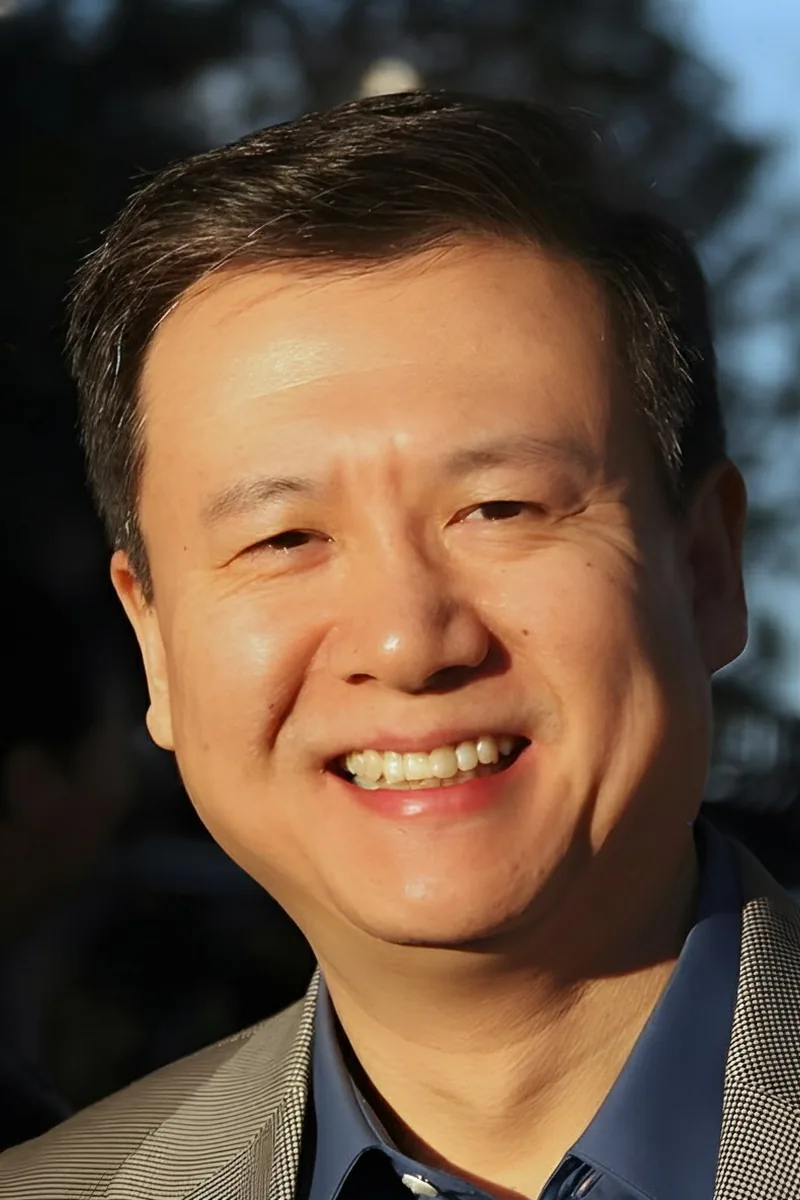
Over 25 years of training professionals and managing teams taught Tim something most tutors learn the hard way: knowing material and knowing how to learn it are completely different skills. He teaches concrete techniques — spaced retrieval, active problem sets, structured note-taking — and shows students how to diagnose where their study process is actually breaking down rather than just logging more hours.
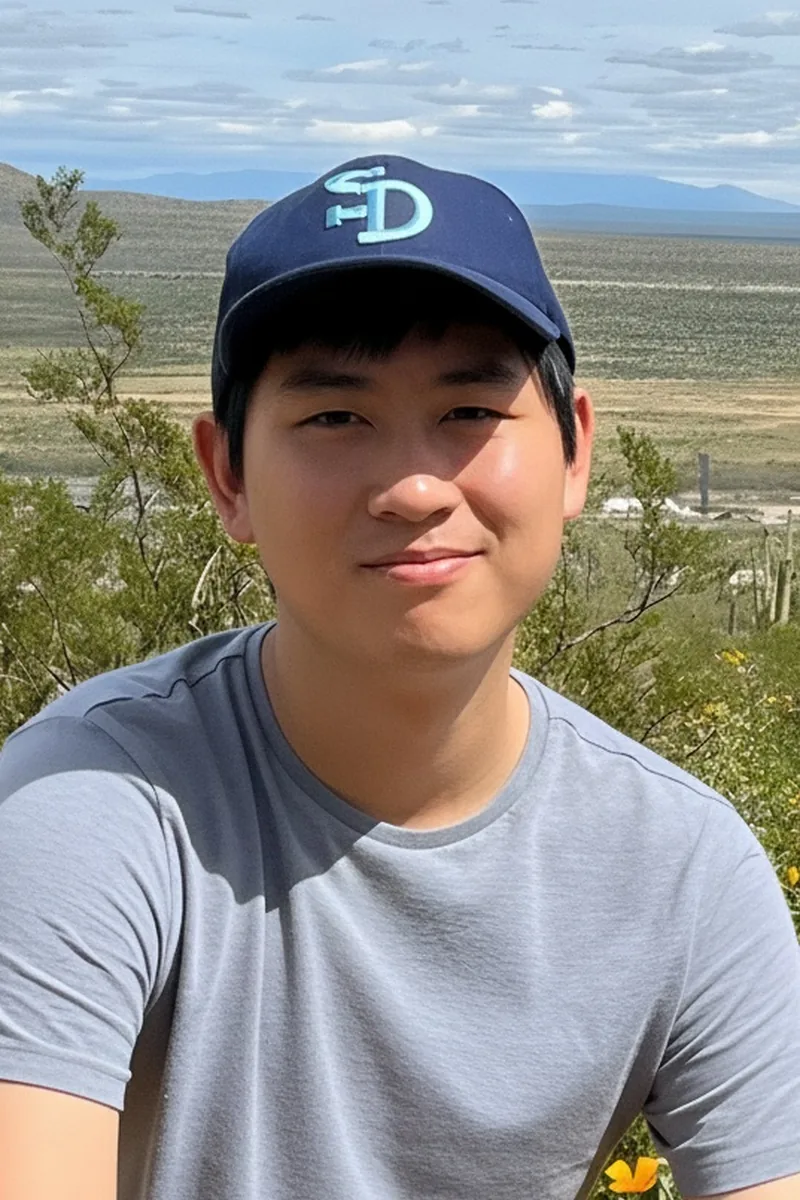
I am a graduate student currently working on my Master's Degree in Big Data Systems.
Knowing the material and knowing how to study it are completely different problems. Bridget tackles the second one by teaching concrete systems — spaced repetition schedules, active recall techniques, and a method for breaking large assignments into daily task lists. As a current teacher pursuing her master's at Notre Dame, she models the same organizational habits she teaches.
Knowing the material and knowing how to study it are completely different things. Chelsea teaches concrete techniques — how to break a chapter into manageable chunks, how to self-test instead of passively rereading, and how to plan a study schedule that doesn't end in a last-minute cram session. Her years of tutoring students from fifth grade through high school mean she's seen what actually sticks across age groups and learning styles.
Strong study skills aren't about spending more hours — they're about knowing how to prioritize, take usable notes, and review strategically before a test. Ben earned valedictorian honors in high school and Dean's List every semester in college, and he's open about the specific systems he uses: spaced repetition, active recall, and breaking large assignments into daily benchmarks. He also has experience working with students who have ADHD, adapting these techniques to different learning styles.
Most students who struggle academically don't lack intelligence — they lack a system. Audrey teaches concrete organizational strategies like time-blocking assignments, breaking large projects into checkpoints, and using active recall instead of passive re-reading. Her psychology coursework in learning and cognition informs every technique she recommends.
Balancing a biomedical engineering graduate program requires serious organizational strategy — spaced repetition, active recall, and priority-based scheduling are tools Dale uses daily. He breaks these techniques down into concrete, repeatable habits students can apply across every class on their schedule.
Most students don't struggle because the material is too hard — they struggle because no one taught them how to study effectively. Niabari teaches specific techniques like spaced repetition, active recall, and strategic note-taking, then shows students how to build a weekly schedule that actually holds up under pressure. Her 5.0 rating speaks to how well these methods translate into real grade improvements.
Most study skills advice boils down to 'make flashcards and manage your time,' which isn't wrong but isn't enough. Galen teaches something more fundamental — how to identify what a course is actually asking you to understand, then organize your notes and review sessions around those core ideas. It's an approach rooted in his philosophy training, where clarity of thought is the skill that makes every other skill work.
Knowing the material and actually performing well on assignments are two different problems, and the gap usually comes down to organization, time management, and active study techniques. Alexis applies a coaching philosophy — setting up structured practice routines, teaching students to break large projects into scheduled milestones, and building self-testing habits that replace passive re-reading. Her 5.0 client rating suggests students stick with the system because it works.
Graduate-level research requires ruthless organization — managing reading lists, lab schedules, and writing deadlines simultaneously. Courtney translates those same systems into practical study habits for students: time-blocking, active recall techniques, and prioritization strategies that turn overwhelming workloads into manageable routines.
Having navigated both undergraduate and graduate-level coursework across political science, writing, and standardized testing, Elizabeth knows what effective study systems actually look like in practice. She teaches concrete techniques — active recall, spaced repetition, strategic note-taking — and then tailors them to each student's course load so the habits actually stick beyond a single exam.
Juggling three bachelor's degrees taught Michelle how to build real systems — color-coded scheduling, active recall techniques, and strategies for breaking a 40-page reading assignment into manageable pieces. She teaches students how to plan ahead for exams, organize notes across subjects, and actually retain what they study instead of re-reading the same page five times. Rated 5.0 by students.
Most study skills advice is generic — make flashcards, use a planner, review your notes. Linda takes a different approach, diagnosing how a student actually processes information and then building specific strategies around that, whether it's outlining techniques for heavy reading loads or methods for retaining complex material across subjects. She's especially effective with first-generation college students and working adults adjusting to the demands of higher education.
Earning both a bachelor's and a master's degree across disciplines taught Ivanna how to manage heavy reading loads, synthesize information from multiple sources, and prepare for different types of exams. She walks students through concrete techniques — active recall, spaced repetition, strategic note-taking — and tailors a system that fits how each person actually learns.
Balancing a PhD in Exploration Systems Design with nearly a decade of tutoring has forced Kristi to develop real systems — not vague advice — for managing workload, breaking large projects into steps, and retaining material across multiple subjects. She teaches students specific techniques like spaced retrieval and active reading protocols they can actually use on their own.
Juggling AP exams, SAT prep, and college essays taught Jake how to prioritize — and now he unpacks those same organizational strategies for students drowning in competing deadlines. He tackles everything from active reading techniques and spaced repetition scheduling to breaking large projects into concrete daily tasks. His 4.9 rating speaks to how well those systems translate across different subjects and learning styles.
A recent Yale graduate who balanced art, political journalism, and science coursework, Annelisa developed study systems that work across very different types of material — from memorization-heavy content to open-ended analytical work. She teaches students concrete techniques like active recall, time-blocking, and how to break large assignments into manageable steps before procrastination takes over.
Getting through a doctoral program in dentistry while mastering microbiology, chemistry, and anatomy required Daniel to build study systems that actually hold up under heavy course loads. He teaches techniques like spaced repetition scheduling, active recall drills, and how to break a dense syllabus into daily action items. Students who feel overwhelmed by volume — especially in science-heavy programs — get concrete frameworks instead of vague advice about "studying harder."
Balancing a biology major with deep English coursework at Yale forced Alice to develop study systems that actually work across very different subjects — active recall for dense scientific material, annotation strategies for literature, and time-blocking for weeks with competing deadlines. She teaches students to diagnose where their current approach breaks down and replace vague habits like "re-reading notes" with targeted techniques. Rated 36 on the ACT, she practices what she teaches.
Decades of self-directed learning — from graduate seminars at Brown to building businesses and traveling across continents — taught Diana how to break unfamiliar material into manageable steps. She walks students through concrete techniques like active recall, structured note-taking, and prioritizing tasks so they spend less time staring at textbooks and more time actually retaining information.
Graduating Summa Cum Laude while serving as a Military Police Officer in the Arizona Army National Guard required Rachelle to master time management, prioritization, and disciplined study habits under real pressure. She teaches students concrete organizational techniques — from weekly planning and active note-taking to breaking large projects into manageable steps. Her approach is practical and structured, built from experience balancing competing demands at a high level.
Earning a 36 ACT, a 1590 SAT, and a chemical engineering degree while double-majoring in anthropology doesn't happen without serious study systems. Alex breaks down the mechanics behind effective learning — active recall, spaced repetition, prioritization under heavy course loads — and tailors those strategies to each student's schedule and goals.
Running a tech startup while holding degrees in history and law forced John to build ruthlessly efficient study and information-processing habits. He teaches concrete techniques — active recall, spaced repetition scheduling, and strategic note-taking systems — that students can apply immediately across any subject. His 5.0 client rating speaks to how quickly those methods translate into results.
Getting through a heavy course load isn't just about studying harder — it's about building systems for prioritization, active recall, and spaced review. Arshia balanced a biology degree at UCLA with part-time work and extensive clinical volunteering, which forced her to develop the kind of organizational discipline she now teaches to others. She walks students through creating weekly study plans, identifying their highest-impact tasks, and actually sticking to a schedule.
Most students don't lack intelligence — they lack a system for organizing information, managing deadlines, and reviewing material before it disappears from memory. Kyle teaches concrete techniques like spaced repetition scheduling, active recall methods, and priority-based planning that he refined across two degrees and multiple subject areas.
Engineering grad school demands ruthless time management — Alex juggles problem sets, lab work, and research deadlines by breaking each week into prioritized blocks with built-in review cycles. He teaches students the same system, showing them how to build study schedules, use active recall instead of passive re-reading, and actually retain material across multiple exams. Rated 5.0 by students.
As a computer science major at Harvey Mudd College who scored a 1540 on the SAT, Megan developed study systems that actually hold up under heavy course loads — spaced repetition, active recall, and structured time-blocking rather than passive re-reading. She teaches students how to identify what type of material they're dealing with and match it to the right technique. The goal is building habits that transfer across every class, not just surviving the next test.
I am a graduate student at Arizona State University studying Human and Social Dimensions of Science and Technology, and am passionate about the value of education at all levels. Previously I worked at the US Department of Energy on energy technology in Washington, DC. I have enjoyed setting up roots in Phoenix over the past few years, and am excited about sharing my knowledge and passion for learning with others in the area.I have a knack for explaining complicated ideas to people in simple terms, enjoy deepening people's understandings of issues, and value education highly. All of these characteristics make me an ideal tutor for Varsity Tutors, and I look forward to the opportunity to share my academic experiences and skills with tutees. In addition, I can give an expert's perspective on a wide range of topics including political science, public policy, various topics in science and technology, as well as an academic success-oriented mindset.
Getting through medical school required Elise to master spaced repetition, active recall, and strategic prioritization across enormous volumes of material — skills she now teaches to students at any level. Whether it's building a weekly review schedule for a middle schooler or creating concept maps for a college student drowning in content, she tailors the system to how each learner actually retains information. Rated 4.9 by students.
I am Arizona born and raised, my education includes an NYC law school degree with an undergraduate BS degree from University of Miami. In college I majored in Health Sciences with minors in Psychology and Public Health while in law school I leaned into corporate law and finance. Between law school and college I've pretty much covered every topic under the sun! In my spare time, I enjoy reading (especially mystery novels), pretending I'm a chef, and meditating.
Knowing the material and knowing how to study it are completely different problems. Jamila tackles the organizational side — time-blocking for assignments, building active review habits like self-testing, and breaking large projects into manageable steps — so students develop a system that works across every class. Her 5.0 rating speaks to how well these strategies stick.
Surviving law school requires more than intelligence — it demands a system for managing dense reading loads, organizing notes, and retaining information under pressure. Jeff translates those same strategies into practical study routines for younger students, tailoring techniques like active recall and spaced review to each student's workload and learning style.
Surviving a rigorous honors CS program requires more than intelligence — it demands actual systems for managing workload, retaining dense material, and preparing for exams efficiently. Ken teaches specific techniques like spaced repetition, active recall, and priority-based scheduling that he uses himself at Barrett Honors College. Rated 4.8 by students.
Graduate school in psychology is essentially a crash course in managing dense reading loads, organizing research, and retaining complex material under pressure. Robert breaks down the specific techniques he uses daily — spaced retrieval, active recall, and structured note-taking systems — and tailors them to each student's coursework. The strategies are grounded in cognitive psychology research on how memory and learning actually work.
Surviving ten AP classes in high school required more than intelligence — it demanded a system. Thara breaks down the mechanics of effective studying: how to build a spaced-repetition schedule, how to take notes that actually serve you during review, and how to identify which material deserves the most attention before an exam.
Between earning a Flinn Scholarship and completing ASU's Honors College curriculum, Steven developed concrete systems for managing heavy reading loads, planning long-term projects, and preparing for exams without last-minute cramming. He breaks study skills into specific, repeatable habits — things like active annotation, spaced review, and prioritizing assignments by weight — so students leave with a toolkit they actually use.
Juggling a psychology degree and an MFA taught Jacob how to manage competing deadlines, break large projects into daily tasks, and actually retain material across very different disciplines. He teaches concrete techniques — active recall, spaced repetition, and priority mapping — that students can apply immediately, whether they're cramming for a history exam or planning a semester-long research project. Rated 5.0 by students.
An Industrial and Organizational Psychology degree is essentially a deep dive into how people perform under pressure, manage time, and retain information — which makes Luke unusually well-equipped to teach study skills. He builds personalized systems around spaced repetition, active recall, and prioritization frameworks rather than generic advice like "study more."
I am here because I thoroughly enjoy working with students and watching them succeed in their academic studies. As a Mathematics major at the University of Arizona (currently a junior), I have extensive experience teaching and tutoring: I have been a teacher's assistant for a Calculus II section at my university and have spent a great deal of time assisting students with non-math related subjects as well such as English and essay-writing, time management and study skills techniques, and standardized test prep (SAT).
Testimonials
Because the right Study Skills tutor makes all the difference.
Average Session Rating – Based on 3.4M Learner Ratings
Other Gilbert Tutors
Related Other Tutors in Gilbert
Frequently Asked Questions
Varsity Tutors matches Gilbert students with expert Study Skills tutors for 1-on-1 instruction. We pair each student with a tutor based on their specific needs, learning style, and goals.
Whether you need homework help, exam prep, or want to get ahead, our Study Skills tutors are ready to help.
Common challenges include gaps from earlier material, difficulty with specific concepts, and trouble applying learning to new problems. These issues can snowball quickly in Study Skills.
A tutor identifies where you're stuck, fills in gaps, and provides targeted practice. The 1-on-1 format means you get help exactly where you need it.
Tutors work with your student's actual coursework—homework assignments, class notes, and upcoming tests. This keeps tutoring directly relevant to what's happening in the classroom.
When you share information about your student's school and curriculum, we can match you with a tutor who has relevant experience.
All tutors complete background checks, credential verification, and teaching evaluation. Many of our Study Skills tutors hold advanced degrees or have years of teaching experience.
You can review tutor profiles to find someone with the right background for your student's level and needs.
Many students see improved grades within a few weeks, along with better understanding of Study Skills concepts and more confidence tackling challenging material.
Tutors track progress and adjust their approach to ensure continued improvement.
Most students benefit from 1-2 sessions per week. More frequent sessions help if your student is significantly behind or has an important exam coming up.
Your tutor can recommend a schedule based on your student's specific situation and goals.
Tutoring is purchased in packages of hours, with rates varying by tutor experience. Varsity Tutors offers several options to fit different budgets and needs.
You can discuss pricing during your consultation to find what works best.
Your tutor will assess where your student is, discuss goals, and start working on priority areas. Most students bring current homework or upcoming test material to focus on.
By the end, you'll have a clear sense of how the tutor can help and a plan for moving forward.
Let’s find your perfect tutor
Answer a few quick questions. We’ll recommend the right plan and match you with a top 5% tutor.