Award-Winning Study Skills Tutors
serving Phoenix, AZ
Study Skills
Tutors in Phoenix
Private 1-on-1 tutoring, weekly live classes for academic support, test prep & enrichment, practice tests and diagnostics, and more to elevate grades and test scores.
Based on 3.4M Learner Ratings
UniversitiesSchools & Universities
DeliveredHours Delivered
ProficiencyGrowth in Proficiency
Who needs tutoring?
No obligation. Takes ~1 minute.
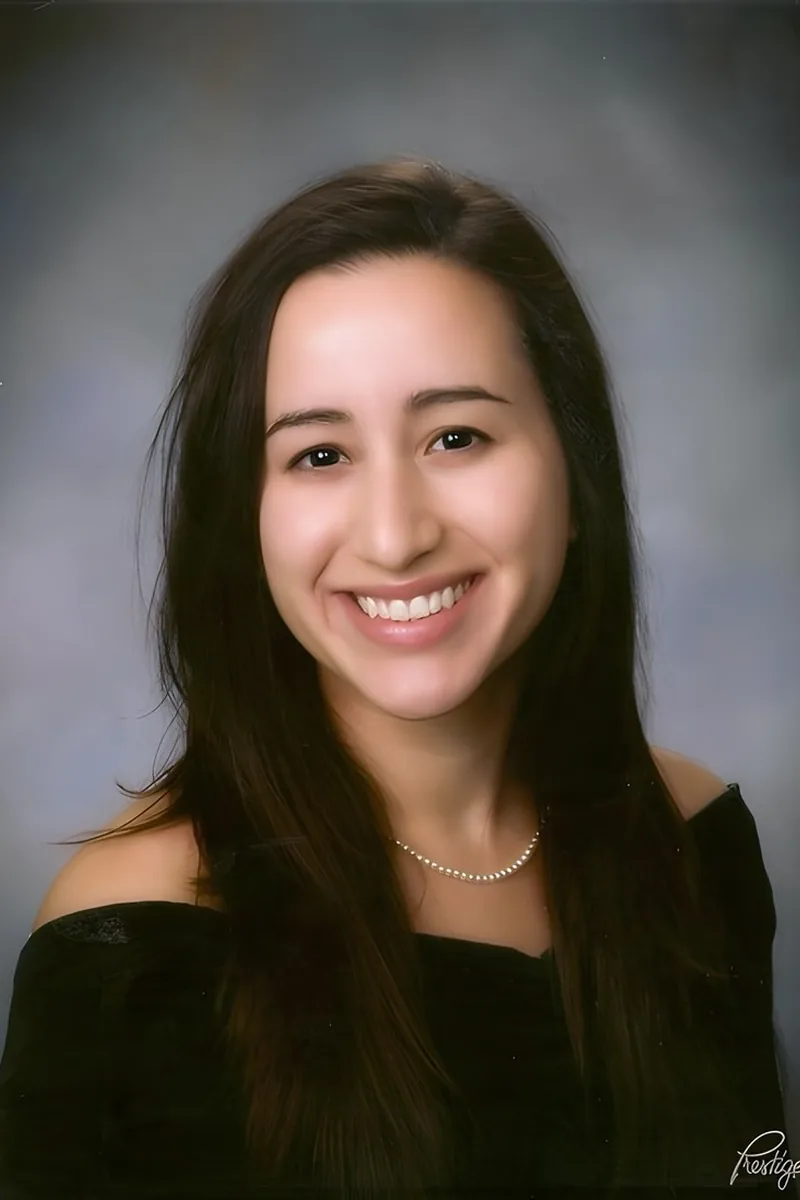
Knowing the material and actually performing well on assignments are two different problems, and the gap usually comes down to organization, time management, and active study techniques. Alexis applies a coaching philosophy — setting up structured practice routines, teaching students to break large projects into scheduled milestones, and building self-testing habits that replace passive re-reading. Her 5.0 client rating suggests students stick with the system because it works.

Having navigated both undergraduate and graduate-level coursework across political science, writing, and standardized testing, Elizabeth knows what effective study systems actually look like in practice. She teaches concrete techniques — active recall, spaced repetition, strategic note-taking — and then tailors them to each student's course load so the habits actually stick beyond a single exam.
Most study skills advice is generic — make flashcards, use a planner, review your notes. Linda takes a different approach, diagnosing how a student actually processes information and then building specific strategies around that, whether it's outlining techniques for heavy reading loads or methods for retaining complex material across subjects. She's especially effective with first-generation college students and working adults adjusting to the demands of higher education.
Balancing a PhD in Exploration Systems Design with nearly a decade of tutoring has forced Kristi to develop real systems — not vague advice — for managing workload, breaking large projects into steps, and retaining material across multiple subjects. She teaches students specific techniques like spaced retrieval and active reading protocols they can actually use on their own.
Graduating Summa Cum Laude while serving as a Military Police Officer in the Arizona Army National Guard required Rachelle to master time management, prioritization, and disciplined study habits under real pressure. She teaches students concrete organizational techniques — from weekly planning and active note-taking to breaking large projects into manageable steps. Her approach is practical and structured, built from experience balancing competing demands at a high level.
Earning a 36 ACT, a 1590 SAT, and a chemical engineering degree while double-majoring in anthropology doesn't happen without serious study systems. Alex breaks down the mechanics behind effective learning — active recall, spaced repetition, prioritization under heavy course loads — and tailors those strategies to each student's schedule and goals.
Getting through medical school required Elise to master spaced repetition, active recall, and strategic prioritization across enormous volumes of material — skills she now teaches to students at any level. Whether it's building a weekly review schedule for a middle schooler or creating concept maps for a college student drowning in content, she tailors the system to how each learner actually retains information. Rated 4.9 by students.
As a computer science major at Harvey Mudd College who scored a 1540 on the SAT, Megan developed study systems that actually hold up under heavy course loads — spaced repetition, active recall, and structured time-blocking rather than passive re-reading. She teaches students how to identify what type of material they're dealing with and match it to the right technique. The goal is building habits that transfer across every class, not just surviving the next test.
Surviving law school requires more than intelligence — it demands a system for managing dense reading loads, organizing notes, and retaining information under pressure. Jeff translates those same strategies into practical study routines for younger students, tailoring techniques like active recall and spaced review to each student's workload and learning style.
Surviving ten AP classes in high school required more than intelligence — it demanded a system. Thara breaks down the mechanics of effective studying: how to build a spaced-repetition schedule, how to take notes that actually serve you during review, and how to identify which material deserves the most attention before an exam.
As a current medical student who graduated summa cum laude with a double major, Claire has pressure-tested every study strategy out there — spaced repetition, active recall, concept mapping, and time-blocking for heavy course loads. She tailors a system to each student's schedule and learning style, then builds in accountability checkpoints so the plan actually sticks. Rated 5.0 by students.
Tucker is a devoted practitioner of the Pomodoro Technique — splitting study time into focused 25-minute blocks with short breaks — and he teaches students how to pair that structure with active recall, spaced repetition, and prioritized task lists. The result isn't just more hours studying; it's less wasted effort and fewer late-night panic sessions before exams.
Conquering organic chemistry as a pre-med student forced Sebastian to build real study systems — spaced repetition schedules, active recall techniques, and methods for breaking dense material into manageable pieces. He teaches those same strategies to students struggling with time management, note-taking, or figuring out how to actually retain what they read. His approach is practical: build a system that works for the specific course, not generic advice.
Most students don't lack intelligence — they lack a system for organizing their time, prioritizing material, and recognizing when they actually understand something versus when they've just read it twice. Shannon teaches concrete techniques like active recall, spaced review scheduling, and how to break large assignments into manageable steps. She's quick to point out progress that students can't see themselves, a perspective shift that builds the confidence needed to stick with better habits.
Balancing a demanding chemical engineering program has forced Adrian to develop real systems for managing time, prioritizing assignments, and studying efficiently — not just vague advice like "make a schedule." He teaches concrete techniques like spaced repetition, active recall, and task-batching that students can adapt to their own workload immediately.
Balancing a graduate program, coaching, choreography, and a dance company means Tracey has had to master time management and prioritization out of necessity — not theory. She teaches students concrete strategies like active recall scheduling, note organization systems, and how to break intimidating assignments into manageable daily tasks.
Earning a law degree while simultaneously teaching at public high schools forced Veronica to develop airtight study habits — time-blocking, active recall, and prioritization under pressure. She now passes those concrete strategies on to students who struggle with organization, procrastination, or figuring out how to prepare for exams without just rereading notes.
Good study skills aren't about spending more hours — they're about knowing when to use active recall versus re-reading, how to space practice sessions for long-term retention, and how to break a large project into a realistic schedule. Jared teaches these techniques explicitly, then applies them to whatever subjects a student is actually struggling with. His own breadth across math, languages, literature, and test prep means he can model effective strategies in context rather than in the abstract.
Between managing an organic farm, founding a music cooperative, and touring internationally — all after earning a philosophy degree from Williams — Wallace has had to teach himself how to learn efficiently in wildly different contexts. He translates that into concrete strategies for students: how to break large assignments into manageable steps, how to take notes that actually serve future review, and how to identify what kind of practice a subject actually requires. His approach is less about generic tips and more about building a system tailored to how each student's brain already works.
At Stevenson University, Chris helped pilot a program designed for at-risk students that targeted the specific habits — time management, active reading strategies, and self-motivation — that separate struggling students from thriving ones. His graduate work in psychology at NYU deepens that toolkit, giving him research-backed techniques for memory retention, focus, and test anxiety. He's rated 5.0 by the students he's worked with.
Getting through a PhD program in Genetics without strong study habits is simply impossible, and Cameron developed systems for managing heavy reading loads, retaining complex material, and preparing for high-stakes exams. He teaches practical techniques — spaced repetition, active recall, strategic note-taking — tailored to each student's courses and learning style. The goal is building habits that outlast any single class.
Knowing the material is only half the battle — students also need a system for organizing it, reviewing it, and retrieving it under pressure. Paul teaches concrete techniques like spaced repetition scheduling, active recall practice, and structured note-taking methods that turn passive reading into actual retention, especially for math- and science-heavy course loads.
Most students don't lack intelligence — they lack a system. Anita teaches concrete techniques like spaced repetition, active recall, and priority-based planning that turn chaotic study habits into repeatable routines. Her own path through a demanding science major at ASU gave her firsthand experience managing heavy reading loads and exam prep simultaneously.
Surviving aerospace engineering at Georgia Tech requires more than intelligence — it demands a real system for managing deadlines, prioritizing material, and knowing when to switch study strategies. Naveen breaks down the organizational habits he's built, from spaced repetition scheduling to active recall techniques, so students can apply them across every class.
Knowing the material and knowing how to study it are completely different problems. Shadman tackles the second one head-on — building personalized systems for note-taking, spaced repetition, and active recall that a student can actually maintain across multiple classes. His computer science training makes him especially good at turning chaotic workloads into structured, manageable plans.
Years of intensive Talmudic study — where students must cross-reference dozens of sources, track layered arguments, and retain dense material — gave Maurice a toolkit of study strategies most tutors never encounter. He teaches techniques like spaced retrieval, active summarization, and argument mapping that apply to any subject, from AP Statistics to biology to history.
Building real study skills means learning how to organize material before a test, take notes that actually capture key ideas, and manage time across multiple assignments — not just "studying harder." Isabel teaches concrete techniques like active recall, spaced repetition, and priority mapping, tailoring each strategy to how a student already thinks and works.
A psychology degree sharpens your understanding of how people actually learn — spacing, retrieval practice, and metacognition aren't just buzzwords to Teresa. She builds personalized systems for time management, note-taking, and exam preparation that stick because they're grounded in how memory and motivation really work. Her 4.9 rating speaks to how well those strategies translate across subjects.
Most students have never been explicitly taught how to study — they just reread notes and hope for the best. Jamison introduces concrete techniques like spaced retrieval practice, active recall, and structured planning, then customizes a system around each student's schedule, subjects, and the specific places where their current approach falls short.
Balancing a double major in Biology and History, Pooja has pressure-tested every study strategy out there — spaced repetition for science terminology, active recall for historical timelines, and structured planning to keep deadlines from piling up. She tailors each student's approach around how they actually learn, whether that means visual mapping, practice testing, or breaking large projects into daily tasks. Rated 5.0 by students.
Most students don't lack intelligence — they lack a system. Samuel tackles the organizational side of academics, teaching concrete techniques like spaced repetition, active recall, and time-blocking that turn chaotic study habits into repeatable routines that actually stick before exams.
Getting through a mechanical engineering degree required Daniel to build real systems for managing heavy course loads — scheduling study blocks, prioritizing material by difficulty, and knowing when to switch between active recall and problem sets. He walks students through those same strategies, tailoring them to each person's workload and the specific subjects giving them trouble.
Juggling a Chemical Biology program at UC Berkeley taught Yuxuan how to organize massive amounts of information — from memorizing metabolic pathways to managing lab reports alongside problem sets. She teaches concrete techniques like spaced repetition scheduling, active recall practice, and how to break a syllabus into daily study blocks that prevent last-minute cramming.
Balancing an engineering degree and an architecture program at Pitt required Emeka to develop serious systems for managing competing deadlines, dense technical reading, and long-term projects. He teaches students specific techniques — time-blocking, active recall, and priority matrices — that turn chaotic study habits into repeatable routines. His 5.0 rating speaks to how well those strategies translate across subjects.
Between a psychology degree and a law degree, Mladen figured out what actually works for retaining dense material under pressure: active recall, spaced repetition, and structured note-taking systems. He teaches students to build personalized study routines that hold up when the workload gets heavy, not just during one exam cycle.
Tackling a PhD in Classics requires managing enormous reading loads across multiple ancient languages, and Nicole has turned that experience into concrete strategies she teaches students — things like spaced repetition for vocabulary-heavy subjects, active recall techniques, and how to break a large assignment into a realistic daily schedule. Her background teaching middle schoolers at Basis.Ed also sharpened her ability to build organizational habits with younger students who are just learning how to study independently.
Most students don't struggle because the material is too hard — they struggle because no one taught them how to study effectively. Niabari teaches specific techniques like spaced repetition, active recall, and strategic note-taking, then shows students how to build a weekly schedule that actually holds up under pressure. Her 5.0 rating speaks to how well these methods translate into real grade improvements.
Most study skills advice boils down to 'make flashcards and manage your time,' which isn't wrong but isn't enough. Galen teaches something more fundamental — how to identify what a course is actually asking you to understand, then organize your notes and review sessions around those core ideas. It's an approach rooted in his philosophy training, where clarity of thought is the skill that makes every other skill work.
Graduate-level research requires ruthless organization — managing reading lists, lab schedules, and writing deadlines simultaneously. Courtney translates those same systems into practical study habits for students: time-blocking, active recall techniques, and prioritization strategies that turn overwhelming workloads into manageable routines.
Testimonials
Because the right Study Skills tutor makes all the difference.
Average Session Rating – Based on 3.4M Learner Ratings
Other Phoenix Tutors
Related Other Tutors in Phoenix
Frequently Asked Questions
Students often struggle with time management, note-taking, test preparation, and organization—skills that aren't always explicitly taught in the classroom. With an average student-teacher ratio of 17.6:1 across Phoenix schools, many students benefit from personalized guidance on these foundational skills. Common challenges include managing multiple subjects, breaking down complex material, and developing effective study routines that work for their learning style.
Classroom instruction typically covers study skills in general terms, but personalized tutoring addresses your specific challenges and learning style. A tutor can assess how you currently study, identify what's working and what isn't, and create a customized plan tailored to your courses, schedule, and goals. This one-on-one approach allows for immediate feedback and adjustments that aren't possible in a classroom setting.
Study skills become increasingly important as students progress, with critical transitions in middle school, high school, and college. Middle schoolers benefit from learning foundational organization and note-taking habits, while high school students often need help managing heavier course loads and preparing for standardized tests like the SAT and ACT. Even elementary students can develop strong habits early, setting them up for long-term academic success.
Students typically see improvements in grades, test scores, and confidence within a few weeks of consistent practice. You might experience better organization of notes and materials, more efficient study sessions that take less time, improved focus and reduced procrastination, and stronger performance on exams and assignments. The key is applying new strategies consistently—tutors help you build habits that stick, not just learn concepts for one test.
Your tutor will start by understanding your current challenges—what subjects you find hardest to study for, how you currently organize your time, and what your academic goals are. They'll assess your current study habits and identify areas for improvement, then introduce initial strategies tailored to your needs. Expect to leave with at least one or two concrete techniques you can start using right away.
Yes—effective study strategies vary by subject. A tutor can teach you how to approach math problem-solving differently than essay writing, or how to memorize historical timelines versus scientific processes. They'll help you develop subject-specific study techniques while also building broader organizational and time management skills that apply across all your classes.
Many students notice improvements in focus and organization within 1-2 weeks, while grade improvements often appear within 4-6 weeks as new habits take hold. The timeline depends on how consistently you apply the strategies and how many subjects you're studying for. Varsity Tutors recommends starting tutoring several weeks before major exams or at the beginning of a semester so you have time to develop strong habits.
Varsity Tutors connects you with expert tutors who specialize in study skills and understand the needs of Phoenix students. The process starts with a conversation about your specific challenges and goals, then you're matched with a tutor whose expertise and teaching style fit your needs. You can begin personalized instruction at a pace that works for your schedule.
Let’s find your perfect tutor
Answer a few quick questions. We’ll recommend the right plan and match you with a top 5% tutor.