Award-Winning Statistics Tutors
serving Huntsville, AL
Statistics
Tutors in Huntsville
Private 1-on-1 tutoring, weekly live classes for academic support, test prep & enrichment, practice tests and diagnostics, and more to elevate grades and test scores.
Based on 3.4M Learner Ratings
UniversitiesSchools & Universities
DeliveredHours Delivered
ProficiencyGrowth in Proficiency
Who needs tutoring?
No obligation. Takes ~1 minute.
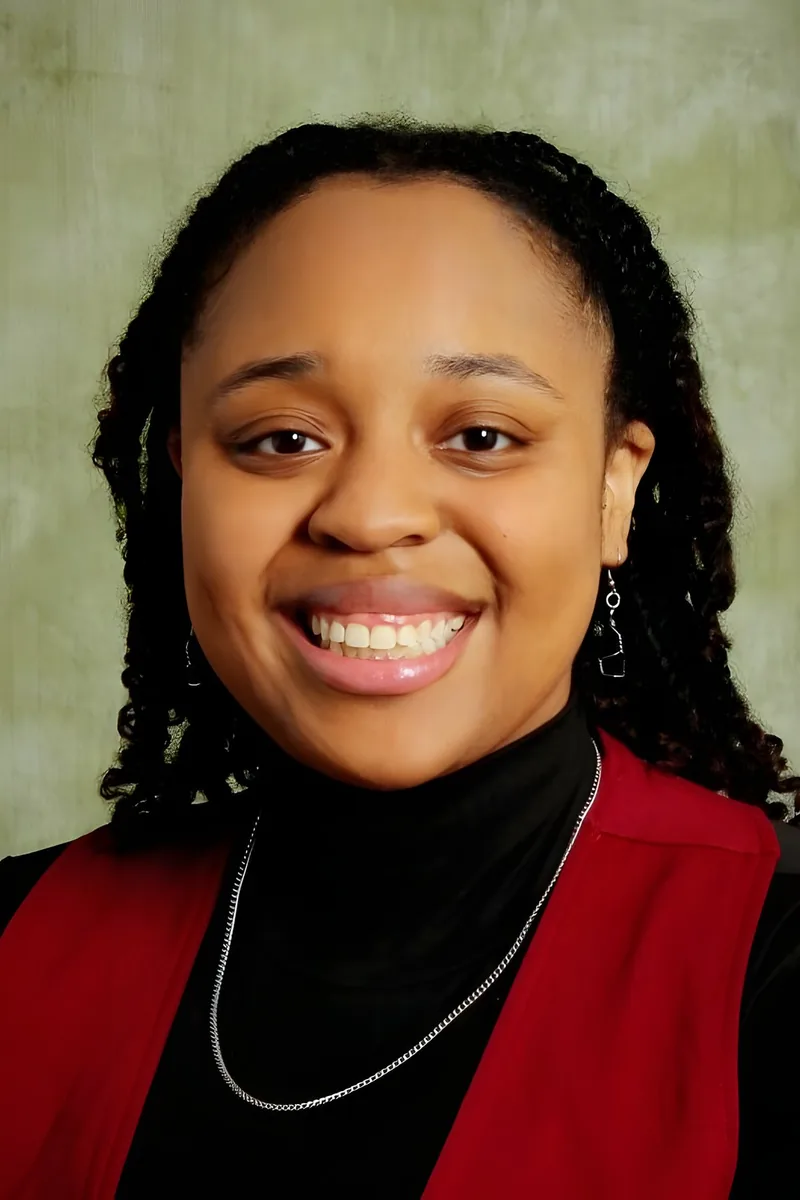
I graduated with a BA in Politics and a BA in Anthropology from NYU in 2022. I also hold a MS in Biomedical Anthropology and a Graduate Certificate in Forensic Health and Nursing from SUNY Binghamton (graduated May 2024). I have worked in education, with a previous position with America Reads/America Counts teaching elementary students in the NYC public school system. My previous virtual tutoring experience was with Curious Cardinals, where I had tutored high school students with the following: forensic science, biology (anatomy, genetics), SAT Evidence-Based Reading and Writing, ACT English and ACT Reading. I have experience working in forensic science policy at the Innocence Project, which is an organization focused on exonerating individuals who were wrongfully convicted of crime. In this role, I have written testimonials, case reports, and research articles on forensic identification methods and their legal, ethical, political, and privacy implications in casework. I have also worked in the forensic science sector as a Criminalist II at the NYC Office of Chief Medical Examiner (OCME). In this position, I assisted medical examiners (forensic pathologists) in the positive identification of deceased individuals throughout New York City. I also assisted in missing persons inquiries that were brought to the agency. Recently, I completed a research project in Vitoria de Santo Antao and Recife (both in the state of Pernambuco, in northeast Brazil) as a Fulbright Grantee. My research focused on osteology, forensic anthropology, and forensic genetics. My project involved metric analyses of bones combined with analyzing genetic information from DNA taken from bones. Currently, I am a doctoral student of Biological Sciences - Genetics at the University of Sao Paulo (USP). As a doctoral student, my dissertation project is expanding on the research I did with the Fulbright grant and is based on the central question/problem: What is the evolutionary relationship between skeletal morphology (primarily size), external pigmentation (i.e., skin, hair), and the presence of vitamin D deficiencies (which are indicated by the presence of skeletal lesions and decreased bone mineral density)? My favorite subjects in school were biology and anatomy, U.S. history, statistics, pre-algebra and algebra I, language and literature. I also partook in concert band and orchestra both in high school and in college. I am excited to share my skills and knowledge in these subjects with you, as well!
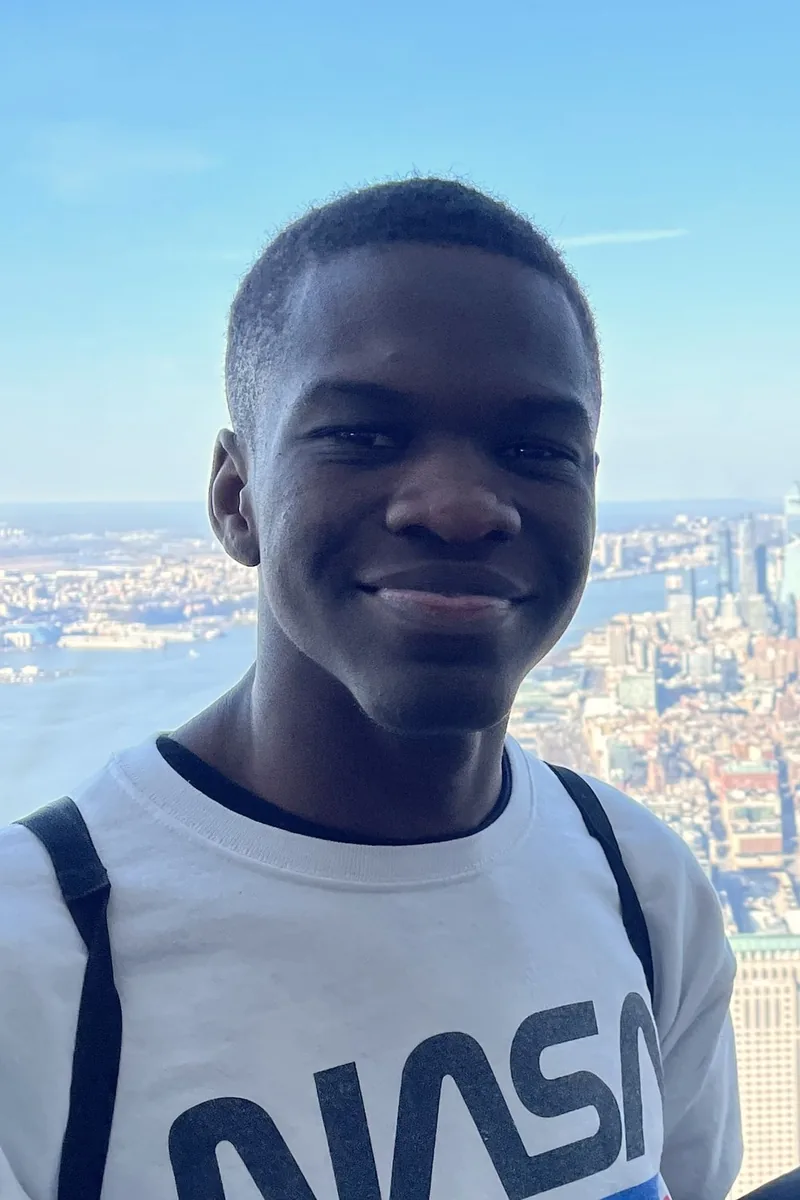
I am an aerospace engineering student. I am very passionate about teaching math, physics, and chemistry. I realized tutoring was my calling while working as a tutor at my school. Seeing students gain a greater understanding of the subject was the highlight of my day while working there.
Reading a research paper in medical school means interrogating p-values, confidence intervals, and study design on a daily basis — so Jean knows statistics as a working tool, not just a textbook subject. She teaches concepts like probability distributions and hypothesis testing by grounding them in real scenarios where the numbers actually matter. Students walk away understanding not just how to run a calculation but what the result means.
Between her biostatistics background and hands-on research experience in Northwestern's John Rogers Lab, Ingrid knows statistics as both a classroom subject and a practical tool. She walks students through concepts like hypothesis testing, confidence intervals, and probability distributions by connecting each one to what the numbers actually mean in context.
Engineering Physics at Cornell requires serious statistical reasoning — error analysis, probability distributions, hypothesis testing — so Daniel brings a practical lens to statistics rather than a purely textbook one. He walks through concepts like standard deviation, regression, and confidence intervals by tying them to real data questions, which makes the logic behind each formula click.
Studying Philosophy, Politics, and Economics at Penn means Kevin encounters statistics not as an abstract math course but as a tool for answering real questions — polling reliability, economic trends, policy evaluation. He unpacks topics like probability distributions, hypothesis testing, and regression with that applied lens. Students come away understanding not just how to compute a standard deviation but what it actually tells them.
Every research methods course in Daniel's neuroscience program at Penn relies heavily on statistics — from designing experiments with proper controls to running t-tests and interpreting p-values. That daily exposure to real data analysis gives him a practical lens on probability distributions, hypothesis testing, and regression that most stats tutors can't offer.
Understanding why you'd choose a t-test over a z-test, or what a standard deviation actually tells you about a dataset, matters more than plugging numbers into formulas. Blake runs statistical analyses as part of his neuroscience research at Vanderbilt, so he teaches distributions, hypothesis testing, and regression from firsthand experience with real data. He holds a 5.0 rating from students.
Probability distributions, hypothesis testing, and regression analysis all click faster when you've actually used them to make decisions. Hari's finance background means he's applied statistical methods to real datasets — forecasting, risk analysis, variance modeling — and he teaches the logic behind each test so students can choose the right approach on their own.
Understanding probability distributions or interpreting a confidence interval requires a different kind of thinking than most math classes demand. Dillon spent years applying statistics in engineering contexts — quality control, data analysis, experimental design — and he brings that applied lens to topics like standard deviation, z-scores, and regression so students see what the numbers actually tell them.
Understanding statistics means learning to ask the right questions about data before running any test: Is the sample random? What's the shape of the distribution? Could this result have happened by chance? Ethan's policy background gave him years of practice interrogating datasets and translating statistical output into plain-language conclusions, a skill he now brings directly to topics like hypothesis testing and regression analysis.
Kaylah's graduate work in Computational Social Science at the University of Chicago is built almost entirely on statistical methods — probability distributions, hypothesis testing, regression modeling, and data interpretation. She teaches statistics the way she actually uses it: starting with what question you're trying to answer, then selecting and applying the right tool. Her background in cognitive neuroscience research means every example she pulls from is grounded in real data.
Probability distributions and hypothesis testing trip students up when they try to memorize formulas without understanding what a p-value actually represents or why a sample size matters. Abismael connects statistical reasoning back to real engineering applications — quality control, experimental design, process variation — which makes abstract concepts like confidence intervals tangible. He's the kind of tutor who will quiz you with problems you haven't seen before, because that's what exams do.
Most students memorize the formulas for z-scores or standard deviation without ever seeing where they come from — Kathleen's math degree from Washington University means she can derive them from scratch and explain each piece along the way. She treats every statistics concept as an extension of the algebra and calculus her students already know, which makes new material feel like a logical next step rather than a disconnected set of rules.
Testimonials
Because the right Statistics tutor makes all the difference.
Average Session Rating – Based on 3.4M Learner Ratings
Practice Statistics
Free practice tests, flashcards, and AI tutoring for Statistics
Nearby Statistics Tutors
Other Huntsville Tutors
Related Math Tutors in Huntsville
Frequently Asked Questions
Varsity Tutors matches Huntsville students with expert Statistics tutors for 1-on-1 instruction. We pair each student with a tutor based on their specific needs, learning style, and goals.
Whether you need homework help, exam prep, or want to get ahead, our Statistics tutors are ready to help.
Common challenges include gaps from earlier material, difficulty with specific concepts, and trouble applying learning to new problems. These issues can snowball quickly in Statistics.
A tutor identifies where you're stuck, fills in gaps, and provides targeted practice. The 1-on-1 format means you get help exactly where you need it.
Tutors work with your student's actual coursework—homework assignments, class notes, and upcoming tests. This keeps tutoring directly relevant to what's happening in the classroom.
When you share information about your student's school and curriculum, we can match you with a tutor who has relevant experience.
All tutors complete background checks, credential verification, and teaching evaluation. Many of our Statistics tutors hold advanced degrees or have years of teaching experience.
You can review tutor profiles to find someone with the right background for your student's level and needs.
Many students see improved grades within a few weeks, along with better understanding of Statistics concepts and more confidence tackling challenging material.
Tutors track progress and adjust their approach to ensure continued improvement.
Most students benefit from 1-2 sessions per week. More frequent sessions help if your student is significantly behind or has an important exam coming up.
Your tutor can recommend a schedule based on your student's specific situation and goals.
Tutoring is purchased in packages of hours, with rates varying by tutor experience. Varsity Tutors offers several options to fit different budgets and needs.
You can discuss pricing during your consultation to find what works best.
Your tutor will assess where your student is, discuss goals, and start working on priority areas. Most students bring current homework or upcoming test material to focus on.
By the end, you'll have a clear sense of how the tutor can help and a plan for moving forward.
Let’s find your perfect tutor
Answer a few quick questions. We’ll recommend the right plan and match you with a top 5% tutor.