Award-Winning Statistics Tutors
serving Birmingham, AL
Statistics
Tutors in Birmingham
Private 1-on-1 tutoring, weekly live classes for academic support, test prep & enrichment, practice tests and diagnostics, and more to elevate grades and test scores.
Based on 3.4M Learner Ratings
UniversitiesSchools & Universities
DeliveredHours Delivered
ProficiencyGrowth in Proficiency
Who needs tutoring?
No obligation. Takes ~1 minute.
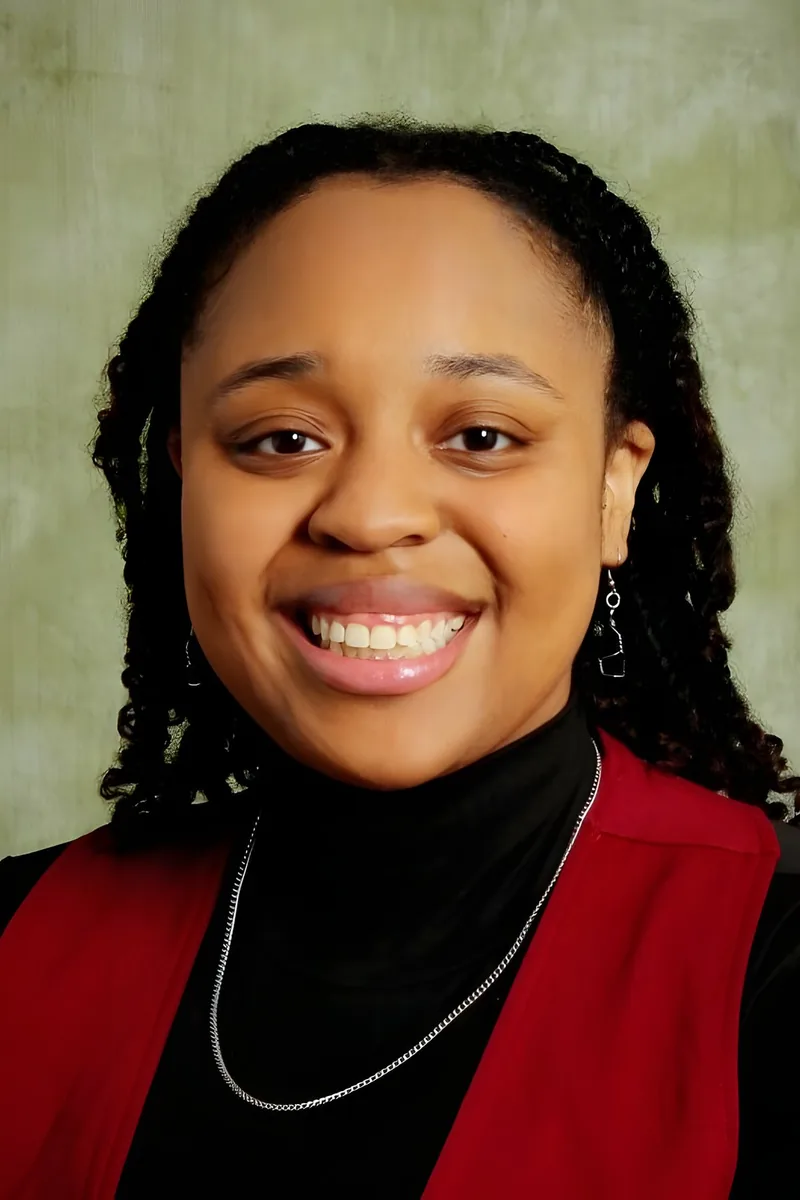
I graduated with a BA in Politics and a BA in Anthropology from NYU in 2022. I also hold a MS in Biomedical Anthropology and a Graduate Certificate in Forensic Health and Nursing from SUNY Binghamton (graduated May 2024). I have worked in education, with a previous position with America Reads/America Counts teaching elementary students in the NYC public school system. My previous virtual tutoring experience was with Curious Cardinals, where I had tutored high school students with the following: forensic science, biology (anatomy, genetics), SAT Evidence-Based Reading and Writing, ACT English and ACT Reading. I have experience working in forensic science policy at the Innocence Project, which is an organization focused on exonerating individuals who were wrongfully convicted of crime. In this role, I have written testimonials, case reports, and research articles on forensic identification methods and their legal, ethical, political, and privacy implications in casework. I have also worked in the forensic science sector as a Criminalist II at the NYC Office of Chief Medical Examiner (OCME). In this position, I assisted medical examiners (forensic pathologists) in the positive identification of deceased individuals throughout New York City. I also assisted in missing persons inquiries that were brought to the agency. Recently, I completed a research project in Vitoria de Santo Antao and Recife (both in the state of Pernambuco, in northeast Brazil) as a Fulbright Grantee. My research focused on osteology, forensic anthropology, and forensic genetics. My project involved metric analyses of bones combined with analyzing genetic information from DNA taken from bones. Currently, I am a doctoral student of Biological Sciences - Genetics at the University of Sao Paulo (USP). As a doctoral student, my dissertation project is expanding on the research I did with the Fulbright grant and is based on the central question/problem: What is the evolutionary relationship between skeletal morphology (primarily size), external pigmentation (i.e., skin, hair), and the presence of vitamin D deficiencies (which are indicated by the presence of skeletal lesions and decreased bone mineral density)? My favorite subjects in school were biology and anatomy, U.S. history, statistics, pre-algebra and algebra I, language and literature. I also partook in concert band and orchestra both in high school and in college. I am excited to share my skills and knowledge in these subjects with you, as well!
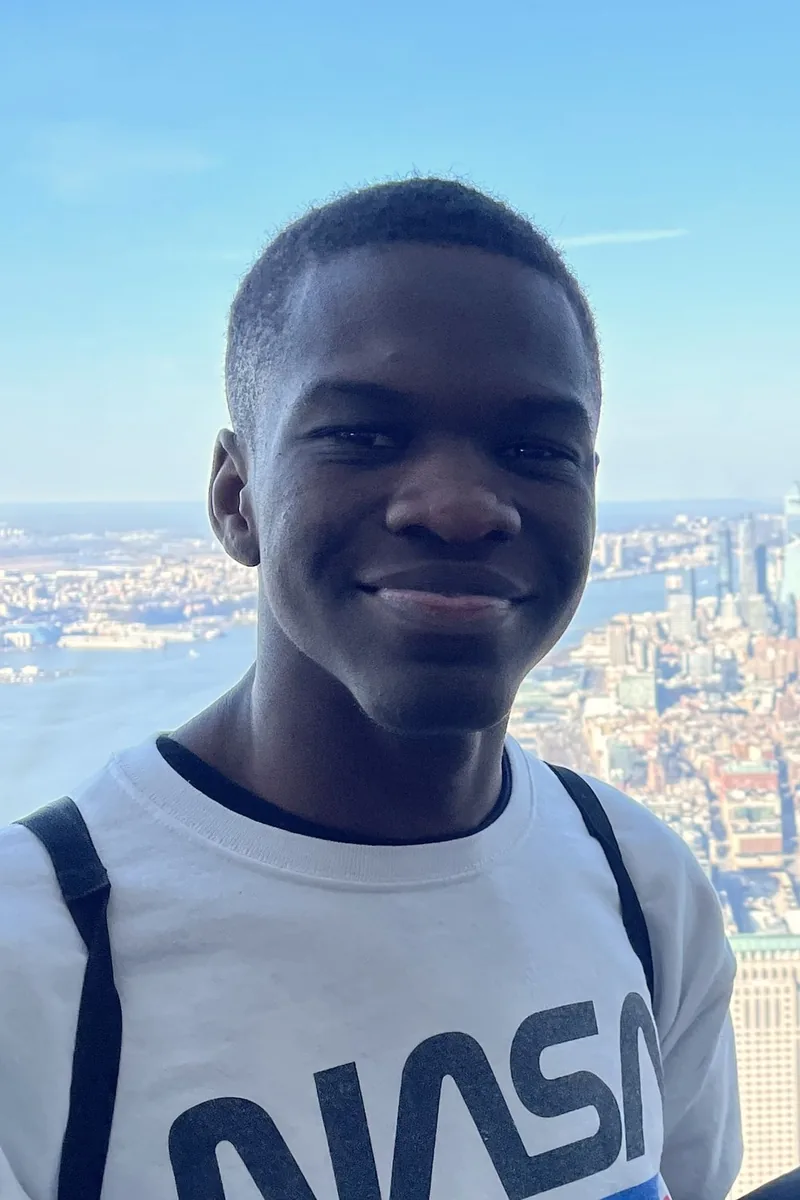
I am an aerospace engineering student. I am very passionate about teaching math, physics, and chemistry. I realized tutoring was my calling while working as a tutor at my school. Seeing students gain a greater understanding of the subject was the highlight of my day while working there.
Probability distributions, hypothesis testing, and regression analysis all clicked for Sami during his economics work at Duke, where statistical reasoning was baked into nearly every course. Now pursuing an MBA at Yale, he still uses these tools daily and teaches students to interpret data with genuine intuition — understanding what a p-value actually means, not just when to reject a null hypothesis.
As an economics major at Yale, Conor uses statistical methods constantly — regression analysis, probability distributions, hypothesis testing — so he teaches statistics as a practical toolkit rather than an abstract set of formulas. He's especially sharp at walking through the logic behind concepts like p-values and confidence intervals, which tend to confuse students who try to memorize procedures without understanding what the numbers actually mean.
Industrial engineering at Georgia Tech is essentially applied statistics — probability distributions, hypothesis testing, and regression analysis were daily tools throughout Ilesh's coursework. He teaches statistics by grounding abstract formulas in real data scenarios, so concepts like standard deviation and confidence intervals actually make intuitive sense.
Studying economics at Brown meant Carter lived inside datasets — running regressions, testing hypotheses, and interpreting distributions long before he started tutoring. That firsthand experience makes him especially effective at teaching concepts like standard deviation, normal models, and conditional probability in ways that feel grounded rather than abstract. He's rated 5.0 by students.
A political science degree from Brown meant Lyall spent years interpreting polling data, regression models, and probability distributions in real research contexts. He brings that applied lens to statistics tutoring, connecting concepts like standard deviation and confidence intervals to situations where the numbers actually matter. Students get someone who treats stats as a tool for making arguments, not just a formula sheet to memorize.
As a Statistics major at Northwestern, Jake lives in this material daily — regression analysis, probability distributions, confidence intervals, and hypothesis testing are part of his coursework, not just something he once studied for a test. That proximity to the subject means he explains concepts with the kind of fluency that comes from constant use. He holds a 5.0 client rating.
Probability distributions, hypothesis testing, and confidence intervals make a lot more sense when you've actually used them to analyze real data. Emma applied statistical methods throughout her biology research at Duke — including fieldwork on Hawaiian monk seals — so she teaches stats as a practical tool rather than an abstract formula sheet. Rated 4.9 by students.
Interpreting p-values, choosing the right hypothesis test, and knowing when a confidence interval actually tells you something useful — these are the concepts that separate students who understand statistics from those just plugging into calculators. Zachary brings a researcher's perspective from his biochemistry and biophysics training, where statistical analysis was built into every experiment. Rated 5.0 by students.
Probability distributions, hypothesis testing, and regression analysis each require a different kind of thinking — and Rahi distinguishes clearly between the conceptual reasoning and the mechanical calculation so students know which skill a problem is actually testing. His applied mathematics background means he can explain the logic behind formulas like the Central Limit Theorem instead of just handing students a recipe to follow.
Probability distributions, hypothesis testing, and confidence intervals require a different kind of mathematical thinking than most students are used to. Nicholas pairs his applied mathematics background at Johns Hopkins with real problem-solving instincts, teaching students to interpret what a p-value actually means and when to apply which test. He's especially effective at connecting statistical reasoning to the kind of data analysis students encounter in science and engineering contexts.
Engineering at Dartmouth meant Rachel lived in data — running experiments, interpreting distributions, and making decisions based on probability and hypothesis testing. She brings that practical fluency to statistics tutoring, connecting concepts like standard deviation and confidence intervals to real scenarios instead of leaving them as abstract formulas.
Probability distributions, hypothesis testing, and confidence intervals all hinge on one skill: knowing what question you're actually answering with the data. Ade's biology background means he's applied statistical reasoning to real research contexts, and he brings that practical lens to everything from z-tests to regression analysis.
Testimonials
Because the right Statistics tutor makes all the difference.
Average Session Rating – Based on 3.4M Learner Ratings
Practice Statistics
Free practice tests, flashcards, and AI tutoring for Statistics
Nearby Statistics Tutors
Other Birmingham Tutors
Related Math Tutors in Birmingham
Frequently Asked Questions
Many students struggle with interpreting data and understanding when to apply different statistical methods. Common pain points include distinguishing between correlation and causation, working with probability concepts, and translating real-world scenarios into statistical problems. Statistics also requires strong foundational math skills—particularly with fractions, decimals, and algebraic manipulation—so gaps in these areas can compound difficulties. Personalized tutoring helps students build conceptual understanding rather than just memorizing formulas, which is key to success in the course.
Word problems in Statistics require you to first identify what's being asked, determine which statistical tools apply, and then execute the calculations correctly. Expert tutors help you develop a systematic approach: reading carefully, organizing given information, sketching distributions or plots when helpful, and checking whether your answer makes sense in context. Breaking problems into smaller steps and practicing this strategy repeatedly builds confidence and reduces the anxiety many students feel around word problems.
Yes—Statistics is taught using various approaches depending on your school and textbook. Some programs emphasize computational methods, while others focus more on conceptual understanding and interpretation. Tutors who work with students in Birmingham are familiar with the different curricula used across the area's school districts and can adapt their instruction to match your specific course materials and learning objectives, whether you're in AP Statistics, college-level Statistics, or a business/science Statistics course.
Statistics anxiety often stems from feeling lost or unsure whether you're approaching problems correctly. Personalized 1-on-1 instruction allows tutors to address your specific misconceptions, show you why certain methods work, and give you plenty of practice with feedback in a low-pressure environment. As you work through problems step-by-step and see patterns emerge, you develop a stronger sense of mastery—and that confidence carries directly into your classroom and on tests.
During your first session, a tutor will assess your current understanding of Statistics concepts, identify specific areas where you're struggling, and learn about your learning style and goals. This might include reviewing recent assignments, discussing which topics feel confusing, or working through a practice problem together. From there, the tutor creates a personalized plan focused on your needs—whether that's building foundational probability skills, mastering hypothesis testing, or preparing for an exam.
Showing your work in Statistics isn't just about getting points—it reveals your thinking process and helps both you and your tutor identify where misunderstandings occur. A student might arrive at an incorrect answer because they misidentified the problem type, used the wrong formula, or made a calculation error, and each requires different intervention. When you write out your steps, you also strengthen your own understanding and make it easier to catch and correct mistakes before submitting assignments or taking tests.
Look for tutors with strong backgrounds in mathematics and Statistics—ideally with experience teaching or tutoring the specific Statistics course you're taking. They should be able to explain not just how to do calculations, but why those methods work and when to use them. Varsity Tutors connects you with expert tutors who understand Statistics deeply and know how to break down complex concepts into understandable pieces, helping you build both skills and confidence.
Like all math, Statistics requires consistent practice to move from understanding a concept to applying it fluently. Most students benefit from working through multiple problems of each type—starting with guided examples, progressing to independent practice, and then tackling more complex, multi-step problems. A tutor can help you practice strategically by focusing on areas where you're weakest, providing targeted feedback, and gradually building your problem-solving speed and accuracy.
Let’s find your perfect tutor
Answer a few quick questions. We’ll recommend the right plan and match you with a top 5% tutor.