Award-Winning Statistics Tutors
serving Mobile, AL
Statistics
Tutors in Mobile
Private 1-on-1 tutoring, weekly live classes for academic support, test prep & enrichment, practice tests and diagnostics, and more to elevate grades and test scores.
Based on 3.4M Learner Ratings
UniversitiesSchools & Universities
DeliveredHours Delivered
ProficiencyGrowth in Proficiency
Who needs tutoring?
No obligation. Takes ~1 minute.
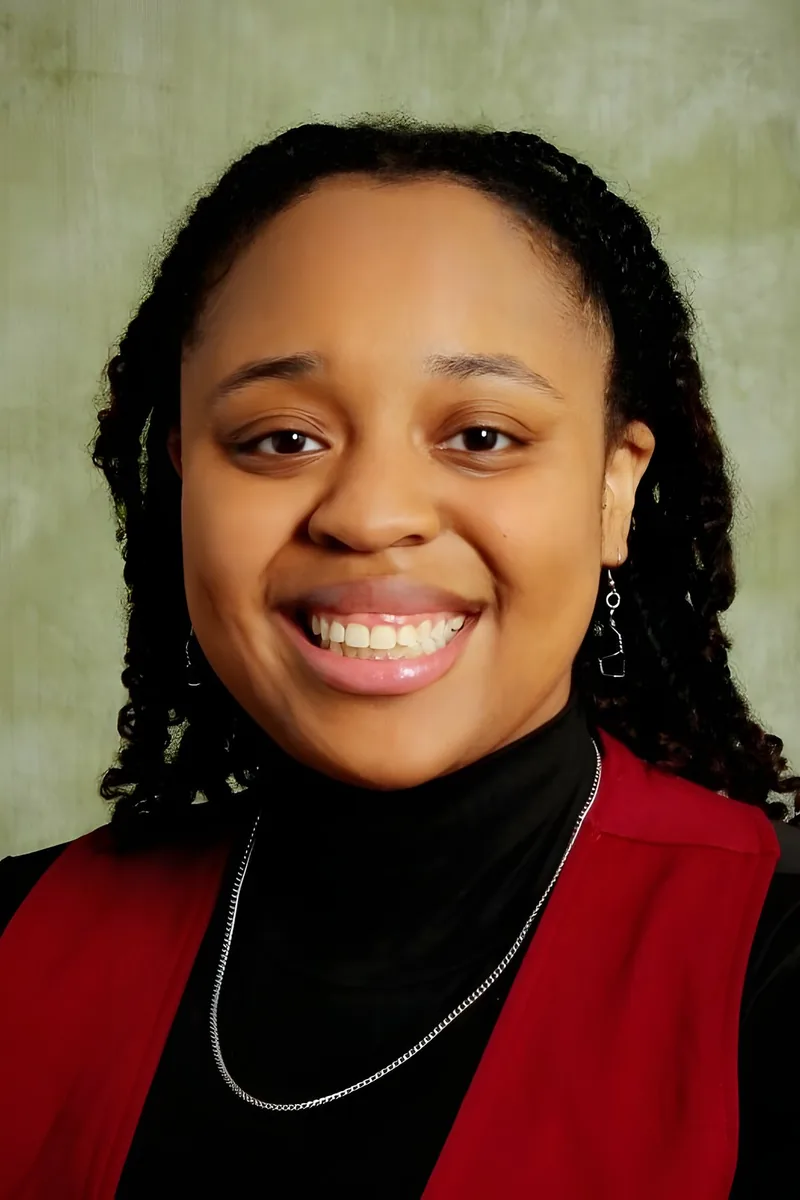
I graduated with a BA in Politics and a BA in Anthropology from NYU in 2022. I also hold a MS in Biomedical Anthropology and a Graduate Certificate in Forensic Health and Nursing from SUNY Binghamton (graduated May 2024). I have worked in education, with a previous position with America Reads/America Counts teaching elementary students in the NYC public school system. My previous virtual tutoring experience was with Curious Cardinals, where I had tutored high school students with the following: forensic science, biology (anatomy, genetics), SAT Evidence-Based Reading and Writing, ACT English and ACT Reading. I have experience working in forensic science policy at the Innocence Project, which is an organization focused on exonerating individuals who were wrongfully convicted of crime. In this role, I have written testimonials, case reports, and research articles on forensic identification methods and their legal, ethical, political, and privacy implications in casework. I have also worked in the forensic science sector as a Criminalist II at the NYC Office of Chief Medical Examiner (OCME). In this position, I assisted medical examiners (forensic pathologists) in the positive identification of deceased individuals throughout New York City. I also assisted in missing persons inquiries that were brought to the agency. Recently, I completed a research project in Vitoria de Santo Antao and Recife (both in the state of Pernambuco, in northeast Brazil) as a Fulbright Grantee. My research focused on osteology, forensic anthropology, and forensic genetics. My project involved metric analyses of bones combined with analyzing genetic information from DNA taken from bones. Currently, I am a doctoral student of Biological Sciences - Genetics at the University of Sao Paulo (USP). As a doctoral student, my dissertation project is expanding on the research I did with the Fulbright grant and is based on the central question/problem: What is the evolutionary relationship between skeletal morphology (primarily size), external pigmentation (i.e., skin, hair), and the presence of vitamin D deficiencies (which are indicated by the presence of skeletal lesions and decreased bone mineral density)? My favorite subjects in school were biology and anatomy, U.S. history, statistics, pre-algebra and algebra I, language and literature. I also partook in concert band and orchestra both in high school and in college. I am excited to share my skills and knowledge in these subjects with you, as well!
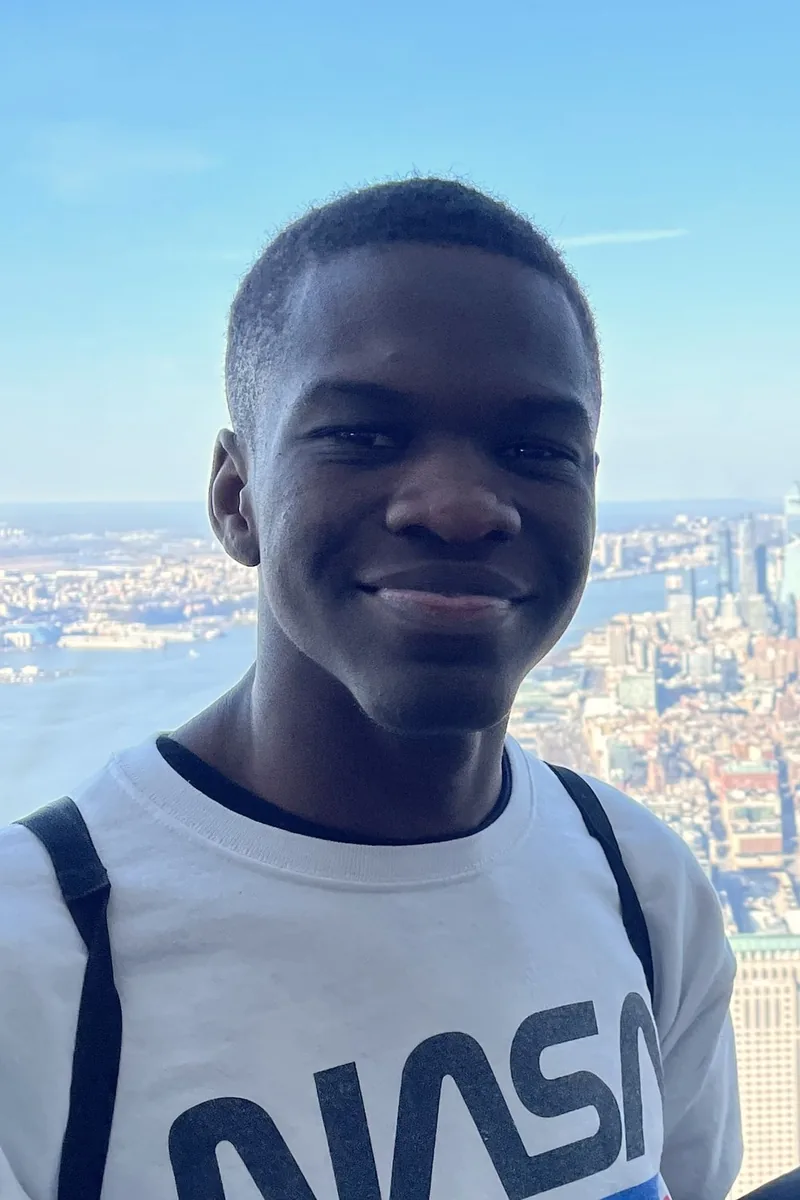
I am an aerospace engineering student. I am very passionate about teaching math, physics, and chemistry. I realized tutoring was my calling while working as a tutor at my school. Seeing students gain a greater understanding of the subject was the highlight of my day while working there.
What separates a strong statistics student from a struggling one usually isn't computation — it's grasping why a particular test or measure fits a particular question. Tessa's mathematics coursework at Yale, paired with her history training where she regularly evaluates quantitative evidence in primary sources, gives her a sharp eye for the reasoning behind tools like confidence intervals and hypothesis tests. Rated 4.9 by students.
Industrial engineering at Georgia Tech is essentially applied statistics — probability distributions, hypothesis testing, and regression analysis were daily tools throughout Ilesh's coursework. He teaches statistics by grounding abstract formulas in real data scenarios, so concepts like standard deviation and confidence intervals actually make intuitive sense.
Probability distributions, hypothesis testing, and regression analysis all clicked for Sami during his economics work at Duke, where statistical reasoning was baked into nearly every course. Now pursuing an MBA at Yale, he still uses these tools daily and teaches students to interpret data with genuine intuition — understanding what a p-value actually means, not just when to reject a null hypothesis.
A neurobiology degree from Harvard meant designing experiments, interpreting data sets, and living inside statistical analysis for four years. Katherine teaches statistics with that research lens — connecting probability distributions, hypothesis testing, and confidence intervals to how they're actually used in published studies. Rated 5.0 by students.
Most students memorize the formulas for z-scores or standard deviation without ever seeing where they come from — Kathleen's math degree from Washington University means she can derive them from scratch and explain each piece along the way. She treats every statistics concept as an extension of the algebra and calculus her students already know, which makes new material feel like a logical next step rather than a disconnected set of rules.
Studying cognitive science at Rice required Adam to run experiments, interpret data sets, and draw conclusions from statistical tests — so he teaches statistics as a practical reasoning tool, not just a math course. Whether it's regression analysis, p-values, or probability distributions, he connects each topic to real research questions that make the material intuitive.
Studying economics at the undergraduate level means living inside probability distributions, hypothesis tests, and regression models — so Laura treats statistics as a language she already speaks fluently. She breaks down concepts like p-values and confidence intervals by tying them to concrete decision-making scenarios rather than abstract formulas. Her 5.0 rating speaks to how clearly that approach translates for students.
Probability distributions, hypothesis testing, and regression analysis each require a different kind of thinking — and Rahi distinguishes clearly between the conceptual reasoning and the mechanical calculation so students know which skill a problem is actually testing. His applied mathematics background means he can explain the logic behind formulas like the Central Limit Theorem instead of just handing students a recipe to follow.
Studying economics at Brown meant Carter lived inside datasets — running regressions, testing hypotheses, and interpreting distributions long before he started tutoring. That firsthand experience makes him especially effective at teaching concepts like standard deviation, normal models, and conditional probability in ways that feel grounded rather than abstract. He's rated 5.0 by students.
Probability distributions, hypothesis testing, and regression analysis all require a kind of structured thinking that Florence sharpened through her computer science degree at Duke. She teaches statistics by grounding each concept in real data scenarios — building intuition for what a p-value actually means before diving into formulas. Her 5.0 client rating speaks to how well that approach lands.
During her psychology degree at Penn, Brittany used statistics constantly — hypothesis testing, probability distributions, regression analysis — as core tools for understanding research. She also tutored middle schoolers in introductory statistics as a volunteer in West Philadelphia, so she's comfortable adjusting her explanations whether someone is learning mean and median or wrestling with p-values.
Working as a research assistant in Yale's cognitive neuroscience lab meant Emily ran statistical analyses regularly — hypothesis testing, probability distributions, and interpreting p-values were part of her daily routine. That hands-on experience makes her especially effective at explaining why a statistical method works, not just how to execute it on a calculator.
Testimonials
Because the right Statistics tutor makes all the difference.
Average Session Rating – Based on 3.4M Learner Ratings
Practice Statistics
Free practice tests, flashcards, and AI tutoring for Statistics
Nearby Statistics Tutors
Other Mobile Tutors
Related Math Tutors in Mobile
Frequently Asked Questions
Varsity Tutors matches Mobile students with expert Statistics tutors for 1-on-1 instruction. We pair each student with a tutor based on their specific needs, learning style, and goals.
Whether you need homework help, exam prep, or want to get ahead, our Statistics tutors are ready to help.
Common challenges include gaps from earlier material, difficulty with specific concepts, and trouble applying learning to new problems. These issues can snowball quickly in Statistics.
A tutor identifies where you're stuck, fills in gaps, and provides targeted practice. The 1-on-1 format means you get help exactly where you need it.
Tutors work with your student's actual coursework—homework assignments, class notes, and upcoming tests. This keeps tutoring directly relevant to what's happening in the classroom.
When you share information about your student's school and curriculum, we can match you with a tutor who has relevant experience.
All tutors complete background checks, credential verification, and teaching evaluation. Many of our Statistics tutors hold advanced degrees or have years of teaching experience.
You can review tutor profiles to find someone with the right background for your student's level and needs.
Many students see improved grades within a few weeks, along with better understanding of Statistics concepts and more confidence tackling challenging material.
Tutors track progress and adjust their approach to ensure continued improvement.
Most students benefit from 1-2 sessions per week. More frequent sessions help if your student is significantly behind or has an important exam coming up.
Your tutor can recommend a schedule based on your student's specific situation and goals.
Tutoring is purchased in packages of hours, with rates varying by tutor experience. Varsity Tutors offers several options to fit different budgets and needs.
You can discuss pricing during your consultation to find what works best.
Your tutor will assess where your student is, discuss goals, and start working on priority areas. Most students bring current homework or upcoming test material to focus on.
By the end, you'll have a clear sense of how the tutor can help and a plan for moving forward.
Let’s find your perfect tutor
Answer a few quick questions. We’ll recommend the right plan and match you with a top 5% tutor.