Award-Winning Spanish Tutors
serving Baltimore, MD
Spanish
Tutors in Baltimore
Private 1-on-1 tutoring, weekly live classes for academic support, test prep & enrichment, practice tests and diagnostics, and more to elevate grades and test scores.
Based on 3.4M Learner Ratings
UniversitiesSchools & Universities
DeliveredHours Delivered
ProficiencyGrowth in Proficiency
Who needs tutoring?
No obligation. Takes ~1 minute.
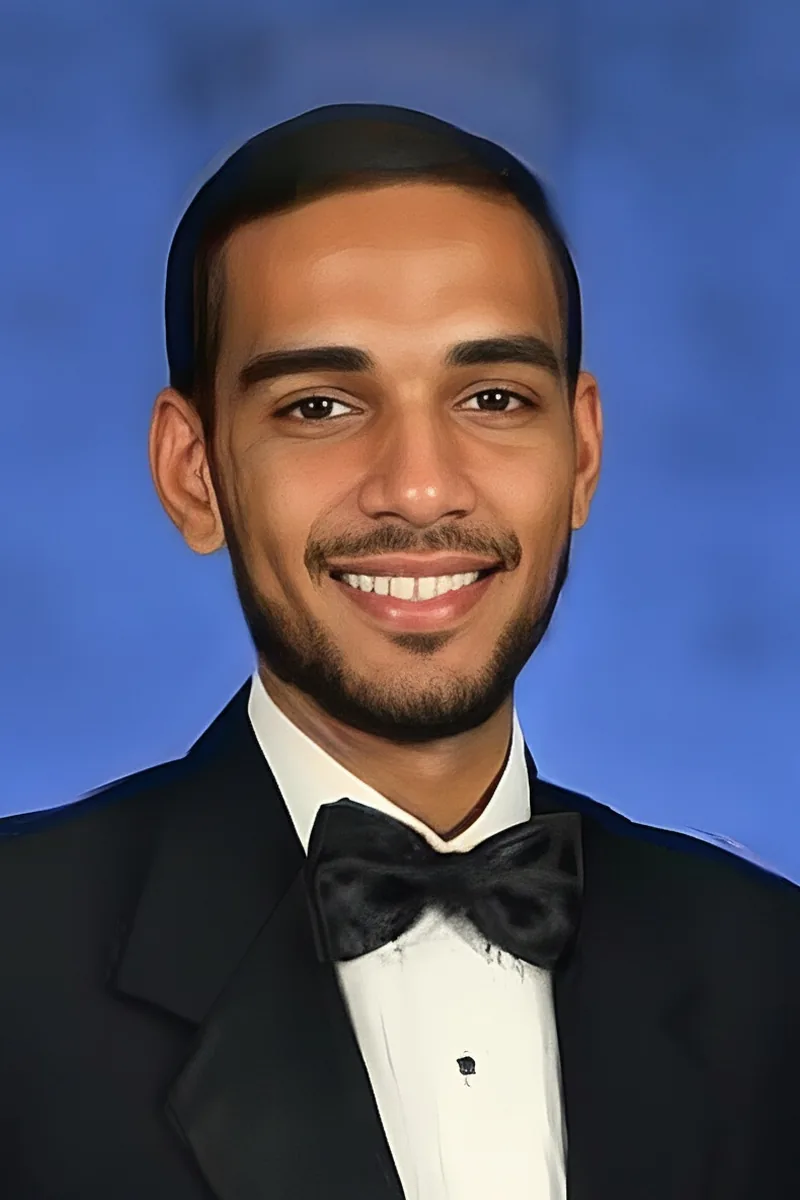
Learning Spanish grammar often feels like solving a puzzle — verb conjugations, subjunctive triggers, pronoun placement all follow logical rules that reward systematic practice. Christopher takes an analytical approach to these patterns, teaching students to recognize structures rather than rely on rote memorization alone. His science background at Johns Hopkins translates into a methodical style that works especially well for students who think logically.

Having studied Classical Languages and then learned Italian while living in Rome, Juan approaches Spanish with a deep understanding of how Romance languages evolved from Latin roots. That lineage means he can explain why Spanish verb conjugations, subjunctive triggers, and pronoun placement work the way they do — not just drill the rules. Students pick up vocabulary faster and retain grammar longer when they see the structural logic underneath.
Diana's TESOL training gave her deep expertise in how languages are structured and acquired, which she applies directly to Spanish instruction. She breaks down verb conjugation patterns, pronoun placement, and sentence-building in ways that make the grammar feel logical rather than arbitrary. Students in Spanish 1 or 2 especially benefit from her ability to explain why the language works the way it does.
Studying Philosophy, Politics & Economics means Bina spends her days parsing arguments, dissecting texts, and building structured cases — skills she applies directly to Spanish grammar, where understanding *why* a rule works (say, the logic behind ser versus estar) matters more than memorizing charts. Her background in law adds another layer: she treats sentence construction like building a legal argument, where every word has to be in the right place for the meaning to hold. Rated 5.0 by students.
Teaching high school students in Vietnam gave Alyssa firsthand experience communicating across language barriers and building comfort with imperfect fluency. She applies that same patience to Spanish, tackling verb conjugation patterns, pronoun usage, and sentence construction in ways that build real conversational and written confidence at the Spanish 2 level and beyond.
Six months living in Spain turned Rebecca from a classroom Spanish learner into a fluent speaker, and that transition shapes how she teaches the language now. She breaks down verb conjugations, pronoun placement, and subjunctive triggers by connecting them to how Spanish is actually spoken in daily life — not just how it appears in a textbook. Rated 4.5 by students.
Learning Spanish verb conjugations in isolation rarely sticks — Gabriel instead anchors grammar concepts like the subjunctive and preterite/imperfect distinction in real reading passages and conversation so students see how the language actually works. His background spans Spanish 2 through AP-level coursework, and his humanities PhD at the University of Chicago keeps him immersed in multilingual scholarship.
Studying at the Horace Mann School in New York City meant Ethan took Spanish alongside a rigorous academic curriculum, and his current economics and public policy coursework at UChicago keeps him reading and analyzing across disciplines — skills that transfer directly to parsing Spanish texts and constructing grammatically sound written responses. He's particularly sharp at breaking down the logic behind ser versus estar or preterite versus imperfect, treating tricky distinctions as puzzles with clear rules rather than exceptions to memorize.
Years of living and working in Mexico and the Dominican Republic gave Julie the kind of Spanish fluency that textbooks alone can't provide — she knows the grammar rules and when native speakers bend them. She tackles everything from verb conjugation patterns to reading comprehension, weaving in regional vocabulary and real-world usage that make the language feel less like a school subject and more like a tool.
Having studied Spanish as part of her undergraduate degree, Elena brings both academic grammar knowledge and real conversational fluency to lessons. She digs into tricky areas like subjunctive mood triggers, ser versus estar distinctions, and preterite-imperfect contrasts — the concepts that separate intermediate learners from truly proficient speakers.
Learning Spanish clicks faster when grammar rules connect to real usage — why the subjunctive shows up in certain emotional expressions, or how reflexive verbs change meaning in everyday conversation. Rebecca teaches across four levels of Spanish and uses that range to meet each student at their current stage, building verb conjugation and sentence structure into contexts that actually stick.
Cassandra teaches Spanish at the introductory and intermediate levels, covering verb conjugation, pronoun usage, and sentence construction. Her background in comparative literature and Latin gives her a structural understanding of how Romance languages work, which makes explaining concepts like the subjunctive or ser-versus-estar distinctions more intuitive for students.
Paul picked up conversational and reading-level Spanish while traveling through South America, which gives his tutoring a practical edge — he knows what it's like to need the subjunctive tense in an actual conversation, not just on a worksheet. He's strongest with students working on verb conjugation, reading comprehension in Spanish, and building everyday vocabulary.
Learning Spanish means internalizing patterns — verb conjugation systems, pronoun placement, the subjunctive triggers that trip up English speakers. David has taught every level from Spanish 1 through AP and knows exactly where students tend to stall out, whether it's ser vs. estar or navigating preterite and imperfect in the same paragraph.
Testimonials
Because the right Spanish tutor makes all the difference.
Average Session Rating – Based on 3.4M Learner Ratings
Other Baltimore Tutors
Related Languages Tutors in Baltimore
Frequently Asked Questions
Speaking anxiety is one of the biggest barriers to fluency, and it's exactly what personalized 1-on-1 instruction addresses. Unlike a classroom where mistakes feel public, working with a tutor creates a safe, judgment-free space to practice conversation at your own pace. Tutors can focus entirely on your speaking goals—whether that's pronunciation, natural phrasing, or building confidence—and provide immediate, encouraging feedback that helps you progress faster.
Verb conjugation is one of the most challenging aspects of Spanish grammar because there are so many patterns and irregular verbs to master. Rather than memorizing conjugation tables, expert tutors help you understand the underlying patterns and practice them in real conversational contexts, which makes them stick much better. With personalized instruction, you'll focus on the specific verb tenses and situations that matter most for your goals, building fluency through meaningful practice rather than rote memorization.
Research on learning shows that spaced repetition and using words in context are far more effective than traditional flashcard drilling. Tutors incorporate new vocabulary naturally into conversation and writing practice, helping you use words in realistic situations rather than isolation. This approach—combined with consistent, personalized practice—helps vocabulary stick in your long-term memory and become part of your active speaking toolkit.
Language and culture are deeply connected—understanding cultural context helps you communicate authentically and avoid misunderstandings. Tutors can weave cultural elements into your lessons, whether that's regional expressions, customs, or media that native speakers actually engage with. For students in Baltimore, this personalized approach means you'll learn Spanish as it's truly spoken, not just textbook versions.
Your first session is an opportunity for a tutor to understand your current level, goals, and learning style. You'll likely have a conversation in Spanish to assess your speaking and listening skills, discuss what you want to achieve (whether that's passing an AP exam, conversational fluency, or improving a specific skill), and create a personalized plan together. This foundation ensures every future session is tailored to your needs rather than following a generic curriculum.
Yes—this is one of the biggest advantages of 1-on-1 tutoring over classroom learning. A tutor can listen carefully to your pronunciation, identify specific sounds you struggle with (like the Spanish 'r' or 'j'), and give you targeted feedback and techniques to improve. With consistent practice and personalized correction, you'll develop clearer pronunciation and more natural-sounding speech patterns that build confidence in real conversations.
Absolutely. Whether you're in a Baltimore City or Baltimore County school, tutoring can strengthen your performance in Spanish classes by reinforcing what you're learning in the classroom and filling gaps in understanding. Tutors can help you prepare for tests, understand difficult grammar concepts, improve writing assignments, and develop stronger speaking skills—all while working at your pace and addressing your specific challenges.
Expert tutors develop all four language skills—reading, writing, speaking, and listening—not just conversation. For reading, they'll help you understand complex texts, build vocabulary in context, and develop comprehension strategies. For writing, they'll guide you through grammar, sentence structure, and composition while providing feedback that helps you improve. This balanced approach ensures you're a well-rounded Spanish speaker and writer.
Let’s find your perfect tutor
Answer a few quick questions. We’ll recommend the right plan and match you with a top 5% tutor.