Award-Winning Microbiology Tutors
serving Atlanta, GA
Microbiology
Tutors in Atlanta
Private 1-on-1 tutoring, weekly live classes for academic support, test prep & enrichment, practice tests and diagnostics, and more to elevate grades and test scores.
Based on 3.4M Learner Ratings
UniversitiesSchools & Universities
DeliveredHours Delivered
ProficiencyGrowth in Proficiency
Who needs tutoring?
No obligation. Takes ~1 minute.
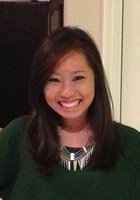
Pursuing a PhD in Biomedical Science at Morehouse School of Medicine means Eugene lives in the world of pathogens, host-pathogen interactions, and the cellular mechanisms that determine whether an infection takes hold or gets stopped cold. His training in physiology and anatomy gives him a systems-level view that's especially useful when explaining how microorganisms exploit specific tissues — connecting, say, bacterial adhesion factors to the actual organ systems students are learning about in parallel courses.
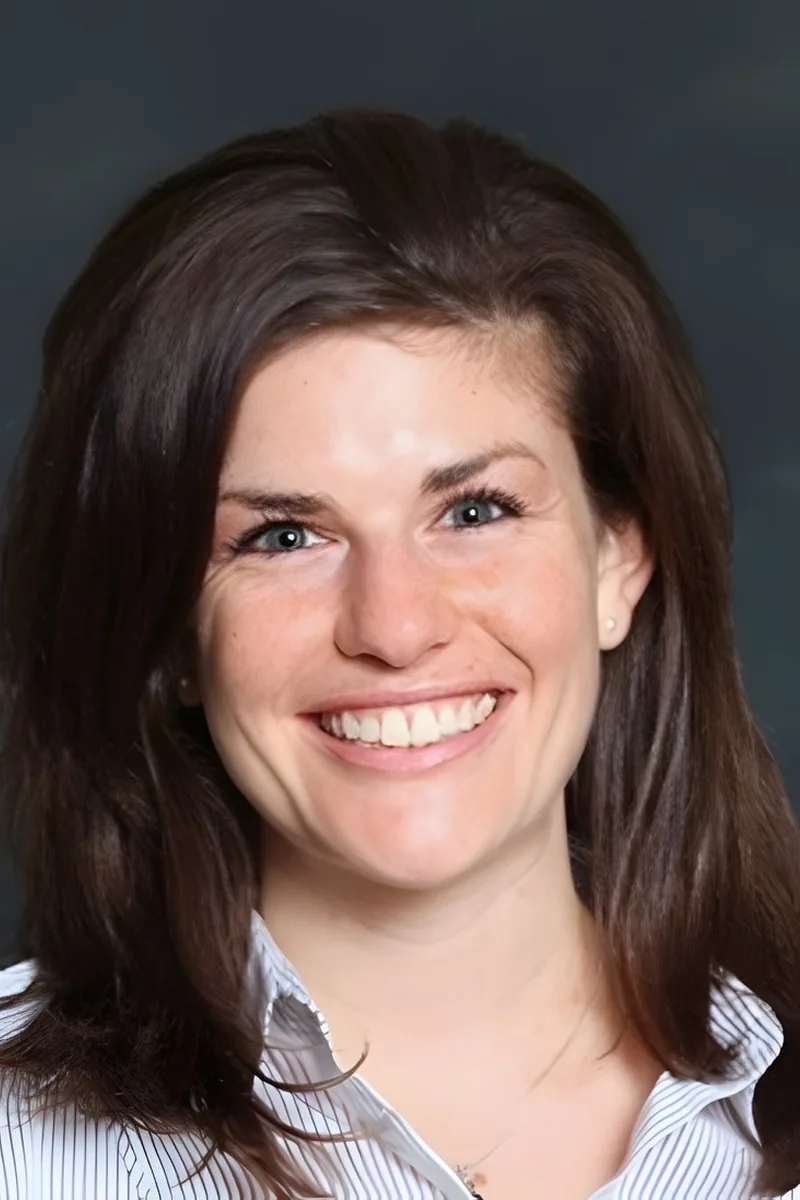
Gram staining, bacterial metabolism, viral replication cycles — microbiology demands that students keep a huge number of organisms and processes straight. Jenny's public health training gives her a framework for connecting each microbe to its clinical significance, which makes memorization far more efficient than flashcard brute force.
I am a 4th year medical student who has been tutoring since college. I love working with people and teaching students. I have a strong background in the sciences and look forward to helping make science easy for everyone. I look forward to working with you.
As a pre-med student at Northwestern taking upper-level biology coursework, Manideep works through microbial concepts — like differential media selection, endotoxin vs. exotoxin mechanisms, and microbial genetics — with the rigor that MCAT and college-level courses demand. His parallel strengths in biochemistry and organic chemistry let him trace processes like oxidative phosphorylation in prokaryotes or beta-lactam resistance down to the molecular level. Rated 5.0 by students.
Working in a stem cell research lab every day, Brittany lives microbiology — from aseptic technique and culture methods to the molecular mechanisms of bacterial gene regulation. She unpacks dense topics like microbial metabolism, pathogenesis, and immune evasion by linking textbook diagrams to what actually happens at the bench. Students preparing for exams get someone who can explain both the theory and the experimental evidence behind it.
Leah's neurobiology degree gave her deep exposure to microbiology from the cellular and molecular side — bacterial signaling pathways, viral replication cycles, and the immune responses they trigger. She unpacks these processes by tying molecular mechanisms to their larger biological consequences, which makes dense material like gram staining protocols or metabolic diversity far easier to retain.
Gram stains, metabolic pathways, virulence factors, antibiotic resistance — microbiology throws a lot of detail at students all at once. Krystal approaches the subject by organizing bacteria and pathogens into logical categories so students can reason through identification and mechanism questions instead of relying on brute-force memorization.
Keeping bacterial classification, metabolic pathways, and virulence factors straight requires a system, not just flashcards. Karim organizes microbiology around the logic of how organisms survive — how Gram-negative outer membranes confer antibiotic resistance, or why obligate anaerobes thrive in specific niches. His pre-med trajectory means he connects these concepts directly to clinical relevance, which makes the material stick.
Studying medicine means Samuel never really left microbiology behind — bacterial pathogenesis, viral replication cycles, and antimicrobial resistance are woven into his daily coursework. He unpacks topics like gram staining protocols and immune evasion mechanisms by tying them to clinical cases, which makes dense material far easier to retain. Rated 5.0 by students.
Haley's day job in a public health laboratory gives her hands-on experience with the bacterial cultures, staining techniques, and antimicrobial susceptibility testing that microbiology courses cover in theory. She brings real bench context to topics like gram-negative vs. gram-positive classification, metabolic pathways, and pathogenesis — turning textbook organisms into something tangible. Rated 5.0 by students.
Emily studied molecular, cellular, and developmental biology at Yale and then earned her MPH in epidemiology, giving her a dual lens on microbiology — she knows the bench science of bacterial genetics and viral replication cycles, and she understands how those organisms behave in populations. She digs into topics like gram staining, metabolic pathways, and host-pathogen interactions with the detail a college-level course demands.
From bacterial gene regulation to viral replication strategies, microbiology demands comfort with both molecular detail and big-picture ecology. Zachary's graduate work in molecular biology gave him hands-on familiarity with the techniques and concepts — Gram staining, quorum sensing, antibiotic resistance mechanisms — that form the backbone of most microbiology courses.
Studying microbiology at the college level means juggling bacterial classification, metabolic pathways, virulence factors, and immune response mechanisms all at once. Kristin earned her biology degree at the University of Chicago and now applies microbiology daily in her nursing graduate program at Penn, where pathogen behavior and infection control are part of clinical reality rather than just textbook diagrams.
Bioengineering trains you to think about microorganisms as systems — how bacterial metabolism, gene regulation, and surface interactions can be modeled, measured, and manipulated. Casey applies that engineering mindset to microbiology topics like growth kinetics and sterilization techniques, breaking down each process into the quantitative and biological components that actually explain it. Her parallel background in physiology and organic chemistry lets her trace microbial behavior from the molecular scale up to host-level effects.
Few tutors have a dedicated microbiology credential — Felix earned an Associate in Science specifically in microbiology and taught biology at the university level as a TA. He digs into bacterial morphology, staining techniques, metabolic pathways, and microbial genetics with the kind of detail that lecture halls often gloss over. Whether it's understanding biofilm formation or interpreting antibiotic susceptibility results, he connects lab concepts to the underlying theory.
Between his biochemistry degree from Rice and his medical school training, Sanjay has spent years immersed in the microbial world — bacterial cell structure, pathogenic mechanisms, antimicrobial resistance, and the metabolic pathways that distinguish different organisms. He connects microbiology concepts to clinical scenarios, which makes memorizing genera, gram stain results, and virulence factors far more intuitive.
The IB Biology program — both SL and HL — drills deep into microbial topics like cell theory, pathogen classification, and antibiotic resistance, and Kinjal completed that rigorous track before earning her biology degree at Texas A&M. That combination means she can walk through bacterial structure, microbial metabolism, and host-pathogen dynamics with the kind of layered understanding that comes from studying the material twice at increasing depth. Rated 5.0 by students.
Medical school at Penn's Perelman School of Medicine gave Daniel hands-on exposure to microbiology that goes well beyond a standard textbook — from bacterial virulence factors to antibiotic resistance mechanisms to the clinical presentations they produce. He connects microbial physiology to real infectious disease scenarios, which makes distinguishing gram-positive from gram-negative organisms or understanding viral replication cycles far more intuitive.
Monika's doctoral thesis was in microbiology, so she teaches bacterial physiology, metabolic pathways, and host-pathogen interactions from firsthand research experience. She unpacks dense topics like quorum sensing and biofilm formation by connecting them to the experimental techniques she actually used at the bench.
Between her molecular biology degree and her current biomedical science graduate program, Sierra has spent years working with bacterial physiology, microbial genetics, and host-pathogen interactions. She explains dense topics like gram staining protocols, metabolic pathways, and antimicrobial resistance mechanisms by tying them back to real clinical and research scenarios that make the material stick.
A Stanford-trained biologist, Abhinav digs into microbiology topics like bacterial cell structure, metabolic pathways, and host-pathogen interactions with the detail they demand. He connects concepts across scales — linking molecular mechanisms like quorum sensing to broader outcomes like biofilm formation — so students see microbiology as a story rather than a catalog of organisms.
Testimonials
Because the right Microbiology tutor makes all the difference.
Average Session Rating – Based on 3.4M Learner Ratings
Nearby Microbiology Tutors
Other Atlanta Tutors
Related Science Tutors in Atlanta
Frequently Asked Questions
Microbiology courses generally cover the structure and function of microorganisms, including bacteria, viruses, fungi, and protozoa. Students also learn about microbial growth, metabolism, genetics, and ecology. Many Atlanta schools incorporate laboratory work where students perform staining techniques, culture bacteria, and observe microorganisms under microscopes. Additionally, courses often explore applied microbiology topics like infectious disease, immunology, and the role of microbes in food production, environmental processes, and human health. The specific curriculum may vary by school district and course level, so it's helpful to connect with a tutor who understands your particular course requirements.
Yes, personalized tutoring is excellent for strengthening lab skills and experimental understanding. Tutors can help you understand the scientific method, proper lab techniques, and how to interpret results from experiments like bacterial culture identification or gram staining. They can also help you prepare lab reports by explaining the reasoning behind each step and connecting hands-on observations to the underlying microbiology concepts. This combination of practical guidance and conceptual understanding helps you get more out of your lab experience and perform confidently when conducting experiments independently.
Students often struggle with visualizing microscopic structures and processes that are invisible to the naked eye—like how antibiotic resistance develops or how viruses replicate inside host cells. Another common challenge is understanding the balance between memorizing microbial names and characteristics while also grasping the underlying mechanisms of why microbes behave certain ways. Tutoring helps by using visual models, analogies, and real-world applications to make abstract concepts concrete. For example, a tutor might use diagrams to show bacterial cell wall structure or walk through a step-by-step explanation of the lytic cycle, transforming abstract ideas into concepts you can truly understand and apply.
Microbiology directly impacts careers in medicine, pharmaceuticals, food safety, environmental science, and public health. Understanding how bacteria cause infections helps future doctors treat diseases; knowledge of fermentation supports food scientists and brewers; and understanding pathogen transmission is critical for epidemiologists and public health professionals. Tutors can help you see these connections by discussing how course concepts apply to current events (like pandemic response), industries you're interested in, or cutting-edge research. Making these real-world links strengthens both your understanding and your motivation, while also helping you explore whether Microbiology aligns with your career interests.
The key is building understanding first, then using strategic memorization. Rather than memorizing that E. coli ferments glucose, understand why—what metabolic pathway it uses and what products result. When you grasp the underlying mechanism, facts stick better and you can apply knowledge to new situations you haven't seen before. Tutoring helps by emphasizing the 'why' behind facts, using retrieval practice and spaced repetition to reinforce key information, and asking you to explain concepts in your own words. This approach develops both strong foundational knowledge and the scientific reasoning skills you need for exams and future coursework.
Effective exam prep involves reviewing major topics like cell structure, metabolism, genetics, ecology, and pathogenesis—but more importantly, understanding how these topics connect. Practice with multiple-choice questions that ask you to apply concepts to new scenarios, since exams often test reasoning skills, not just recall. If you're preparing for the AP Biology exam, Microbiology content appears throughout, so a tutor can help you see how microbiology fits into broader biological principles. Creating study guides, doing practice problems, and explaining concepts aloud are proven strategies. A tutor can guide your prep, identify gaps in understanding, and help you focus study time on areas where you need the most support.
Varsity Tutors connects you with tutors who have strong expertise in Microbiology and understand how to teach it effectively. When you get matched with a tutor, you can discuss your specific course, upcoming exams, and areas where you need the most help—whether that's lab work, balancing chemical equations in metabolic pathways, or mastering microbial classification. You'll work one-on-one with a tutor who adapts to your learning style and pace, ensuring you build both knowledge and confidence in Microbiology. The personalized approach means your tutor focuses on exactly what you need, rather than generic instruction that doesn't match your goals.
Let’s find your perfect tutor
Answer a few quick questions. We’ll recommend the right plan and match you with a top 5% tutor.