Award-Winning Latin Tutors
serving Detroit, MI
Latin
Tutors in Detroit
Private 1-on-1 tutoring, weekly live classes for academic support, test prep & enrichment, practice tests and diagnostics, and more to elevate grades and test scores.
Based on 3.4M Learner Ratings
UniversitiesSchools & Universities
DeliveredHours Delivered
ProficiencyGrowth in Proficiency
Who needs tutoring?
No obligation. Takes ~1 minute.

I am a Dartmouth graduate. I am currently working on my med and business endeavors. I have not only an interest, but a motivation to help others. I have helped students get into Ivy League schools as well as other top universities across the country with top scholarships. I tutor in all subjects from French to Essay Writing and Algebra to Chemistry! I want my students and tutees to see the value in themselves and know that they can accomplish anything with determination and hard work! Realizing you can do it is half the battle and working hard to bring that dream to fruition is the other half!
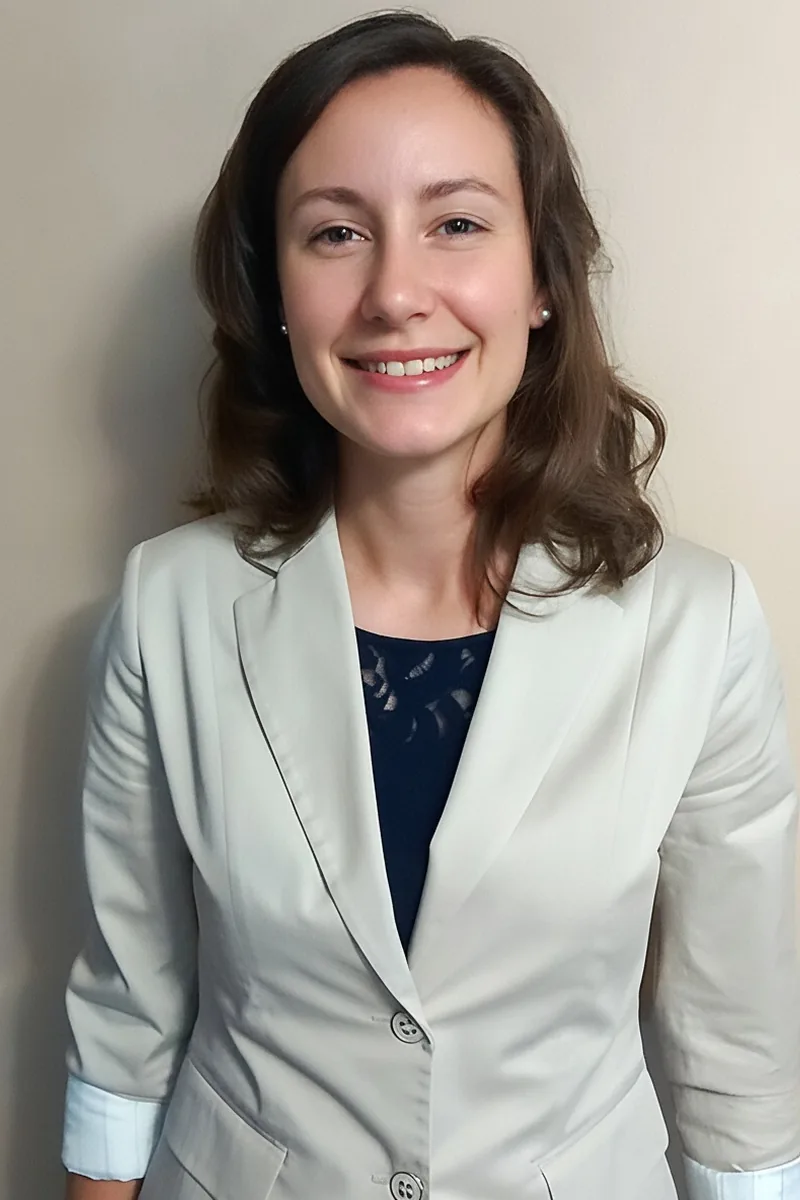
Latin is essentially a giant logic puzzle: every sentence requires students to identify case endings, parse verb forms, and reconstruct meaning from an unfamiliar word order. Mary tackles translation by building systematic habits around declensions and conjugations, then applies them to real passages so students see the language come alive in context.
Between his psychology studies at Yale and his German coursework through level four, Stephen has built the kind of cross-linguistic awareness that makes Latin's grammatical architecture feel less foreign — German's case system in particular maps closely onto Latin's noun declensions. He also prepared for the SAT Subject Test in Latin, which means he's drilled the vocabulary, syntax, and translation speed that classroom exams and standardized assessments both demand.
Having completed Penn's post-baccalaureate program in Classical Studies, Michael knows Latin from the inside out — not just declension tables but the way a periodic sentence builds suspense or how subjunctive mood signals a Roman author's uncertainty. He takes students through grammar systematically while always connecting forms back to real passages from Caesar, Cicero, and Vergil so that translation feels purposeful rather than mechanical. Rated 5.0 by students.
Studying Dante in Bologna under a leading scholar meant David wasn't just translating Italian — he was working backward through the Latin literary tradition that shaped every line of the *Commedia*. That immersion, combined with his coursework in philosophy and European history, gave him a reader's intuition for how Latin syntax builds meaning across long, layered sentences. He covers Latin 1 and 2 and holds a 5.0 rating.
Sarah's liberal arts training across music, theology, and world religions means she's spent years reading texts where Latin isn't just a classroom subject — it's the language sacred music, liturgical history, and philosophical ethics were written in. That lived context makes teaching declensions and conjugations stick, because every grammar concept connects to real hymns, prayers, and historical documents students can actually engage with. Rated 4.8 by students.
Classics majors don't just study Latin — they live in it, and Sarah's undergraduate work means she's spent years translating original texts across genres from poetry to philosophy. She teaches all four levels with particular strength in helping students internalize the subjunctive mood and indirect discourse, two areas where rote memorization fails but understanding the underlying logic pays off.
Caroline's philosophy degree required close engagement with classical texts, and her coursework in ancient and medieval heritage gives her a strong working knowledge of Latin grammar, vocabulary, and sentence structure. She breaks down declensions and conjugations by linking them to the logic of how Romans actually constructed meaning, which makes paradigm charts feel less like rote memorization.
Grace's AP Latin coursework and political science studies at Vanderbilt mean she's read Roman oratory and governance texts in their original language — the kind of dense, clause-heavy prose where getting ablative absolutes and indirect statements right actually matters. She brings that firsthand experience with politically charged Latin passages to her teaching, walking students through how to decode complex syntax by anchoring each grammatical choice in what the author was trying to argue.
Holding a PhD in English, Craig has spent years tracing how Latin's grammatical architecture — its case system, subjunctive moods, and participial constructions — shaped the literary traditions he studies professionally. He teaches Latin 2 and 3 with particular attention to how reading fluency develops, walking students through the process of holding a complex periodic sentence in their head long enough to render it into natural English. Rated 5.0 by students.
Studying Classics at Yale means Maddie doesn't just translate Latin — she lives inside the language, reading original Roman texts as part of her daily coursework across all four levels and beyond. Her Socratic instinct kicks in during translation work especially: rather than correcting a misidentified subjunctive or misread ablative, she asks targeted questions that lead students to catch the error themselves and internalize the grammar rule behind it.
While Latin isn't Tara's primary subject, her science and medical coursework has given her deep familiarity with Latin roots, prefixes, and terminology that form the backbone of the language. She approaches Latin grammar with the same systematic, pattern-based thinking she uses in her science studies — breaking declensions and conjugations into logical structures rather than rote memorization lists.
Philosophy and Latin are deeply entangled — Adam's degree means he's spent years encountering Latin terminology, logical structures, and the classical texts where Western philosophical traditions actually originated. He teaches Latin 1 through 3 with a focus on how grammatical concepts like subjunctive mood and indirect discourse carry philosophical nuance, so students learn to read with precision rather than just decode words. His background in Greek reinforces that classical-languages fluency.
Psychology's technical vocabulary is packed with Latin — terms like "affect," "stimulus," "ego," and "corpus callosum" all come straight from the language, and Aneri's neuroscience coursework at Cornell means she hits these roots constantly. She teaches Latin 1 and 2 with a knack for turning conjugation and declension patterns into something systematic, drawing on the same analytical rigor that earned her a 1520 SAT. Her SAT Subject Test preparation in Latin adds direct experience with the kind of grammar and reading comprehension the language demands.
Testimonials
Because the right Latin tutor makes all the difference.
Average Session Rating – Based on 3.4M Learner Ratings
Other Detroit Tutors
Related Languages Tutors in Detroit
Frequently Asked Questions
Latin is foundational to understanding English vocabulary, history, and Western culture. Students who study Latin typically improve their performance in other subjects—especially English and science—because Latin roots appear in roughly 60% of English words. For students in Detroit preparing for standardized tests or college applications, Latin demonstrates intellectual rigor and strengthens critical thinking skills.
The biggest hurdles are verb conjugation (which requires memorizing multiple forms across tenses and moods) and building vocabulary retention. Many students also struggle with translating Latin's flexible word order and understanding how cases function grammatically. Personalized 1-on-1 instruction helps address these specific pain points by breaking down complex grammar patterns and creating targeted practice for areas where students get stuck.
A tutor will assess your current level—whether you're just starting or working through advanced texts like Cicero or Virgil—and identify your specific goals (passing a class, preparing for AP Latin, or deepening your understanding of classical texts). They'll discuss which areas feel most challenging and create a personalized plan that focuses on your needs, whether that's grammar fundamentals, translation skills, or cultural context.
Yes. While Latin is primarily a written language in modern education, tutors can guide you through pronunciation, help you read Latin aloud with proper inflection, and discuss the language's structure in ways that deepen comprehension. This kind of active engagement—speaking and hearing the language—strengthens memory and helps you internalize grammar patterns better than silent study alone.
Tutors work with whatever curriculum your school uses—whether that's Cambridge Latin Course, Wheelock's Latin, Jenney's Latin, or AP Latin texts. They can also supplement with additional resources tailored to your learning style. If you're studying independently or preparing for standardized exams, tutors help you build a structured learning path that covers essential grammar, vocabulary, and translation skills.
Latin isn't just grammar and vocabulary—it's a window into Roman history, philosophy, and daily life. Understanding cultural context makes texts more meaningful and memorable. Tutors often weave in historical background, explain references in classical texts, and show how Latin shaped Western civilization, which helps students see the language as a living system rather than abstract rules.
AP Latin tutors focus on the specific texts on the exam (currently Vergil's Aeneid and Ovid's Metamorphoses), build rapid translation skills, and develop strategies for handling unseen passages. They work through past exam questions, help you master the vocabulary and grammatical patterns in those texts, and teach test-taking strategies that maximize your score. With Detroit's 20.7:1 student-teacher ratio in schools, personalized tutoring provides the focused attention needed to excel on this challenging exam.
Pricing varies based on the tutor's experience level and your specific needs. Varsity Tutors connects you with tutors across a range of price points, so you can find an option that fits your budget. During your first conversation, you can discuss rates and what's included—whether that's test prep, homework help, or comprehensive grammar instruction—so there are no surprises.
Let’s find your perfect tutor
Answer a few quick questions. We’ll recommend the right plan and match you with a top 5% tutor.