Award-Winning Latin Tutors
serving Chicago, IL
Latin
Tutors in Chicago
Private 1-on-1 tutoring, weekly live classes for academic support, test prep & enrichment, practice tests and diagnostics, and more to elevate grades and test scores.
Based on 3.4M Learner Ratings
UniversitiesSchools & Universities
DeliveredHours Delivered
ProficiencyGrowth in Proficiency
Who needs tutoring?
No obligation. Takes ~1 minute.
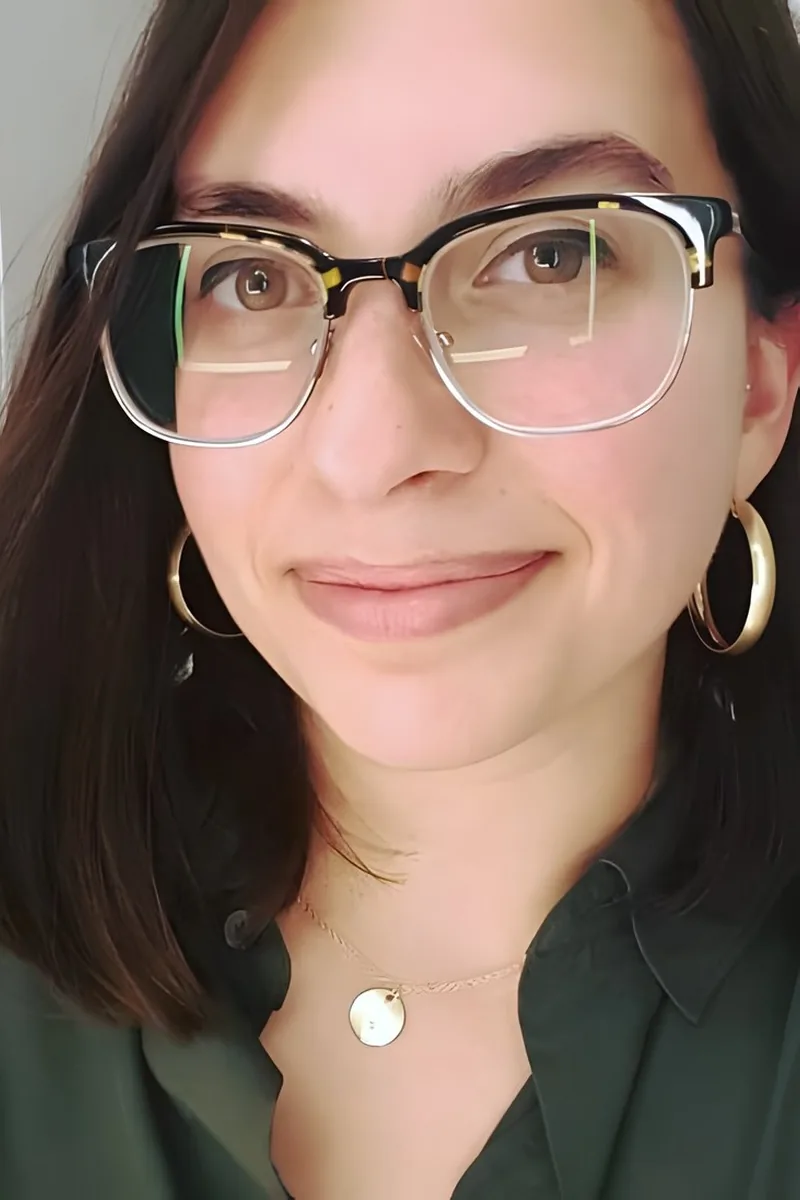
Having studied Latin through all four levels and prepped for the SAT Subject Test in it, Mahalia knows the language well enough to walk students through everything from first-declension nouns to sight-reading passages of original text. Her creative writing background gives her a sharp ear for how sentences are built — a skill that translates directly to parsing Latin word order, identifying clause boundaries, and making sense of authors who bury their main verbs three lines deep. Rated 5.0 by students.

Four years of Latin at Notre Dame — enough to earn a minor — gave Lauren deep fluency with declensions, conjugations, and the grammatical logic that makes translating Virgil or Caesar feel less like guesswork. She teaches students to parse sentence structure methodically, starting with verb identification and working outward, so even complex passages become manageable. Rated 5.0 by students.
Having studied Classics as an undergraduate and built fluency in both French and Mandarin Chinese, Alex approaches Latin not as an isolated language but as part of a broader linguistic toolkit — recognizing how its case system, verb morphology, and syntactic patterns surface across the languages he already reads and speaks. His AP Latin preparation and four levels of study mean he can walk students through everything from basic paradigm memorization to translating dense passages of Virgil or Caesar, with a philosopher's instinct for asking what an author actually means rather than just what the words say.
Three years writing for outlets like the AJC and NPR sharpened Eliza's instinct for how language works at a structural level — an instinct that translates directly to Latin, where every sentence is a puzzle of case endings and verb forms waiting to be decoded. Her English and History double major at Loyola Chicago keeps her reading texts rooted in Latin's literary and political legacy, giving her a natural bridge between grammar drills and the real documents those skills unlock. Rated 4.8 by students.
I am very interested in languages and linguistics, as I currently teach graduate and undergraduate linguistics at Northeastern Illinois University. Outside my day job, I run and bike, and I'm interested in astronomy, nature, history and Shakespeare!
I am a student-focused tutor with experience working with a wide range of age groups and topics. I am devoted to serving in a mentorship role and helping develop individuals through a hands-on, personal teaching style.
Ruth's University of Chicago English degree and SAT Subject Test preparation in Latin mean she's spent serious time with the language's grammar, vocabulary, and literary roots — not just skimming declension charts but actually working through how Latin sentence structure operates. Her high school teaching background gives her a practical sense of where students get tripped up on things like verb conjugations and case identification, and she builds lessons that make those sticking points click. Rated 4.9 by students.
I am currently working toward a teaching certification in Latin. I was the recipient of the 2013 Classical Association of the Middle West and Southern States Award for Outstanding Achievement in Classical Studies. I tutor Latin 1-4, ACT Reading, ACT Writing, Summer Tutoring, GRE Verbal, Homework Support, and Test Prep.
Psychology's technical vocabulary is packed with Latin — from "affect" and "cognition" to diagnostic terms built on classical roots — and Katherine's psych major at St. Olaf means she's been absorbing those connections for years. She pairs that vocabulary awareness with her AP Latin teaching experience to make declension patterns and conjugation rules feel less like rote memorization and more like unlocking a system students already half-recognize from English.
Grace's deep background in grammar, English syntax, and literature gives her a sharp eye for the structural logic that holds Latin together — she treats every sentence as a puzzle where case endings and verb forms unlock meaning. Her teaching of Latin 1 leans heavily on connecting declension and conjugation patterns to the English grammar rules students already know, making the jump to a new language feel less foreign. Rated 5.0 by students.
Declining nouns and conjugating verbs in Latin is one thing; actually reading Virgil or Caesar with comprehension is another. Shannon teaches both, connecting grammatical concepts like ablative absolutes and indirect statements to the passages where students encounter them. Her experience with Latin through multiple levels means she can meet a beginner wrestling with first-declension endings or an advanced student parsing Cicero's periodic sentences.
Holding a Master's degree in Latin, Catherine doesn't just teach the language — she lives in its literature, grammar, and history at a level most tutors can't match. She covers every level from Latin 1 through AP, with particular strength in guiding students from early declension patterns into reading authentic prose and poetry with real confidence. Rated 5.0 by students, she also teaches Greek, giving her the kind of cross-classical perspective that illuminates how Latin syntax and vocabulary function within the broader ancient world.
Few students realize how much Latin overlaps with engineering thinking — every sentence is a system of interlocking parts where case endings, verb forms, and clause boundaries have to be identified and assembled in the right order. June studied Latin through four levels and prepared for the SAT Subject Test in it, giving her fluency with everything from basic noun declensions to reading original texts. Her electrical engineering training at Brown reinforces the same methodical, structure-first approach that makes complex translations manageable.
Reading original Latin manuscripts is central to James's paleography work at Yale, giving him a relationship with the language that goes well beyond grammar drills. He breaks down complex constructions — ablative absolutes, indirect discourse, purpose clauses — by connecting them to real passages from Vergil, Caesar, and Cicero so the syntax starts to feel intuitive.
Three years of peer tutoring in Latin gave Brooke a clear sense of where students get stuck: noun declensions blurring together, ablative absolute constructions, the difference between purpose and result clauses. She walks through translations methodically, connecting each grammatical structure to how Romans actually built their sentences.
Holding a PhD in English, Craig has spent years tracing how Latin's grammatical architecture — its case system, subjunctive moods, and participial constructions — shaped the literary traditions he studies professionally. He teaches Latin 2 and 3 with particular attention to how reading fluency develops, walking students through the process of holding a complex periodic sentence in their head long enough to render it into natural English. Rated 5.0 by students.
Psychology's technical vocabulary is packed with Latin — terms like "affect," "stimulus," "ego," and "corpus callosum" all come straight from the language, and Aneri's neuroscience coursework at Cornell means she hits these roots constantly. She teaches Latin 1 and 2 with a knack for turning conjugation and declension patterns into something systematic, drawing on the same analytical rigor that earned her a 1520 SAT. Her SAT Subject Test preparation in Latin adds direct experience with the kind of grammar and reading comprehension the language demands.
Yuheon's applied mathematics training at Notre Dame built the same kind of systematic, pattern-driven thinking that Latin grammar demands — parsing case endings, matching verb conjugations, and untangling nested clauses all reward a logical, step-by-step mindset. He teaches across all four levels and draws on his own diverse cultural background (having lived in Korea and across the U.S.) to keep the language connected to real history and context rather than isolated drills.
Between a history major at Oberlin, a semester at Trinity College Dublin, and time in a maritime studies program steeped in classical navigation texts, Bennett has encountered Latin in the places it actually lived — legal documents, church records, and the scholarly traditions that shaped European history. He brings that context into grammar lessons, connecting declension patterns and verb forms to the real texts where students can see the language doing actual work. Rated 5.0 by students.
While Latin isn't Tara's primary subject, her science and medical coursework has given her deep familiarity with Latin roots, prefixes, and terminology that form the backbone of the language. She approaches Latin grammar with the same systematic, pattern-based thinking she uses in her science studies — breaking declensions and conjugations into logical structures rather than rote memorization lists.
Claudia's classical studies degree means she didn't just take Latin — she lived inside the language across all four levels, reading original texts alongside the art historical sources that rely on Latin inscriptions, dedications, and catalog terminology. Her library science training adds a researcher's instinct for tracking down how words shift meaning across centuries, which makes vocabulary and grammar lessons feel less like rote memorization and more like detective work. Rated 5.0 by students.
Studying Classics alongside Physics at Vanderbilt means Dylan reads Latin daily as part of his actual degree work — not as a side interest but as a core discipline. That dual training sharpens his ability to teach grammar as a logical system, walking students through subjunctive constructions, indirect statements, and the kinds of prose passages where precision with every case ending matters.
Having taught Latin across four levels, Joana knows exactly where students stumble — the ablative absolute feels impossible until you see it as a compressed clause, and subjunctive mood clicks once you connect it to specific trigger words. She digs into authors like Vergil and Caesar not just for grammar drills but to show how word order and case endings carry meaning that English translations flatten out.
Testimonials
Because the right Latin tutor makes all the difference.
Average Session Rating – Based on 3.4M Learner Ratings
Nearby Latin Tutors
Other Chicago Tutors
Related Languages Tutors in Chicago
Frequently Asked Questions
Latin builds a strong foundation for English vocabulary, grammar, and writing skills—over 60% of English words have Latin roots. Beyond academics, Latin opens doors to classical literature, history, medicine, law, and science. For students in Chicago, Latin also strengthens performance in standardized tests and college applications, as it demonstrates intellectual rigor and commitment to advanced study.
The most common struggles are verb conjugation (Latin has six tenses and four moods), vocabulary retention, and understanding complex grammatical structures like cases and declensions. Many students also find it challenging to transition from translating word-by-word to grasping the flow and meaning of authentic Latin texts. Personalized 1-on-1 instruction helps break down these concepts into manageable pieces and provides targeted practice where you need it most.
Yes. While Latin is primarily a written language, speaking and listening practice strengthen pronunciation, reinforce grammar patterns, and deepen comprehension of classical texts. Tutors can engage you in conversational Latin, read passages aloud together, and help you develop an ear for the language's rhythm and structure. This multi-sensory approach accelerates learning and makes the material more memorable than reading alone.
Chicago's 12 school districts typically follow traditional Latin curricula that progress from foundational grammar and vocabulary (Latin 1) through translation of classical authors like Caesar and Cicero (Latin 2-3), and advanced texts for AP Latin students. Tutors working with students in Chicago are familiar with these sequences and can align instruction with your school's specific curriculum, whether you're building fundamentals or preparing for AP exams.
Your first session focuses on understanding your current level, learning goals, and specific challenges—whether that's mastering verb conjugations, translating Cicero, or preparing for an AP exam. The tutor will assess your strengths and areas for growth, then create a personalized plan tailored to your needs. This foundation ensures every subsequent session builds directly on what matters most for your success.
Both are essential. Understanding Latin grammar rules gives you the tools to decode complex sentences and recognize patterns across texts. But connecting grammar to authentic classical passages—reading how Cicero actually used the subjunctive or how Virgil structured his verses—brings the language to life and deepens retention. Personalized tutoring balances explicit grammar instruction with meaningful exposure to real Latin, helping you think like a classical author rather than just memorizing rules.
AP Latin requires mastery of grammar, rapid translation skills, and deep understanding of classical texts—primarily Virgil's Aeneid and Caesar's Gallic Wars. A tutor can help you build speed and accuracy in translation, deepen your comprehension of the assigned texts, develop strategies for the multiple-choice section, and practice essay responses. With personalized instruction, you'll focus on the specific areas where you need the most support to earn a strong score.
Varsity Tutors connects you with experienced tutors who specialize in Latin and understand Chicago's school curricula. When you get matched with a tutor, you can review their qualifications, experience with Latin students, and teaching approach to ensure it's the right fit. You'll work with someone who not only knows the language deeply but also understands how to teach it effectively to students at your level.
Let’s find your perfect tutor
Answer a few quick questions. We’ll recommend the right plan and match you with a top 5% tutor.