Award-Winning Latin Tutors
serving Rockford, IL
Latin
Tutors in Rockford
Private 1-on-1 tutoring, weekly live classes for academic support, test prep & enrichment, practice tests and diagnostics, and more to elevate grades and test scores.
Based on 3.4M Learner Ratings
UniversitiesSchools & Universities
DeliveredHours Delivered
ProficiencyGrowth in Proficiency
Who needs tutoring?
No obligation. Takes ~1 minute.
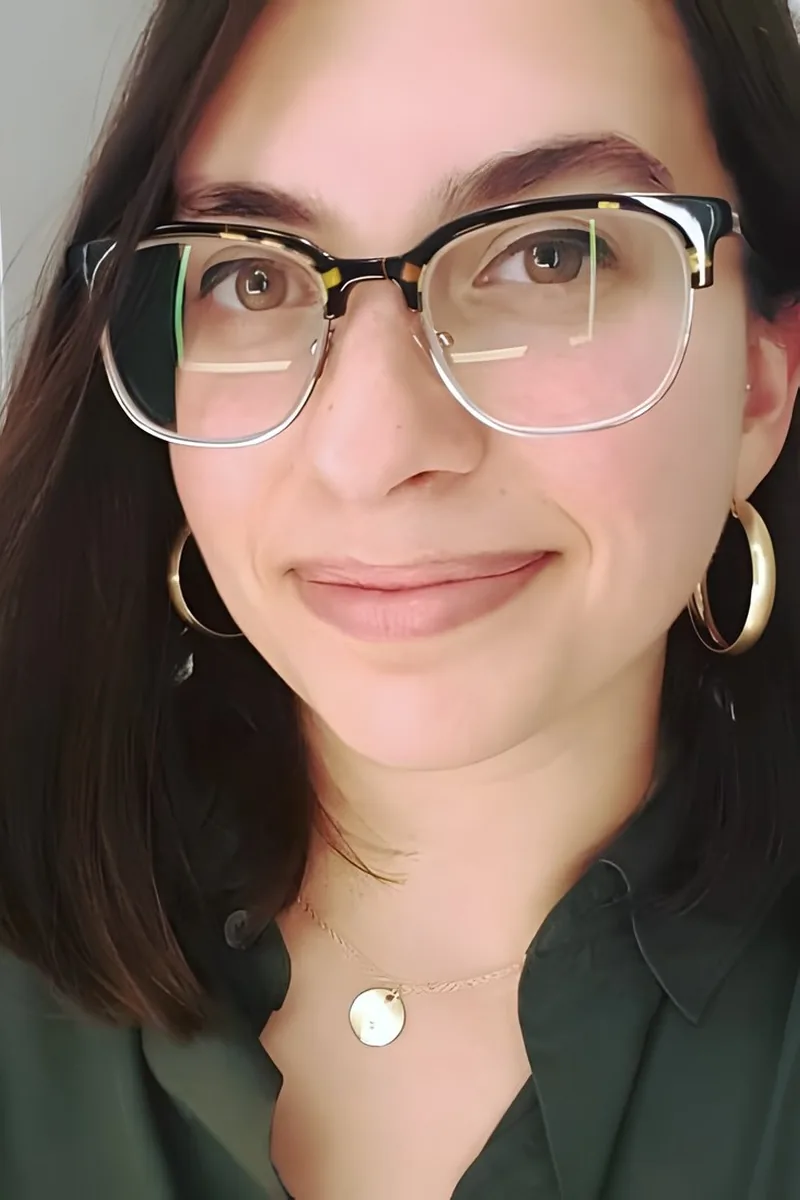
Having studied Latin through all four levels and prepped for the SAT Subject Test in it, Mahalia knows the language well enough to walk students through everything from first-declension nouns to sight-reading passages of original text. Her creative writing background gives her a sharp ear for how sentences are built — a skill that translates directly to parsing Latin word order, identifying clause boundaries, and making sense of authors who bury their main verbs three lines deep. Rated 5.0 by students.

Ruth's University of Chicago English degree and SAT Subject Test preparation in Latin mean she's spent serious time with the language's grammar, vocabulary, and literary roots — not just skimming declension charts but actually working through how Latin sentence structure operates. Her high school teaching background gives her a practical sense of where students get tripped up on things like verb conjugations and case identification, and she builds lessons that make those sticking points click. Rated 4.9 by students.
Four years of Latin at Notre Dame — enough to earn a minor — gave Lauren deep fluency with declensions, conjugations, and the grammatical logic that makes translating Virgil or Caesar feel less like guesswork. She teaches students to parse sentence structure methodically, starting with verb identification and working outward, so even complex passages become manageable. Rated 5.0 by students.
Having studied Classics as an undergraduate and built fluency in both French and Mandarin Chinese, Alex approaches Latin not as an isolated language but as part of a broader linguistic toolkit — recognizing how its case system, verb morphology, and syntactic patterns surface across the languages he already reads and speaks. His AP Latin preparation and four levels of study mean he can walk students through everything from basic paradigm memorization to translating dense passages of Virgil or Caesar, with a philosopher's instinct for asking what an author actually means rather than just what the words say.
Psychology's technical vocabulary is packed with Latin — from "affect" and "cognition" to diagnostic terms built on classical roots — and Katherine's psych major at St. Olaf means she's been absorbing those connections for years. She pairs that vocabulary awareness with her AP Latin teaching experience to make declension patterns and conjugation rules feel less like rote memorization and more like unlocking a system students already half-recognize from English.
Three years writing for outlets like the AJC and NPR sharpened Eliza's instinct for how language works at a structural level — an instinct that translates directly to Latin, where every sentence is a puzzle of case endings and verb forms waiting to be decoded. Her English and History double major at Loyola Chicago keeps her reading texts rooted in Latin's literary and political legacy, giving her a natural bridge between grammar drills and the real documents those skills unlock. Rated 4.8 by students.
I am currently working toward a teaching certification in Latin. I was the recipient of the 2013 Classical Association of the Middle West and Southern States Award for Outstanding Achievement in Classical Studies. I tutor Latin 1-4, ACT Reading, ACT Writing, Summer Tutoring, GRE Verbal, Homework Support, and Test Prep.
Grace's deep background in grammar, English syntax, and literature gives her a sharp eye for the structural logic that holds Latin together — she treats every sentence as a puzzle where case endings and verb forms unlock meaning. Her teaching of Latin 1 leans heavily on connecting declension and conjugation patterns to the English grammar rules students already know, making the jump to a new language feel less foreign. Rated 5.0 by students.
Declining nouns and conjugating verbs in Latin is one thing; actually reading Virgil or Caesar with comprehension is another. Shannon teaches both, connecting grammatical concepts like ablative absolutes and indirect statements to the passages where students encounter them. Her experience with Latin through multiple levels means she can meet a beginner wrestling with first-declension endings or an advanced student parsing Cicero's periodic sentences.
I am very interested in languages and linguistics, as I currently teach graduate and undergraduate linguistics at Northeastern Illinois University. Outside my day job, I run and bike, and I'm interested in astronomy, nature, history and Shakespeare!
I am a student-focused tutor with experience working with a wide range of age groups and topics. I am devoted to serving in a mentorship role and helping develop individuals through a hands-on, personal teaching style.
Studying Classics at Yale means Maddie doesn't just translate Latin — she lives inside the language, reading original Roman texts as part of her daily coursework across all four levels and beyond. Her Socratic instinct kicks in during translation work especially: rather than correcting a misidentified subjunctive or misread ablative, she asks targeted questions that lead students to catch the error themselves and internalize the grammar rule behind it.
Four levels of Latin coursework gave Noah deep familiarity with declensions, conjugations, and the sentence structures that trip students up most — ablative absolutes, indirect statements, and purpose clauses. He approaches Latin translation almost like parsing code: breaking a sentence into its grammatical components before assembling meaning. That systematic method makes even dense passages from Caesar or Virgil feel manageable.
Cristiana earned her BA in Classics from Tor Vergata University in Rome, where Latin wasn't just an academic exercise but part of the scholarly air she breathed daily. She tackles declensions, conjugations, and prose composition by connecting grammar to the literature students actually want to read — Caesar, Cicero, Virgil — so syntax rules stick because they're attached to real sentences.
An applied mathematics degree and a computer science master's give Daniel an unusual toolkit for Latin — he approaches grammar the way a programmer approaches syntax, where every case ending and conjugation follows strict rules that either compile correctly or produce a visible error. That debugging mindset turns translation exercises into logic puzzles, making it easier for students to spot why a sentence breaks down and how to fix it. Rated 5.0 by students.
Claudia's classical studies degree means she didn't just take Latin — she lived inside the language across all four levels, reading original texts alongside the art historical sources that rely on Latin inscriptions, dedications, and catalog terminology. Her library science training adds a researcher's instinct for tracking down how words shift meaning across centuries, which makes vocabulary and grammar lessons feel less like rote memorization and more like detective work. Rated 5.0 by students.
Classics majors don't just study Latin — they live in it, and Sarah's undergraduate work means she's spent years translating original texts across genres from poetry to philosophy. She teaches all four levels with particular strength in helping students internalize the subjunctive mood and indirect discourse, two areas where rote memorization fails but understanding the underlying logic pays off.
Having studied Latin intensively through advanced levels at Yale, Malina treats the language as a system of interlocking patterns rather than a list of endings to memorize. She digs into how ablative absolutes, indirect discourse, and subjunctive clauses actually function in passages from Caesar, Virgil, and Cicero — so students learn to read Latin, not just decode it.
Biomedical sciences coursework means Sam encounters Latin daily — anatomical nomenclature, pharmacological terms, and disease classifications all trace directly back to the language's vocabulary and word-formation rules. That constant exposure to Latin roots and prefixes in a scientific context gives him a practical angle on teaching vocabulary acquisition, while his SAT verbal preparation (1530 composite) sharpened the grammatical parsing skills that make declensions and sentence structure click.
Having taught Latin 1 through Latin 4, Cassandra covers everything from first-declension nouns to translating Virgil and Cicero at an advanced level. Her literary training means she doesn't just parse grammar mechanically — she unpacks how word order, meter, and rhetorical figures create meaning in the original text.
Antony holds both a bachelor's and a master's degree in Classics, which means years of sustained reading in Latin prose and verse — not just a semester or two of grammar drills. That depth shows when he teaches syntax: he can walk a student through a dense periodic sentence from Cicero and explain exactly why the subjunctive appears where it does, connecting grammatical rules to how Roman authors actually wrote. Rated 5.0 by students.
Caroline's philosophy degree required close engagement with classical texts, and her coursework in ancient and medieval heritage gives her a strong working knowledge of Latin grammar, vocabulary, and sentence structure. She breaks down declensions and conjugations by linking them to the logic of how Romans actually constructed meaning, which makes paradigm charts feel less like rote memorization.
Classics majors don't just dabble in Latin — Rebecca is building her entire undergraduate degree around the language and its literary tradition, covering all four levels plus AP. That depth means she can walk a first-year student through basic conjugation patterns and then, in the next session, tackle the syntactic complexity of reading Vergil or Cicero in the original. Rated 5.0 by students.
Testimonials
Because the right Latin tutor makes all the difference.
Average Session Rating – Based on 3.4M Learner Ratings
Nearby Latin Tutors
Other Rockford Tutors
Related Languages Tutors in Rockford
Frequently Asked Questions
Varsity Tutors matches Rockford students with expert Latin tutors for 1-on-1 instruction. We pair each student with a tutor based on their specific needs, learning style, and goals.
Whether you need homework help, exam prep, or want to get ahead, our Latin tutors are ready to help.
Common challenges include gaps from earlier material, difficulty with specific concepts, and trouble applying learning to new problems. These issues can snowball quickly in Latin.
A tutor identifies where you're stuck, fills in gaps, and provides targeted practice. The 1-on-1 format means you get help exactly where you need it.
Tutors work with your student's actual coursework—homework assignments, class notes, and upcoming tests. This keeps tutoring directly relevant to what's happening in the classroom.
When you share information about your student's school and curriculum, we can match you with a tutor who has relevant experience.
All tutors complete background checks, credential verification, and teaching evaluation. Many of our Latin tutors hold advanced degrees or have years of teaching experience.
You can review tutor profiles to find someone with the right background for your student's level and needs.
Many students see improved grades within a few weeks, along with better understanding of Latin concepts and more confidence tackling challenging material.
Tutors track progress and adjust their approach to ensure continued improvement.
Most students benefit from 1-2 sessions per week. More frequent sessions help if your student is significantly behind or has an important exam coming up.
Your tutor can recommend a schedule based on your student's specific situation and goals.
Tutoring is purchased in packages of hours, with rates varying by tutor experience. Varsity Tutors offers several options to fit different budgets and needs.
You can discuss pricing during your consultation to find what works best.
Your tutor will assess where your student is, discuss goals, and start working on priority areas. Most students bring current homework or upcoming test material to focus on.
By the end, you'll have a clear sense of how the tutor can help and a plan for moving forward.
Let’s find your perfect tutor
Answer a few quick questions. We’ll recommend the right plan and match you with a top 5% tutor.