Award-Winning Japanese Tutors
serving Phoenix, AZ
Japanese
Tutors in Phoenix
Private 1-on-1 tutoring, weekly live classes for academic support, test prep & enrichment, practice tests and diagnostics, and more to elevate grades and test scores.
Based on 3.4M Learner Ratings
UniversitiesSchools & Universities
DeliveredHours Delivered
ProficiencyGrowth in Proficiency
Who needs tutoring?
No obligation. Takes ~1 minute.
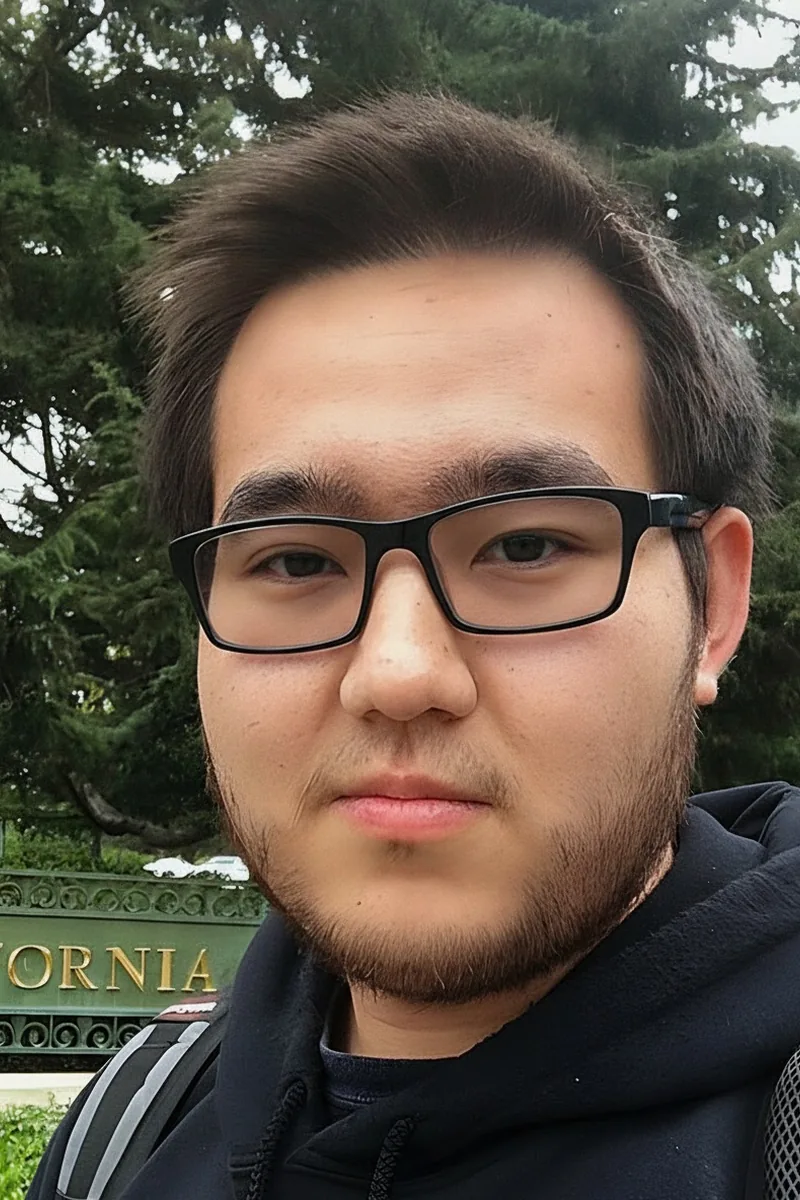
I am studying Chemical Biology in UC Berkeley. One of my passions is Organic Chemistry, which I used to loath but now enjoys after taking a year of it. Also, because I like helping others, I enjoys tutoring/teaching students who are struggling. During high school, I have tutored other high students after school on various subjects such as Math, Physics, Chemistry, and Latin. During college, I have held informal review sessions for General Chemistry and Organic Chemistry for my underclassmen. I tutored my roommate and one of my underclassmen in Organic Chemistry. Finally, with a Graduate Student TA, I co-taught a Organic Chemistry Lab class section , where I answer questions regarding lab material and demonstrate lab techniques. Currently, I am interested in tutoring Organic Chemistry, General Chemistry, Biochemistry, Physics, and Calculus
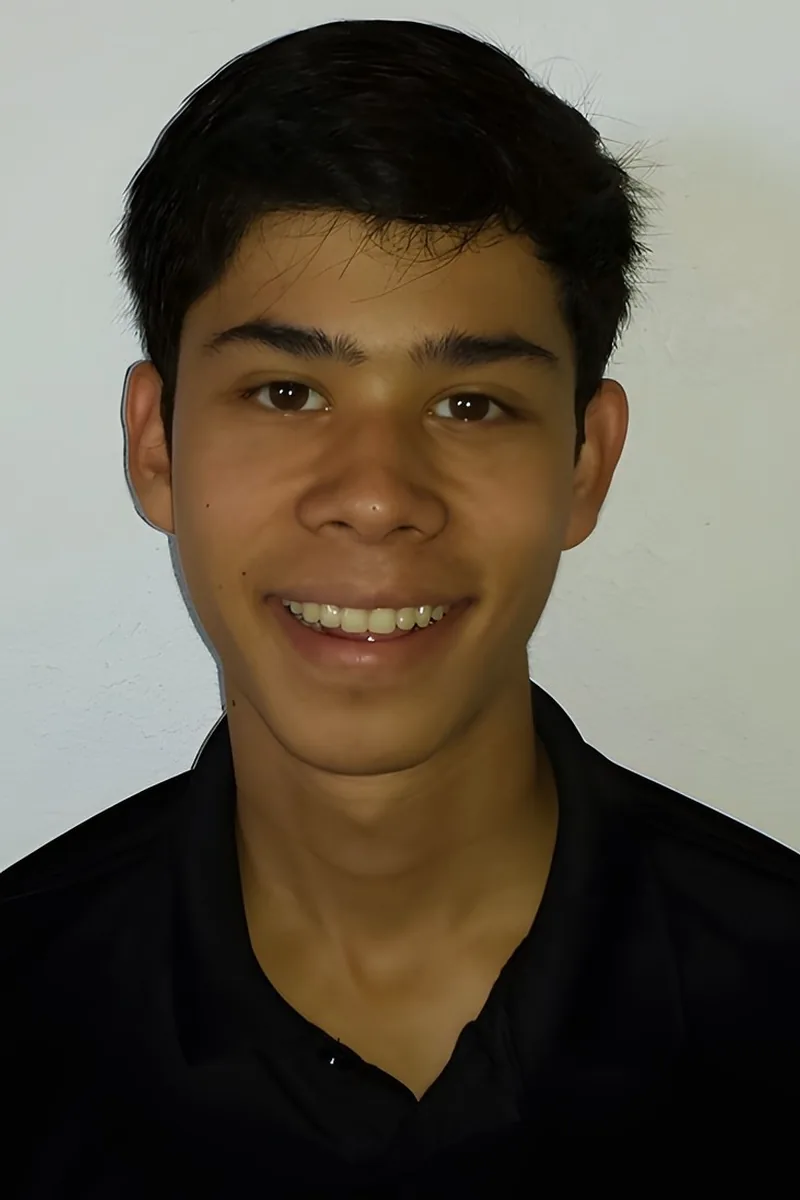
Having prepared for and taken the SAT Subject Test in Japanese with Listening, Dylan brings practical fluency in grammar structures like particle usage, verb conjugation groups, and honorific registers. He tackles reading comprehension by teaching students to decode kanji compounds in context rather than relying purely on rote memorization. Rated 5.0 by students.
As an Asian Studies major at Duke, Caitlin engages with Japanese language in an academic context that goes beyond textbook dialogues — she understands how kanji, hiragana, and katakana each function within the writing system and why particles like は and が trip up English speakers. She walks through sentence structure and honorific levels with cultural context that makes the grammar patterns memorable.
Sho teaches Japanese with attention to the details that trip up English speakers most — particle usage, verb conjugation groups, and the shift between casual and polite registers. Whether a student is learning hiragana for the first time or working through intermediate kanji and grammar patterns, he brings structured practice to a language that rewards consistency.
I'm a candidate for a B.S. in Business Administration at Northeastern University. In addition to tutoring, I enjoy playing the tuba and learning about transportation engineering/planning. I'm also fully Japanese and can read, write, and speak the language. As someone who scored 1530 on the SAT and 800 on the Math II subject test, I'd love to assist you in preparing for college!
As a native Japanese speaker with over fifty years of fluency in reading, writing, and conversation, Hatsuki teaches the language the way it's actually used — from particle usage and keigo (honorific speech) to the nuances between hiragana, katakana, and kanji in everyday contexts. She currently lives in the U.S. with her family, giving her a natural understanding of where English speakers stumble with Japanese grammar and pronunciation.
I am currently finishing my thesis. For the past two years I was an adjunct instructor at The City College of New York, teaching statistics and introductory neuroscience, where I learned the importance of communicating complicated concepts clearly at an individualized level. All of my classes performed above average, and I discovered how satisfying it is to help people understand difficult ideas. I've found that by creating a good rapport with my students I am able to more effectively impart difficult concepts to them while causing them less stress. My passion is people, which first led me to study psychology, leading to my work in statistics, and later into teaching.
Holding a degree in Japanese Studies, Andrew brings deep familiarity with not just hiragana, katakana, and kanji but also the cultural context that shapes how the language actually works — keigo politeness levels, sentence-ending particles, and the logic behind counter words. He connects grammar patterns to real conversation so students internalize structures instead of just drilling flashcards.
I'm currently a freshman at Brown University. I will most likely triple major in Ancient Greek & Sanskrit, Latin, and Japanese. I have had lots of experience tutoring those around me, such as friends, peers, and class mates, and I have always enjoyed seeing their progress as students. My tutoring experiences include after-school assistance to those struggling in Ancient Greek at my former high school, to helping Juniors and Sophomores help ace the SAT. My specialty is language and history, with an emphasis on Japanese, English, Latin, US history and World History, but I am also more than happy to help out those struggling with Algebra and Geometry. As someone who was once an ESL student himself, I believe that a good education rests upon the ability to comprehend, interact, and apply ideas. Besides academic matters, I am also fond of running, calisthenics, and Enka music.
A PhD in linguistics means Lewis doesn't just know languages — he understands how they work structurally, which is exactly what you need when Japanese throws you grammar that has zero English parallels. He applies that analytical framework to breaking down sentence-final particles, SOV word order, and the logic behind verb conjugation so the patterns become predictable rather than random. His experience teaching ESL/ELL also means he's practiced at bridging the gap between how English and non-European languages organize meaning.
Damien studied Asian studies at Cornell, where Japanese language and culture were central to his coursework. He approaches the language by grounding grammar patterns — particles like は versus が, verb conjugation groups, and sentence-ending forms — in real context so they stick. Rated 5.0 by students, he makes the jump from textbook exercises to actual comprehension feel manageable.
I am particularly passionate about math as well as standardized test prep. I studied math on a double-accelerated track throughout middle school and high school, covering math from algebra to multivariable calculus. Aside from teaching academic subjects, I am also trained in playing the piano and violin, having taken lessons for piano from the ages of 4 to 18 and playing violin in my school orchestra from 5th to 12th grade. I love working with students to improve their skills in an area of study, and my favorite part is getting to see them gain confidence in themselves and their own abilities!
Brian prepared for and took the SAT Subject Test in Japanese with Listening, which means he's worked through the grammar structures, kanji recognition, and listening comprehension challenges that define intermediate Japanese study. He approaches language learning with the same systematic thinking he applied to economics and CS at Caltech — breaking down sentence patterns and verb conjugations into logical rules rather than pure memorization.
Testimonials
Because the right Japanese tutor makes all the difference.
Average Session Rating – Based on 3.4M Learner Ratings
Other Phoenix Tutors
Related Languages Tutors in Phoenix
Frequently Asked Questions
In a typical classroom setting with Phoenix's 17.6:1 student-teacher ratio, students get limited opportunity for actual conversation practice. Personalized 1-on-1 instruction with expert tutors provides dedicated speaking time where you can practice real dialogue, receive immediate feedback on pronunciation and natural phrasing, and build confidence in verbal communication. Tutors can tailor conversations to your interests and proficiency level, making speaking practice engaging rather than repetitive drills.
Japanese verb conjugation is notoriously challenging because verbs change based on tense, formality level, and grammatical function in ways that English doesn't require. Rather than memorizing conjugation tables in isolation, expert tutors help you understand the patterns and then practice them in realistic contexts—like ordering at a restaurant or discussing your plans with someone. This combination of explanation and contextual practice makes conjugations stick much better than traditional textbook approaches.
The three writing systems can feel daunting, but they're best learned sequentially with a structured plan. Hiragana and katakana (each with ~46 characters) typically take 4-8 weeks to master with consistent practice. Kanji is a longer journey—around 2,000 characters are needed for everyday reading. Expert tutors create personalized learning schedules based on your goals, use spaced repetition techniques to improve retention, and integrate writing practice with reading and speaking so the systems feel connected to real communication rather than isolated rote learning.
Language and culture are deeply connected in Japanese—honorifics, formality levels, and even vocabulary choices depend on understanding social context and cultural values. Expert tutors who understand Japanese culture can explain why certain phrases are used in specific situations, discuss cultural customs and media that make the language feel more real, and help you develop the cultural intuition that native speakers have naturally. This immersion approach makes you a more effective communicator, not just someone who knows grammar rules.
Conversational fluency typically requires 600-750 hours of study according to language learning research. With consistent personalized tutoring combined with your own study practice, many students reach conversational ability within 12-18 months. The timeline varies based on your starting point, how frequently you study, and how much you practice outside of tutoring sessions. Expert tutors can create a realistic roadmap for your specific goals, whether that's casual conversation, professional communication, or preparation for standardized proficiency tests.
Vocabulary retention improves dramatically when words are learned in context and used repeatedly over time—simply memorizing lists is inefficient. Expert tutors use spaced repetition techniques, introduce new vocabulary through conversations and real-world scenarios, and help you create meaningful associations between words and their usage. They also teach you kanji roots and word-building patterns that help you recognize and remember new words independently, reducing your dependence on rote memorization.
Varsity Tutors connects Phoenix students with expert tutors who specialize in Japanese at all proficiency levels—whether you're just starting with hiragana or preparing for JLPT certification. The matching process takes your specific goals, learning style, and schedule into account. You can discuss your objectives upfront, whether that's conversational fluency, academic coursework support, or test preparation, and get matched with a tutor experienced in exactly what you need.
Let’s find your perfect tutor
Answer a few quick questions. We’ll recommend the right plan and match you with a top 5% tutor.