Award-Winning AP Spanish Language & Culture Tutors
serving Phoenix, AZ
AP Spanish Language & Culture
Tutors in Phoenix
Private 1-on-1 tutoring, weekly live classes for academic support, test prep & enrichment, practice tests and diagnostics, and more to elevate grades and test scores.
Based on 3.4M Learner Ratings
UniversitiesSchools & Universities
DeliveredHours Delivered
ProficiencyGrowth in Proficiency
Who needs tutoring?
No obligation. Takes ~1 minute.
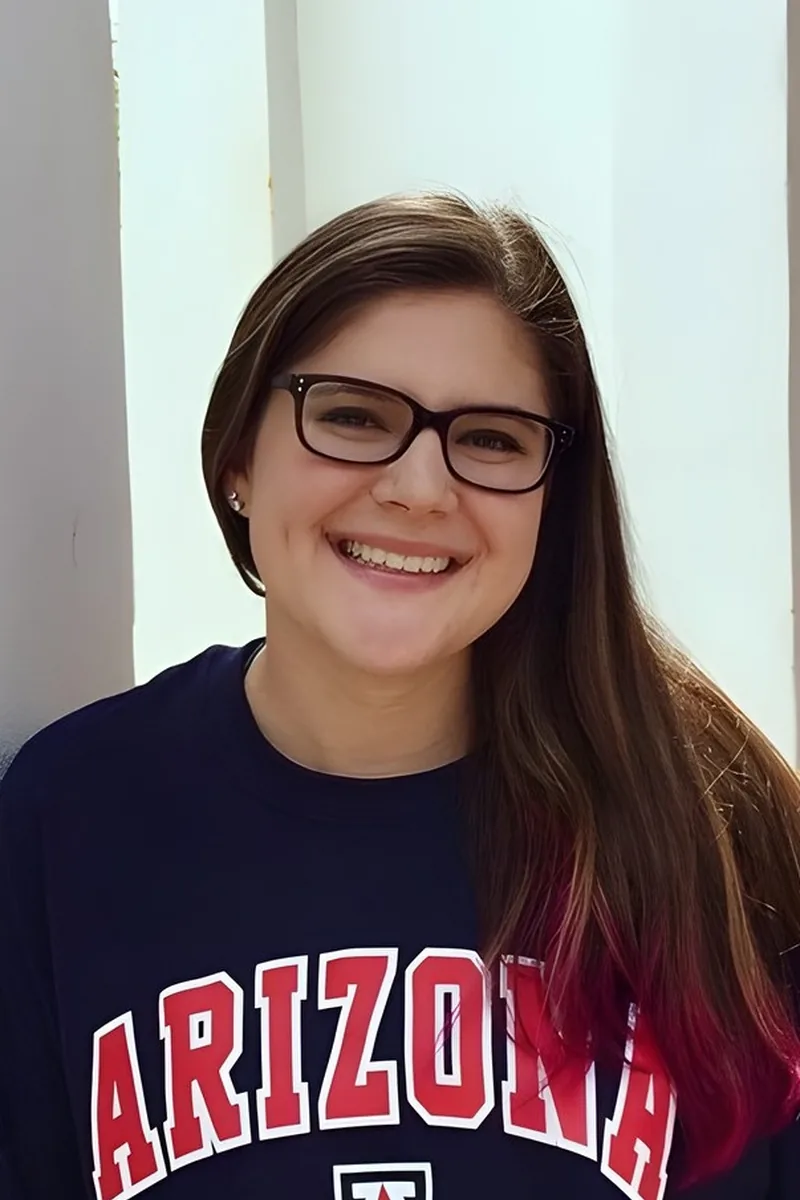
Alex's chemical engineering and anthropology degrees from Washington and Lee make an unexpectedly useful pairing for AP Spanish — the engineering side builds systematic thinking about grammar structures like subjunctive triggers and pronoun placement, while the anthropology training sharpens the cultural analysis the exam's free-response prompts demand. He teaches Spanish 3 and 4, so he's already comfortable working at the level of complexity the AP exam expects in timed persuasive essays and spoken responses. Rated 4.8 by students.
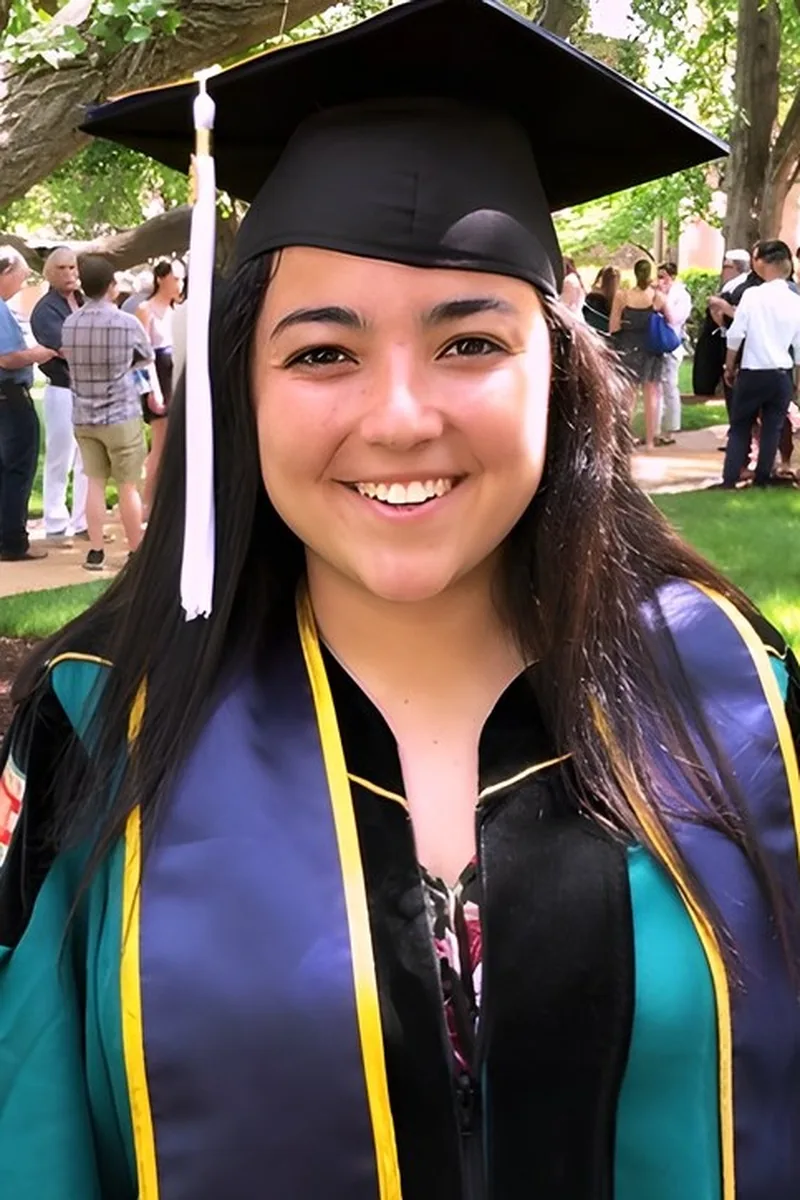
Born in Colombia and raised speaking Spanish at home, Manuela brings native fluency to AP Spanish Language & Culture — but what sets her apart is her academic training in Romance Languages, which means she can explain the grammar rules she uses instinctively. She tackles the exam's trickiest components, like the persuasive essay and cultural comparison presentational speaking tasks, by drilling source synthesis and formal register. Her 5.0 rating speaks to how well that combination works.
Alex's tutoring background spans a wide range of academic subjects, but AP Spanish Language & Culture is not one of his primary areas of expertise. Students preparing for this exam should look for a tutor with demonstrated fluency in Spanish and specific experience with the interpersonal and presentational communication tasks the exam requires.
Joshua teaches Spanish from level 1 through AP and pairs that with four levels of Latin, so he's used to thinking about how Romance languages borrow structures from their classical roots — a perspective that sharpens his explanations of tricky Spanish grammar like subjunctive triggers and conditional sequences. His 1600 SAT reflects the kind of precise reading and analytical writing skills that translate directly to the AP exam's source-synthesis and persuasive essay tasks.
Courtney minored in Spanish during her sociology degree, which means she's comfortable navigating both the language mechanics and the cross-cultural analysis the AP exam demands — particularly the cultural comparison task, where sociological thinking gives her a distinct edge. She also teaches CLEP Spanish and the SAT Subject Tests in Spanish, so she's used to coaching students through timed, high-stakes language assessments where formal register and quick recall matter. Rated 5.0 by students.
Earning a doctorate in Spanish & Portuguese required Casey to operate at full academic fluency — presenting research, debating theory, and writing at the highest register. She channels that depth into AP Language prep, drilling students on the interpersonal speaking prompts, persuasive essay structures, and audio-source synthesis that make up the exam's trickiest sections.
Richard earned the highest scores on the AP Spanish exam with listening after double-majoring in Spanish at Emory and studying in Spain. He tackles the presentational writing and interpersonal speaking tasks by drilling the idiomatic expressions, subjunctive constructions, and cultural references that push students from competent into the 4–5 scoring range.
Scoring well on AP Spanish Language & Culture means toggling fluently between interpersonal conversation, presentational writing, and audio-source synthesis — three very different skill sets tested in one exam. Reta has taken the exam, completed years of university-level Spanish, and spent time living abroad in Spanish-speaking countries, so her command of register, idiomatic expression, and cultural context is practical, not just academic. She drills the comparison essay and simulated conversation formats until students feel genuinely comfortable producing Spanish under pressure.
Fluent in Spanish after living in a Spanish-speaking country, Lisanne brings real-world command of the language to AP Spanish prep — not just textbook knowledge. She tackles the exam's trickiest components, like the persuasive essay and cultural comparison, by teaching students to think and organize ideas directly in Spanish. Her experience tutoring every level from Spanish 1 through AP means she quickly identifies the grammar gaps holding a student back from a top score.
Born in Bolivia and fluent in Spanish from childhood, Geraldine brings native-level command to the AP Spanish Language & Culture exam's trickiest components: the persuasive essay, the cultural comparison, and the simulated conversation. She drills students on transitional phrases, formal register, and the specific cultural knowledge the College Board expects. Her familiarity with Latin American customs and idioms gives students an authentic reference point beyond the textbook.
A cognitive sciences degree with a minor in Spanish means Adam approaches the language analytically — he treats subjunctive triggers and register shifts as pattern-recognition problems, which clicks for students who struggle with the "just memorize it" approach to grammar. His 34 ACT confirms strong reading and reasoning skills that translate directly into coaching the AP exam's interpretive reading and audio tasks, where extracting meaning from authentic Spanish sources under time pressure is half the battle.
Ryan's American Studies background means he already thinks in terms of cross-cultural comparison — a skill that maps directly onto the AP Spanish exam's cultural comparison task, where students need to connect practices across communities with nuance and specificity. He teaches Spanish from level 2 through AP and conversational Spanish, so he bridges the gap between structured grammar work and the kind of spontaneous communication the interpersonal speaking section rewards.
Tackling AP Spanish Language & Culture means producing polished interpersonal and presentational writing under timed conditions. Lillian breaks down the persuasive essay and email reply tasks by drilling subjunctive triggers, transition phrases, and the cultural comparison framework the rubric specifically rewards.
Testimonials
Because the right AP Spanish Language & Culture tutor makes all the difference.
Average Session Rating – Based on 3.4M Learner Ratings
Nearby AP Spanish Language & Culture Tutors
Other Phoenix Tutors
Related Languages Tutors in Phoenix
Frequently Asked Questions
The AP Spanish Language & Culture exam tests your ability to understand and communicate in Spanish across three modes: interpersonal (conversations), interpretive (reading and listening), and presentational (speaking and writing). The exam includes multiple-choice sections on reading and listening comprehension, as well as free-response sections where you'll write emails, give presentations, and participate in conversations. Success requires not just grammar knowledge, but cultural understanding and the ability to communicate authentically in real-world contexts.
Score improvement depends on your starting point and how consistently you engage with personalized instruction. Students who work with expert tutors typically see the most gains by focusing on their weakest sections—whether that's conversational fluency, essay writing, or listening comprehension—rather than trying to improve everything at once. Many students jump from a 2 or 3 to a 4 or 5 by targeting specific skills like pronunciation, verb conjugation accuracy, or cultural context in written responses. The key is identifying exactly where you're losing points and building targeted practice around those areas.
The most common struggles are managing the speaking and writing sections under time pressure, maintaining accurate verb conjugation in real-time communication, and understanding native-speed listening passages. Many students also underestimate the cultural component—the exam expects you to recognize and discuss cultural nuances, not just translate words. Additionally, the conversational sections require quick thinking and natural responses, which feels very different from traditional classroom Spanish where you have time to think through grammar rules.
Start by taking a practice test to identify which sections drain your score most—reading, listening, writing, or speaking—then build your tutoring plan around those weak areas. If speaking fluency is your challenge, prioritize conversational practice and pronunciation work. If writing is the issue, focus on essay structure, verb tense accuracy, and how to incorporate cultural references naturally. Expert tutors will also help you develop time-management strategies for each section and teach you how to approach different question formats so you're not wasting time figuring out what's being asked.
Ideally, you should take at least 3-4 full-length practice tests under timed conditions in the weeks leading up to the exam, spacing them out so you have time to review and adjust your strategy between attempts. After each practice test, spend time analyzing which questions you missed and why—was it a vocabulary gap, a grammar misunderstanding, or a pacing issue? This reflection is where real improvement happens. Tutors can help you review practice tests strategically, pointing out patterns in your mistakes and showing you how to avoid the same errors on test day.
While a native speaker can be incredibly valuable for authentic pronunciation, conversational flow, and cultural insights, what matters most is finding a tutor who understands the AP exam format and knows how to teach test-taking strategy. Some of the best AP Spanish tutors are highly fluent non-native speakers who've taken the exam themselves and understand the specific challenges you face. Varsity Tutors connects you with expert tutors who have proven success helping students master AP Spanish—whether they're native speakers or advanced learners who've walked the same path.
Most students benefit from starting tutoring 2-3 months before the exam, though this depends on your current Spanish level and target score. If you're aiming for a 4 or 5, you'll want more time to refine your speaking and writing skills than if you're targeting a 3. A typical study schedule includes 1-2 tutoring sessions per week combined with independent practice—listening to Spanish media, writing essays, and doing timed practice questions. Your tutor can help you build a personalized timeline based on your starting point and goals.
Your first session is all about assessment and planning. You'll likely take a diagnostic test or work through sample questions so your tutor can identify your strengths and pinpoint exactly where you're losing points. You'll discuss your target score, timeline, and which sections feel most challenging. From there, your tutor will create a personalized study plan focused on the skills that will have the biggest impact on your score. This foundation makes every session that follows more efficient and targeted.
Let’s find your perfect tutor
Answer a few quick questions. We’ll recommend the right plan and match you with a top 5% tutor.