Award-Winning German Tutors
serving Tucson, AZ
German
Tutors in Tucson
Private 1-on-1 tutoring, weekly live classes for academic support, test prep & enrichment, practice tests and diagnostics, and more to elevate grades and test scores.
Based on 3.4M Learner Ratings
UniversitiesSchools & Universities
DeliveredHours Delivered
ProficiencyGrowth in Proficiency
Who needs tutoring?
No obligation. Takes ~1 minute.
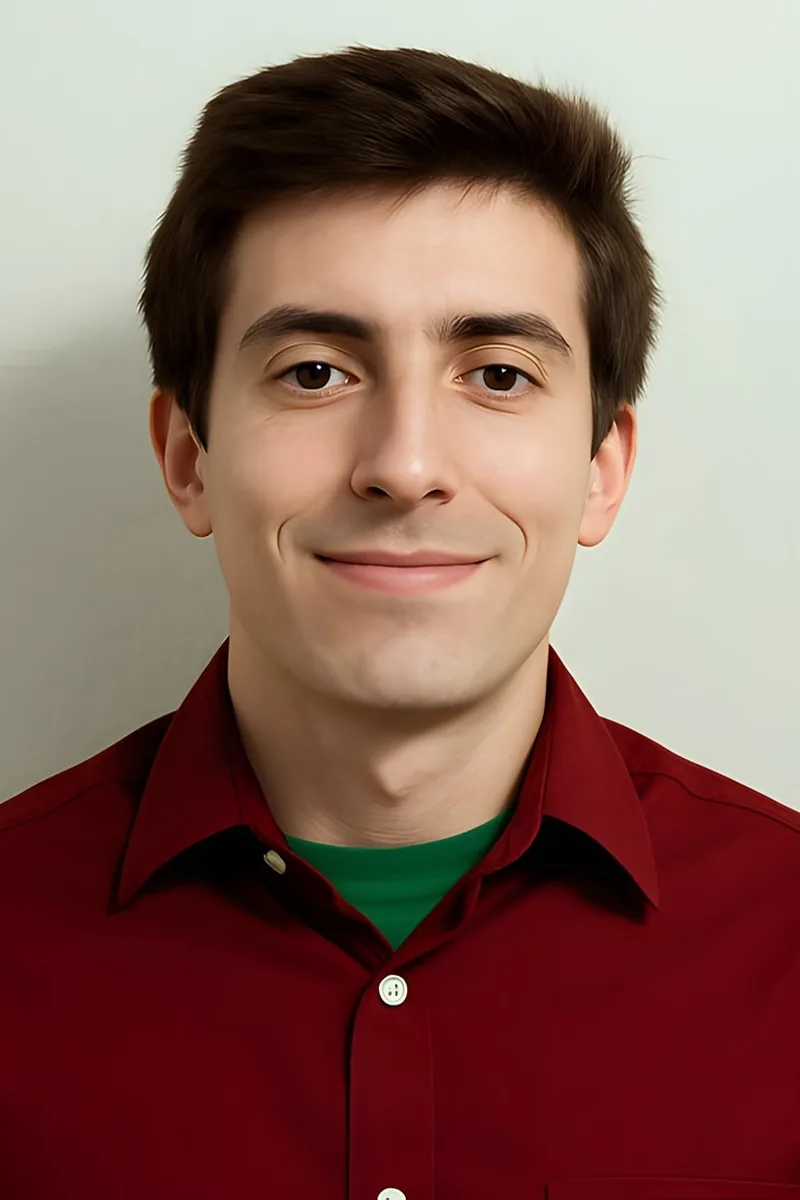
German's case system — nominative, accusative, dative, genitive — trips up nearly every English speaker learning the language. Jamison teaches across all four levels of German and unpacks these grammar patterns by connecting them to sentence logic, so students internalize the rules instead of just memorizing tables.
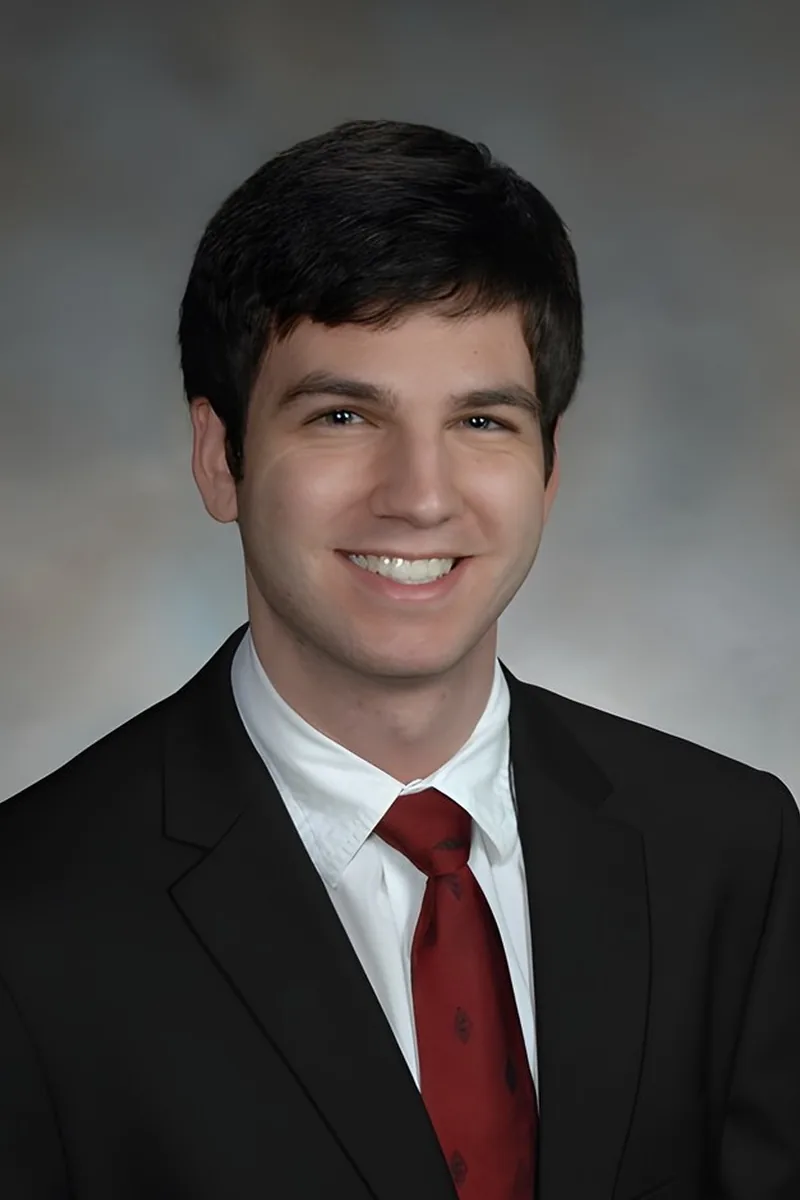
Learning German grammar — cases, verb conjugation, word order — rewards the same kind of systematic pattern recognition that Eric uses in his science background. He tackles tricky concepts like accusative vs. dative case by connecting rules to practical usage, so the logic behind the language starts to feel intuitive rather than arbitrary.
Stephen teaches German at multiple levels — from mastering case endings and der/die/das patterns to navigating subordinate clause word order that trips up so many English speakers. His coursework through German 4 means he can bridge the gap between textbook grammar drills and actually understanding how the language fits together.
German's case system, separable prefixes, and word order rules intimidate a lot of learners, but Jamie tackles them through immersion in compelling, context-rich material rather than isolated grammar exercises. Students pick up Akkusativ and Dativ distinctions by hearing and reading them repeatedly in stories and cultural content that actually holds their attention. The result is German that sticks because it was acquired, not just memorized.
Hani studied German through two levels and brings an engineer's systematic approach to the language — mapping out case declensions, verb conjugation patterns, and word-order rules as logical structures rather than lists to memorize. For students working through German 1 or 2, he connects grammar concepts to practical sentence-building so that rules like accusative vs. dative stop feeling arbitrary.
Three levels of German instruction give Ben a clear picture of where students stumble — whether it's navigating noun cases, mastering separable verbs, or building confidence with spoken conversation. He approaches German grammar as a logical system with predictable patterns, which makes concepts like dative prepositions and adjective endings feel less arbitrary and more manageable.
A pre-med student at UNC with minors in chemistry and biology, Dimitry also carries German through the advanced level — an uncommon combination that means he's used to toggling between technical and linguistic precision. He approaches German grammar with the same diagnostic thinking he brings to the sciences, making case systems and verb conjugation feel less like arbitrary rules and more like solvable puzzles. Rated 4.9 by students.
Between her Northwestern coursework and studies in German-language opera repertoire — from Mozart to Strauss — Ilana developed a working fluency that goes beyond classroom German. She tackles tricky grammar concepts like case endings and separable verbs by connecting them to patterns students already recognize, making the logic of German sentence structure feel less foreign. Rated 5.0 by students.
Evan studied German formally as part of his undergraduate degree, which means he knows the grammar inside out — case endings, separable verbs, subordinate clause word order, all of it. He connects each rule to how German actually sounds and reads in real texts, so students internalize patterns instead of just memorizing tables.
Fluent in German and trained as a PhD-level linguist, Niko teaches the language with an ear for how its grammar actually works — case endings, verb placement, subordinate clause structure — instead of treating rules as arbitrary things to memorize. He connects German's logic to patterns students may already recognize, making concepts like the dative case or separable prefixes click faster. Whether the goal is passing German 1 or reading Kafka in the original, he builds real comprehension.
Four levels of German means William has moved well past conjugation tables into complex grammar — subordinate clauses, subjunctive mood, case system nuances that trip up even advanced students. As a linguistics major at Yale, he can explain the structural logic behind German syntax in a way that makes rules feel less arbitrary. He's rated 5.0 by students.
German's case system and word order trip up almost every learner at some point — accusative versus dative, verb placement in subordinate clauses, adjective endings that seem to follow no pattern. Jhanelle, who holds a degree in German Studies, breaks these grammar rules into logical systems and builds conversational confidence alongside them so students can actually use what they learn.
Noah earned a full B.A. in German Studies from Creighton University alongside his chemistry degree, which means his command of the language goes well beyond basics — he reads academic texts in German and understands the grammatical architecture behind cases, verb placement, and subordinate clauses. He teaches German grammar as a logical system, connecting declension patterns and sentence structure so they make sense rather than feel like arbitrary rules.
Testimonials
Because the right German tutor makes all the difference.
Average Session Rating – Based on 3.4M Learner Ratings
Other Tucson Tutors
Related Languages Tutors in Tucson
Frequently Asked Questions
Fluency depends on your starting level and study intensity. The U.S. Foreign Service Institute estimates approximately 750-900 hours of study to reach professional-level proficiency in German. With personalized 1-on-1 instruction combined with consistent practice, many students progress significantly faster than classroom-only learning. A tutor can accelerate your timeline by focusing on your specific goals—whether that's conversational ability, exam preparation, or business communication.
Speaking is essential because it forces you to actively produce language rather than passively receive it—a key difference that accelerates learning. In a typical Tucson classroom with a 15.2:1 student-teacher ratio, individual speaking time is limited. Personalized tutoring provides dedicated conversation practice in a low-pressure environment, helping you build confidence with pronunciation, verb conjugation, and natural phrasing that you can't develop through reading and writing alone.
German verb conjugation is challenging because verbs change based on person, tense, and mood—but it becomes manageable with strategic practice. A tutor can teach you the patterns and rules, then use spaced repetition and retrieval practice to help you internalize conjugations naturally rather than memorizing tables. They'll also show you how verbs work in real conversation, making the grammar stick in context rather than as abstract rules.
Passive vocabulary lists fade quickly, but active use through speaking and writing creates lasting retention. A tutor can help you build vocabulary strategically by connecting new words to topics you care about, using them in sentences, and revisiting them across multiple lessons through spaced repetition. This approach is far more effective than cramming, and ensures you can actually recall and use words when you need them.
Yes—accent and pronunciation are often overlooked in classroom settings, but they're crucial for being understood and building confidence. A tutor can listen to your speech in real-time, identify specific sounds that differ from German pronunciation (like the guttural 'r' or umlauts), and give you targeted feedback and drills. With personalized instruction, you'll develop clearer pronunciation much faster than self-studying or relying on classroom feedback alone.
Language and culture are inseparable—understanding German culture, idioms, and communication styles helps you use the language authentically. A tutor can weave cultural insights into lessons, explaining why Germans use formal 'Sie' versus informal 'du,' discussing German media and literature, and helping you understand expressions that don't translate literally. This immersion-style approach makes learning more engaging and helps you communicate like a native speaker, not just recite textbook phrases.
Whether you're preparing for an AP German exam, CEFR certification, or school assessments, a tutor can create a targeted study plan focusing on your weak areas. They'll help you master all four skills—reading, writing, speaking, and listening—with practice tests, timed exercises, and feedback on essays and oral responses. Personalized instruction ensures you're not wasting time on skills you've already mastered, and you'll get expert guidance on test-taking strategies specific to your exam.
Your first session is about getting to know your learning style, goals, and current level. Varsity Tutors connects you with a tutor who will assess your strengths in reading, writing, speaking, and listening, identify specific challenges like grammar or pronunciation, and learn what motivates you—whether that's travel, career advancement, or academic success. From there, they'll create a personalized plan tailored to your goals and schedule.
Let’s find your perfect tutor
Answer a few quick questions. We’ll recommend the right plan and match you with a top 5% tutor.