Award-Winning AP Spanish Literature and Culture Tutors
serving Tucson, AZ
AP Spanish Literature and Culture
Tutors in Tucson
Private 1-on-1 tutoring, weekly live classes for academic support, test prep & enrichment, practice tests and diagnostics, and more to elevate grades and test scores.
Based on 3.4M Learner Ratings
UniversitiesSchools & Universities
DeliveredHours Delivered
ProficiencyGrowth in Proficiency
Who needs tutoring?
No obligation. Takes ~1 minute.
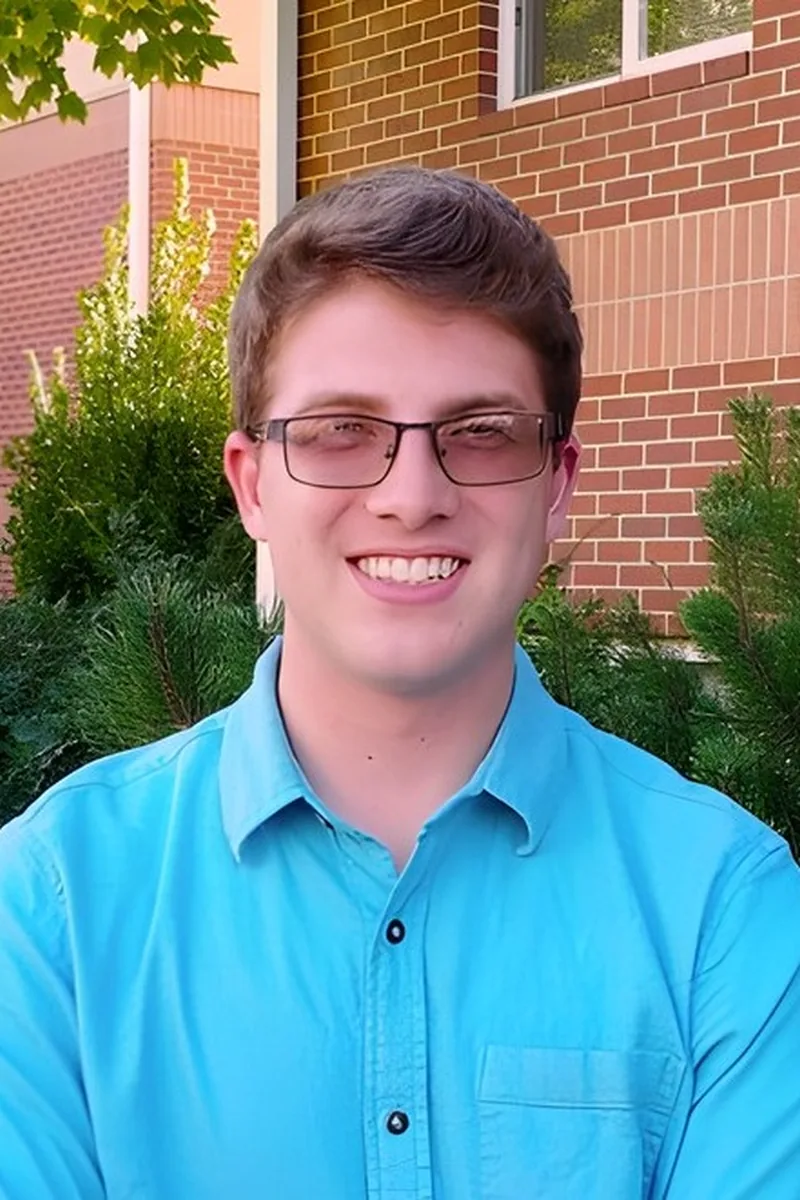
Gavin earned his BA in Spanish and tutors across the full sequence from Spanish 1 through AP Spanish Literature and Culture, so he knows exactly where the jump from language proficiency to literary analysis catches students off guard. He zeroes in on building the interpretive reading habits the exam requires — identifying how an author's use of metaphor or narrative voice ties back to broader cultural themes — and coaches essay responses that move past summary into genuine argumentation. Rated 4.8 by students.
Fully fluent in Spanish and studying at the University of Chicago, Emerson brings genuine literary analysis skills to AP Spanish Literature and Culture — from unpacking the magical realism in García Márquez to dissecting the poetry of Sor Juana Inés de la Cruz. He teaches students to write the kind of analytical essays the AP exam rewards, connecting themes across literary periods in clear, well-structured Spanish prose.
Studying psychology alongside Spanish through AP-level coursework gives Marissa a particular angle on the reading list's most character-driven texts — she's sharp at teaching students how to articulate a character's internal conflict or a poet's emotional logic in timed analytical essays written entirely in Spanish. Her 35 ACT reflects the kind of disciplined, evidence-based reasoning she brings to constructing thesis statements and weaving in textual support under exam pressure.
Having double-majored in Spanish at Washington University, Megan brings deep literary fluency to AP Spanish Literature and Culture — from close reading of García Márquez's magical realism to analyzing the cultural context behind Sor Juana's poetry. She walks students through the essay and presentational speaking rubrics so they know exactly what earns top scores on exam day.
Richard's engineering background at the University of Tulsa might seem far from literary analysis, but his Spanish coursework through advanced levels and his instinct for systematic problem-solving give him a practical angle on the AP exam's timed essays — particularly breaking a prompt into a clear thesis, supporting claims, and organizing evidence under pressure. He's upfront that this isn't his deepest subject, so he's best suited for students who already read comfortably in Spanish and need help with the structural mechanics of constructing analytical arguments on exam day.
AP Spanish Literature and Culture asks students to analyze works from Cervantes to García Márquez in the target language — a challenge that demands both literary skill and genuine fluency. Philip is a fluent Spanish speaker who has also tutored the language at Carnegie Mellon for over a year, so he can unpack themes like "las sociedades en contacto" and rhetorical devices without defaulting to English. He teaches students to write analytical commentary in Spanish that earns top marks on the free-response sections.
Medical school and AP Spanish Literature don't obviously connect — but Arianna's behavioral neuroscience degree with a Spanish minor means she spent years reading and writing analytically in Spanish while also studying how people process language and narrative. That combination sharpens how she teaches students to construct timed literary essays, particularly when unpacking character psychology and identity themes in works across the AP reading list. Rated 5.0 by students.
Honestly, AP Spanish Literature and Culture isn't Courtney's deepest specialty — her Spanish minor and SAT Spanish Subject Test tutoring give her solid language skills, but this exam's literary canon demands a level of cultural and analytical depth that goes beyond language proficiency alone. For students who need help with the foundational Spanish reading and writing fluency that supports literary analysis, or who want structured practice organizing timed essays, her 34 ACT and 5.0 rating reflect serious analytical chops she can apply to argument construction and textual evidence work.
Living and traveling in Spanish-speaking countries while pursuing Latin American Studies at Wesleyan gave Reta firsthand immersion in the cultural movements — from colonial legacies to contemporary identity politics — that run through the AP reading list. She's taken both the AP Spanish Language and Literature exams herself and spent a semester tutoring a high school student one-on-one, so she knows where the gap between reading comprehension and genuine literary analysis tends to open up. Her government coursework also sharpens how she teaches students to read texts as arguments about power and society, which strengthens thematic essay writing.
Reading García Márquez or Sor Juana Inés de la Cruz in the original Spanish demands more than translation — it requires understanding the cultural and historical contexts that shaped each work. Caio pairs deep Spanish fluency with his Rice sociology and history training, so he can unpack literary movements like el Boom or colonial-era poetry in terms of the social forces behind them. Rated 5.0 by students.
Courtney earned her Master's in Hispanic and Latin American Languages alongside a BA in Spanish and Iberian Studies — meaning the literary periods, genres, and cultural movements on the AP reading list aren't exam prep material for her, they're the core of her academic training. She teaches students to build analytical essays in Spanish that connect a text's formal choices to the broader tradition it belongs to, whether that's tracing magical realism's roots in a passage or identifying how a Golden Age sonnet's structure reinforces its argument.
Double-majoring in English and Spanish at Butler — with a history minor and honors program work — meant Darby spent four years reading literature through both linguistic and cultural lenses simultaneously, a habit that translates directly to analyzing AP reading list texts where literary movements cross national and language boundaries. She teaches essay construction in Spanish with a creative writer's attention to how an author's formal choices (imagery, tone, narrative voice) carry argumentative weight in timed free-response writing. Rated 5.0 by students.
International Relations coursework gives Patrick a lens into the political and social forces behind Latin American and Spanish literary movements — useful context when essays on the AP reading list demand more than surface-level textual analysis. His Spanish studies through AP-level coursework and beyond mean he can conduct close reading and essay practice in the target language, connecting works to the broader historical currents his IR training covers.
Testimonials
Because the right AP Spanish Literature and Culture tutor makes all the difference.
Average Session Rating – Based on 3.4M Learner Ratings
Nearby AP Spanish Literature and Culture Tutors
Other Tucson Tutors
Related Languages Tutors in Tucson
Frequently Asked Questions
The AP Spanish Literature and Culture exam tests your ability to read, analyze, and discuss literary texts in Spanish across multiple genres and time periods. The exam includes three sections: multiple-choice reading comprehension, free-response essays (including a thematic essay and cultural comparison), and a spoken component where you discuss a literary passage. You'll need to understand themes, literary devices, historical context, and cultural significance of works from Spain and Latin America.
The exam is divided into two main parts: the written section (2 hours 45 minutes) includes 55 multiple-choice questions and three free-response essays, while the speaking section (about 20 minutes) involves analyzing a literary passage and discussing it with the examiner. Pacing is critical—you'll need to manage your time carefully across reading comprehension, essay writing, and oral responses to avoid rushing through complex literary analysis.
Many students struggle with understanding literary devices and thematic analysis in a foreign language, especially when texts use archaic or complex Spanish. Others find the free-response essays challenging because they require both strong writing skills and deep textual understanding. The oral component can also trigger anxiety—speaking about literature extemporaneously requires confidence and fluency that takes deliberate practice to develop.
Personalized 1-on-1 instruction allows tutors to focus on your specific weaknesses—whether that's analyzing poetry, understanding historical context, or building confidence in spoken Spanish. Tutors can guide you through the actual exam format, teach you strategies for tackling multiple-choice questions efficiently, help you develop strong essay structures, and conduct mock oral exams to reduce test anxiety. This targeted approach helps you move beyond memorization to genuine literary comprehension.
Score improvement depends on your starting point and how consistently you engage with tutoring and practice. Students who work with tutors typically see meaningful gains by focusing on weak areas—whether that's essay writing, reading comprehension, or oral fluency—combined with regular practice tests and review. Most students benefit from starting tutoring at least 3-4 months before the exam to allow time for skill-building and confidence development.
The College Board provides official AP Spanish Literature and Culture practice exams and sample questions, which are essential for understanding the exact format and question types you'll encounter. Beyond that, reading authentic Spanish literature—short stories, poetry, and essays from your AP reading list—helps you build familiarity with different writing styles and themes. Your tutor can recommend additional resources and help you create a structured practice schedule that balances reading, writing, and speaking practice.
Varsity Tutors connects you with tutors who have expertise in AP Spanish Literature and Culture and understand the specific demands of the exam. When you get matched with a tutor, you can discuss their experience with the curriculum, their approach to teaching literary analysis, and their track record helping students improve their scores. Look for tutors who can teach both the language skills and the critical thinking needed to analyze complex texts.
Your first session is typically diagnostic—your tutor will assess your current reading comprehension level, writing skills, and oral fluency to identify your strongest and weakest areas. You'll discuss your target score, timeline before the exam, and any specific concerns (like essay writing or speaking anxiety). From there, your tutor will create a personalized study plan focused on the areas where you'll gain the most improvement.
Let’s find your perfect tutor
Answer a few quick questions. We’ll recommend the right plan and match you with a top 5% tutor.