Award-Winning German Tutors
serving Mesa, AZ
German
Tutors in Mesa
Private 1-on-1 tutoring, weekly live classes for academic support, test prep & enrichment, practice tests and diagnostics, and more to elevate grades and test scores.
Based on 3.4M Learner Ratings
UniversitiesSchools & Universities
DeliveredHours Delivered
ProficiencyGrowth in Proficiency
Who needs tutoring?
No obligation. Takes ~1 minute.
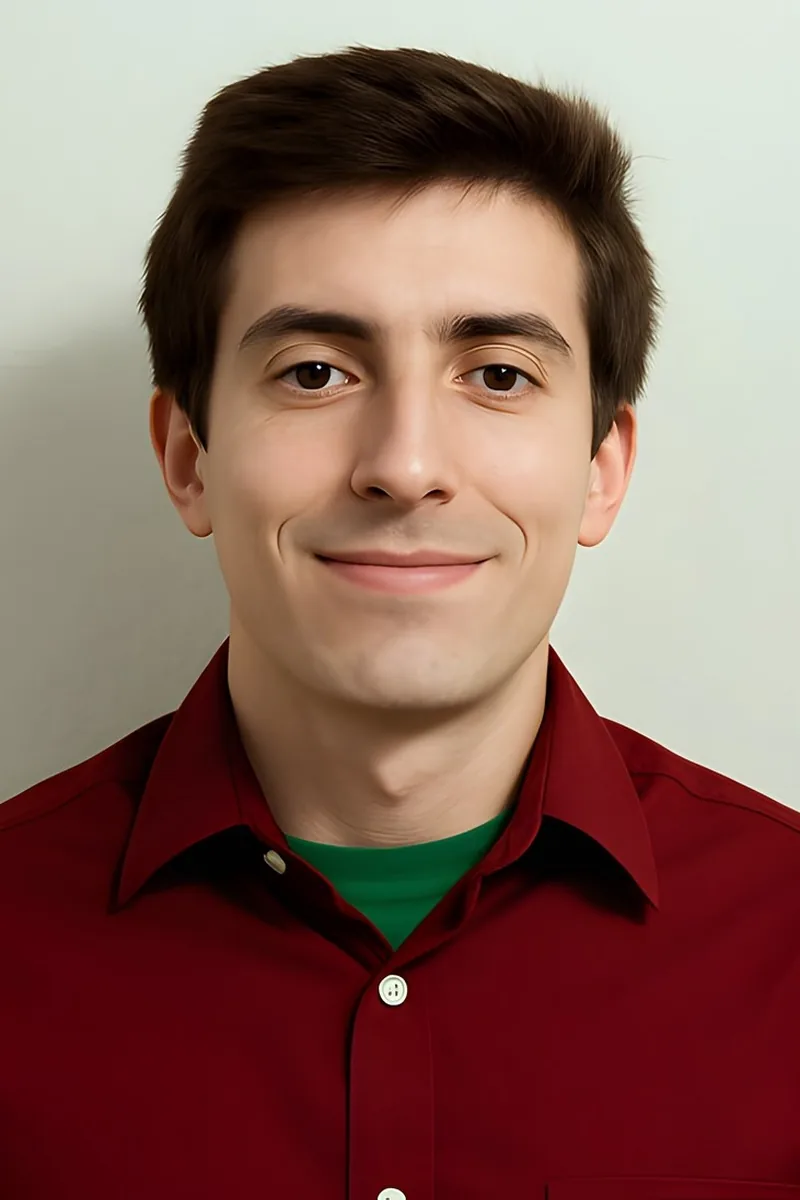
German's case system — nominative, accusative, dative, genitive — trips up nearly every English speaker learning the language. Jamison teaches across all four levels of German and unpacks these grammar patterns by connecting them to sentence logic, so students internalize the rules instead of just memorizing tables.
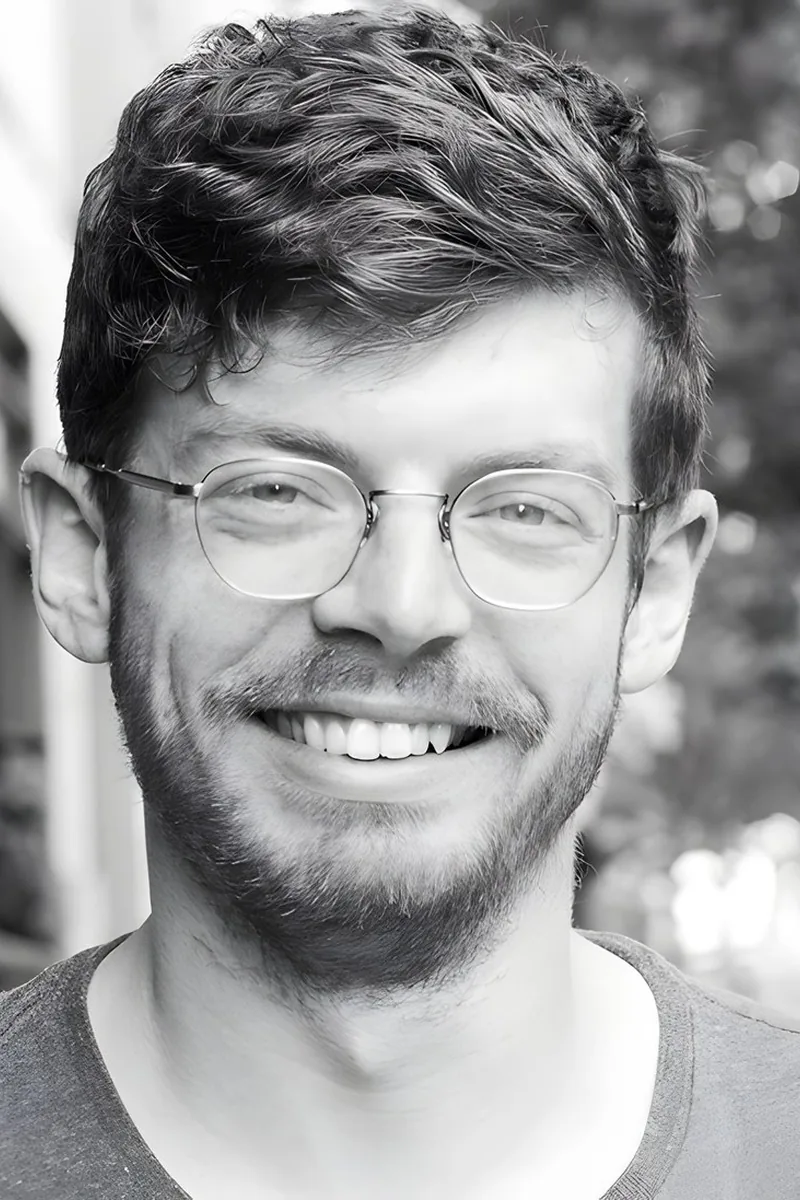
Evan studied German formally as part of his undergraduate degree, which means he knows the grammar inside out — case endings, separable verbs, subordinate clause word order, all of it. He connects each rule to how German actually sounds and reads in real texts, so students internalize patterns instead of just memorizing tables.
Lisa has studied German through an advanced level, covering everything from case declensions and subordinate clause word order to reading authentic texts. She approaches grammar as a logical system rather than a set of rules to memorize, which makes tricky concepts like dative prepositions and adjective endings feel more predictable. Her 5.0 rating speaks to how well that approach lands.
Willow didn't just study German in a classroom — she earned departmental honors in German Studies at UCLA and spent time at Humboldt Universität Berlin immersed in the language. She tackles grammar concepts like case endings, subordinate clause word order, and verb conjugation patterns by connecting them to how native speakers actually think about sentence structure. That academic depth paired with real immersion experience makes a difference for students at any level.
German's case system and word-order rules can overwhelm students who try to absorb them all at once. Elizabeth breaks the four cases down methodically — nominative, accusative, dative, genitive — linking each to specific prepositions and verb patterns so students build reliable instincts rather than guessing at endings.
A pre-med student at UNC with minors in chemistry and biology, Dimitry also carries German through the advanced level — an uncommon combination that means he's used to toggling between technical and linguistic precision. He approaches German grammar with the same diagnostic thinking he brings to the sciences, making case systems and verb conjugation feel less like arbitrary rules and more like solvable puzzles. Rated 4.9 by students.
Teaching German at every level from beginner to advanced, Nadja is a native-level speaker who understands the grammar hurdles — case endings, separable verbs, subordinate clause word order — that trip up English speakers most. She integrates conversation practice with structured grammar drills so students build fluency and accuracy at the same time.
Cornelia teaches German across all four levels, from nominative case basics to navigating subordinate clauses and the subjunctive mood. She integrates games, images, and cultural context into grammar-heavy lessons — an approach that keeps vocabulary and case endings from feeling like pure memorization. Her 5.0 rating speaks to how well that method lands with students.
Seven years of teaching French at the university level gave Dorthea a linguist's instinct for how grammar systems work across languages — and German shares more structural DNA with French than most students realize. She applies that cross-linguistic awareness to German's trickier features, like modal verb placement and subordinate clause word order, making the patterns feel logical rather than arbitrary.
German isn't Lesleigh's core subject, but her graduate training in classical and modern languages gives her a strong grasp of how Germanic grammar systems work — case endings, word order, and verb placement that trip up English speakers. She approaches German the way she approaches Latin: by teaching students to recognize structural patterns rather than memorize phrase lists.
Grace brings structured thinking and high energy to German lessons, tackling everything from noun genders and case endings to building conversational confidence. While her primary academic focus is American Studies, her experience teaching across multiple subjects means she knows how to break down tricky grammar rules and make vocabulary practice stick.
Nicholas's primary expertise is in mathematics and statistics, not German — but he's conversational in the language and brings the same structured, analytical thinking that defines his math tutoring to learning grammar rules and vocabulary. For students who respond better to logical pattern-based explanations of things like case endings and verb placement, his approach can be a surprisingly good fit.
Four levels of German means William has moved well past conjugation tables into complex grammar — subordinate clauses, subjunctive mood, case system nuances that trip up even advanced students. As a linguistics major at Yale, he can explain the structural logic behind German syntax in a way that makes rules feel less arbitrary. He's rated 5.0 by students.
Testimonials
Because the right German tutor makes all the difference.
Average Session Rating – Based on 3.4M Learner Ratings
Other Mesa Tutors
Related Languages Tutors in Mesa
Frequently Asked Questions
Your first session is all about understanding your current level and goals. A tutor will assess your reading, writing, speaking, and listening skills, discuss what you're working toward (whether that's conversational fluency, AP German prep, or grammar mastery), and create a personalized learning plan. This foundation helps ensure every session after that is tailored to your specific needs.
In a typical classroom with Mesa's average student-teacher ratio of 15.7:1, students get limited speaking time. With personalized 1-on-1 instruction, you get consistent conversation practice in a low-pressure environment where a tutor can give immediate feedback on pronunciation, accent, and natural phrasing. This direct interaction accelerates your ability to think and speak in German without translating in your head.
German verbs change based on person, tense, and mood—making conjugation one of the toughest aspects for learners. A tutor breaks this down into manageable patterns, uses spaced repetition to build automaticity, and shows you how conjugations work in real sentences rather than just memorizing charts. Over time, correct conjugation becomes intuitive rather than something you have to think through.
Cramming vocabulary lists doesn't stick—research on retrieval practice shows spaced repetition and active recall are far more effective. A tutor uses strategies like contextual learning (learning words in sentences and conversations), personalized flashcard systems, and regular retrieval practice across sessions to ensure new vocabulary becomes permanent. They also help you connect words to cultural context, which deepens retention.
The best approach combines both. Understanding grammar rules gives you structure and confidence, but natural usage—how native speakers actually communicate—is what makes you fluent. A tutor balances explicit grammar instruction with conversational practice, so you learn the rules while also developing an intuition for how Germans naturally express ideas. This dual focus accelerates your path to genuine fluency.
Language isn't just vocabulary and grammar—it's embedded in culture. A tutor can weave in German media, current events, idioms, and cultural nuances that help you understand not just what Germans say, but why they say it that way. This immersion-style approach makes learning more engaging and helps you develop authentic communication skills rather than textbook German.
AP German requires mastery across all four skills—reading, writing, speaking, and listening—plus cultural knowledge. A tutor creates a strategic study plan, targets your weakest areas, provides practice with authentic exam materials, and gives detailed feedback on your written and spoken responses. With personalized instruction, you can focus your prep time where it matters most rather than studying everything equally.
According to the Foreign Service Institute, reaching professional-level German proficiency typically requires around 900 hours of study for English speakers. With consistent 1-on-1 tutoring combined with your own practice, you can accelerate this timeline significantly. Conversational fluency for everyday situations is achievable much sooner—usually within 6-12 months of regular, focused study depending on your starting point and commitment.
Let’s find your perfect tutor
Answer a few quick questions. We’ll recommend the right plan and match you with a top 5% tutor.