Award-Winning German Tutors
serving Phoenix, AZ
German
Tutors in Phoenix
Private 1-on-1 tutoring, weekly live classes for academic support, test prep & enrichment, practice tests and diagnostics, and more to elevate grades and test scores.
Based on 3.4M Learner Ratings
UniversitiesSchools & Universities
DeliveredHours Delivered
ProficiencyGrowth in Proficiency
Who needs tutoring?
No obligation. Takes ~1 minute.
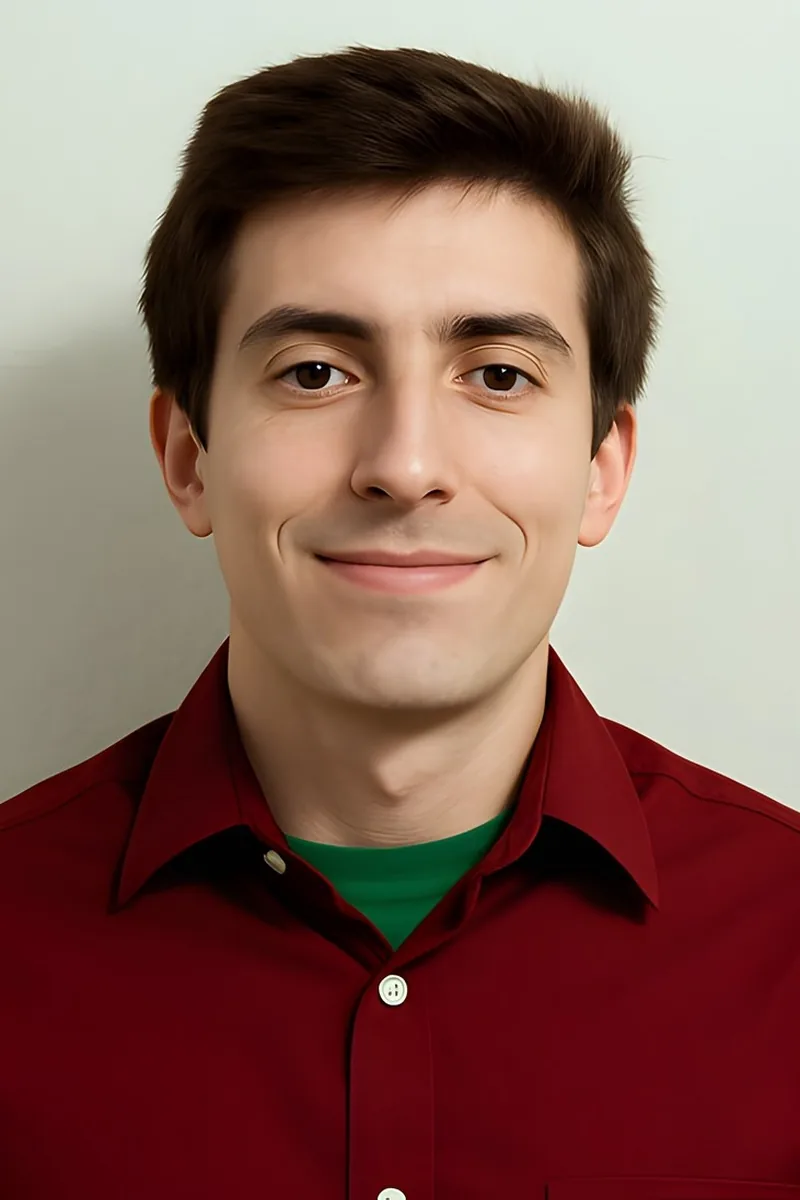
German's case system — nominative, accusative, dative, genitive — trips up nearly every English speaker learning the language. Jamison teaches across all four levels of German and unpacks these grammar patterns by connecting them to sentence logic, so students internalize the rules instead of just memorizing tables.

Four levels of German means William has moved well past conjugation tables into complex grammar — subordinate clauses, subjunctive mood, case system nuances that trip up even advanced students. As a linguistics major at Yale, he can explain the structural logic behind German syntax in a way that makes rules feel less arbitrary. He's rated 5.0 by students.
Six months of full-immersion study in Berlin gave Daniel a feel for German that textbooks alone can't replicate — the way case endings sound natural in conversation, or how separable verbs behave in real speech versus grammar drills. He earned his B.A. in German from Duke with a focus that included twentieth-century German history and politics, which means his lessons often connect language to the culture that shapes it.
Willow didn't just study German in a classroom — she earned departmental honors in German Studies at UCLA and spent time at Humboldt Universität Berlin immersed in the language. She tackles grammar concepts like case endings, subordinate clause word order, and verb conjugation patterns by connecting them to how native speakers actually think about sentence structure. That academic depth paired with real immersion experience makes a difference for students at any level.
Sabrina minors in German studies at Princeton and has done physics research at a Max Planck Institute in Germany, so her command of the language extends well beyond the classroom. She tackles everything from case endings and verb conjugation patterns to reading comprehension of authentic German texts.
Teaching German at Princeton since 2008 and earning the department's top student-satisfaction scores, Megan knows exactly where English speakers stumble — case endings, word order in subordinate clauses, and the gendered article system that trips up even advanced learners. She holds a doctorate in German literature, which means grammar instruction comes embedded in real cultural and literary context. Whether a student is conjugating sein for the first time or unpacking a Rilke poem, she adjusts the complexity to match.
German's case system and word order trip up almost every English speaker, but those patterns become predictable once a student understands the underlying logic. Nicole teaches German at multiple levels — from basic noun genders and accusative/dative distinctions through advanced reading and composition — drawing on her formal linguistics training to make the grammar feel like a puzzle rather than a burden. Her 4.9 rating speaks to how well that analytical approach lands with students.
German's case system and word order trip up almost every learner at some point — accusative versus dative, verb placement in subordinate clauses, adjective endings that seem to follow no pattern. Jhanelle, who holds a degree in German Studies, breaks these grammar rules into logical systems and builds conversational confidence alongside them so students can actually use what they learn.
German's case system and verb placement rules trip up most English speakers, but they follow a logic that becomes intuitive once someone lays it out clearly. Ardis teaches all levels of German — from navigating der/die/das and accusative vs. dative cases to constructing complex subordinate clauses — building grammatical understanding that holds up in both writing and conversation.
German's case system and word-order rules intimidate a lot of learners, but Elise approaches them as a linguist — explaining the underlying logic of accusative versus dative, or why the verb jumps to the end in subordinate clauses. Her coursework through German 4 means she can take students from basic declensions all the way through complex literary and academic texts.
Having studied German as a full undergraduate major, Thomas brings a depth that goes well beyond tourist-level vocabulary — he digs into case systems, subordinate clause word order, and the grammatical gender patterns that trip up English speakers most. Whether a student is working through Konjunktiv II or learning to decode compound nouns, he connects the rules to how the language actually sounds and reads in practice.
Nicholas's primary expertise is in mathematics and statistics, not German — but he's conversational in the language and brings the same structured, analytical thinking that defines his math tutoring to learning grammar rules and vocabulary. For students who respond better to logical pattern-based explanations of things like case endings and verb placement, his approach can be a surprisingly good fit.
Learning German means wrestling with case endings, separable verbs, and sentence structures that put the verb in unexpected places. Anuj breaks these grammar puzzles into logical patterns, drawing on his CLEP German background and his psychology training to tailor explanations to how each student actually processes new language. He pairs grammar drills with reading and listening practice so the rules stick in context.
Testimonials
Because the right German tutor makes all the difference.
Average Session Rating – Based on 3.4M Learner Ratings
Other Phoenix Tutors
Related Languages Tutors in Phoenix
Frequently Asked Questions
Speaking is one of the most challenging skills to develop in a traditional classroom setting, especially with a 17.6:1 student-teacher ratio like Phoenix's average. Personalized 1-on-1 instruction with a German tutor gives you dedicated conversation practice and immediate feedback on pronunciation and grammar in real-time. A tutor can tailor conversations to your interests and proficiency level, helping you build confidence and fluency much faster than classroom instruction alone.
German verbs change based on subject, tense, and mood—and irregular verbs don't follow predictable patterns. This complexity often frustrates learners because English has much simpler conjugation rules. A tutor can break down conjugation patterns into manageable chunks, show you which verbs are irregular, and give you targeted practice so the patterns become automatic rather than something you have to think through every time.
Vocabulary sticks best when you use it in context and across multiple sessions—a principle called spaced repetition. Rather than memorizing lists, a tutor helps you learn words through conversation, reading, and writing exercises tailored to topics you care about. They can also help you understand word families and patterns (like how German nouns are gendered), which makes vocabulary learning more systematic and memorable.
Yes. Whether you're in a Phoenix public school, charter, or private institution, a tutor can align instruction with your specific curriculum, textbooks, and learning goals. They can help you prepare for tests, catch up on grammar concepts you missed, or accelerate ahead if you're progressing faster than classwork allows. This personalized approach ensures tutoring complements what you're learning in class.
Listening comprehension requires exposure to natural German speech at varying speeds and accents. A tutor can speak with you directly, use authentic audio materials (podcasts, news, films), and adjust their pace based on your level. They'll help you pick out key words, understand context clues, and gradually build your ability to follow conversations and media—skills that classroom lessons often don't have time to develop thoroughly.
Language and culture are inseparable. Understanding German customs, traditions, and communication styles helps you use the language more naturally and appreciate nuances that pure grammar instruction misses. A tutor can weave cultural insights into lessons—explaining why certain phrases are used, how formality works in German society, or connecting you to German media and literature. This deeper context makes learning more engaging and meaningful.
Absolutely. Reading and writing reinforce each other and strengthen your overall language foundation. A tutor can have you read authentic German texts at your level, discuss them, and write responses or essays with detailed feedback on grammar, structure, and style. This balanced approach ensures you're developing all four language skills—reading, writing, speaking, and listening—not just the ones emphasized in your classroom.
Your first session is an assessment and goal-setting conversation. The tutor will evaluate your current level across all four skills, understand what you're studying in school (if applicable), and learn about your learning style and goals—whether that's passing a class, preparing for the AP exam, or achieving conversational fluency. From there, they'll create a personalized plan that addresses your specific challenges and builds on your strengths.
Let’s find your perfect tutor
Answer a few quick questions. We’ll recommend the right plan and match you with a top 5% tutor.