Award-Winning AP Spanish Language & Culture Tutors
serving Tucson, AZ
AP Spanish Language & Culture
Tutors in Tucson
Private 1-on-1 tutoring, weekly live classes for academic support, test prep & enrichment, practice tests and diagnostics, and more to elevate grades and test scores.
Based on 3.4M Learner Ratings
UniversitiesSchools & Universities
DeliveredHours Delivered
ProficiencyGrowth in Proficiency
Who needs tutoring?
No obligation. Takes ~1 minute.
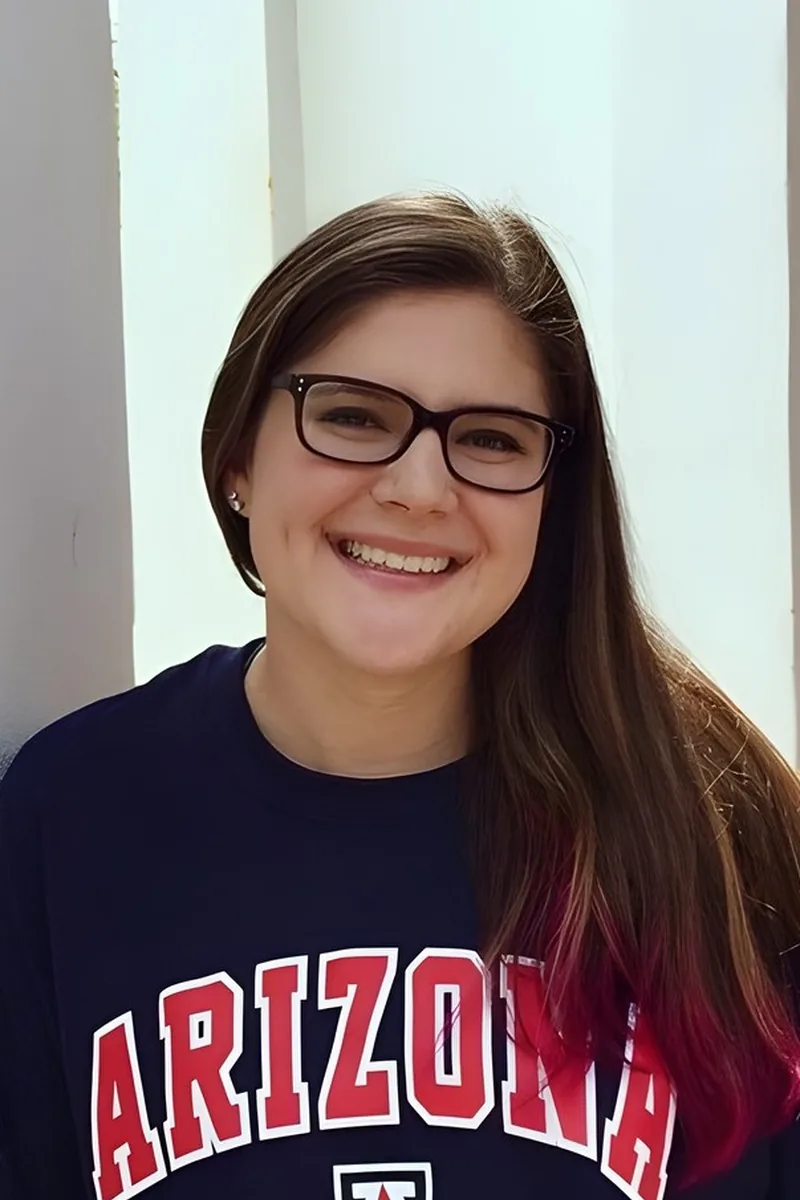
Alex's chemical engineering and anthropology degrees from Washington and Lee make an unexpectedly useful pairing for AP Spanish — the engineering side builds systematic thinking about grammar structures like subjunctive triggers and pronoun placement, while the anthropology training sharpens the cultural analysis the exam's free-response prompts demand. He teaches Spanish 3 and 4, so he's already comfortable working at the level of complexity the AP exam expects in timed persuasive essays and spoken responses. Rated 4.8 by students.
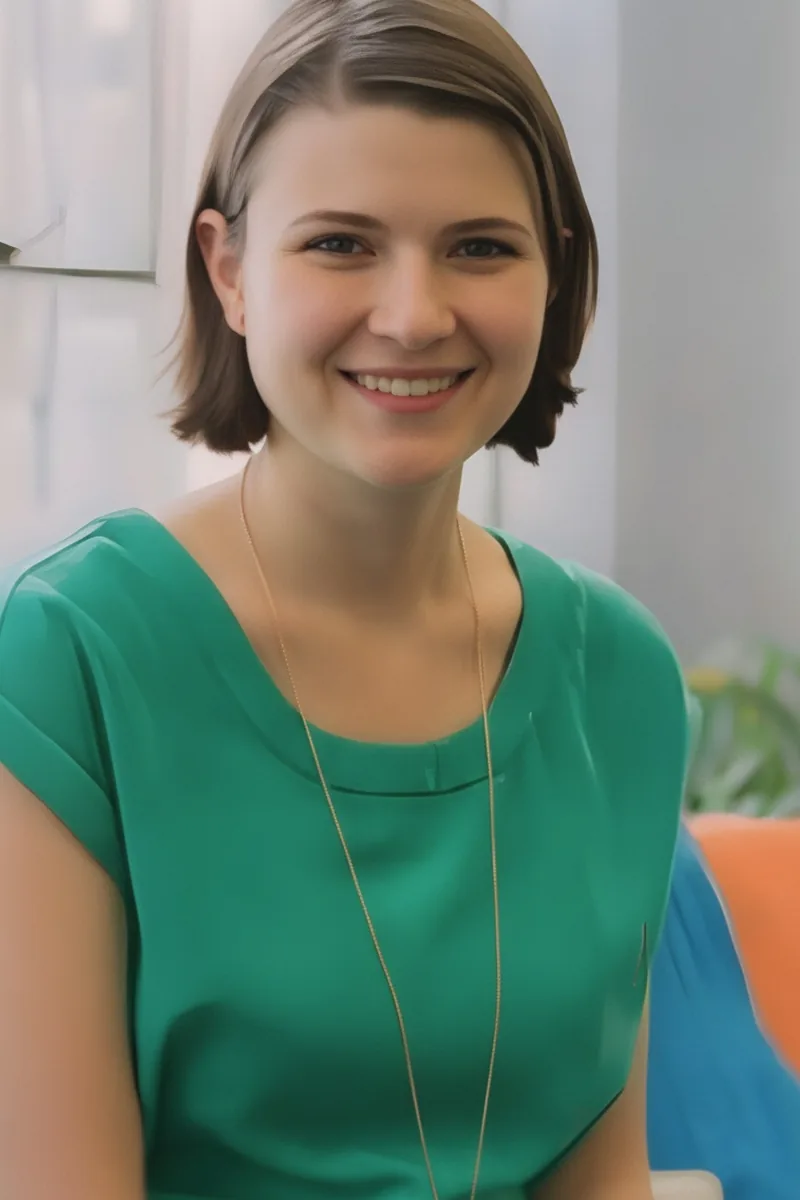
Living in Spain for six months gave Rebecca the kind of immersive fluency that AP Spanish Language & Culture demands — not just grammar accuracy, but the ability to navigate cultural comparisons and presentational speaking with confidence. She tackles the interpersonal and presentational writing tasks by teaching students how to integrate source material and build arguments entirely in Spanish. Her Notre Dame training in close reading also translates directly to the audio and print source analysis on the exam.
Scoring well on the AP Spanish Language & Culture exam means toggling between interpersonal conversation, presentational writing, and audio-source synthesis — often in the same sitting. Heather's deep Spanish background, built through years of advanced coursework and one-on-one tutoring, means she can drill the specific skills each task type demands. She's particularly strong at coaching students through the persuasive essay, where organizing an argument in Spanish trips up even strong speakers.
John's anthropology degree means he's trained to analyze how cultural practices vary across communities — the exact thinking the AP Spanish exam's cultural comparison prompt rewards. He also teaches French alongside Spanish, so he understands how Romance language learners trip over false cognates and register shifts, and he uses that cross-linguistic awareness to sharpen students' interpretive reading and persuasive essay skills. Rated 5.0 by students.
Christopher's memory-sport training — he's actively working toward a Guinness World Record — translates surprisingly well to the vocabulary and conjugation retention that AP Spanish demands, especially when students need to internalize subjunctive triggers and idiomatic expressions under exam pressure. His biology coursework at Johns Hopkins doesn't scream Spanish, but his ACT score of 32 and comfort across multiple academic disciplines show he knows how to systematically tackle material outside his primary lane.
Amy's PhD in Spanish Linguistics means she doesn't just know the language — she's studied how it works at the structural level, from phonological patterns to syntactic variation across dialects. That depth shows up most in the exam's interpretive listening section, where recognizing regional pronunciation shifts and parsing rapid connected speech separates students who truly comprehend from those guessing at context. She also teaches every Spanish level from 1 through AP, so she can quickly identify which grammatical gaps need closing before a student tackles timed writing in formal register.
A cognitive sciences degree with a minor in Spanish means Adam approaches the language analytically — he treats subjunctive triggers and register shifts as pattern-recognition problems, which clicks for students who struggle with the "just memorize it" approach to grammar. His 34 ACT confirms strong reading and reasoning skills that translate directly into coaching the AP exam's interpretive reading and audio tasks, where extracting meaning from authentic Spanish sources under time pressure is half the battle.
Gabriel's PhD work in Comparative Human Development at the University of Chicago means he approaches the AP Spanish exam's cultural comparison task through an academic lens most tutors can't offer — he's trained to analyze how cultural practices differ across communities, which is exactly what that free-response prompt asks students to do. He teaches Spanish 2 through 4, so he knows which grammar foundations need tightening before students can write a persuasive essay in formal register under timed conditions. Rated 5.0 by students.
Most AP Spanish tutors come at the exam from a languages-only background — David pairs his Spanish teaching (levels 1 through 4 plus conversational) with a library science graduate degree that sharpens how he thinks about research, source interpretation, and formal written communication. That combination pays off on the exam's persuasive essay task, where students have to synthesize multiple Spanish-language sources into a coherent, register-appropriate argument under time pressure.
Pursuing a language citation in Spanish at Harvard while studying African American Studies, Gabriela tackles the AP exam's cultural comparison task with a cross-cultural analytical instinct baked into her daily coursework. She teaches Spanish from level 1 through 4 and conversational Spanish, so she can zero in on whether a student needs to shore up subjunctive mechanics or sharpen their ability to construct a timed persuasive essay in formal register. Rated 5.0 by students.
Rithi's strengths sit squarely in STEM — neuroscience, biotechnology, and a 1550 SAT — so she's upfront that AP Spanish isn't her primary domain. That said, her science background means she's comfortable with systematic thinking about complex rule sets, which she applies to helping break down subjunctive triggers and formal register conventions into learnable patterns rather than abstract grammar lists.
Growing up bilingual with dual US-Chilean citizenship, Camilla didn't just learn Spanish at home — she pursued it academically through advanced language and literature coursework. For AP Spanish Language & Culture, she tackles the presentational writing and interpersonal speaking tasks by grounding students in the cultural contexts that make their responses authentic and nuanced.
Being Colombian and fully bilingual, Esteban doesn't just teach Spanish — he thinks, writes, and jokes in it daily. For AP Spanish Language & Culture, that native fluency matters: he coaches students through the interpersonal speaking tasks, persuasive essays, and audio-source questions using authentic cultural contexts from across the Spanish-speaking world. His 4.9 rating speaks to how effectively he prepares students for both the language mechanics and the cultural comparisons the exam demands.
Testimonials
Because the right AP Spanish Language & Culture tutor makes all the difference.
Average Session Rating – Based on 3.4M Learner Ratings
Nearby AP Spanish Language & Culture Tutors
Other Tucson Tutors
Related Languages Tutors in Tucson
Frequently Asked Questions
The AP Spanish Language & Culture exam tests your ability to communicate in Spanish across three modes: interpersonal (conversations), interpretive (reading and listening), and presentational (writing and speaking). The exam includes multiple-choice sections on reading and listening comprehension, as well as free-response tasks like email writing, formal presentations, and conversational simulations. Success requires strong vocabulary, grammar accuracy, and cultural understanding across Spanish-speaking regions.
Score improvement depends on your starting level and commitment, but most students see meaningful gains—often 1-2 points on the 5-point scale—when working with a tutor on targeted weak areas. Personalized 1-on-1 instruction helps you identify whether you need to focus on listening comprehension, written expression, grammar accuracy, or cultural knowledge. The key is consistent practice with feedback on the specific sections where you're losing points.
Students commonly struggle with the listening section—understanding native speakers at natural pace with regional accents—and the free-response writing tasks, which require formal register and grammatical precision. The conversational simulation (interpersonal speaking) also challenges many students because it's unpredictable and requires quick thinking. Tutors can help you build listening stamina through authentic materials, master formal writing conventions, and practice spontaneous speaking to build confidence.
Ideally, start tutoring 3-4 months before the exam to allow time for skill-building and practice test cycles. However, even 6-8 weeks of focused weekly sessions can help you target specific weak areas and refine test-taking strategies. The timeline depends on your current level—students aiming for a 4 or 5 typically benefit from longer preparation, while those looking to improve from a 2 to a 3 might see results faster with intensive tutoring.
Practice tests are essential—they help you understand the exam format, build pacing skills, and identify which sections need the most work. Taking full-length practice exams under timed conditions reveals whether you struggle with time management on the multiple-choice sections or the free-response tasks. A tutor can review your practice test results to pinpoint patterns in errors, whether they're grammar-based, vocabulary-related, or comprehension issues, then tailor instruction accordingly.
Varsity Tutors connects you with expert tutors in Tucson who specialize in AP Spanish Language & Culture and understand the exam's specific demands. When you get matched with a tutor, you can discuss your target score, current level, and which sections need the most work. Tutors can then design a personalized study plan, provide authentic listening materials, conduct practice conversations, and give detailed feedback on your writing and speaking.
The AP Spanish Language & Culture exam emphasizes that language proficiency goes hand-in-hand with cultural understanding. The exam tests your knowledge of traditions, history, current events, and social practices across Spanish-speaking countries. This cultural context appears in reading passages, listening clips, and discussion prompts. A tutor can help you build cultural knowledge through authentic news articles, documentaries, and conversations, making you more confident in all sections of the exam.
The interpersonal and presentational speaking tasks feel high-stakes, but practice with a tutor in a low-pressure environment builds confidence fast. Tutors can simulate the exam's conversational prompts and presentation scenarios, give you immediate feedback on pronunciation and fluency, and help you develop strategies for thinking quickly when you don't know a word. Repeated practice reduces anxiety by making the format familiar and manageable.
Let’s find your perfect tutor
Answer a few quick questions. We’ll recommend the right plan and match you with a top 5% tutor.