Award-Winning German Tutors
serving Murrieta, CA
German
Tutors in Murrieta
Private 1-on-1 tutoring, weekly live classes for academic support, test prep & enrichment, practice tests and diagnostics, and more to elevate grades and test scores.
Based on 3.4M Learner Ratings
UniversitiesSchools & Universities
DeliveredHours Delivered
ProficiencyGrowth in Proficiency
Who needs tutoring?
No obligation. Takes ~1 minute.
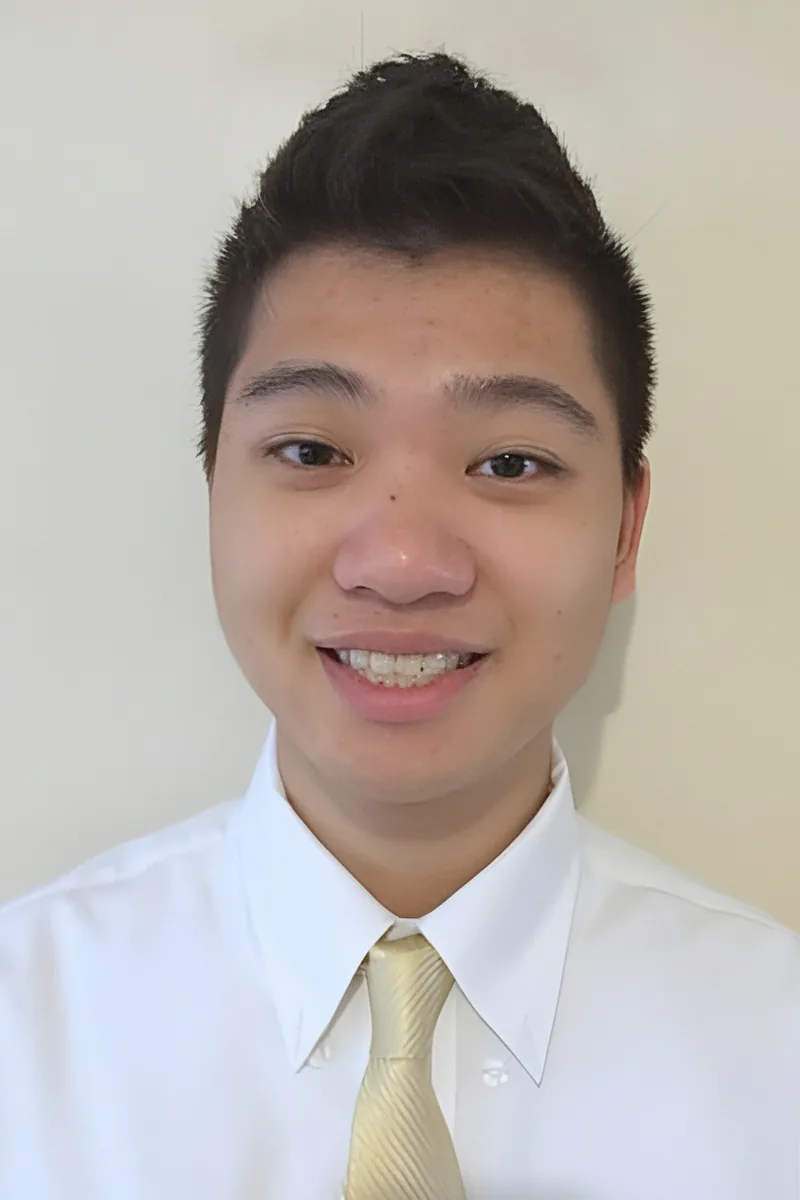
Chris isn't a German specialist, but having studied German 1 through 3 alongside a demanding biomedical engineering courseload at UCLA, he knows what it takes to learn a language efficiently under pressure. He brings an engineer's structured thinking to grammar — breaking down case endings and verb placement into logical patterns that make sense to analytically minded students.
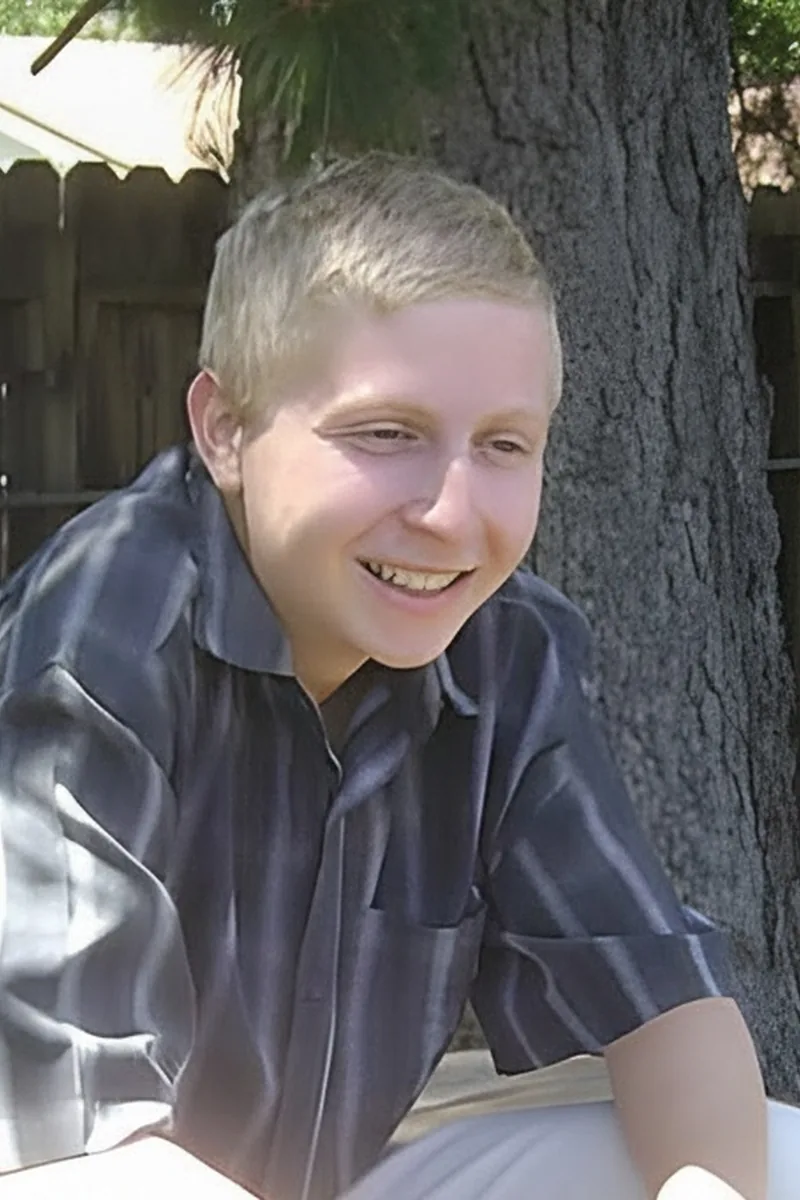
Nathan's primary strength is mathematics, so he approaches German the way he'd approach a proof — methodically, with attention to the underlying structure. That analytical lens is especially useful for tackling conversational German, where students need to internalize word order and verb placement well enough to produce them in real time, not just recognize them on a worksheet.
Seven years of teaching French at the university level gave Dorthea a linguist's instinct for how grammar systems work across languages — and German shares more structural DNA with French than most students realize. She applies that cross-linguistic awareness to German's trickier features, like modal verb placement and subordinate clause word order, making the patterns feel logical rather than arbitrary.
Katherine studied German throughout her undergraduate years at Boston College alongside her psychology and pre-med coursework, giving her a well-rounded command of grammar, vocabulary, and sentence structure. She breaks down tricky concepts like cases, verb conjugation, and word order in a way that makes the logic of the language click.
Teaching German at every level from beginner to advanced, Nadja is a native-level speaker who understands the grammar hurdles — case endings, separable verbs, subordinate clause word order — that trip up English speakers most. She integrates conversation practice with structured grammar drills so students build fluency and accuracy at the same time.
Learning German means wrestling with case endings, separable verbs, and a sentence structure that puts the verb in places English speakers don't expect. Dan teaches German at multiple levels and brings a literary scholar's sensitivity to how the language actually works — not just memorizing der/die/das tables, but understanding the patterns behind them. He's rated 5.0 and is comfortable with everything from basic conversation to reading German-language texts.
Lisa has studied German through an advanced level, covering everything from case declensions and subordinate clause word order to reading authentic texts. She approaches grammar as a logical system rather than a set of rules to memorize, which makes tricky concepts like dative prepositions and adjective endings feel more predictable. Her 5.0 rating speaks to how well that approach lands.
German's case system, separable prefixes, and word order rules intimidate a lot of learners, but Jamie tackles them through immersion in compelling, context-rich material rather than isolated grammar exercises. Students pick up Akkusativ and Dativ distinctions by hearing and reading them repeatedly in stories and cultural content that actually holds their attention. The result is German that sticks because it was acquired, not just memorized.
Studying German from introductory courses through an advanced minor, Hailey knows exactly where English speakers stumble — dative prepositions, separable verbs, adjective endings that seem to follow no pattern. She explains the underlying logic of German grammar rather than handing students tables to memorize, which makes new rules easier to internalize and apply.
Four levels of German means William has moved well past conjugation tables into complex grammar — subordinate clauses, subjunctive mood, case system nuances that trip up even advanced students. As a linguistics major at Yale, he can explain the structural logic behind German syntax in a way that makes rules feel less arbitrary. He's rated 5.0 by students.
I am a current senior at Davidson College, working towards my B.A. in German Studies and Arab Studies. I have spent many hours tutoring the German and Arabic language to college students. I have spent time abroad in Germany, studying German as a second language with AATG (American Association of Teachers of German). My years of being a camp counselor and babysitter have translated into my teaching methods and style. I encourage young learners to approach problems in multiple ways by retesting previously learned material and encouraging independent thinking. I am a huge believer in discovering answers instead of being told them. I look forward to working with you!
Cornelia teaches German across all four levels, from nominative case basics to navigating subordinate clauses and the subjunctive mood. She integrates games, images, and cultural context into grammar-heavy lessons — an approach that keeps vocabulary and case endings from feeling like pure memorization. Her 5.0 rating speaks to how well that method lands with students.
Willow didn't just study German in a classroom — she earned departmental honors in German Studies at UCLA and spent time at Humboldt Universität Berlin immersed in the language. She tackles grammar concepts like case endings, subordinate clause word order, and verb conjugation patterns by connecting them to how native speakers actually think about sentence structure. That academic depth paired with real immersion experience makes a difference for students at any level.
Earning a PhD in German at Harvard means Zachary has spent years reading, writing, and thinking in the language — from Kant's dense philosophical prose to contemporary academic discourse. He teaches grammar not as a set of rules to memorize but as a system with its own internal logic, making case endings and word order click for students at every level. Whether the goal is passing a college course or reading Goethe in the original, he knows how to get there.
Testimonials
Because the right German tutor makes all the difference.
Average Session Rating – Based on 3.4M Learner Ratings
Nearby German Tutors
Other Murrieta Tutors
Related Languages Tutors in Murrieta
Frequently Asked Questions
German tutoring develops all four essential language skills: reading, writing, speaking, and listening. A tutor works with you on grammar foundations, vocabulary building, pronunciation, and conversational fluency—skills that classroom instruction alone often can't provide enough practice for. With personalized 1-on-1 instruction, you get dedicated speaking practice, real-time feedback on pronunciation, and the chance to ask questions about cultural context that brings the language to life.
In a typical classroom with a 23.5:1 student-teacher ratio like many Murrieta schools have, individual speaking time is limited. Personalized tutoring gives you consistent, one-on-one conversation practice where you can speak freely, make mistakes, and receive immediate correction in a low-pressure environment. This focused speaking practice is one of the most effective ways to build fluency and confidence for real-world communication.
German learners often struggle with verb conjugation (especially in different tenses), gendered nouns, and complex sentence structure. A tutor breaks these concepts into manageable pieces, explains the "why" behind grammar rules, and gives you targeted practice until patterns click. Rather than memorizing rules in isolation, you learn how grammar functions naturally in conversation and writing—making it stick long-term.
Vocabulary retention improves dramatically with spaced repetition and active use—both strengths of personalized tutoring. A tutor introduces new words in context, helps you practice them in sentences and conversations, and strategically revisits them over time. This active engagement is far more effective than passive memorization, and you'll retain words better when you use them in real dialogue with your tutor.
Yes—pronunciation is a key focus area in personalized tutoring. Tutors can identify specific sounds that are challenging for English speakers (like the German "ü" or the guttural "ch"), model correct pronunciation, and give you immediate feedback as you practice. Regular one-on-one speaking practice with expert correction builds muscle memory and confidence in your accent much faster than classroom settings allow.
Many tutors weave cultural context into lessons—discussing German-speaking countries, traditions, media, and communication styles. Understanding culture alongside language helps you grasp why native speakers use certain phrases, idioms, and expressions. This immersion-style approach makes learning more engaging and helps you communicate more authentically when you actually use German.
Reaching professional-level fluency typically requires around 600 hours of study according to language learning research. With consistent personalized tutoring combined with your own practice, you can accelerate progress significantly. The timeline varies based on your starting level, how frequently you meet with a tutor, and how much you practice outside sessions—but dedicated 1-on-1 instruction compresses the timeline compared to classroom learning alone.
Your first session is about assessment and connection. A tutor will gauge your current level (whether you're a complete beginner or building on existing knowledge), understand your specific goals, and identify areas where you want to focus—whether that's exam prep, conversational confidence, or grammar fundamentals. This foundation helps create a personalized learning plan tailored to your needs and learning style.
Let’s find your perfect tutor
Answer a few quick questions. We’ll recommend the right plan and match you with a top 5% tutor.