Award-Winning AP Spanish Literature and Culture Tutors
serving Murrieta, CA
AP Spanish Literature and Culture
Tutors in Murrieta
Private 1-on-1 tutoring, weekly live classes for academic support, test prep & enrichment, practice tests and diagnostics, and more to elevate grades and test scores.
Based on 3.4M Learner Ratings
UniversitiesSchools & Universities
DeliveredHours Delivered
ProficiencyGrowth in Proficiency
Who needs tutoring?
No obligation. Takes ~1 minute.

Medical school sharpens one skill that translates surprisingly well to AP Spanish Literature: reading dense, complex material under pressure and extracting exactly what matters. Brianna's biology degree and Spanish tutoring experience give her the language foundation, while her test-taking discipline (1490 SAT, 32 ACT) carries over to coaching students on structuring timed analytical essays where clear argumentation counts more than literary flourish. This isn't her deepest subject, but for students who need help with the mechanics of building an evidence-based essay under exam conditions, her systematic approach fills a real gap.
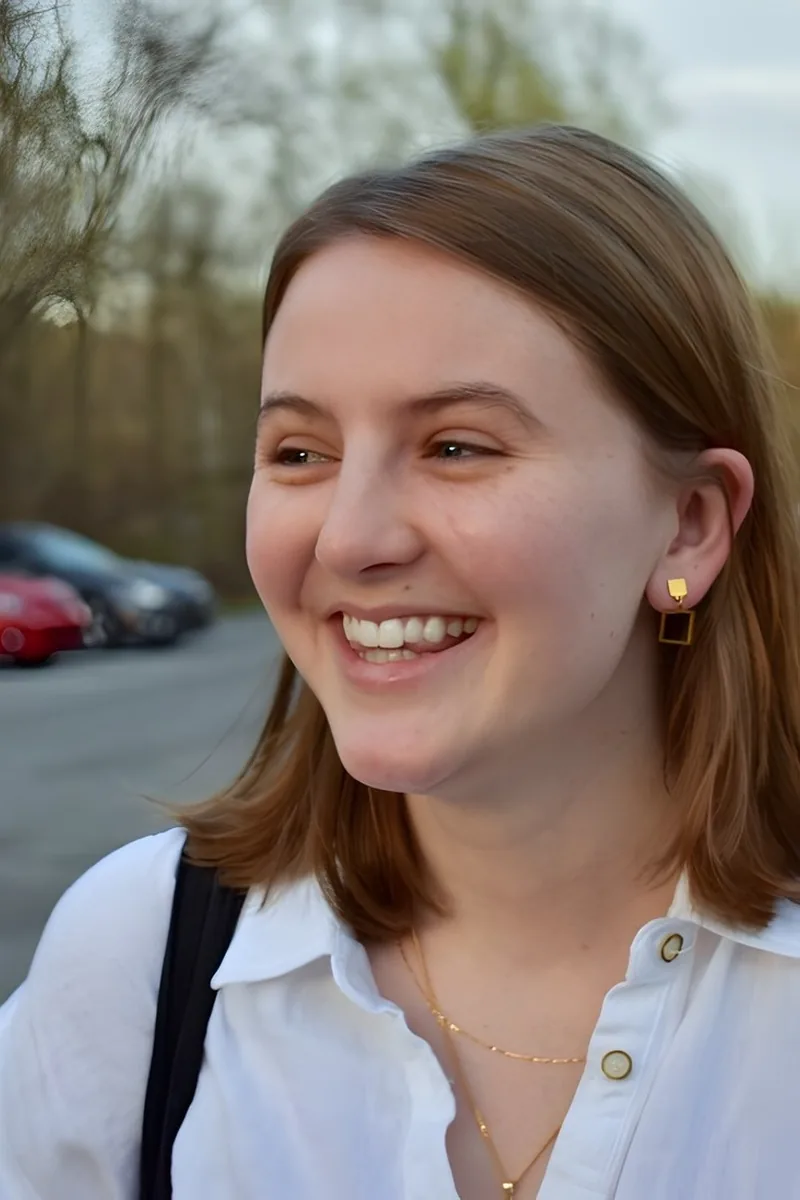
Renee's PhD in Spanish and Iberian Studies means she's spent years inside the literary traditions the AP exam tests — not just reading Garcilaso or Unamuno, but producing original scholarship on how these texts function within broader Iberian cultural movements. That academic depth shapes how she teaches students to construct thesis-driven essays in Spanish, moving from close reading of a passage's formal choices to the kind of cultural argumentation that earns top scores on the free-response section.
Richard's engineering background at the University of Tulsa might seem far from literary analysis, but his Spanish coursework through advanced levels and his instinct for systematic problem-solving give him a practical angle on the AP exam's timed essays — particularly breaking a prompt into a clear thesis, supporting claims, and organizing evidence under pressure. He's upfront that this isn't his deepest subject, so he's best suited for students who already read comfortably in Spanish and need help with the structural mechanics of constructing analytical arguments on exam day.
Studying Spanish as a full degree — not just a minor or elective — means Alexandra has spent years reading and analyzing literary works in the original language, from García Márquez to Sor Juana. She teaches students to write the kind of thematic analysis essays the AP exam demands, connecting literary movements like el realismo mágico to their cultural and historical contexts.
Analytical chemistry and Spanish literature sound worlds apart, but Hannahlore's 35 ACT and 5.0 rating reflect the same precise, evidence-driven thinking that timed AP literary essays demand — identifying a pattern in a text and building a structured argument around it, much like interpreting data in a lab. For students who already have strong Spanish language skills and need coaching on the mechanics of constructing a thesis, selecting textual evidence, and writing a coherent analytical essay under time pressure, her systematic approach translates effectively to the free-response format.
Reading García Márquez or Sor Juana Inés de la Cruz in the original Spanish demands more than translation — it requires understanding the cultural and historical contexts that shaped each work. Caio pairs deep Spanish fluency with his Rice sociology and history training, so he can unpack literary movements like el Boom or colonial-era poetry in terms of the social forces behind them. Rated 5.0 by students.
Honest assessment: AP Spanish Literature and Culture isn't Morgan's wheelhouse — her strengths are English literature, writing, and standardized test prep (she scored a 34 ACT and holds a 5.0 rating). That said, her English degree at Washington University in St. Louis means she lives inside literary analysis daily, and for students who already have strong Spanish fluency but struggle with essay structure — building a thesis, integrating textual evidence, constructing an argument under time pressure — those skills transfer directly to the AP free-response format.
Phyllis earned her BA in Spanish and teaches across every level of the language, from Spanish 1 through AP — so she knows exactly where the gap widens between conversational fluency and the literary analysis this exam requires. Her creative background as a musician and visual artist sharpens how she teaches students to read poetry and prose for rhythm, imagery, and formal structure, then translate those observations into thesis-driven essays in Spanish. Rated 5.0 by students.
Pre-med and AP Spanish Literature don't seem like natural companions, but Franshesca's coursework across all levels of Spanish — from introductory through AP — means she's built the language proficiency needed to read and discuss reading list texts in Spanish. Her science-trained habit of methodical analysis carries over surprisingly well to breaking down how a poet structures an argument or how a narrator's choices reveal theme, and she coaches students on organizing timed essays with that same precision. Rated 4.8 by students.
Three years as a Peace Corps volunteer in the Dominican Republic and time teaching at a bilingual school in Costa Rica gave Courtney the kind of lived Spanish fluency that comes from daily immersion — not just classroom study. That real-world grounding in Caribbean and Latin American culture adds context when she walks students through reading list works where themes of colonialism, identity, and societal contact demand more than textbook definitions to unpack in a timed essay.
Currently pursuing a graduate degree in Spanish & Portuguese Languages & Cultures while holding a BA in Spanish and French, Mia lives inside the literary and cultural traditions this exam covers — she's not just reviewing the reading list, she's actively studying the broader canon it draws from. That depth means she can teach students how a work's grammar and syntax choices carry meaning, turning close-reading instincts into the kind of thesis-driven essays the free-response section rewards. Rated 5.0 by students.
Courtney earned her Master's in Hispanic and Latin American Languages alongside a BA in Spanish and Iberian Studies — meaning the literary periods, genres, and cultural movements on the AP reading list aren't exam prep material for her, they're the core of her academic training. She teaches students to build analytical essays in Spanish that connect a text's formal choices to the broader tradition it belongs to, whether that's tracing magical realism's roots in a passage or identifying how a Golden Age sonnet's structure reinforces its argument.
Testimonials
Because the right AP Spanish Literature and Culture tutor makes all the difference.
Average Session Rating – Based on 3.4M Learner Ratings
Nearby AP Spanish Literature and Culture Tutors
Other Murrieta Tutors
Related Languages Tutors in Murrieta
Frequently Asked Questions
The AP Spanish Literature and Culture exam tests your ability to read, analyze, and discuss Spanish-language literary texts across multiple genres and time periods. The exam includes three sections: multiple-choice reading comprehension (50% of your score), free-response essay questions analyzing literary passages (25%), and a presentational writing task based on a cultural prompt (25%). You'll encounter poetry, prose, drama, and essays from Spain and Latin America, requiring both deep textual analysis and cultural understanding.
Many students struggle with the cultural context required to fully understand texts—it's not just about translating words, but grasping historical and literary references. The timed essay sections can be particularly challenging, as you need to construct coherent arguments in Spanish while analyzing complex literary devices. Additionally, the range of vocabulary and writing styles across different authors and regions can feel overwhelming without targeted practice and exposure to diverse texts.
Personalized 1-on-1 instruction allows tutors to focus on your specific weak areas—whether that's literary analysis, essay structure, or cultural comprehension—rather than a one-size-fits-all approach. Tutors can provide guided practice with released exam passages, help you develop strategies for close reading and annotation, and give you real-time feedback on your essays to improve argumentation and grammar. Regular practice with timed sections under realistic conditions also builds confidence and reduces test anxiety.
Score improvement depends on your starting point and how consistently you engage with tutoring and practice. Students who work with tutors typically see meaningful gains by focusing on their weakest section and building systematic study habits over several months. The AP Spanish Literature and Culture exam rewards deep understanding and practice, so students who commit to regular tutoring sessions and complete assigned practice essays often improve by 1-2 score points, though results vary based on individual effort and baseline knowledge.
Your first session is an assessment and planning meeting. The tutor will evaluate your current reading comprehension level, essay-writing ability, and cultural knowledge by reviewing sample passages or essays you've completed. You'll discuss your goals, timeline, and any specific challenges you're facing, then develop a personalized study plan that targets your needs and fits your schedule leading up to test day.
Strong essays require a clear thesis, textual evidence, and literary analysis in Spanish—not just summary. Tutors can teach you frameworks for organizing your thoughts quickly under time pressure, such as identifying literary devices early and planning your argument before writing. Regular timed practice with feedback helps you internalize essay structure, improve your Spanish grammar and vocabulary, and build the confidence to write compelling analyses within the exam's constraints.
Most students benefit from starting preparation 3-4 months before the exam, though your timeline depends on your current Spanish proficiency and familiarity with literary analysis. Consistent weekly tutoring sessions combined with independent reading and essay practice during this period allows you to build both language skills and analytical confidence. If you're starting later or need intensive support, more frequent sessions can help you cover essential material and practice strategically.
Varsity Tutors connects you with expert tutors in Murrieta who specialize in AP Spanish Literature and Culture and understand the exam's specific demands. When you reach out, you'll be matched with a tutor based on your goals, schedule, and learning style. Tutors bring subject expertise and test preparation experience, allowing you to start personalized sessions tailored to your needs right away.
Let’s find your perfect tutor
Answer a few quick questions. We’ll recommend the right plan and match you with a top 5% tutor.