Award-Winning French Tutors
serving Yonkers, NY
French
Tutors in Yonkers
Private 1-on-1 tutoring, weekly live classes for academic support, test prep & enrichment, practice tests and diagnostics, and more to elevate grades and test scores.
Based on 3.4M Learner Ratings
UniversitiesSchools & Universities
DeliveredHours Delivered
ProficiencyGrowth in Proficiency
Who needs tutoring?
No obligation. Takes ~1 minute.

Joseph teaches French with attention to the structural patterns that make the language click — verb conjugation groups, gendered noun rules, and the logic behind pronoun placement. His background in Creative Writing also means he can bring French literature and song lyrics into lessons as real-world reading practice, not just grammar drills. He covers French 1 through more advanced material depending on where a student is in the curriculum.
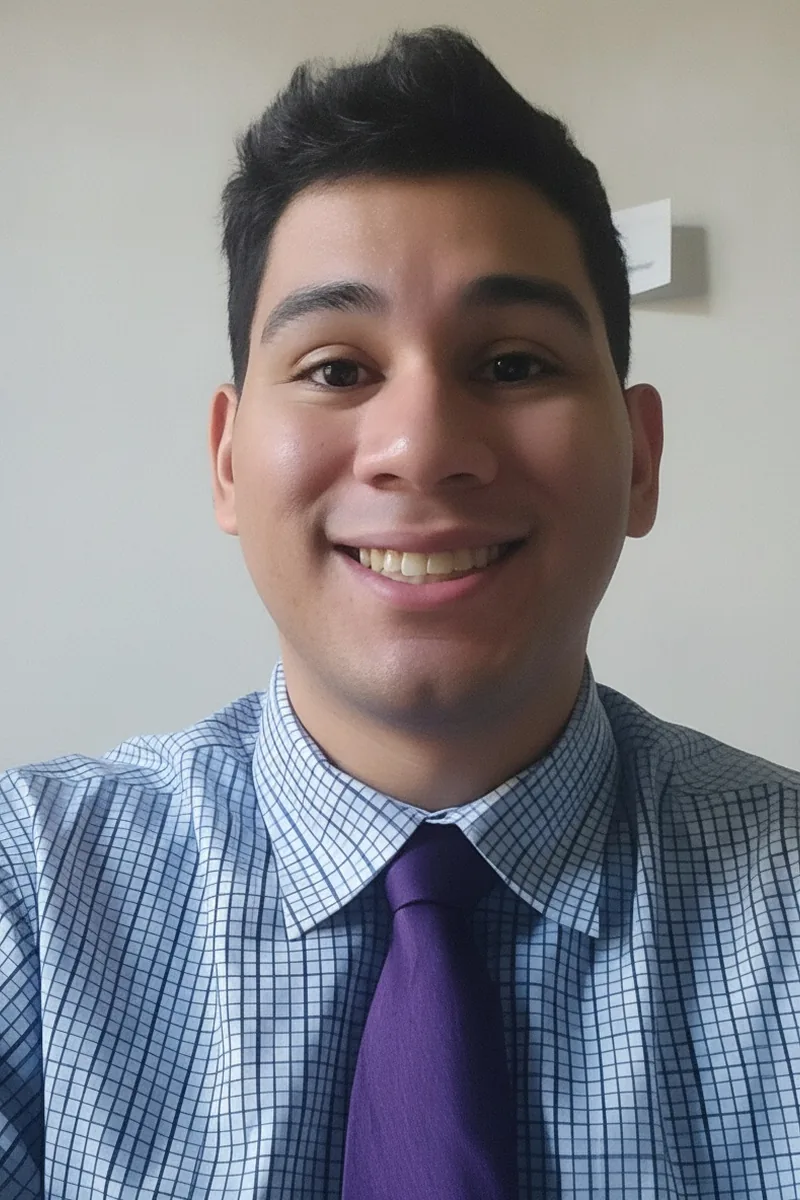
Of all the subjects Daniel covers, foreign languages — especially French — represent his deepest tutoring experience, from foundational vocabulary and verb conjugations to preparing students for AP French Language and Culture. He also teaches Spanish, so he can draw on the structural similarities between the two Romance languages to make French grammar patterns like agreement rules and tense formation feel more intuitive. Holds a 5.0 rating.
Studying both linguistics and psychology at the University of Chicago gave Sherry an unusual edge for teaching French — she understands how language systems are structured and how the brain actually acquires new ones. She applies that dual perspective to everything from gendered noun patterns to the nuances of French phonology, making unfamiliar sounds and grammar feel more logical. Rated 5.0 by students.
Most French tutors learned the language; Nicholas studied how it works at the graduate level, earning a master's in French Linguistics and Pedagogy. That means he can explain why certain verb conjugations follow the patterns they do, how pronoun placement shifts in complex sentences, and what makes French syntax feel intuitive rather than arbitrary.
Chelsey studied French through two levels of coursework and brings a structured, analytical approach to the language — breaking down verb conjugations, grammatical gender, and sentence construction so patterns become intuitive. Her background in literature also means she can connect French language learning to cultural context, from reading short texts to understanding idiomatic expressions.
Living in France for a year and tutoring in Dartmouth's French department gave Ben a feel for the language that goes well beyond verb charts. He unpacks tricky grammar concepts like the subjunctive and object pronoun placement by connecting them to real spoken patterns, making the rules intuitive rather than arbitrary. Rated 5.0 by students.
Sarah's French isn't classroom-only; she actively reads, writes, and communicates in the language for her doctoral research on West African music. That practical fluency means she can teach grammar concepts like the subjunctive or object pronoun placement in context, connecting rules to how French actually sounds and functions in conversation and writing.
Learning French from Laura means learning from someone who didn't just study the language in a classroom — she lived it during an immersion semester in Toulouse and now pursues it as a full major at Washington University. She unpacks tricky grammar concepts like the subjunctive mood and pronoun placement by connecting them to how French speakers actually talk, making rules feel intuitive rather than arbitrary.
Manolya teaches French across multiple levels — from verb conjugation patterns and gendered noun agreement through advanced reading comprehension and composition. Her depth in the language spans AP-level coursework and standardized French exams, giving her a clear sense of what trips students up at each stage. Rated 5.0 by students.
Learning French means internalizing a new system of verb conjugations, gendered nouns, and sentence structures that don't map neatly onto English. Johann teaches French from beginner through advanced levels and uses his background in theatre to make pronunciation and spoken delivery feel natural rather than forced. His students build real reading and speaking ability, not just flashcard knowledge.
Margot's French studies span grammar, reading comprehension, and cultural context — from mastering passé composé versus imparfait to navigating authentic French texts. She connects language rules to real usage patterns so that conjugation tables start making intuitive sense rather than feeling like rote memorization.
William teaches French across multiple levels, from foundational verb conjugations and noun-adjective agreement through more complex structures like the subjunctive and conditional tenses. His approach connects grammar rules to real reading and writing so that patterns stick instead of feeling like isolated drills.
Laura studied French through the third-year level and approaches the language with the same analytical rigor she applies to her other subjects. She unpacks grammar concepts like the subjunctive and object pronoun placement by connecting them to patterns students already recognize, making conjugation tables and agreement rules feel less arbitrary.
From navigating gendered nouns to mastering the passé composé versus imparfait distinction, French is full of concepts that need more than rote memorization. Daniel studied French through the advanced level at Penn and uses that depth to explain not just what the rules are but why they exist. He connects reading, writing, and speaking practice so students build genuine comfort with the language.
From nailing the partitive article to untangling the imparfait/passé composé distinction, French grammar has a logic that clicks once someone lays it out clearly. Jorge spent years reading and discussing Francophone texts during his studies at Harvard and Columbia, and that deep familiarity with how French actually works — in academic writing, in conversation, in culture — comes through in how he teaches the language.
Learning French from a native speaker changes the experience entirely — pronunciation, liaison rules, and gendered agreement stop being abstract rules and start sounding like a real language. Aidan grew up speaking French and spent years living abroad, so he teaches grammar and vocabulary within the rhythms of actual conversation. Whether a student is conjugating passé composé for the first time or tackling the subjunctive, he explains the logic behind the patterns.
Drisana's French proficiency runs deep enough that she sat for the SAT Subject Test in French with Listening — a test that demands real-time comprehension, not just textbook grammar. She unpacks verb conjugation patterns, pronoun placement, and sentence structure with the same precision she brings to her math coursework.
Having tutored French in high school and continued studying the language, Sophie is especially strong on the grammar scaffolding that trips up French 1 and 2 students — verb conjugation patterns, gendered articles, and the logic behind passé composé versus imparfait. She makes those rules feel systematic rather than arbitrary.
Learning French grammar often feels like solving a puzzle — gendered nouns, verb conjugation groups, and agreement rules all follow patterns that become intuitive with the right practice. Erica teaches French with an emphasis on building those structural patterns so students can move from translating word-by-word to actually thinking in the language.
Grammar tables only get you so far; French clicks when you start thinking in patterns — why certain verbs demand the subjunctive, how pronoun placement shifts in compound tenses, what makes passé composé different from imparfait in practice. Kate studied French through the graduate level and teaches the logic underneath the rules so conjugation charts stop feeling arbitrary.
Learning French at Duke as a full degree — not just an elective — gave Samantha deep fluency in grammar, literature, and everyday usage. She unpacks tricky concepts like object pronoun placement and passé composé vs. imparfait by connecting rules to how native speakers actually talk, making the logic stick instead of feeling arbitrary.
Learning French grammar means internalizing patterns — when to use the subjunctive, how object pronouns reorder in compound tenses, why certain verbs demand specific prepositions. Kimberly teaches these structures systematically rather than as isolated rules, connecting each concept to how French is actually spoken and written. Her experience as a language teaching assistant means she's practiced at spotting exactly where a student's understanding breaks down.
Bilingual from years of academic and professional writing in French — including work for the State Department — Margaret treats grammar not as a set of rules to memorize but as a system that unlocks real expression. Whether a student is wrestling with the subjunctive or struggling to keep passé composé and imparfait straight, she breaks each concept down with clear, memorable explanations. Rated 5.0 by students.
Katie's French background includes AP-level coursework, so she's comfortable walking through verb conjugation systems, pronoun agreement, and the subtleties of subjunctive mood that trip up so many students. She connects grammar rules to real reading and writing tasks so the language starts to feel logical rather than arbitrary.
Fluent in French from years of real-world use — not just classroom study — Jad digs into verb tenses, gendered agreement, and sentence structure with the confidence of someone who actually thinks in the language. He connects grammar rules to how French is spoken and written in everyday life, from formal compositions to casual emails.
Studying French through an advanced level — up through French 4 and AP French Language and Culture — gave Heather deep familiarity with the grammar, composition, and listening comprehension skills the language demands. She tackles tricky areas like pronoun placement, passé composé vs. imparfait, and building written arguments in French with clarity and patience.
I am passionate about tutoring the ACT, high school math, biology, and English. My greatest ACT tutoring success story was increasing a student's overall score from a 23 to a 28 in a matter of 8 weeks during the summer of 2015. Ideally, I would like to tutor students preparing for the ACT and advise them as they prepare to apply to college.
Learning French grammar is one thing; understanding why the subjunctive exists or how formality shapes pronoun choice is another. Rukhsar connects language structure to cultural logic, drawing on her international relations training to give students context that makes rules stick. Whether the goal is reading comprehension, written composition, or building verb fluency, she keeps lessons grounded in how French is actually used.
Learning French grammar means internalizing a system — verb conjugation patterns, gendered nouns, the subjunctive mood — and Jude approaches each of these as a logical structure to be understood rather than a random rule to memorize. Years of experience teaching language to students at every level, from beginners to advanced readers, inform a method that builds reading, writing, and speaking skills in tandem.
Four levels of French coursework give Olivia a thorough command of everything from foundational verb conjugations to the subtleties of the subjunctive mood and literary tenses. She connects grammar rules to real usage patterns so students internalize structures instead of just memorizing charts. Whether a student is struggling with passé composé versus imparfait or preparing for the SAT Subject Test in French, she adapts her explanations to what clicks.
Verb conjugation tables can feel endless in French — but James teaches students to spot the patterns hiding inside them, so irregular forms like être and avoir start to feel predictable rather than random. He connects grammar to real reading and listening so that concepts like passé composé versus imparfait make intuitive sense, not just textbook sense.
Learning French through grammar drills alone misses half the language — Mara weaves in Francophone music, films, and cultural context so that verb conjugations and pronoun placement stick because they're tied to something memorable. She teaches everything from beginner-level passé composé distinctions to advanced subjunctive usage and relative clause structures. Her BA in French and deep knowledge of Francophone cultures make sessions feel immersive rather than mechanical.
Having studied French through advanced coursework, Emily tackles the grammar-heavy challenges — verb conjugation patterns, subjunctive mood triggers, pronoun placement — that trip up students moving beyond basic conversation. She also brings her English-trained ear for sentence structure, which makes explaining how French syntax differs from English feel intuitive rather than arbitrary.
Learning French verb conjugations in isolation rarely leads to actual fluency, so Mary anchors grammar lessons in conversational context — practicing passé composé through storytelling, or subjunctive mood through real opinion-based dialogue. She teaches across multiple levels of French, from foundational vocabulary building through more advanced reading and composition.
I am too. I would ask about what classes they like or don't like, what their interests are, why they think they might be struggling in a certain subject, what they are doing to excel in a different subject, what they would want me to do to help, what they want to do, and what goals they have for themselves both in the short term and long term, etc.
Jonathan earned his PhD in French, which means he doesn't just teach the language — he's lived inside its literature, grammar, and cultural logic at the highest academic level. Whether a student is wrestling with passé composé versus imparfait or trying to nail down subjunctive triggers, he explains the underlying patterns that make French grammar click rather than just offering rules to memorize.
Pursuing a French minor at Siena College, Tanzania brings both classroom knowledge and genuine enthusiasm for the language to her tutoring. She covers everything from verb conjugation and grammar fundamentals in French 1 through advanced conversational fluency, adjusting her approach based on each student's comfort level with speaking, reading, and writing.
I am a recent NYU graduate, completing my years of study with a BA in Environmental Studies and a minor in Sustainable Urban Development. I have extensive experience tutoring, as I have worked in numerous tutoring centers throughout high school and university, along with practicing privately as well. My strongest teaching subjects are French, English, History, and Science; the specific subject subcategories can be find under the "Subjects" section of my profile. I sincerely enjoy tutoring and I have found myself gravitating towards this field of education throughout my school career, as I garner a sense of fulfillment through helping others learn in more a personal, one-on-one environment.
I am a firm believer of this and, as such, I do not spoon feed students during sessions but rather guide them to figure out how to answer their own questions and solve their own problems. Thus, I focus not only on what to do, but how and why to do it. One of the most significant drivers of independent learning is curiosity, and this is one of the primary traits I aim to cultivate in students.
Learning French means internalizing a system — gendered nouns, verb conjugation patterns, pronoun placement — not just translating word by word from English. Tara holds a BA in French from Washington University in St. Louis and teaches grammar and vocabulary in context so that structures stick. She covers reading, writing, speaking, and listening as interconnected skills rather than separate exercises.
Testimonials
Because the right French tutor makes all the difference.
Average Session Rating – Based on 3.4M Learner Ratings
Other Yonkers Tutors
Related Languages Tutors in Yonkers
Frequently Asked Questions
Varsity Tutors matches Yonkers students with expert French tutors for 1-on-1 instruction. We pair each student with a tutor based on their specific needs, learning style, and goals.
Whether you need homework help, exam prep, or want to get ahead, our French tutors are ready to help.
Common challenges include gaps from earlier material, difficulty with specific concepts, and trouble applying learning to new problems. These issues can snowball quickly in French.
A tutor identifies where you're stuck, fills in gaps, and provides targeted practice. The 1-on-1 format means you get help exactly where you need it.
Tutors work with your student's actual coursework—homework assignments, class notes, and upcoming tests. This keeps tutoring directly relevant to what's happening in the classroom.
When you share information about your student's school and curriculum, we can match you with a tutor who has relevant experience.
All tutors complete background checks, credential verification, and teaching evaluation. Many of our French tutors hold advanced degrees or have years of teaching experience.
You can review tutor profiles to find someone with the right background for your student's level and needs.
Many students see improved grades within a few weeks, along with better understanding of French concepts and more confidence tackling challenging material.
Tutors track progress and adjust their approach to ensure continued improvement.
Most students benefit from 1-2 sessions per week. More frequent sessions help if your student is significantly behind or has an important exam coming up.
Your tutor can recommend a schedule based on your student's specific situation and goals.
Tutoring is purchased in packages of hours, with rates varying by tutor experience. Varsity Tutors offers several options to fit different budgets and needs.
You can discuss pricing during your consultation to find what works best.
Your tutor will assess where your student is, discuss goals, and start working on priority areas. Most students bring current homework or upcoming test material to focus on.
By the end, you'll have a clear sense of how the tutor can help and a plan for moving forward.
Let’s find your perfect tutor
Answer a few quick questions. We’ll recommend the right plan and match you with a top 5% tutor.