Award-Winning Biochemistry Tutors
serving Phoenix, AZ
Biochemistry
Tutors in Phoenix
Private 1-on-1 tutoring, weekly live classes for academic support, test prep & enrichment, practice tests and diagnostics, and more to elevate grades and test scores.
Based on 3.4M Learner Ratings
UniversitiesSchools & Universities
DeliveredHours Delivered
ProficiencyGrowth in Proficiency
Who needs tutoring?
No obligation. Takes ~1 minute.

Enzyme kinetics, amino acid structures, metabolic pathways — biochemistry demands that students hold chemistry and biology in their heads simultaneously. Pooja's dual immersion in biology coursework and science tutoring gives her a practical way of connecting molecular interactions to the bigger biological picture, so Michaelis-Menten plots and glycolysis diagrams start making sense together.
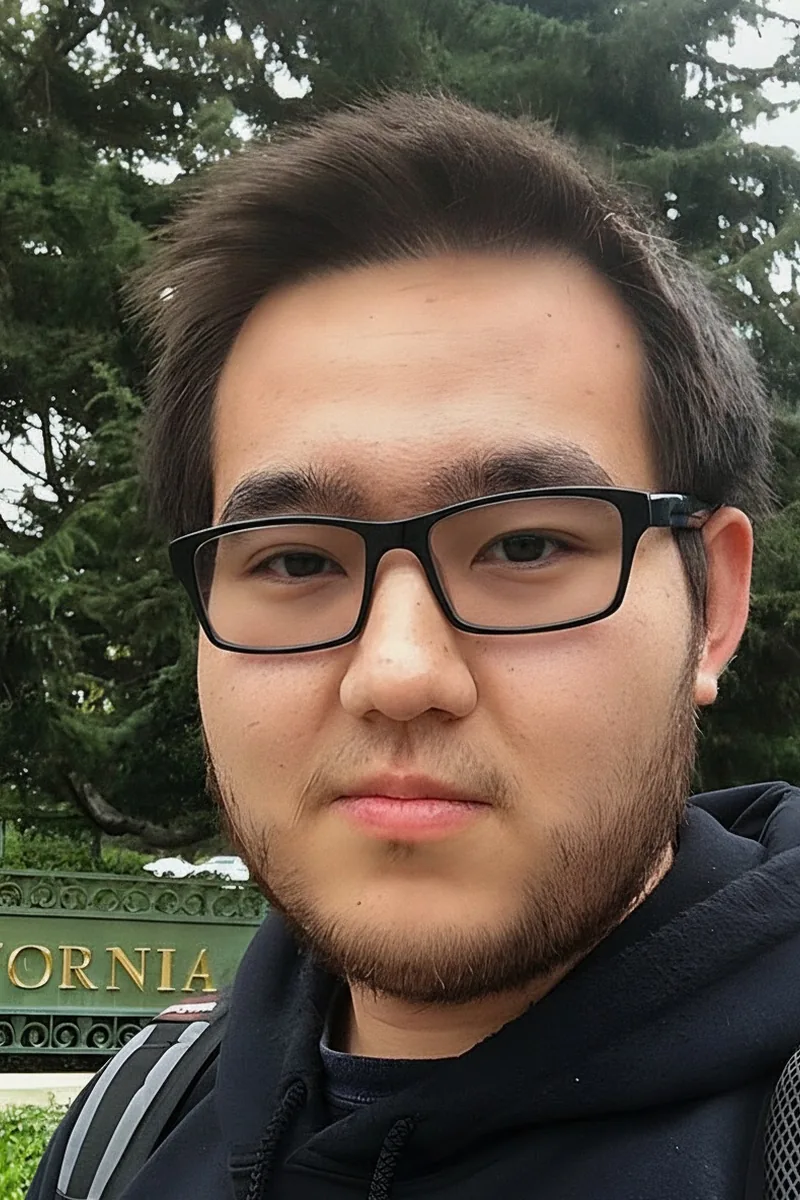
Co-teaching an organic chemistry lab at UC Berkeley — fielding questions, demonstrating techniques, working alongside a graduate TA — gave Yuxuan a fluency with reaction mechanisms that translates directly into how he teaches biochemistry topics like metabolic pathways and enzyme catalysis. His biochemistry degree means he can trace each step of something like the citric acid cycle back to the organic chemistry logic driving it, making dense pathway diagrams feel like a sequence of familiar reactions. Rated 4.9 by students.
UCLA's biological sciences program gave Arshia a solid grounding in the molecular machinery of life — protein structure, metabolic pathways, and the organic chemistry that ties them together. She also tutors MCAT prep across multiple sections, which means she's used to explaining concepts like enzyme kinetics and amino acid properties at the level of detail that college biochemistry courses actually demand. Rated 5.0 by students.
Enzyme kinetics, metabolic pathways, protein structure — biochemistry sits at the intersection of biology and chemistry, and it punishes students who try to memorize without understanding the underlying logic. Oliver earned his B.A. in Biochemistry at CU Boulder with a chemistry minor, giving him the dual lens needed to explain why Michaelis-Menten curves behave the way they do or how amino acid properties dictate protein folding.
Enzyme kinetics, metabolic pathways, amino acid chemistry — biochemistry asks students to think like both a biologist and a chemist simultaneously. Ivan's background spanning cognitive science and the biological sciences, plus his MCAT teaching experience, means he can unpack reaction mechanisms and protein structure in ways that connect molecular detail to bigger physiological stories.
Medical school with a focus on infectious diseases means Grant thinks about biochemistry in terms of host-pathogen interactions — how bacteria hijack metabolic machinery, why certain enzyme targets make effective drug sites, and what happens to energy metabolism during sepsis. His biochemistry degree and MD training let him teach topics like amino acid pathways and enzyme inhibition by connecting each mechanism to the microbiology that brings it to life.
Neuroscience majors don't just memorize biochemistry — they depend on it, and Janki's coursework at Kentucky meant tracing every concept from neurotransmitter metabolism to oxidative phosphorylation back to the underlying chemical logic. She teaches topics like enzyme regulation and pathway energetics by building each mechanism piece by piece, so students can predict what happens next in a pathway instead of relying on rote recall. Rated 4.8 by students.
Four years of medical school gave Amanda a particular edge with the biochemistry that underpins clinical reasoning — she's internalized how disruptions in lipid metabolism or glycogen storage pathways manifest as actual disease states. Her biology degree and public health training add breadth, letting her teach topics like nucleotide biosynthesis or enzyme regulation by zooming out to the physiological stakes behind each reaction. Rated 4.7 by students.
As a biology and economics graduate now working as a research associate before medical school, Sunny lives in the world of biochemistry daily — from enzyme kinetics and metabolic pathways to protein structure and nucleic acid chemistry. He unpacks dense topics like the citric acid cycle or amino acid properties by connecting molecular details to the bigger physiological picture, which is especially useful for students preparing for upper-level coursework or the MCAT.
Preparing for medical school at UT Houston while finishing a chemistry degree at Rice means Asad has been living in biochemistry from both sides — the rigorous organic and physical chemistry foundations and the biological systems they plug into. He's especially sharp on the MCAT-relevant intersections, like how enzyme mechanisms tie back to organic reaction logic or how metabolic pathway regulation connects to thermodynamic principles. Rated 4.7 by students.
Physical chemistry PhD work at UC Berkeley means Jacob spent years quantifying the thermodynamic and kinetic principles that govern every biochemical process — from enzyme catalysis rates to the free energy changes driving metabolic pathways forward. He teaches biochemistry by unpacking the physical chemistry underneath it, so concepts like Michaelis-Menten kinetics or the energetics of oxidative phosphorylation feel like derivable logic rather than formulas to memorize. Rated 4.9 by students.
Two years as an Organic Chemistry Laboratory TA at the college level gave Maha the kind of mechanistic fluency that makes biochemistry's toughest material — reaction cascades in metabolic pathways, enzyme active-site chemistry, the logic behind cofactor requirements — click into place rather than blur together. Now a graduate student at Johns Hopkins Bloomberg School of Public Health with a dual background in chemistry and biology, she connects the organic chemistry driving each biochemical transformation to its broader physiological relevance. Rated 5.0 by students.
Medical school required Thomas to internalize biochemistry at a level most undergrads never reach — enzyme kinetics, metabolic regulation, amino acid chemistry, and the signaling cascades that tie them together. He breaks down dense pathways like glycolysis and the citric acid cycle into logical sequences so students can reason through problems instead of relying on rote memorization. Rated 5.0 by students.
Studying neuroscience at Vanderbilt means Avi lives in biochemistry — enzyme kinetics, metabolic pathways, and protein structure are part of his daily coursework. He unpacks topics like the citric acid cycle or amino acid chemistry by tracing the logic of each reaction rather than asking students to memorize arrows on a diagram.
Pre-med coursework at Northwestern means Manideep is actively working through the toughest parts of biochemistry right now — amino acid structures, membrane transport mechanisms, and the regulatory logic behind major metabolic pathways. That proximity to the material gives him a sharp sense of where students get stuck, especially when translating organic chemistry principles into biological contexts. Rated 5.0 by students.
Testimonials
Because the right Biochemistry tutor makes all the difference.
Average Session Rating – Based on 3.4M Learner Ratings
Practice Biochemistry
Free practice tests, flashcards, and AI tutoring for Biochemistry
Other Phoenix Tutors
Related Science Tutors in Phoenix
Frequently Asked Questions
Biochemistry combines abstract molecular concepts with complex problem-solving, making it challenging for many students. The most common struggles include understanding metabolic pathways and enzyme mechanisms, balancing chemical equations, and connecting theoretical concepts to real biological applications. Many students also find it difficult to visualize molecular structures and interactions in three dimensions, which is crucial for understanding how proteins fold and how drugs interact with biological targets. Personalized tutoring helps students build conceptual understanding rather than relying on memorization alone.
A standard Biochemistry curriculum covers the structure and function of biological macromolecules (proteins, lipids, carbohydrates, and nucleic acids), enzyme kinetics and regulation, metabolic pathways (glycolysis, citric acid cycle, oxidative phosphorylation), photosynthesis, and nucleic acid synthesis and replication. Many courses also include topics like cell signaling, hormone mechanisms, and biotechnology applications. The depth of coverage varies depending on whether you're taking an introductory biochemistry course or an upper-level specialized course. Connecting these topics to real-world applications—like drug design or disease mechanisms—helps deepen understanding beyond memorization.
Biochemistry labs teach essential hands-on skills like protein purification, enzyme assays, chromatography, and spectroscopy. Understanding the "why" behind each technique—what you're measuring, why that matters, and how it connects to theory—makes lab work much more meaningful. Many students struggle because they perform experiments without grasping the underlying biochemical principles. Personalized instruction helps you connect lab protocols to the theoretical concepts from lecture, develop stronger scientific reasoning skills, and learn how to troubleshoot when experiments don't go as expected. This bridges the gap between understanding individual techniques and seeing how they work together in real research.
Metabolic pathways like glycolysis, the citric acid cycle, and the electron transport chain are central to Biochemistry, but many students try to memorize every reaction rather than understanding the logic. The key is focusing on energy flow, regulatory mechanisms, and how pathways interconnect rather than memorizing every enzyme name and cofactor. Breaking pathways into logical sections—understanding what goes in, what comes out, where energy is captured, and how the cell regulates it—makes these concepts far more manageable. Visual learning tools and step-by-step problem-solving help students see patterns across pathways and understand how they integrate with protein and lipid metabolism. This conceptual foundation makes applying knowledge to new problems much easier than memorization alone.
Varsity Tutors connects you with expert tutors who can provide personalized instruction tailored to your specific learning style and goals. Whether you're struggling with foundational concepts, preparing for exams, working through challenging problem sets, or diving deeper into research applications, a tutor can break down complex ideas into manageable pieces and help you build genuine understanding. Tutors can also help you develop effective study strategies, strengthen your problem-solving approach, and learn how to visualize abstract molecular concepts. For Phoenix students balancing demanding coursework across multiple classes, personalized 1-on-1 instruction offers focused support that classroom settings often can't provide.
Strong problem-solving in Biochemistry requires breaking complex questions into manageable steps: identify what you know and what you're solving for, determine which principles or pathways apply, and work through calculations methodically. Common challenges include unit conversions (moles, concentrations, energy units), understanding reaction kinetics, and connecting molecular-level concepts to larger biological systems. Many students also struggle with problems that require integrating multiple topics—like calculating ATP yield while understanding regulatory mechanisms. Personalized tutoring helps you develop systematic problem-solving strategies, practice applying concepts to unfamiliar question types, and build confidence in your reasoning. Regular practice with targeted feedback strengthens both your technical skills and your ability to think like a biochemist.
Biochemistry builds on General Chemistry (atomic structure, bonding, equilibrium, thermodynamics) and Organic Chemistry (reaction mechanisms, functional groups, molecular structure). You should be comfortable with acid-base chemistry, stoichiometry, and basic organic transformations. Many Biochemistry courses also assume familiarity with introductory or general biology concepts like cell structure and basic genetics. If you're struggling in Biochemistry, sometimes gaps in prerequisite knowledge are the root cause. A tutor can assess your foundation, help you strengthen areas where you're not solid, and then build your Biochemistry understanding on that stronger base. This targeted approach is especially helpful for students in the Phoenix area managing multiple science courses simultaneously.
Let’s find your perfect tutor
Answer a few quick questions. We’ll recommend the right plan and match you with a top 5% tutor.