Award-Winning AP World History Tutors
serving St. Louis, MO
AP World History
Tutors in St. Louis
Private 1-on-1 tutoring, weekly live classes for academic support, test prep & enrichment, practice tests and diagnostics, and more to elevate grades and test scores.
Based on 3.4M Learner Ratings
UniversitiesSchools & Universities
DeliveredHours Delivered
ProficiencyGrowth in Proficiency
Who needs tutoring?
No obligation. Takes ~1 minute.

Studying political science and international studies at Northwestern means Parag spends his coursework tracing how states form, compete, and collapse — the same dynamics AP World History tests when it asks students to compare imperial administration from the Han Dynasty to the Ottoman Empire. He's especially sharp on the modern periods where political ideology and foreign policy reshape entire regions, and he teaches students to build DBQ arguments that connect specific documents to those larger power shifts. Rated 5.0 by students.
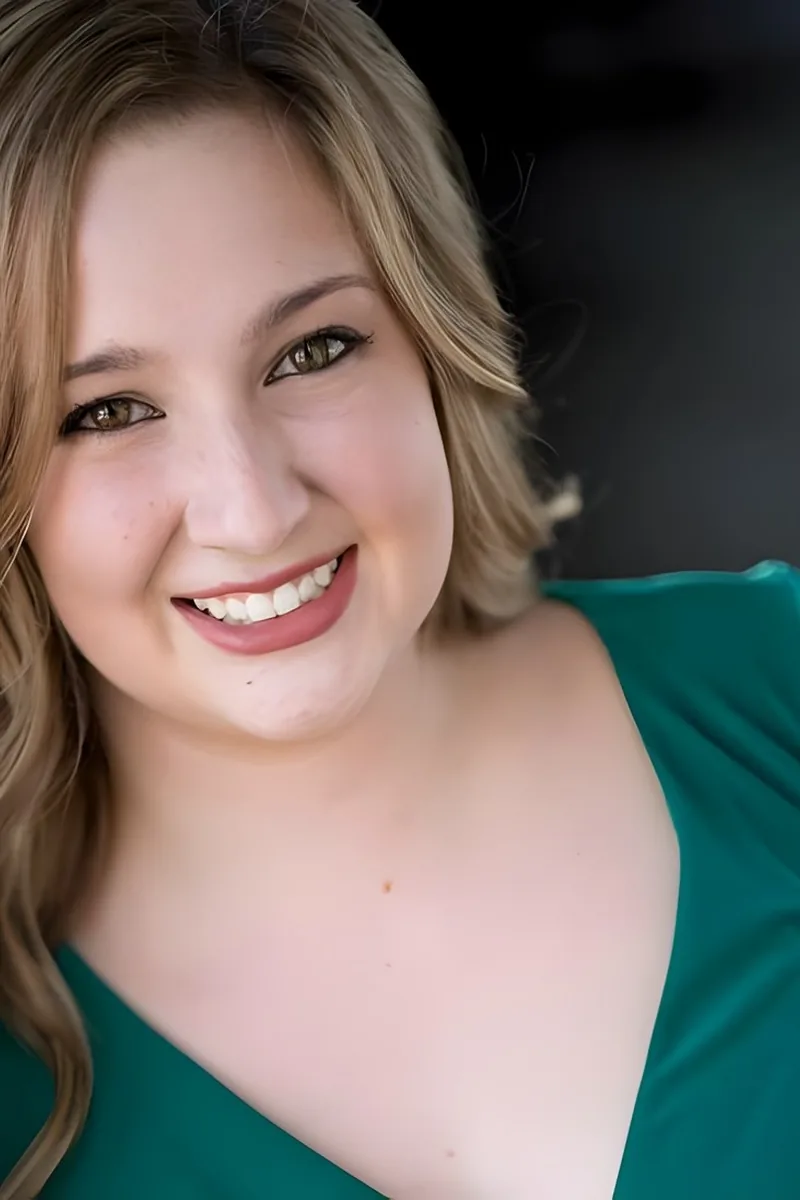
What makes AP World History's essay prompts tricky isn't the content — it's learning to write persuasively about unfamiliar documents under a ticking clock. Meaghan's background in music education, where she's trained to break complex performances into teachable components, carries over to how she tackles DBQ prep: dissecting each document's purpose, audience, and context so students can build arguments piece by piece. Rated 5.0 by students, she's especially strong on the writing and organizational side of the exam.
Having worked on political campaigns and immigration research after graduating from Northwestern, Lauren brings real-world experience with how policy, migration, and power intersect — themes that run through nearly every AP World History period, from early empire-building to twentieth-century decolonization. She's especially sharp on the essay sections, where her background in persuasive and analytical writing (and a 34 ACT) means she can teach students to build document-based arguments that do more than just restate what happened. Rated 4.9 by students.
Terry's Wharton economics training — analyzing how markets form, trade networks expand, and institutions shape incentives — gives him a practical framework for the economic systems questions that run through every AP World History period, from early agrarian societies to globalization. He's particularly sharp on the continuity-and-change prompts where students need to explain how something like mercantilism or tributary systems evolved rather than just identifying them. A 1530 SAT scorer, he brings strong timed writing instincts to DBQ and LEQ prep.
Jonah's history degree and 1590 SAT give him both the content depth and the timed analytical writing skills that AP World History's essay sections punish students for lacking — particularly on LEQ prompts where a vague thesis about, say, imperialism's impact across regions earns almost no credit. He teaches students to anchor broad comparative claims in specific evidence, turning a sprawling nine-period timeline into arguments that actually score.
Anthropology is essentially world history with the volume turned up on culture — and Jorge's Harvard degree in Social Anthropology means he reads AP World History's units on cultural diffusion, belief systems, and social hierarchies the way they were meant to be read, as interconnected human patterns rather than isolated facts to memorize. His Columbia MA in Human Rights adds a sharp lens for the exam's questions about empire, resistance, and power, especially in the post-1750 periods where human rights movements reshape the political landscape. He also tutors AP Human Geography and AP Comparative Government, so he naturally connects the geographic and political threads that earn top scores on cross-regional comparison essays.
A European History major at Vanderbilt, Alexander brings particular depth to the post-1450 periods where European expansion, colonialism, and industrialization dominate the AP World History timeline — content he's studied from primary sources, not just textbook summaries. He teaches students to treat the DBQ as an argument-building exercise, connecting specific document evidence to the broader thematic threads the exam rewards. His 1510 SAT reflects the kind of timed analytical reading and writing the free-response sections demand.
Having studied both history and Spanish as undergraduate majors, Adam reads AP World History's cross-cultural content — Islamic Spain, the Columbian Exchange, Latin American independence movements — with the kind of bilingual, dual-perspective lens that makes primary source analysis richer than a single-language approach allows. He digs into the document-based questions by teaching students to interrogate authorship and purpose before summarizing content, a skill honed through his library science graduate work in evaluating sources. His 1500 SAT speaks to the timed analytical reading the exam's free-response sections demand.
Covering ten thousand years of global history means students need frameworks, not just flashcards. Todd teaches AP World History through the recurring themes the exam actually tests — trade networks, empire-building, cultural diffusion — so students can analyze unfamiliar documents by connecting them to patterns they already understand. His University of Chicago training sharpened the kind of comparative thinking this course demands.
Cross-cultural comparison is where most AP World History students lose points, and it's where Ben's teaching shines — he breaks down how to connect developments like the Columbian Exchange, Mongol trade networks, and industrialization across regions without turning essays into vague generalizations. As a classroom history teacher who reads history for fun, he brings genuine enthusiasm to even the trickiest continuity-and-change-over-time prompts.
Jonathan's debate background at the University of Chicago — where arguing both sides of a position was the norm — translates directly to the AP World History DBQ, which asks students to weigh conflicting documents and stake out a defensible claim under time pressure. His political science training sharpened his ability to trace how governance structures and revolutionary movements echo across regions, from the Abbasid caliphate to Atlantic revolutions. A 1550 SAT scorer, he brings the same analytical discipline to teaching students how to connect specific evidence to sweeping historical arguments.
Studying Asian and Middle Eastern Studies at Duke while on a pre-med track, Caitlin brings genuine regional expertise to the parts of the AP World History curriculum that many tutors rush through — Islamic Golden Age developments, Indian Ocean trade networks, and the political transformations across Asia that anchor multiple exam periods. She tackles DBQ and LEQ prep by teaching students to connect specific documentary evidence to the cross-cultural themes the rubric actually rewards. Rated 5.0 by students.
The sheer scope of AP World History — from river valley civilizations to globalization — overwhelms most students long before exam day. Tessa, a History major at Yale, teaches students to organize that breadth through comparative and continuity-and-change frameworks that the AP rubric actually rewards. She zeroes in on building the skill of connecting specific evidence to broader historical processes, which is where most essays lose points.
Earning a perfect score on the SAT World History subject test gave Abrahim a deep familiarity with the cross-cultural comparisons and periodization that drive AP World History. He teaches students to spot continuity-and-change patterns across civilizations and translate that analysis into high-scoring essays and short answers.
Testimonials
Because the right AP World History tutor makes all the difference.
Average Session Rating – Based on 3.4M Learner Ratings
Practice AP World History
Free practice tests, flashcards, and AI tutoring for AP World History
Nearby AP World History Tutors
Other St. Louis Tutors
Related Social Studies Tutors in St. Louis
Frequently Asked Questions
AP World History spans from 1200 CE to the present, organized into four major units: Developments in Africa, the Americas, Asia, and Europe (1200-1450); Global Interactions (1450-1750); Industrialization and Global Conflict (1750-1900); and Globalizing World (1900-present). The exam emphasizes understanding historical patterns, causation, and connections across regions rather than memorizing isolated facts. A personalized tutor can help you master the specific themes and time periods that appear most frequently on the AP exam.
Score improvement depends on your starting point and commitment level, but students typically see meaningful gains within 8-12 weeks of focused preparation. Many students jump from a 2 or 3 to a 4 or 5 by strengthening their essay writing, mastering document analysis, and building deeper conceptual understanding of historical connections. Personalized 1-on-1 instruction allows a tutor to identify your specific weak areas—whether that's essay structure, timeline confusion, or regional knowledge gaps—and target those directly.
Most students struggle with the Document-Based Question (DBQ) and Long Essay Question (LEQ) because they require not just knowledge, but the ability to construct an argument using historical evidence. Common pitfalls include weak thesis statements, failing to analyze documents rather than just summarizing them, and not making clear connections between evidence and your argument. A tutor can teach you the exact rubric requirements, walk you through essay structure, and provide feedback on multiple practice essays so you develop the skills to score a 7 or 8 on the essay sections.
The multiple-choice section tests both factual knowledge and the ability to analyze sources and historical claims—so success requires more than memorization. The key is learning to eliminate wrong answers systematically, understand what each question is really asking, and recognize common historical patterns (like trade routes, technological diffusion, or social movements). Tutors often recommend taking timed practice tests regularly, reviewing wrong answers to identify patterns in your mistakes, and building a mental framework of how different regions and time periods connect.
Most students benefit from 3-4 months of consistent preparation, though this varies based on your current knowledge and test date. If you're starting in January for a May exam, dedicating 5-7 hours per week to studying, practice tests, and tutoring sessions typically yields solid results. For St. Louis students juggling multiple AP classes, a tutor can help you study more efficiently by prioritizing high-impact topics, creating a focused review schedule, and ensuring your study time translates into actual score gains rather than passive reading.
Test anxiety often stems from feeling unprepared or uncertain about how to approach questions—both things that tutoring directly addresses. By practicing with real AP exam formats, getting comfortable with the pacing (you have about 1 minute per multiple-choice question and 40 minutes per essay), and receiving constructive feedback on practice tests, you build genuine confidence. Tutors also teach practical strategies like reading essay questions carefully before the exam starts, managing your time across sections, and knowing which questions to tackle first to maximize your score.
Look for someone with strong AP exam experience—ideally someone who has taught the course, scored well on the exam themselves, or has a track record of helping students improve their scores. They should understand the specific rubrics for essays, know which topics appear most frequently, and be able to teach both content knowledge and test-taking strategy. Varsity Tutors connects you with expert tutors who specialize in AP World History and can provide personalized instruction tailored to your strengths and weak areas.
Your first session typically involves an assessment of your current knowledge, understanding your goals (are you aiming for a 4 or a 5?), and identifying which topics or skills need the most work. Your tutor might ask you to write a sample essay or take a practice multiple-choice section to see where you stand. From there, they'll create a personalized study plan that focuses on your priorities, whether that's mastering DBQ structure, filling content gaps, or building confidence in specific regional knowledge areas.
Let’s find your perfect tutor
Answer a few quick questions. We’ll recommend the right plan and match you with a top 5% tutor.