Award-Winning AP US History Tutors
serving St. Louis, MO
AP US History
Tutors in St. Louis
Private 1-on-1 tutoring, weekly live classes for academic support, test prep & enrichment, practice tests and diagnostics, and more to elevate grades and test scores.
Based on 3.4M Learner Ratings
UniversitiesSchools & Universities
DeliveredHours Delivered
ProficiencyGrowth in Proficiency
Who needs tutoring?
No obligation. Takes ~1 minute.
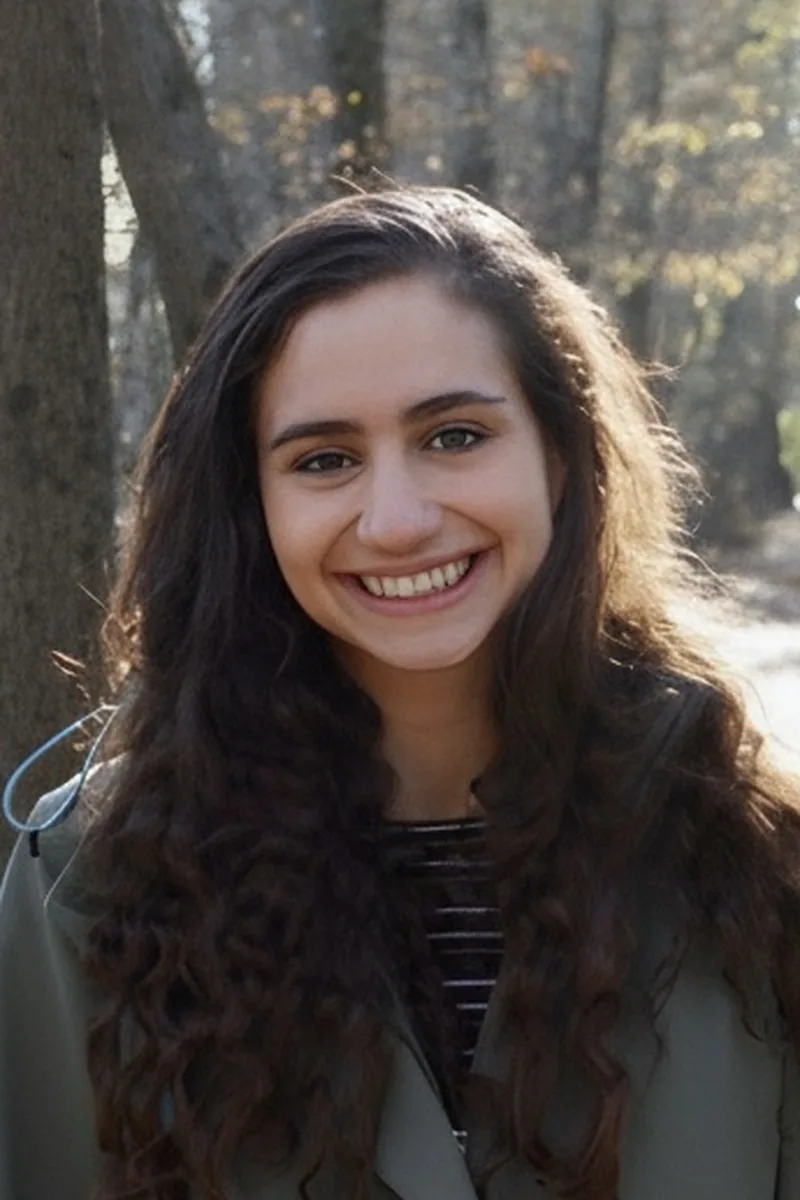
I'm excited to work with you or your child either on standardized test preparation or on generally improving performance in history, English, and social studies!

Michelle's history degree means she actually studied the primary source analysis and periodization thinking that APUSH tests — not just the content, but the discipline's methods for constructing arguments from evidence. She zeroes in on the essay skills that trip students up most, like turning a stack of DBQ documents into a coherent thesis instead of a chronological summary. Rated 5.0 by students.
The IB program's emphasis on extended essays and Theory of Knowledge — where students defend interpretive claims with structured evidence — builds the exact muscles APUSH's DBQ and LEQ require. Dalton completed the full IB diploma and now draws on that training to teach how to frame a historical argument around periodization or causation rather than just retelling events. His 35 ACT and 4.9 rating speak to the timed analytical performance the exam rewards.
AP US History's Document-Based Questions are really argumentation exercises disguised as history prompts, and Jean's legal background makes her a natural fit for teaching them. She earned her BA in History from Duke and unpacks how to synthesize primary sources into a coherent, evidence-driven essay under time pressure. Her approach to periodization and causation gives students the analytical vocabulary the exam rewards.
Studying health policy at Stanford means Jake spends his coursework tracing how government decisions — from Progressive-era public health campaigns to the ACA — reshape American life, which is exactly the kind of policy-to-impact reasoning APUSH essays reward. His 34 ACT and dual background in SAT US History and Spanish give him both the timed analytical speed and the multicultural lens that strengthen document analysis on topics like immigration, expansion, and reform. Rated 5.0 by students.
Studying government at Harvard means Priscilla lives inside the institutional frameworks — federalism, separation of powers, constitutional interpretation — that APUSH tests as recurring themes from the founding through the modern era. She's also currently teaching a civics course to younger students, which sharpened her ability to break down complex political developments into clear cause-and-effect narratives, exactly the kind of reasoning the DBQ and LEQ reward. Her 1540 SAT reflects the timed reading and analytical writing chops the exam demands.
AP U.S. History isn't just about knowing what happened — it's about constructing arguments around change over time, causation, and historical context under exam pressure. Ethan's public policy degree required deep engagement with American political and environmental history, giving him a strong command of the thematic threads the AP exam emphasizes. He teaches students to write DBQs that actually answer the prompt instead of just listing facts.
A biology undergrad who went on to earn a Master of Social Work brings an unusual combination to APUSH — Todd understands both the scientific and social dimensions of American history, from public health crises to Progressive Era reform to the policy debates that shaped the modern welfare state. That social work training means he naturally thinks in terms of systems, institutions, and their impact on communities, which is exactly the kind of causation and contextualization reasoning the DBQ and LEQ reward. Holds a 5.0 rating.
Studying religion and psychology alongside Spanish gave Sydney an unusual toolkit for APUSH — she reads primary sources through the lens of cultural belief systems and social motivation, which is exactly what document-based questions reward when they ask about audience, purpose, and historical context. Her CLEP prep across American government, American literature, and humanities means she's already fluent in the political and cultural turning points the exam covers most heavily. Rated 4.9 by students.
Studying economics and public policy at the University of Chicago means Ethan spends his coursework analyzing the same forces — tariff debates, fiscal policy, institutional power shifts — that APUSH tests across every period from Hamilton's economic plan through Great Society legislation. That policy-analysis training makes him especially sharp on the causation and continuity-and-change reasoning the exam's essays demand, since he's used to tracing how one political decision cascades through decades of consequences. His 1550 SAT reflects the timed reading and argumentation stamina the DBQ requires.
The AP US History exam tests whether students can do what historians do: analyze documents, identify historical causation, and construct a defensible argument under time pressure. Rachel studied history in college and knows how to break down DBQ and LEQ prompts so students understand what the rubric actually rewards. She zeroes in on the periodization and thematic connections that turn a competent essay into one that scores a 4 or 5.
A Master of Public Policy degree means Erika spent graduate school analyzing how American institutions evolved and why specific policy decisions — from the New Deal to the Great Society — reshaped the country. That lens gives her a natural edge when teaching APUSH's thematic threads around government power, reform movements, and political realignment. Rated 5.0 by students, she connects policy context to the kind of argumentation the exam actually scores.
Testimonials
Because the right AP US History tutor makes all the difference.
Average Session Rating – Based on 3.4M Learner Ratings
Practice AP US History
Free practice tests, flashcards, and AI tutoring for AP US History
Nearby AP US History Tutors
Other St. Louis Tutors
Related Social Studies Tutors in St. Louis
Frequently Asked Questions
Score improvement depends on your starting point and study commitment, but personalized tutoring typically helps students move up 1-2 score levels (on the 1-5 AP scale) over a few months. Many students see the biggest gains by focusing on their weakest areas—whether that's essay writing, document analysis, or retaining complex historical narratives. A tutor can identify exactly where you're losing points and create a targeted study plan to address those gaps.
The main hurdles are managing the sheer volume of content (nearly 500 years of history), mastering the three essay types (DBQ, LEQ, and SAQ), and developing strong document analysis skills. Many students struggle with pacing during the exam—the DBQ alone gives you only 60 minutes to analyze sources and write a thesis-driven essay. Tutors can help you build efficient note-taking strategies, practice timed essays, and learn how to quickly extract relevant evidence from primary sources.
Your first session focuses on assessment and planning. A tutor will review your current understanding of key historical periods, look at any practice essays or tests you've taken, and identify your specific weak areas—whether that's a particular time period, essay format, or test-taking strategy. From there, they'll create a personalized study roadmap tailored to your goals and timeline, whether you're preparing months in advance or cramming before the May exam.
Essay writing is worth 60% of your AP US History score, so targeted practice is critical. Tutors teach you the specific rubric requirements for each essay type—how to craft a strong thesis, integrate evidence effectively, and avoid common pitfalls like vague analysis or unsupported claims. You'll practice writing timed essays, receive detailed feedback on your arguments and organization, and learn how to quickly identify the best evidence from documents or your historical knowledge.
Practice tests are essential—they help you get comfortable with the exam format, identify which time periods or question types trip you up, and build stamina for the 3-hour exam. A tutor can help you use practice tests strategically by reviewing your mistakes in depth rather than just retaking tests. This means understanding why you misread a document, why your thesis wasn't strong enough, or where you ran out of time, so you don't repeat those patterns on test day.
If you're starting 3-4 months before the exam, aim for 5-8 hours of focused study per week, combining content review with regular essay practice and practice tests. If you're closer to the exam, you'll need more intensive sessions. A tutor can help you create a schedule that covers all time periods while leaving time for targeted review of your weakest areas. Consistency matters more than cramming—spaced practice over weeks helps you retain information and build writing skills.
Test anxiety often stems from feeling unprepared or uncertain about what to expect. Regular practice with timed essays and full-length exams builds confidence and makes the format feel familiar. Tutors can also teach you pacing strategies—like spending the first 5 minutes planning your DBQ essay or knowing when to move on from a tough multiple-choice question. Going into the exam with a solid study plan and proven test-taking strategies significantly reduces anxiety.
Look for tutors with strong AP US History experience—ideally they've taught the course, scored well on the exam themselves, or have extensive tutoring experience with the specific rubrics and content. They should be familiar with the current exam format and College Board requirements, and able to explain why certain answers are correct, not just what the answers are. Varsity Tutors connects you with expert tutors in St. Louis who understand both the subject and the best strategies for AP success.
Let’s find your perfect tutor
Answer a few quick questions. We’ll recommend the right plan and match you with a top 5% tutor.