Award-Winning Japanese Tutors
serving St. Louis, MO
Japanese
Tutors in St. Louis
Private 1-on-1 tutoring, weekly live classes for academic support, test prep & enrichment, practice tests and diagnostics, and more to elevate grades and test scores.
Based on 3.4M Learner Ratings
UniversitiesSchools & Universities
DeliveredHours Delivered
ProficiencyGrowth in Proficiency
Who needs tutoring?
No obligation. Takes ~1 minute.
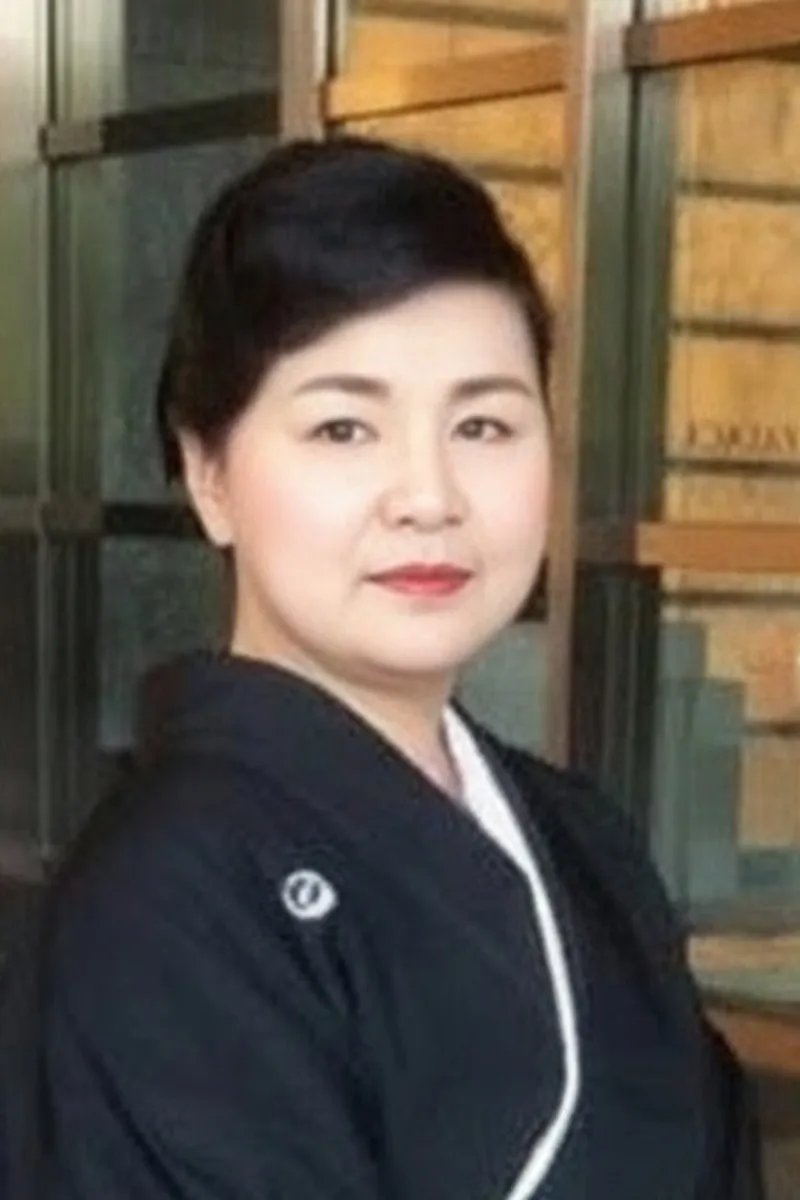
As a native Japanese speaker with over fifty years of fluency in reading, writing, and conversation, Hatsuki teaches the language the way it's actually used — from particle usage and keigo (honorific speech) to the nuances between hiragana, katakana, and kanji in everyday contexts. She currently lives in the U.S. with her family, giving her a natural understanding of where English speakers stumble with Japanese grammar and pronunciation.
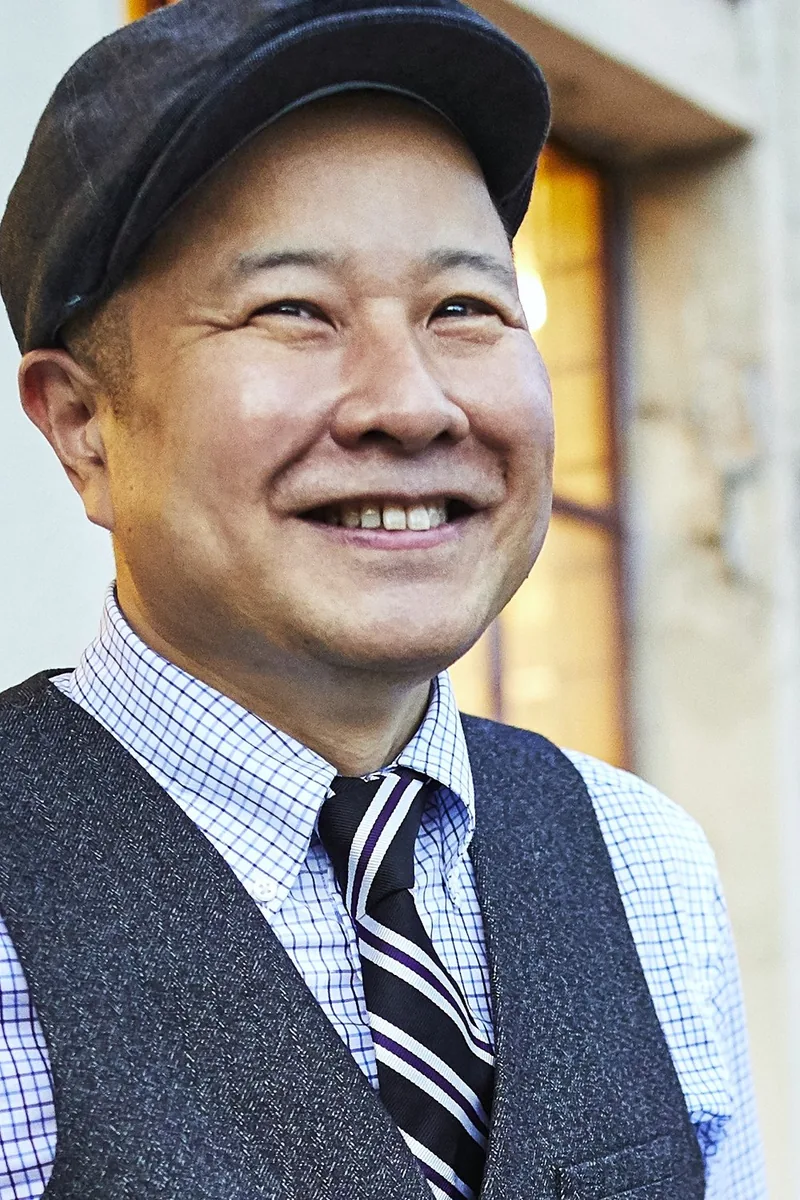
Hi! It's Wataru. I am originally from Japan and have been living in New York since 2000. I had a career as an industrial newspaper pressman/editor in Tokyo so that I know newspaper level strict grammar and manner of business speech. I watch anime and I can talk about Japanese subculture with you if you like. I have been teaching Japanese language in person and online. I have taught from beginners to JLPT N3 certificate prep students. I've taught American, Canadian, English, Indian, German, Australian, Mexican, and so on. Teaching is one of my way to feel the joy of supporting people. I'll help you master the language and dive into Japanese culture and subculture. Once you start to think in Japanese, you will notice that your way of communication changes. English is good for business, law, and science while Japanese is more about sharing feelings. The waiters in Japan may be reluctant to serve your table, but my students prepare well to make them feel at ease and they have fantastic travel in Japan.
Rachel's International Relations coursework exposes her to multiple language systems and cross-cultural communication, which she channels into teaching Japanese fundamentals like hiragana recognition, basic particle usage, and everyday vocabulary. Her relaxed, adaptive style — reflected in a 5.0 rating — is especially useful for beginners who tense up when faced with an entirely new writing system and unfamiliar grammar order.
I'm currently a freshman at Brown University. I will most likely triple major in Ancient Greek & Sanskrit, Latin, and Japanese. I have had lots of experience tutoring those around me, such as friends, peers, and class mates, and I have always enjoyed seeing their progress as students. My tutoring experiences include after-school assistance to those struggling in Ancient Greek at my former high school, to helping Juniors and Sophomores help ace the SAT. My specialty is language and history, with an emphasis on Japanese, English, Latin, US history and World History, but I am also more than happy to help out those struggling with Algebra and Geometry. As someone who was once an ESL student himself, I believe that a good education rests upon the ability to comprehend, interact, and apply ideas. Besides academic matters, I am also fond of running, calisthenics, and Enka music.
Crystal minored in Japanese Language and Culture at Northern Kentucky University, so she brings both formal study and genuine cultural curiosity to teaching everything from kana writing to grammar fundamentals. Her day job as a K-12 reading and ESL instructor means she's trained to break down unfamiliar language structures for learners at any level — a skill that pays off when explaining Japanese concepts like sentence-final particles or basic verb tenses that have no English equivalent. Rated 5.0 by students.
I am an experienced tutor and teacher from Okinawa, Japan who recently graduated from Brown University and now lives in Brooklyn.
Zhaleh is actively studying Japanese at Carnegie Mellon University, which means she's navigating the same kanji memorization strategies, grammar particle distinctions, and reading comprehension challenges her students face. She breaks down tricky structures like て-form conjugations and は vs. が usage in ways that make the logic behind the language click.
Growing up attending the Japanese Weekend School of New Jersey while enrolled in American public schools, Hidefusa developed native-level fluency in both languages and a deep understanding of where English speakers stumble with Japanese. He teaches everything from hiragana and katakana basics to kanji recognition, particle usage, and keigo (formal speech) — drawing on the bilingual instincts of someone who has lived in both linguistic worlds.
I am motivated in addressing the disparities in educational equity here in the Twin Cities, particularly for students of color and students of differing socio-economic backgrounds. I work to build strong relationships with students to determine the strengths and knowledge they bring to the table.
Learning Japanese means juggling three writing systems, unfamiliar sentence structures, and particles that don't map neatly onto English — Rex tackles each layer separately so students can build real reading and conversational ability. His communication design background also gives him a unique perspective on how visual layout and typography work in Japanese media, which keeps lessons engaging and culturally grounded.
Having taught himself Japanese alongside his formal studies in public policy and education, James knows firsthand where English speakers get tripped up — especially with particles, basic verb conjugation, and the leap from hiragana to katakana. His education background means he's trained to spot where understanding breaks down and adjust his explanations on the fly, which is exactly what beginners need when nothing about Japanese grammar maps onto what they already know.
I am also fluent (reading/listening/writing) in Cantonese and mandarin Chinese because of my upbringing. Half of my childhood education was received in Hong Kong and the other half was in Australia.
Learning Japanese means juggling three writing systems, a grammar structure that's the reverse of English, and cultural nuances that change how you speak depending on who you're talking to. Natasha taught Japanese at the high school level and lived in Japan teaching in elementary schools, giving her the kind of practical fluency that makes hiragana drills, particle usage, and conversational practice feel grounded in real life. She's 5.0-rated and works with beginners through advanced learners.
Testimonials
Because the right Japanese tutor makes all the difference.
Average Session Rating – Based on 3.4M Learner Ratings
Nearby Japanese Tutors
Other St. Louis Tutors
Related Languages Tutors in St. Louis
Frequently Asked Questions
Your first session is all about understanding where you are and where you want to go. A tutor will assess your current level across reading, writing, speaking, and listening, discuss your goals (whether that's passing the AP Japanese exam, conversational fluency, or cultural understanding), and create a personalized learning plan. This foundation helps ensure every session builds on your strengths and targets your specific challenges.
Classroom settings rarely provide consistent speaking practice, but personalized tutoring gives you dedicated time to speak Japanese with immediate feedback on pronunciation, grammar, and natural usage. A tutor can adapt conversations to your level, correct mistakes in real-time, and help you build confidence with authentic dialogue—something that's difficult to replicate in group settings.
Japanese verbs conjugate based on tense, formality, and whether they're positive or negative—creating dozens of patterns that feel abstract when learned through textbooks alone. A tutor breaks conjugation into logical chunks, shows you patterns across different verb groups, and gives you repeated practice in context so the rules become natural rather than memorized.
Spaced repetition and active retrieval—reviewing words at increasing intervals and using them in real conversations—are far more effective than cramming. A tutor can incorporate vocabulary into personalized dialogues and writing exercises, ensuring you're using new words in context rather than just memorizing lists. This approach helps words stick and become part of your active vocabulary.
Rather than isolated flashcard drills, effective kanji learning connects characters to their radicals (components), shows you how they're used in real words and sentences, and builds recognition through reading practice. A tutor can prioritize the kanji most relevant to your goals and integrate them into your reading and writing work, making study time more efficient and meaningful.
Language and culture are deeply connected—understanding cultural context helps you use Japanese appropriately and appreciate nuances in speech, writing, and media. A tutor can weave cultural insights into lessons, explaining why certain formality levels matter, how honorifics work, and what's behind common expressions. This enriches your learning and helps you communicate more naturally.
St. Louis has Japanese cultural organizations, community centers, and language meetups that offer additional immersion opportunities. A tutor familiar with local resources can recommend conversation groups, cultural events, or media to supplement your personalized lessons, helping you practice in real-world contexts and build connections with the Japanese-speaking community.
Reaching professional-level proficiency typically requires around 2,200 hours of study, but conversational fluency—the ability to handle everyday conversations—comes much sooner with consistent, focused practice. With personalized tutoring combined with self-study and immersion activities, many students achieve practical conversation skills within 6-12 months, depending on their starting level and study intensity.
Let’s find your perfect tutor
Answer a few quick questions. We’ll recommend the right plan and match you with a top 5% tutor.