Award-Winning Anatomy Tutors
serving Charlotte, NC
Anatomy
Tutors in Charlotte
Private 1-on-1 tutoring, weekly live classes for academic support, test prep & enrichment, practice tests and diagnostics, and more to elevate grades and test scores.
Based on 3.4M Learner Ratings
UniversitiesSchools & Universities
DeliveredHours Delivered
ProficiencyGrowth in Proficiency
Who needs tutoring?
No obligation. Takes ~1 minute.
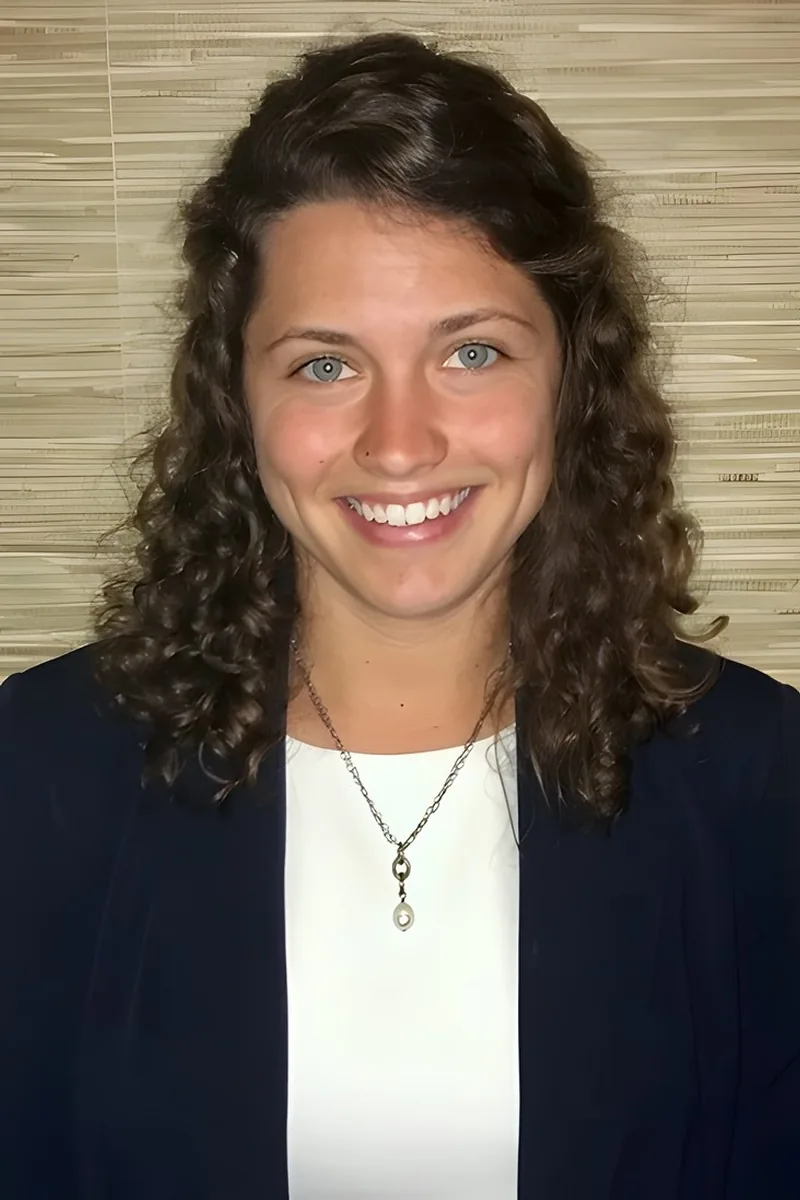
I am currently a fourth year medical student who is looking forward to helping other students enjoy math and science! I have a masters of science in physiology from Georgetown was well as a bachelors degree in anthropology with minors in medical Spanish and chemistry from UNC Chapel Hill. Having been in school for a very long time, I understand that everyone learns differently and at different paces. I will tailor my tutoring to best help you achieve the grades and changes that you would like to see.
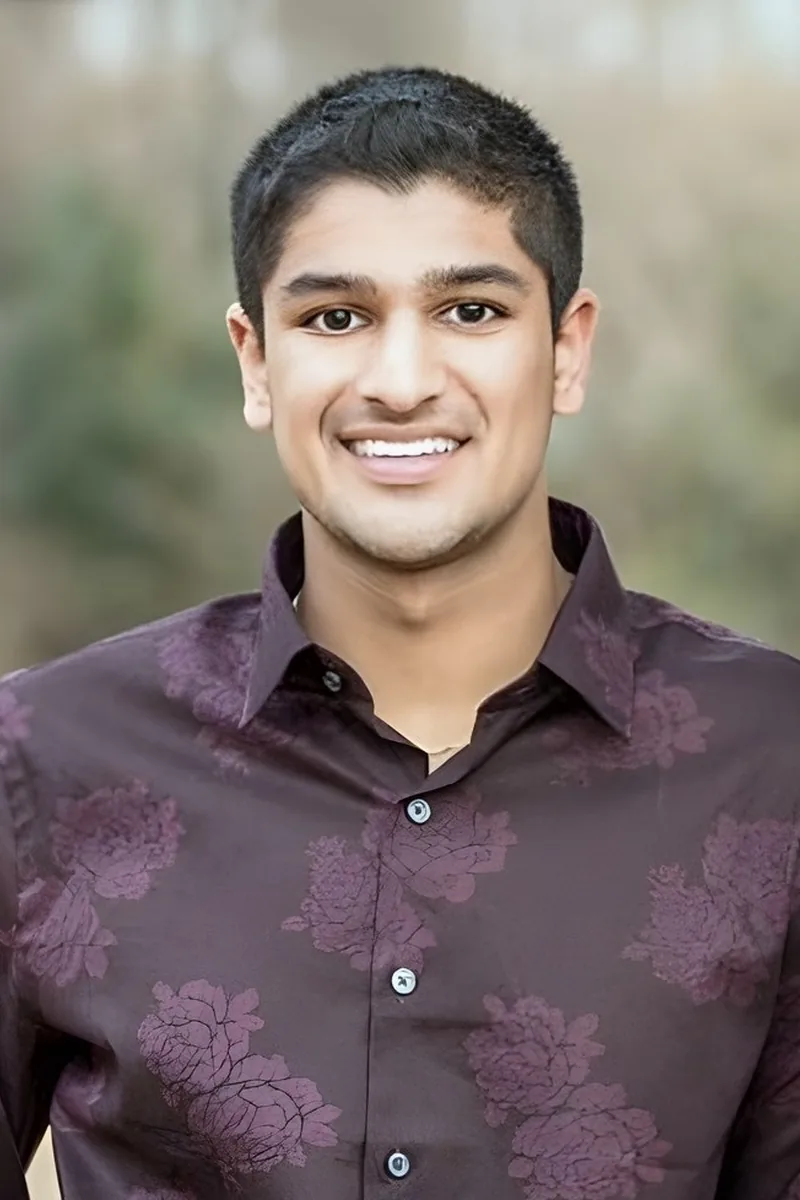
I am an undergraduate student at Wofford College pursuing a major in biology with a minor in business. In addition, I am a nationally certified and state certified Emergency Medical Technician and work sporadically throughout the year. I have three years of experience tutoring students in a wide array of subject areas. I have a true passion for learning and I am extremely excited to share that passion with the students I have the privilege to help succeed.
Memorizing every bone, muscle, and organ system in anatomy can feel overwhelming without a framework for how the body's structures actually connect. Brianna approaches each system — skeletal, muscular, cardiovascular — by linking form to function, so that naming structures becomes part of understanding what they do rather than a standalone memorization task. Her science teaching background and experience across age levels let her adjust the depth and pace to match any anatomy course.
I am passionate about biomedical engineering, and am endlessly amazed by intricacies of the world around us. My degrees are in engineering (BS-General Engineering from Harvey Mudd, MS- Mechanical Engineering, and PhD-Bioengineering from Georgia Tech), but I also love art and literature and linguistics. Outside of academics, I am an avid sports fan (and rugby player) and I love to cook, hike with my dog, and travel.
I'm currently a post-doctoral associate at Duke University. My research aims to understand how specialized cells in the brain contribute to synapse formation and function. I previously was a PhD student at Washington University in St. Louis where I used a genomics approach to understand how cells in the brain rapidly communicate at the synapse. I am originally from NJ and received my Bachelor's degree from Rutgers University. I have taught a series of courses for undergraduate students (Neurophysiology, Molecular Biology), graduate students (human anatomy) and a mixture of graduate students and researchers (Techniques in neurobiology). Details on these can be found on my CV which is uploaded. In my free time, I enjoy spending time with my family and hiking with my Australian Shepherd in the mountains of NC. I can't wait to meet students and help them succeed in courses and beyond!
I am a current senior at the University of North Carolina at Chapel Hill. I am completing a degree in Health Policy and Management with minors in chemistry and biology. Currently, I am on the pre-medical track at UNC I am applying to medical schools for next year. I have worked as a tutor at the UNC Learning Center for two semesters and I have been a TA for anatomy and physiology for three semesters (two of those as lead TA).
I am a 7-12 certified middle school History teacher. I also am on the premedical track. I have a major in History and minors in Biology/Chemistry from Duke University.
I am a recent UNC Chapel Hill graduate with a Bachelor in Science in biology and a Bachelor of Arts in medical anthropology. I am most passionate about Science and English, as both focus on how the world works but in different ways. I have four years of experience working with K-8, as well as tutoring two years of college chemistry and biology. I try to focus on having fun while learning and hope that you can used my tricks to succeed in other classes in the future!
I am an avid cell molecular biologist, anatomist and neuroscientist with a passion for educating young minds to reach their fullest potential. I have more than a decade of experience in teaching and research at College/University level. Having lived and taught on 2 different continents has enabled me to become more attentive to student's needs and do my best to set them up for future success. My philosophy is that reading and teaching can stimulate the mind but thinking will plant and grow ideas. The approach I use is inspired from my own experiences in learning biological sciences where there seemed to be always an absurd amount of material to be read and understood. By centering on the core principles, I believe it significantly reduces the need to 'cram' concepts but to apply content that they have learnt. My job is to lead students to learn more about themselves as it relates to the subject, that way the knowledge acquired results in permanent change of behavior.
Studying tissue engineering at Tufts meant Kelly had to know anatomical structures inside and out — not just their names, but how their form supports their function. She teaches musculoskeletal, cardiovascular, and nervous system anatomy by linking each structure to the physiological role it plays, which makes retention far more durable than flashcard memorization alone.
Studying pharmacology at Tulane meant knowing exactly where every nerve, vessel, and organ sits — because drug delivery depends on it. Helen teaches anatomy by building spatial understanding of body regions and systems rather than relying on brute-force memorization of isolated terms. Her 5.0 rating speaks to how well that approach lands.
Physician Assistant training at UNT Health Science Center means Joyce is actively working through clinical anatomy in real time — from organ system relationships to neurovascular pathways she encounters during rotations. Her master's in biomedical sciences and undergraduate biology degree built the foundational layers, but it's the clinical context that sharpens how she teaches structures like brachial plexus branches or abdominal viscera, connecting each one to the patient scenarios that make it stick. Rated 5.0 by students.
Memorizing every muscle origin and insertion or cranial nerve pathway can feel impossible without a system. Nishad, currently in medical school where anatomy is a cornerstone of the curriculum, teaches structural relationships and functional groupings that turn rote memorization into something closer to storytelling — following a nerve from the brainstem to the tissue it innervates, for example.
Three years of dental school at Penn means Josh doesn't just know anatomy from a textbook — he's studied it through cadaver dissection and clinical application, especially the musculoskeletal and nervous systems of the head and neck. That hands-on depth translates into vivid explanations of structures, origins, insertions, and innervations that stick better than rote flashcard drilling.
Memorizing every muscle insertion and nerve pathway in anatomy can feel overwhelming without a framework for organizing the material. Rachelle teaches students to approach structures by functional systems — grouping muscles by movement, tracing blood supply logically — so that recall becomes intuitive rather than brute force. Her disciplined study habits, honed through a philosophy degree and military service, translate directly into efficient anatomy prep.
As a doctoral physical therapy student at Washington University, James studies human anatomy with a level of detail that goes well beyond introductory courses — from musculoskeletal origins and insertions to the brachial plexus and cranial nerves. He teaches anatomy by organizing structures into functional groups rather than isolated facts, which makes large volumes of material far more manageable. His 4.9 rating speaks to how well that approach lands with students.
Learning primate skeletal and muscular anatomy firsthand at Duke's Lemur Center gave Benjamin a tactile understanding of the structures most anatomy courses cover — bones, joints, muscle origins and insertions, and organ placement. He teaches by building spatial maps of the body region by region, linking each structure's name to its function so the terminology sticks.
Memorizing every bone, muscle, and nerve pathway in anatomy can feel overwhelming without a framework for why structures are shaped and positioned the way they are. Varuna's biomedical engineering background — where she studied how mechanical forces act on tissues and how devices interface with the body — gives her exactly that framework. She teaches anatomy as a design problem, which makes retention far more intuitive.
Having studied anatomy through her nursing education, Sarah knows the subject from the inside — not just labeling structures on a diagram but understanding how organ systems interact functionally. She tackles tough topics like the brachial plexus or cardiac conduction pathways by linking structure to clinical purpose, which makes dense material far easier to retain.
Memorizing every bone, muscle, and nerve pathway in anatomy can feel like learning a foreign language — because it essentially is one, rooted in Latin and Greek terminology. Amanda's anthropology and archaeology training gave her years of hands-on experience with skeletal and muscular systems in ways most tutors never encounter. She teaches students mnemonic strategies and spatial reasoning techniques that turn rote memorization into durable understanding of structural relationships.
Memorizing every muscle origin, insertion, and innervation feels impossible until someone shows you the structural logic behind it. Casey approaches anatomy through her bioengineering lens, teaching students to see the body as an integrated mechanical and biological system so that concepts like brachial plexus organization or cardiac valve function make spatial sense, not just flashcard sense.
Testimonials
Because the right Anatomy tutor makes all the difference.
Average Session Rating – Based on 3.4M Learner Ratings
Practice Anatomy
Free practice tests, flashcards, and AI tutoring for Anatomy
Other Charlotte Tutors
Related Science Tutors in Charlotte
Frequently Asked Questions
Memorizing bone names and muscle origins won't stick without understanding how they function together. Personalized 1-on-1 instruction helps you connect anatomical structures to their real-world roles—like how the rotator cuff muscles work together to stabilize your shoulder, or why certain blood vessels branch the way they do. When you understand the "why" behind anatomy, retention improves dramatically and you're better prepared for exams that test application, not just recall.
Anatomy is inherently visual—you're studying 3D structures in a 2D textbook, which makes it challenging to build accurate mental models. Expert tutors use diagrams, models, and spatial reasoning techniques to help you visualize how organs, bones, and systems relate to each other in three dimensions. This approach transforms abstract concepts into concrete understanding, making it easier to answer questions about anatomical relationships and clinical scenarios.
Absolutely. Lab work requires not just knowing anatomy but being able to identify structures on specimens, models, and imaging—skills that go beyond lecture material. Tutors can help you prepare for lab practicals by drilling identification skills, explaining what you're observing under the microscope, and connecting lab findings back to lecture concepts. This targeted preparation significantly improves lab exam performance and deepens your practical understanding of anatomical structures.
Charlotte's 206 schools and diverse student population mean anatomy is taught at multiple levels—from high school AP Biology to college pre-med courses. Varsity Tutors connects you with tutors who understand the specific anatomy curriculum you're studying, whether that's high school anatomy & physiology, college-level human anatomy, or advanced courses like neuroanatomy. Local expertise combined with personalized instruction ensures you're getting support tailored to your exact course requirements.
Your first session focuses on understanding where you are and where you need to go. The tutor will assess your current grasp of key concepts, identify which topics are giving you the most trouble (common pain points include the nervous system, vascular pathways, and muscle innervation), and learn your learning style. From there, you'll develop a personalized plan that targets your specific challenges while building a strong foundation in the concepts that underpin everything else in anatomy.
Anatomy exams test both conceptual understanding and practical identification skills, requiring a multi-faceted prep approach. Tutors help you master content through active learning techniques like retrieval practice and spaced repetition, while also drilling practical skills like specimen identification and imaging interpretation. They can also help you understand common exam question formats and teach you how to apply anatomical knowledge to clinical scenarios—the types of questions that separate strong performance from excellent performance.
Look for tutors with strong backgrounds in human anatomy, biology, or related health sciences—ideally with experience teaching or tutoring anatomy at your specific level. The best tutors combine deep content knowledge with the ability to explain complex spatial relationships clearly and adapt to your learning style. When you connect with Varsity Tutors, we match you with qualified tutors who have demonstrated expertise in anatomy and a track record of helping students succeed.
Students often struggle most with systems that are highly interconnected and spatial—like the nervous system (with its complex pathways and numerous branches), the vascular system (arteries and veins throughout the body), and the musculoskeletal system (understanding how muscles attach and move bones). Personalized tutoring breaks these complex systems into manageable pieces, uses visual and spatial reasoning strategies, and connects each component to the larger system. This systematic approach transforms overwhelming topics into clear, understandable concepts.
Let’s find your perfect tutor
Answer a few quick questions. We’ll recommend the right plan and match you with a top 5% tutor.