Award-Winning Writing Tutors
serving Lakeland, FL
Writing
Tutors in Lakeland
Private 1-on-1 tutoring, weekly live classes for academic support, test prep & enrichment, practice tests and diagnostics, and more to elevate grades and test scores.
Based on 3.4M Learner Ratings
UniversitiesSchools & Universities
DeliveredHours Delivered
ProficiencyGrowth in Proficiency
Who needs tutoring?
No obligation. Takes ~1 minute.
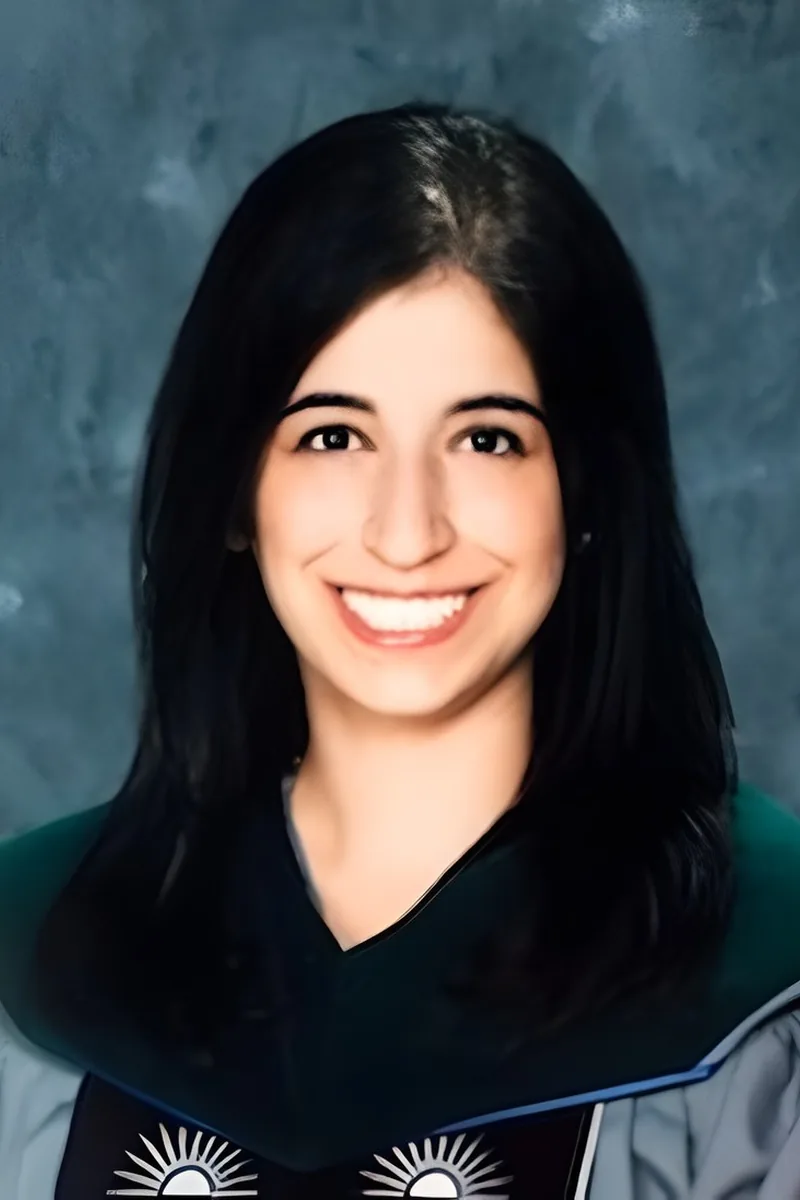
Strong writing starts with having something specific to say and a clear reason for saying it — the mechanics follow from there. Jessica earned her writing certification through Penn's selective Critical Writing program as a freshman, then spent years tutoring peers on everything from argumentative essays to research papers. She teaches students to outline with a claim in mind, draft without self-editing, and revise with ruthless attention to whether each sentence actually advances the argument.
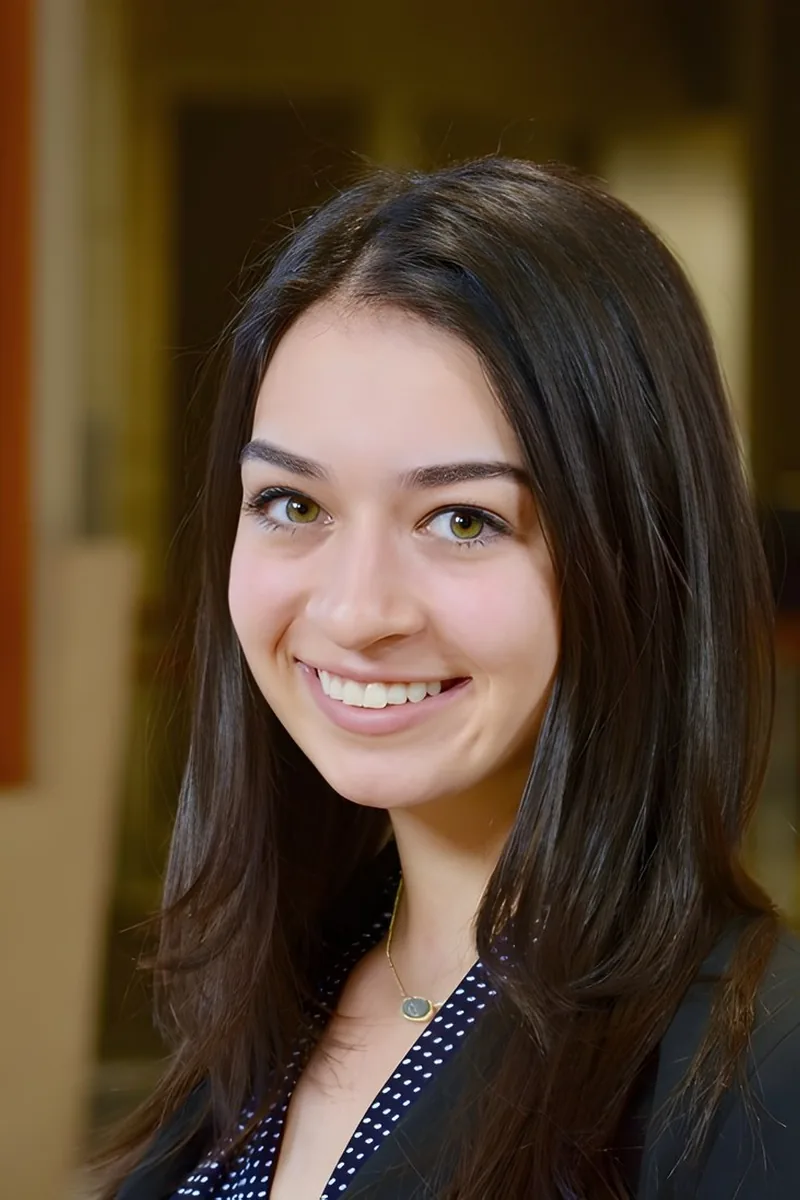
Clear writing starts with clear thinking, and Tiffany treats every writing session as a chance to untangle what a student actually wants to say before worrying about how to say it. Her training in legal writing — where precision and structure aren't optional — gives her a practical framework for teaching everything from thesis development to paragraph-level organization. She's particularly effective with argumentative and analytical essays.
Clarity in writing comes from knowing what you actually want to say — and Michelle treats revision as the place where that discovery happens. She teaches students to restructure arguments, tighten prose, and eliminate filler by working through their own drafts line by line. Her dual interests in neuroscience and literature at Duke give her range across analytical and creative writing styles.
Santiago treats writing as a form of thinking — the draft isn't just a product but a way to discover and sharpen an idea. At Duke, where he minors in English, he's developed a process for teaching thesis construction, paragraph architecture, and revision that works whether the assignment is a personal narrative or a research paper. He's rated 5.0 by students.
Strong writing starts with having a clear argument, not with having a large vocabulary — and that distinction changes how Olivia teaches the craft. She breaks the writing process into concrete, repeatable steps: narrowing a topic into a real claim, organizing evidence so each paragraph earns its place, and revising at the sentence level for precision. Her American Studies training demanded constant writing across disciplines, giving her a versatile toolkit for academic essays, creative pieces, and everything in between.
Most writing problems aren't really about writing — they're about thinking. James tackles the planning stage first, teaching students to organize an argument or narrative before committing words to the page, so revision becomes refinement instead of a total overhaul. His experience spans everything from middle school persuasive essays to college-level academic writing, and he adjusts his approach based on what each assignment demands.
Getting ideas out of your head and onto the page in a clear, organized way is a skill that can actually be taught. Libby breaks the writing process into concrete steps — brainstorming, outlining, drafting, revising — so students stop staring at a blank screen and start building paragraphs with real structure and voice.
Most students know what they want to say but freeze when facing a blank page — Amanda tackles that paralysis by teaching concrete pre-writing strategies like outlining by claim rather than by topic. Her academic writing spans psychology research papers and historical analysis, so she can adapt her instruction whether a student is crafting a personal narrative or a five-paragraph argumentative essay. She's especially effective at teaching transitions and paragraph-level structure, the skills that turn disjointed drafts into cohesive pieces.
Destiny approaches writing instruction by starting with argument structure before touching a single sentence — if the logic doesn't hold, polished prose won't save it. She teaches students to outline a clear claim-evidence-analysis framework, then revise at the sentence level for clarity and style. Her training at Harvard keeps her sharp on what rigorous academic writing actually looks like.
Clear writing is clear thinking, and Apoorva's experience in engineering — where lab reports and technical proposals demand exactness — translates directly into teaching students how to organize ideas on the page. She digs into paragraph structure, thesis development, and how to support claims with specific evidence rather than vague generalizations.
Learning to write well means learning to think on paper — organizing messy ideas into a clear claim and supporting it with evidence that doesn't wander. Andrew pairs his writing minor with a scientist's instinct for precision, teaching students to cut filler, sharpen thesis statements, and build paragraphs that each do real work. His approach turns vague drafts into essays that say exactly what the writer means.
Someone who didn't speak English until age sixteen and went on to earn a degree in literature understands the craft of writing from the ground up. Muriel breaks the writing process into concrete steps — generating a controlling idea, organizing evidence, building transitions that do real argumentative work. Whether the assignment is a persuasive essay or a research paper, she teaches students to revise with purpose rather than just rearranging sentences.
Strong writing starts before the first sentence — with a clear sense of audience, purpose, and structure. Robert breaks down the writing process into concrete, repeatable steps, from brainstorming and outlining through revision, so the blank page stops feeling paralyzing. His experience spans expository, creative, and argumentative writing across academic levels.
Trained as both a journalist and a literary scholar, Heidi approaches writing from two directions: the storyteller's instinct for voice and pacing, and the rhetorician's discipline around evidence and structure. Whether a student is drafting a research paper or a personal narrative, she walks through outlining, argumentation, and revision as distinct skills worth practicing on their own.
The hardest part of writing isn't grammar — it's figuring out what you actually want to say and organizing it so a reader follows your thinking. Emerson tackles that problem head-on, teaching students to outline arguments, build transitions between ideas, and revise with purpose. His range covers timed essays, research papers, and creative pieces, shaped by a University of Chicago education where clear, rigorous writing is non-negotiable.
Danielle treats writing as a craft with learnable moves — thesis construction, paragraph architecture, transitions that actually connect ideas rather than just bridge them. Her background spans museum education, classroom teaching, and college-level English, so she's coached writers at every stage from first brainstorm to polished final draft.
As a middle school Language Arts teacher, Conor spends his days teaching students how to build an argument, organize evidence, and express ideas with precision — the same core skills that matter in any writing assignment at any level. He's especially effective at turning reluctant writers into confident ones by starting with prompt analysis and outlining before drafting a single sentence.
Crafting a strong essay is really about learning to think on paper — building an argument clause by clause until the reader can't look away. Logan studies philosophy at Yale, where writing is the primary medium for every class, and he brings that daily practice to teaching thesis development, paragraph structure, and revision techniques. Rated 5.0 by students.
I am a senior at Vanderbilt University studying English (Creative Writing) and Quantitative Methods. I currently tutor a wide range of subjects from elementary school reading and writing to ACT prep to college-level English and literature and also offer studying and organizational skills within academic coaching.
Between a critical writing concentration in college and a law degree that demanded clear, persuasive prose daily, Jess has logged thousands of hours producing and revising written arguments. She teaches students to outline before drafting, build paragraphs around single claims, and revise with purpose — skills that transfer across academic essays, personal narratives, and research papers. Rated 4.9 by students.
Whether the assignment is a lab report, a personal narrative, or a five-paragraph argumentative essay, Madison treats writing as a skill built through deliberate revision — not inspiration. Her experience spans scientific publishing and humanities coursework at Vanderbilt, so she can teach thesis construction, evidence integration, and voice development across genres.
Legal scholarship demands precision: every claim needs evidence, every paragraph needs a clear function, every word needs to justify itself. Ashley brings that discipline to writing instruction, whether a student is working on a five-paragraph essay or a research paper, and she's particularly effective at teaching thesis development and paragraph-level organization.
Good writing is really rewriting, and Adam treats the drafting process as iterative rather than one-and-done. With degrees in both English literature and linguistics, he tackles everything from thesis development and evidence integration in academic essays to voice and imagery in creative pieces. He's particularly effective at showing students how to restructure a muddled paragraph so the argument actually builds.
Strong writing starts with knowing what you want to say and then organizing it so a reader can follow along — something that sounds simple but trips up students at every level. Sabrina breaks the writing process into discrete steps: brainstorming, outlining, drafting topic sentences, and layering in evidence before polishing for grammar. Her 5.0 rating speaks to how well that structured approach clicks with students who feel stuck staring at a blank page.
Getting ideas onto the page is one challenge; making them persuasive is another. Marina teaches students how to build a thesis that actually stakes a claim, support it with well-chosen evidence, and vary sentence structure so the writing doesn't flatten out. Her UCLA coursework in Women's Studies demanded rigorous analytical writing across disciplines, a skill she now brings to every assignment.
Every class at St. John's College requires students to construct written arguments from scratch using primary sources — no textbooks, no SparkNotes. That constant practice gives Kelsey a concrete process for teaching writing: start with a genuine question, build a thesis that answers it, and organize evidence so each paragraph earns the next. She's particularly strong at helping students move from a blank page to a structured first draft.
Learning to write well means learning to think clearly on paper — organizing ideas, building an argument, and choosing words with precision. Ari's dual background in philosophy and economics at Columbia means he's constantly producing analytical writing himself, from logic-driven essays to data-informed policy arguments. He brings that range to students working on everything from personal narratives to persuasive essays.
Clear writing starts with clear thinking, which is something Kaitlyn practices daily as a medical student translating complex biological concepts into organized prose. She teaches students to outline before drafting, build paragraphs around single claims, and revise for both logic and style. Whether the assignment is a five-paragraph essay or a research paper, she emphasizes structure as the foundation that makes every other element work.
Good writing starts with having something to argue — Eric teaches students to build essays around a clear thesis and then select evidence that actually supports it, rather than padding paragraphs with summary. His experience as a college humanities instructor means he knows what professors and admissions readers look for in structure, voice, and analytical depth.
Strong writing starts with knowing what you're actually trying to argue before worrying about word choice or transitions. Solange walks students through that process: pinning down a clear thesis, selecting evidence that does real work, and structuring paragraphs so each one advances the argument. Years of IB extended essays and honors coursework gave her a systematic approach she now applies across genres, from analytical papers to creative pieces.
Having written everything from political science research papers to artist statements for gallery exhibitions, Emily knows that the voice and structure a piece needs depends entirely on its purpose. She teaches students to identify their audience first, then build drafts with that reader in mind — sharpening claims, tightening transitions, and cutting what doesn't serve the argument. Rated 5.0 by students.
Getting words onto the page is often the hardest part, and Dylann tackles that block by teaching concrete prewriting strategies — outlining, freewriting, and thesis development — before a student ever drafts a full paragraph. Her Creative Writing background means she understands voice and style alongside the structural mechanics of argumentative, narrative, and expository writing. She holds a 5.0 rating from students.
Every writing problem is really a thinking problem — unclear prose usually traces back to an idea that hasn't been fully worked out yet. Nicole walks students through the messy middle stages of drafting, from brainstorming and outlining to revision, teaching them to develop arguments and narratives that hold together on their own. Her English degree and experience across academic, personal, and creative writing give her range most writing tutors lack.
Clear writing starts with clear thinking, and Samuel's computer science training has made him precise about organizing ideas before putting them on the page. He digs into thesis construction, paragraph transitions, and evidence integration — the structural elements that turn a rough draft into a persuasive, polished piece.
Strong writing starts with a clear claim and evidence that actually supports it — not vague summary or padding. Having completed both the IB program and a National AP Scholar course load, Rithika spent years producing analytical and persuasive writing under tight deadlines. She breaks the drafting process into concrete steps: thesis construction, paragraph architecture, transitions, and targeted revision.
Whether the assignment is a five-paragraph essay or a research paper, the hardest part for most students is getting from a vague idea to a clear, arguable thesis. Tyler breaks the writing process into concrete steps — brainstorming, outlining, drafting topic sentences before full paragraphs — so the blank page feels less paralyzing. He's written extensively across scientific and academic genres, which means he can adapt his coaching to narrative, persuasive, or expository assignments alike.
Two novels and a Columbia MFA mean Zachary knows what it takes to push a draft from rough idea to polished, publishable prose — and he applies that same revision-intensive process to student work, whether it's a college essay, a short story, or an analytical paper. His undergraduate training in comparative literature at Emory also sharpened his ability to teach argumentative and expository writing, where structure and evidence matter as much as voice. Rated 5.0 by students.
The gap between having an idea and putting it on the page clearly is where most students get stuck. Isabella, an English major at the University of Chicago with a journalism focus, tackles that gap by teaching concrete techniques — how to build a thesis from a question, how to structure body paragraphs around evidence, and how to revise for clarity rather than just length. Her 5.0 rating speaks to how quickly students see their writing sharpen.
I'm a firm believer in encouraging students to explain material in their own words to make sure each lesson "sticks."
Getting ideas onto the page is one problem; organizing them into a persuasive, coherent piece is another entirely. Greg teaches students to outline with a thesis-first method, then build body paragraphs around specific claims and evidence rather than vague summaries. As a political science major at Vanderbilt who writes extensively, he knows how to turn rough thinking into polished prose.
Testimonials
Because the right Writing tutor makes all the difference.
Average Session Rating – Based on 3.4M Learner Ratings
Nearby Writing Tutors
Other Lakeland Tutors
Related English Tutors in Lakeland
Frequently Asked Questions
Varsity Tutors matches Lakeland students with expert Writing tutors for 1-on-1 instruction. We pair each student with a tutor based on their specific needs, learning style, and goals.
Whether you need homework help, exam prep, or want to get ahead, our Writing tutors are ready to help.
Common challenges include gaps from earlier material, difficulty with specific concepts, and trouble applying learning to new problems. These issues can snowball quickly in Writing.
A tutor identifies where you're stuck, fills in gaps, and provides targeted practice. The 1-on-1 format means you get help exactly where you need it.
Tutors work with your student's actual coursework—homework assignments, class notes, and upcoming tests. This keeps tutoring directly relevant to what's happening in the classroom.
When you share information about your student's school and curriculum, we can match you with a tutor who has relevant experience.
All tutors complete background checks, credential verification, and teaching evaluation. Many of our Writing tutors hold advanced degrees or have years of teaching experience.
You can review tutor profiles to find someone with the right background for your student's level and needs.
Many students see improved grades within a few weeks, along with better understanding of Writing concepts and more confidence tackling challenging material.
Tutors track progress and adjust their approach to ensure continued improvement.
Most students benefit from 1-2 sessions per week. More frequent sessions help if your student is significantly behind or has an important exam coming up.
Your tutor can recommend a schedule based on your student's specific situation and goals.
Tutoring is purchased in packages of hours, with rates varying by tutor experience. Varsity Tutors offers several options to fit different budgets and needs.
You can discuss pricing during your consultation to find what works best.
Your tutor will assess where your student is, discuss goals, and start working on priority areas. Most students bring current homework or upcoming test material to focus on.
By the end, you'll have a clear sense of how the tutor can help and a plan for moving forward.
Let’s find your perfect tutor
Answer a few quick questions. We’ll recommend the right plan and match you with a top 5% tutor.