Award-Winning Writing Tutors
serving Tampa, FL
Writing
Tutors in Tampa
Private 1-on-1 tutoring, weekly live classes for academic support, test prep & enrichment, practice tests and diagnostics, and more to elevate grades and test scores.
Based on 3.4M Learner Ratings
UniversitiesSchools & Universities
DeliveredHours Delivered
ProficiencyGrowth in Proficiency
Who needs tutoring?
No obligation. Takes ~1 minute.
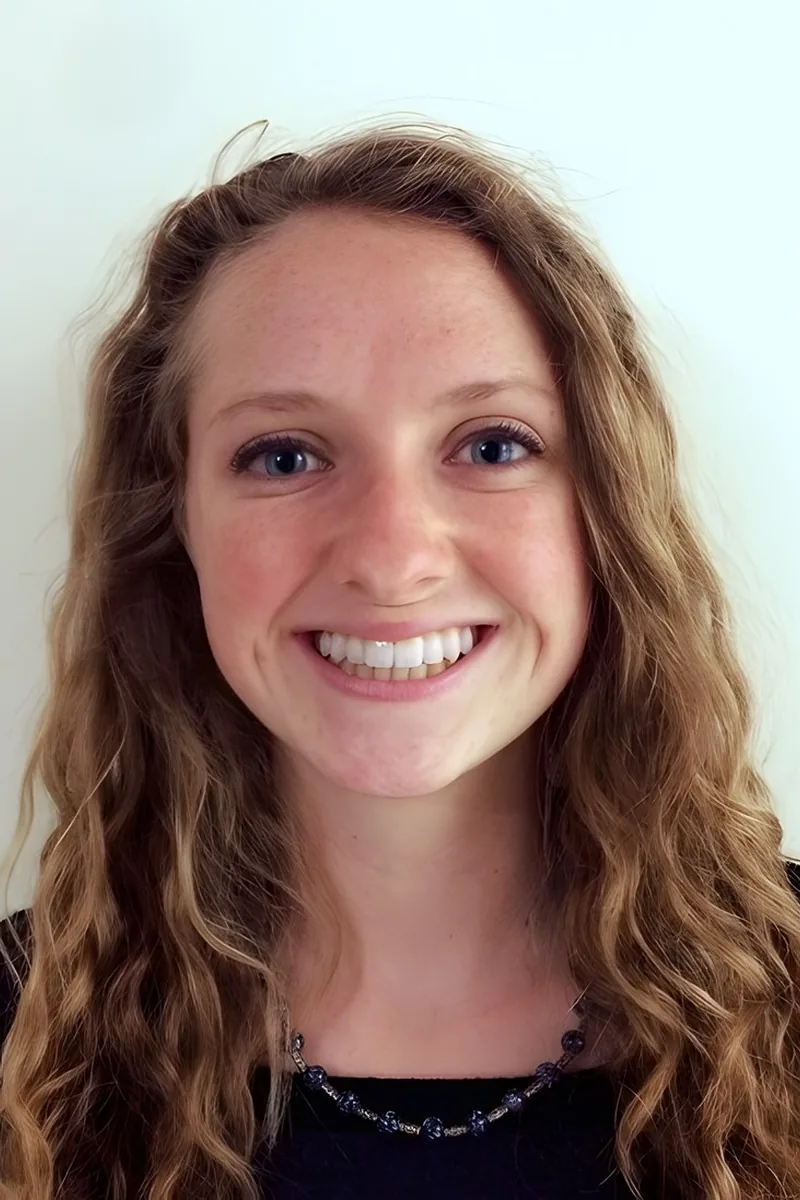
Getting ideas onto the page is one challenge; organizing them into something a reader wants to follow is another entirely. Genny approaches writing as a process — outlining an argument's skeleton, drafting with specific evidence, then revising for clarity and style. As someone who writes across both scientific and humanistic disciplines at Emory, she adapts her coaching to whatever genre or assignment a student is tackling.
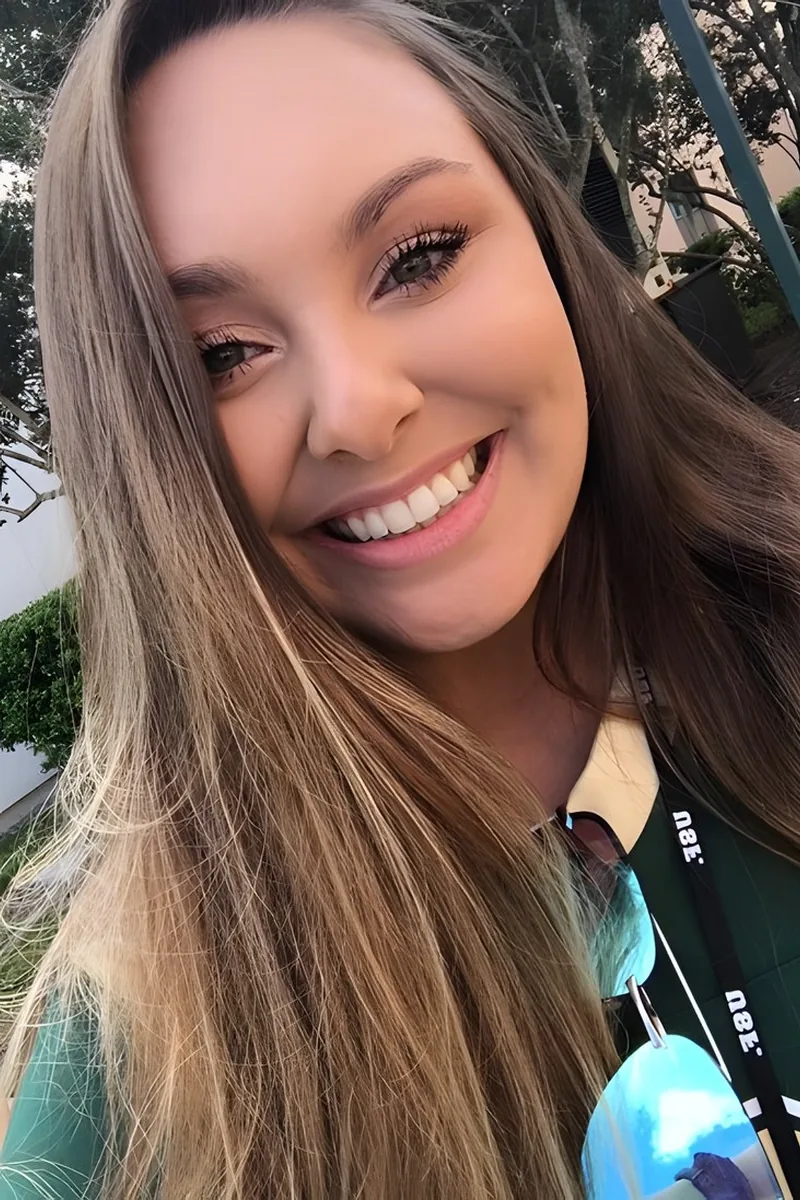
I am a college student attending the University of South Florida but am originally from North Carolina. I love helping people in any way I can so never feel anxious or afraid to ask me questions! My favorite subjects are maths and sciences and I enjoy watching movies and TV shows, going to the gym, and attending school.
I am a National Merit awardee, and a recent USF Graduate with a Dual B.A. with Honors in Philosophy and History, both of which I enjoy thoroughly. My job is to make the material as easy to understand for you as it is for me. I have done this by mastering conversational Socratic ask-and-answer methodology to ensure my students attain the capacity to come to the right answers on their own. Additionally, I have invented multiple general tactics and even detailed strategies pertinent to specific question types, with the ability to translate the above to all learning styles including neurodivergent ones -particularly ADHD and anxiety which I myself have- to radically and adaptably simplify the exam for students as per their personal learning aptitudes.
I am passionate about helping students because even a little additional instruction in a way tailored to that specific student could help them find their own passion or even just get through a difficult subject. My teaching philosophy and teaching style are student-centered and focused on active learning that pushes students to go beyond simple understanding or memorizing. I don't expect students to love every subject we go over, I adapt to their interests just as I expect them to learn to adapt to their own graduation and personal expectations. I aim to foster an environment of mutual trust and respect in which the student can feel comfortable learning while also pushing themselves to go beyond their own initial expectations. I graduated from Brooklyn Technical High School, one of the top public high schools in New York City, and then the University of South Florida with a Bachelor of Science in Biological Sciences. I am currently preparing for the Medical School entrance exam. I have worked with students of all ages, interests and needs for many years. With each of the several dozens of students I have worked with, I have found a unique approach to help them, whether they needed light instruction for reinforcement of material or heavy instruction to catch up on months of information. The subjects I have taught include both the typical English, mathematics, science, and history courses and test preparation courses like high school entrance exams and the SAT. My favorite subjects to tutor are mathematics, English, and the sciences. Mathematics is very straightforward and helps build logical reasoning, English allows a student to look within themselves to find the unique voice they can use in all of their future writing, and the sciences help build critical reasoning and research skills. I love teaching these subjects not only because they are necessary for graduation but also because they help them grow as people and future leaders.
I grew up in Canada and my first degree was from Mt. St. Vincent Women's University in Nova Scotia, Canada. I received a B.A. in political science with a double minor in Women's Studies and Psychology. From there, I moved to the United States, where I started teaching and earned my Master's degree in Education, Special Education from Cambridge College. I went on to complete an Ed.S. online with Old Dominion University in Virginia, with the hopes of doing my doctorate. I stopped my doctorate before completing my dissertation during COVID as the school I was attending closed its doors permanently, and I haven't found an alternative. I may go back someday and finish, but for now, I'm happy with things as they are. I love teaching reading the most, because I am such an avid reader and feel that it is a wonderful skill to have. I have worked in other subjects such as Writing and Social Studies, but I am most passionate about teaching reading and helping students to overcome their struggles with that subject. I have been teaching for all of my adult life and started when I was 17 years old as a tutor for older adults who struggled with literacy skills. This ignited my passion for teaching. My love of teaching has stayed with me for my entire life and though it has been tested over time, I have never thought of doing any other job. My philosophy includes believing that all people are deserving of an education that can help enrich their lives and advance their skills. My life involves enjoying music, writing, reading, animals and nature. Those are the things that have helped me cope with things beyond my control, as well as have provided much-needed alternatives during this new post-pandemic world. I did suffer mild disabilities in speech and Math as a student when I was a kid, so I am particularly sensitive to the needs of students with disabilities.
Strong writing starts with having something specific to say and a clear reason for saying it — the mechanics follow from there. Jessica earned her writing certification through Penn's selective Critical Writing program as a freshman, then spent years tutoring peers on everything from argumentative essays to research papers. She teaches students to outline with a claim in mind, draft without self-editing, and revise with ruthless attention to whether each sentence actually advances the argument.
Clear writing starts with clear thinking, and Tiffany treats every writing session as a chance to untangle what a student actually wants to say before worrying about how to say it. Her training in legal writing — where precision and structure aren't optional — gives her a practical framework for teaching everything from thesis development to paragraph-level organization. She's particularly effective with argumentative and analytical essays.
Clarity in writing comes from knowing what you actually want to say — and Michelle treats revision as the place where that discovery happens. She teaches students to restructure arguments, tighten prose, and eliminate filler by working through their own drafts line by line. Her dual interests in neuroscience and literature at Duke give her range across analytical and creative writing styles.
Santiago treats writing as a form of thinking — the draft isn't just a product but a way to discover and sharpen an idea. At Duke, where he minors in English, he's developed a process for teaching thesis construction, paragraph architecture, and revision that works whether the assignment is a personal narrative or a research paper. He's rated 5.0 by students.
Strong writing starts with having a clear argument, not with having a large vocabulary — and that distinction changes how Olivia teaches the craft. She breaks the writing process into concrete, repeatable steps: narrowing a topic into a real claim, organizing evidence so each paragraph earns its place, and revising at the sentence level for precision. Her American Studies training demanded constant writing across disciplines, giving her a versatile toolkit for academic essays, creative pieces, and everything in between.
Most writing problems aren't really about writing — they're about thinking. James tackles the planning stage first, teaching students to organize an argument or narrative before committing words to the page, so revision becomes refinement instead of a total overhaul. His experience spans everything from middle school persuasive essays to college-level academic writing, and he adjusts his approach based on what each assignment demands.
Getting ideas out of your head and onto the page in a clear, organized way is a skill that can actually be taught. Libby breaks the writing process into concrete steps — brainstorming, outlining, drafting, revising — so students stop staring at a blank screen and start building paragraphs with real structure and voice.
Destiny approaches writing instruction by starting with argument structure before touching a single sentence — if the logic doesn't hold, polished prose won't save it. She teaches students to outline a clear claim-evidence-analysis framework, then revise at the sentence level for clarity and style. Her training at Harvard keeps her sharp on what rigorous academic writing actually looks like.
Most students know what they want to say but freeze when facing a blank page — Amanda tackles that paralysis by teaching concrete pre-writing strategies like outlining by claim rather than by topic. Her academic writing spans psychology research papers and historical analysis, so she can adapt her instruction whether a student is crafting a personal narrative or a five-paragraph argumentative essay. She's especially effective at teaching transitions and paragraph-level structure, the skills that turn disjointed drafts into cohesive pieces.
Clear writing is clear thinking, and Apoorva's experience in engineering — where lab reports and technical proposals demand exactness — translates directly into teaching students how to organize ideas on the page. She digs into paragraph structure, thesis development, and how to support claims with specific evidence rather than vague generalizations.
Learning to write well means learning to think on paper — organizing messy ideas into a clear claim and supporting it with evidence that doesn't wander. Andrew pairs his writing minor with a scientist's instinct for precision, teaching students to cut filler, sharpen thesis statements, and build paragraphs that each do real work. His approach turns vague drafts into essays that say exactly what the writer means.
Someone who didn't speak English until age sixteen and went on to earn a degree in literature understands the craft of writing from the ground up. Muriel breaks the writing process into concrete steps — generating a controlling idea, organizing evidence, building transitions that do real argumentative work. Whether the assignment is a persuasive essay or a research paper, she teaches students to revise with purpose rather than just rearranging sentences.
Strong writing starts before the first sentence — with a clear sense of audience, purpose, and structure. Robert breaks down the writing process into concrete, repeatable steps, from brainstorming and outlining through revision, so the blank page stops feeling paralyzing. His experience spans expository, creative, and argumentative writing across academic levels.
Danielle treats writing as a craft with learnable moves — thesis construction, paragraph architecture, transitions that actually connect ideas rather than just bridge them. Her background spans museum education, classroom teaching, and college-level English, so she's coached writers at every stage from first brainstorm to polished final draft.
As a middle school Language Arts teacher, Conor spends his days teaching students how to build an argument, organize evidence, and express ideas with precision — the same core skills that matter in any writing assignment at any level. He's especially effective at turning reluctant writers into confident ones by starting with prompt analysis and outlining before drafting a single sentence.
Trained as both a journalist and a literary scholar, Heidi approaches writing from two directions: the storyteller's instinct for voice and pacing, and the rhetorician's discipline around evidence and structure. Whether a student is drafting a research paper or a personal narrative, she walks through outlining, argumentation, and revision as distinct skills worth practicing on their own.
The hardest part of writing isn't grammar — it's figuring out what you actually want to say and organizing it so a reader follows your thinking. Emerson tackles that problem head-on, teaching students to outline arguments, build transitions between ideas, and revise with purpose. His range covers timed essays, research papers, and creative pieces, shaped by a University of Chicago education where clear, rigorous writing is non-negotiable.
Crafting a strong essay is really about learning to think on paper — building an argument clause by clause until the reader can't look away. Logan studies philosophy at Yale, where writing is the primary medium for every class, and he brings that daily practice to teaching thesis development, paragraph structure, and revision techniques. Rated 5.0 by students.
Getting ideas onto the page is one challenge; making them persuasive is another. Marina teaches students how to build a thesis that actually stakes a claim, support it with well-chosen evidence, and vary sentence structure so the writing doesn't flatten out. Her UCLA coursework in Women's Studies demanded rigorous analytical writing across disciplines, a skill she now brings to every assignment.
Whether the assignment is a lab report, a personal narrative, or a five-paragraph argumentative essay, Madison treats writing as a skill built through deliberate revision — not inspiration. Her experience spans scientific publishing and humanities coursework at Vanderbilt, so she can teach thesis construction, evidence integration, and voice development across genres.
I am a senior at Vanderbilt University studying English (Creative Writing) and Quantitative Methods. I currently tutor a wide range of subjects from elementary school reading and writing to ACT prep to college-level English and literature and also offer studying and organizational skills within academic coaching.
Between a critical writing concentration in college and a law degree that demanded clear, persuasive prose daily, Jess has logged thousands of hours producing and revising written arguments. She teaches students to outline before drafting, build paragraphs around single claims, and revise with purpose — skills that transfer across academic essays, personal narratives, and research papers. Rated 4.9 by students.
Legal scholarship demands precision: every claim needs evidence, every paragraph needs a clear function, every word needs to justify itself. Ashley brings that discipline to writing instruction, whether a student is working on a five-paragraph essay or a research paper, and she's particularly effective at teaching thesis development and paragraph-level organization.
Strong writing starts with knowing what you want to say and then organizing it so a reader can follow along — something that sounds simple but trips up students at every level. Sabrina breaks the writing process into discrete steps: brainstorming, outlining, drafting topic sentences, and layering in evidence before polishing for grammar. Her 5.0 rating speaks to how well that structured approach clicks with students who feel stuck staring at a blank page.
Good writing is really rewriting, and Adam treats the drafting process as iterative rather than one-and-done. With degrees in both English literature and linguistics, he tackles everything from thesis development and evidence integration in academic essays to voice and imagery in creative pieces. He's particularly effective at showing students how to restructure a muddled paragraph so the argument actually builds.
Strong writing starts with knowing what you're actually trying to argue before worrying about word choice or transitions. Solange walks students through that process: pinning down a clear thesis, selecting evidence that does real work, and structuring paragraphs so each one advances the argument. Years of IB extended essays and honors coursework gave her a systematic approach she now applies across genres, from analytical papers to creative pieces.
Every class at St. John's College requires students to construct written arguments from scratch using primary sources — no textbooks, no SparkNotes. That constant practice gives Kelsey a concrete process for teaching writing: start with a genuine question, build a thesis that answers it, and organize evidence so each paragraph earns the next. She's particularly strong at helping students move from a blank page to a structured first draft.
Learning to write well means learning to think clearly on paper — organizing ideas, building an argument, and choosing words with precision. Ari's dual background in philosophy and economics at Columbia means he's constantly producing analytical writing himself, from logic-driven essays to data-informed policy arguments. He brings that range to students working on everything from personal narratives to persuasive essays.
Good writing starts with having something to argue — Eric teaches students to build essays around a clear thesis and then select evidence that actually supports it, rather than padding paragraphs with summary. His experience as a college humanities instructor means he knows what professors and admissions readers look for in structure, voice, and analytical depth.
Clear writing starts with clear thinking, which is something Kaitlyn practices daily as a medical student translating complex biological concepts into organized prose. She teaches students to outline before drafting, build paragraphs around single claims, and revise for both logic and style. Whether the assignment is a five-paragraph essay or a research paper, she emphasizes structure as the foundation that makes every other element work.
Every writing problem is really a thinking problem — unclear prose usually traces back to an idea that hasn't been fully worked out yet. Nicole walks students through the messy middle stages of drafting, from brainstorming and outlining to revision, teaching them to develop arguments and narratives that hold together on their own. Her English degree and experience across academic, personal, and creative writing give her range most writing tutors lack.
Getting words onto the page is often the hardest part, and Dylann tackles that block by teaching concrete prewriting strategies — outlining, freewriting, and thesis development — before a student ever drafts a full paragraph. Her Creative Writing background means she understands voice and style alongside the structural mechanics of argumentative, narrative, and expository writing. She holds a 5.0 rating from students.
Having written everything from political science research papers to artist statements for gallery exhibitions, Emily knows that the voice and structure a piece needs depends entirely on its purpose. She teaches students to identify their audience first, then build drafts with that reader in mind — sharpening claims, tightening transitions, and cutting what doesn't serve the argument. Rated 5.0 by students.
Clear writing starts with clear thinking, and Samuel's computer science training has made him precise about organizing ideas before putting them on the page. He digs into thesis construction, paragraph transitions, and evidence integration — the structural elements that turn a rough draft into a persuasive, polished piece.
Most writing struggles aren't really about grammar — they're about not knowing what to say next or how to organize an argument. Anushree teaches students to outline their thinking before drafting, then revise with specific goals like tightening thesis statements or strengthening evidence. Her dual-major coursework at UF required constant writing across very different disciplines, so she's comfortable adapting to any assignment type.
Testimonials
Because the right Writing tutor makes all the difference.
Average Session Rating – Based on 3.4M Learner Ratings
Nearby Writing Tutors
Other Tampa Tutors
Related English Tutors in Tampa
Frequently Asked Questions
Many students struggle with turning ideas into organized paragraphs, which is where personalized 1-on-1 instruction makes a real difference. A writing tutor can work with you on the entire process—from brainstorming and outlining to developing a strong thesis and arranging supporting arguments in a logical flow. Rather than just marking mistakes, tutors help you understand how to structure your thinking, which builds skills you'll use in every writing assignment.
This personalized approach is especially valuable because tutors can adapt their explanations to your specific writing challenges, whether that's organizing body paragraphs, creating smooth transitions, or ensuring your conclusion ties back to your main argument.
A strong thesis is specific, arguable, and clearly states your main point—not just a general observation about your topic. For example, "Social media has changed communication" is too broad, while "Social media has reduced face-to-face communication skills in teenagers, as shown by research on attention span and empathy" is specific and arguable.
Varsity Tutors connects you with expert tutors who can review your thesis statement and help you refine it before you build your entire essay around it. This saves you time and frustration because revising your thesis early prevents having to reorganize your whole essay later. Tutors can also show you how to make your thesis match the assignment requirements and avoid common pitfalls like being too obvious or too vague.
Both matter, but they serve different purposes. Grammar is the foundation—it ensures your reader understands what you're trying to say. Style is how you express your ideas in a way that's clear, engaging, and authentic to your voice. The best approach is to focus on grammar and clarity first during drafting, then work on style and voice during revision.
Personalized tutoring helps because a tutor can help you distinguish between grammar errors that confuse meaning and style choices that just need refinement. For example, a run-on sentence is a grammar issue that needs fixing, while varying your sentence length is a style choice that makes your writing more interesting. Tutors can guide you on what to prioritize based on your specific writing goals and assignments.
Writer's block often happens when you're trying to write perfectly on the first try or when you're not clear on what you actually want to say. Try freewriting without worrying about grammar or organization—just get ideas on paper. Another approach is starting with an easier section instead of the introduction, or talking through your ideas out loud before writing them down.
Working with a tutor can help because they can ask you questions that clarify your thinking and get you unstuck. Even a short 30-minute session where you talk through your topic can help you see the structure of your essay and overcome the anxiety that often comes with a blank page. Tutors in Tampa for students like you understand these common writing challenges and have strategies to help you move past them.
Peer review and teacher feedback are both valuable, but personalized tutoring offers something different: detailed, one-on-one guidance on your specific writing patterns and improvement areas. A tutor can spend time explaining why a sentence isn't working and show you how to fix it, rather than just marking it as wrong. They can also identify patterns in your writing—like consistently weak transitions or underdeveloped paragraphs—and help you fix the root cause rather than just the symptoms.
Additionally, tutors provide feedback at your pace. If you need clarification on a comment or want to explore multiple ways to revise a paragraph, a tutor can work through that with you in real time. This personalized, detailed approach helps you internalize writing principles you can apply to future assignments, not just fix the current one.
Absolutely. Citations can feel overwhelming because there are so many rules—formatting parenthetical citations, creating a Works Cited page, knowing when you need to cite—but a tutor can break this down into manageable steps. Beyond just formatting, tutors help you understand how to integrate sources smoothly into your writing so they support your argument rather than just filling space.
Personalized instruction on citations means a tutor can show you the specific format your teacher requires (MLA, APA, Chicago style, etc.) and practice with actual sources from your essay. They can also help you develop the skill of introducing sources with context, explaining why they matter, and connecting them back to your thesis—which is what teachers really care about, not just getting the punctuation right.
Literary analysis requires you to examine how an author creates meaning through elements like character development, symbolism, point of view, and tone—not just what happens in the story. A strong literary analysis thesis argues something specific about how these elements work together, such as: "In The Great Gatsby, Fitzgerald uses the green light as a symbol of Gatsby's unreachable dreams and the emptiness of wealth." This is different from summarizing, which would just describe what the green light represents without analyzing its purpose.
Varsity Tutors connects you with tutors who can help you learn to identify literary devices in a text and develop arguments about their significance. They can guide you through close reading strategies, show you how to find textual evidence that supports your analysis, and help you move from basic observations to sophisticated literary interpretations. This is especially helpful because literary analysis requires a different kind of thinking than other writing, and personalized feedback helps you develop this skill.
Let’s find your perfect tutor
Answer a few quick questions. We’ll recommend the right plan and match you with a top 5% tutor.