Award-Winning Biology Tutors
serving Olympia, WA
Biology
Tutors in Olympia
Private 1-on-1 tutoring, weekly live classes for academic support, test prep & enrichment, practice tests and diagnostics, and more to elevate grades and test scores.
Based on 3.4M Learner Ratings
UniversitiesSchools & Universities
DeliveredHours Delivered
ProficiencyGrowth in Proficiency
Who needs tutoring?
No obligation. Takes ~1 minute.
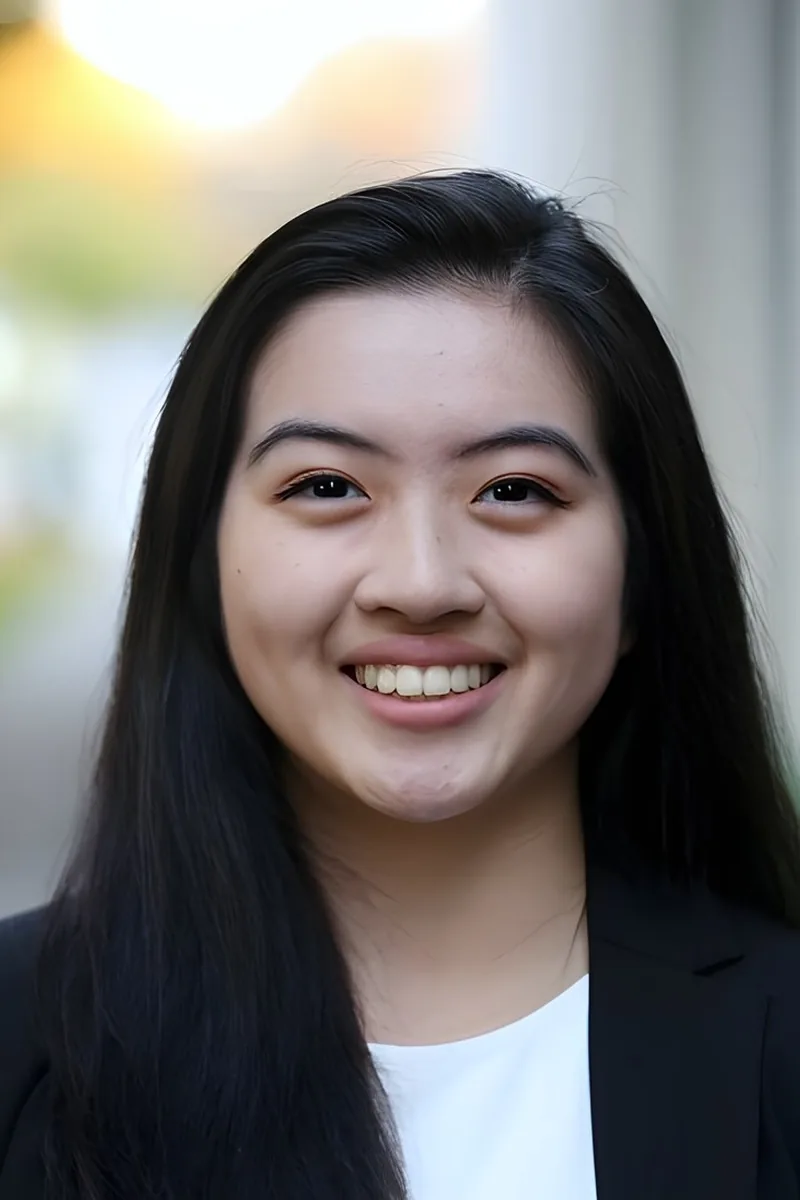
As a biology major in Union College's eight-year Leadership in Medicine program with Albany Medical College, Alice lives this subject daily — from cellular respiration pathways to genetics and ecology. She connects textbook concepts to the clinical and research contexts she's actively studying, which makes topics like DNA replication or enzyme kinetics feel purposeful instead of arbitrary.
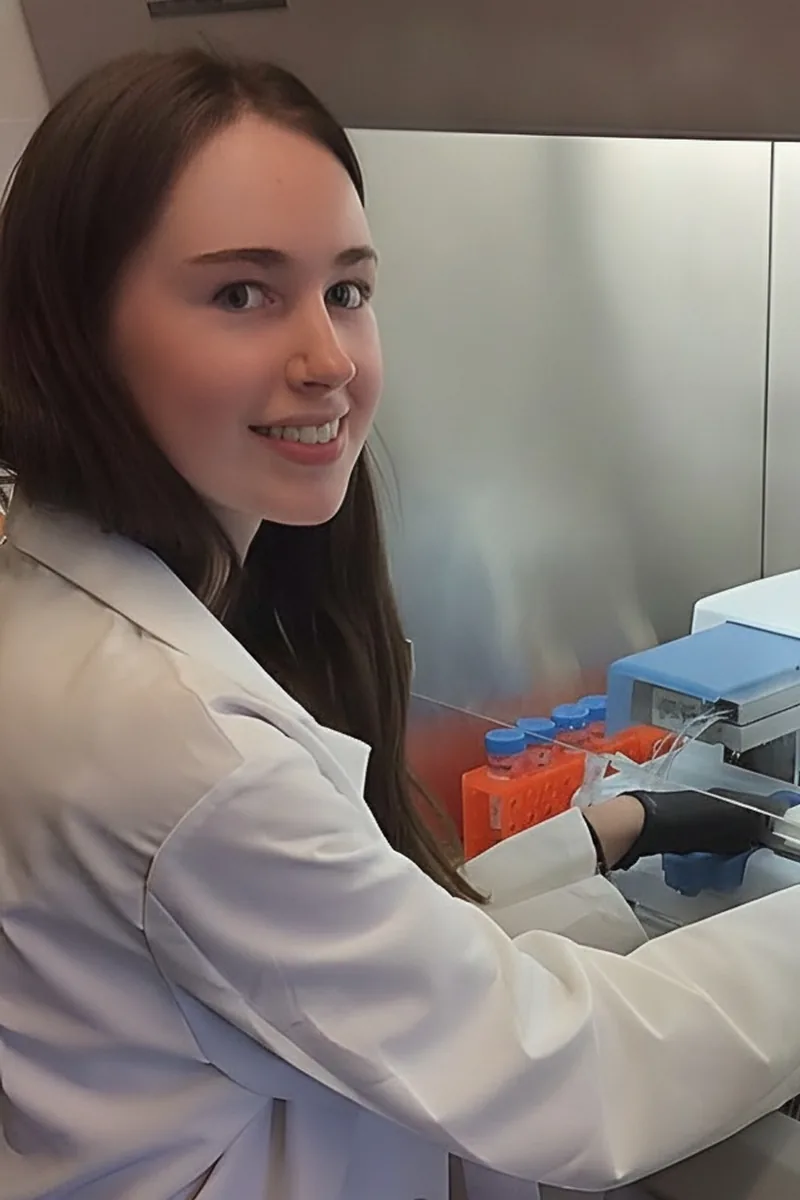
Between her biomedical engineering major at Johns Hopkins and her research position at Oregon Health & Science University, Helen lives inside biology every day — not as a textbook subject but as a working science. She's especially strong on cell biology, genetics, and human physiology, and she teaches those topics by linking molecular details to big-picture function. Students come away understanding how DNA replication connects to inheritance, or why mitochondrial dysfunction actually matters in disease.
Cory's physics degree means he naturally approaches biology through the lens of energy, forces, and systems — which turns out to be exactly the right framework for topics like cellular respiration, osmosis, and ecological energy flow that trip up students who try to memorize without understanding the underlying logic. He uses that quantitative instinct to make processes like diffusion or ATP synthesis feel like straightforward physics problems with biological vocabulary layered on top. Rated 4.9 by students.
A biochemistry major who genuinely lights up talking about living systems, Madyson covers everything from genetics and ecology to evolution and physiology. She ties biological concepts back to their chemical underpinnings, which gives students a deeper understanding of why processes like photosynthesis and DNA replication work the way they do.
Hello:)) My name is Lindsey! I recently graduated college with a Bachelor's degree in Molecular, Cellular, and Developmental Biology from the University of Washington. I have over 2 years of tutoring and classroom experience specializing in subjects such as AP Biology, AP Chemistry, and various levels of math and science. The most important thing to me is my students feel comfortable to ask questions and explore concepts at their own pace. I believe that every student has unique strengths and learning styles, and it's my goal to understand them and to inspire their curiosity and confidence in these subjects. Outside of tutoring, I enjoy reading about scientific advancements and watching movies and eating. I'm excited to meet you all!!
Helping students in their education is my passion. I understand how frustrating it is to keep trying on understanding a concept or master a skill without getting a satisfying result. I aim to help students enjoy learning and acquiring knowledge. Always remember that knowledge is power, and nobody can take it from you. I have sufficient tutoring and teaching experience in secondary and post-secondary settings. I worked as a tutor at the University of Wisconsin Oshkosh. I tutored college students different courses in mathematics, physics, biology, chemistry, and psychology. Also, l worked as a graduate teaching assistant at Marquette University. I taught the laboratory part of general chemistry, analytical chemistry, and organic chemistry. Furthermore, l worked as a science teacher at different secondary schools. I taught science for grades 4,5,6, and 8. Also, l taught chemistry for grade 9. When it comes to my education, l have a bachelor degree in biology healthcare science and chemistry biomolecular science (double major). In addition, l have a master's degree in chemistry. I received my undergraduate education at the University of Wisconsin Oshkosh and my graduate education at Marquette University. I tutor for numerous subjects such as algebra, trigonometry, calculus, physics, organic chemistry, analytical chemistry, human anatomy, developmental biology, ecology, and biochemistry. Also, l tutor for the GRE, DAT, TOEFL, and IELTS. My favorite subjects are the math, physics, biology, and chemistry subjects because l, simply, enjoy these fields. My teaching philosophy and tutoring style are based on practicing with various examples. When you are confronted with numerous problems to solve, you become more confident in that subject area. As a result, better performance in quizzes and exams. Outside of academia, learning about other cultures and countries around the world is my interest.
Genetics and microbiology are where Mays's biology degree from the University of Washington comes most alive — she studied both in depth and keeps returning to them as the threads that tie introductory concepts like cell structure and heredity to more advanced territory like gene expression and microbial ecology. She teaches by anchoring abstract processes in concrete, real-world examples, so a topic like natural selection or protein function becomes something students can picture and reason through, not just memorize.
Studying neuroscience at Vanderbilt means Eileen lives in biology daily — from signal transduction pathways to gene expression to the molecular machinery of cells. She breaks down dense topics like cellular respiration and DNA replication by connecting them to real physiological processes, making the logic behind each mechanism easier to retain.
Few biology tutors have studied living systems from the molecular scale all the way up to tissue engineering. Kelly's research at Memorial Sloan-Kettering on cancer cell biology, combined with her biomedical engineering work at Tufts, means she can walk through everything from mitosis and gene expression to ecology and evolution with genuine depth. She's rated 5.0 by students.
Phillip's biomedical engineering studies at Brown mean he encounters biology through the lens of design — how tissues are engineered, how physiological systems can be modeled, how feedback loops in the body mirror control systems in machines. That perspective makes him especially effective at teaching topics like homeostasis, organ system integration, and cell membrane transport, where engineering intuition clarifies what pure memorization can't. Rated 5.0 by students.
Between his biomedical engineering major and his AP Biology background, Eric sees biology as an interconnected system rather than a pile of vocabulary terms. He unpacks topics like cellular respiration, DNA replication, and homeostasis by explaining the 'why' behind each mechanism, which makes retention far easier than flashcard drilling.
Shayan's biology degree and current pre-health graduate work at Penn mean he's cycled through core topics like genetics, cell biology, and ecological systems multiple times — each pass adding clinical context that makes the material stick. He teaches in examples, grounding abstract processes like signal transduction or gene expression in concrete scenarios so students can reason through problems instead of relying on rote recall. Rated 5.0 by students.
Judah is a biology major at Washington University in St. Louis on a pre-med track, which means he's currently immersed in the subject at the college level while the introductory material — ecology, genetics, cell structure — is still fresh enough to teach clearly. His 1580 SAT reflects sharp reading and analytical skills that translate well to biology's demand for interpreting experiments, parsing dense passages, and connecting cause to effect across biological systems.
UCLA's Physiological Sciences program forced Annie to learn biology backward from how most students first encounter it — starting with how organ systems fail in disease, then drilling down into the cellular and molecular mechanisms that explain why. That perspective, now deepened by medical school, makes her especially effective at teaching topics like homeostasis, cell signaling, and metabolic regulation as cause-and-effect chains rather than disconnected vocabulary lists. Rated 5.0 by students.
Vinay's dual UCLA degrees — one in Molecular, Cell, & Developmental Biology, one in Mathematics-Economics — mean he learned biology with a quantitative rigor that most life science majors skip, which pays off when students hit topics like population genetics, enzyme kinetics, or any concept where the math and the biology have to click at the same time. Now a medical student, he traces those foundational ideas forward into human physiology, giving students a clear line from textbook mechanisms to how they actually play out in living systems. Rated 5.0 by students.
Abrahim earned his Biology degree cum laude from UCLA and is now completing his M.D. at the Medical College of Wisconsin, so he's spent years living inside biological concepts — from cellular respiration and genetics to ecology and evolution. His tutoring style zeroes in on knowledge gaps quickly, then builds understanding through targeted practice rather than passive review. Rated 5.0 by students.
Chemical engineering at Cornell meant Rahul had to master biology's molecular underpinnings — enzyme kinetics, metabolic pathways, cellular transport — as working tools for reactor design and bioprocess modeling, not just exam material. That engineering mindset makes him especially effective at teaching students to think through biological systems as logical, step-by-step processes rather than lists of vocabulary to memorize. Rated 4.9 by students.
Three years running a Cell Biology lab course at Notre Dame gave Connor a front-row seat to the exact moments students lose track of what's happening — whether it's the logic connecting mitosis stages or how gene expression actually produces a functional protein. His master's work in Biomedical Sciences at Loyola Chicago layered on the molecular and physiological depth to explain those sticking points from multiple angles. Rated 5.0 by students.
From cell division to ecological systems, biology requires connecting processes across wildly different scales. Kristin's BA in Biological Sciences from the University of Chicago gave her deep fluency with molecular biology, genetics, and physiology — and her current nursing program at Penn keeps that knowledge sharp and clinically relevant.
Testimonials
Because the right Biology tutor makes all the difference.
Average Session Rating – Based on 3.4M Learner Ratings
Practice Biology
Free practice tests, flashcards, and AI tutoring for Biology
Other Olympia Tutors
Related Science Tutors in Olympia
Frequently Asked Questions
Varsity Tutors matches Olympia students with expert Biology tutors for 1-on-1 instruction. We pair each student with a tutor based on their specific needs, learning style, and goals.
Whether you need homework help, exam prep, or want to get ahead, our Biology tutors are ready to help.
Common challenges include gaps from earlier material, difficulty with specific concepts, and trouble applying learning to new problems. These issues can snowball quickly in Biology.
A tutor identifies where you're stuck, fills in gaps, and provides targeted practice. The 1-on-1 format means you get help exactly where you need it.
Tutors work with your student's actual coursework—homework assignments, class notes, and upcoming tests. This keeps tutoring directly relevant to what's happening in the classroom.
When you share information about your student's school and curriculum, we can match you with a tutor who has relevant experience.
All tutors complete background checks, credential verification, and teaching evaluation. Many of our Biology tutors hold advanced degrees or have years of teaching experience.
You can review tutor profiles to find someone with the right background for your student's level and needs.
Many students see improved grades within a few weeks, along with better understanding of Biology concepts and more confidence tackling challenging material.
Tutors track progress and adjust their approach to ensure continued improvement.
Most students benefit from 1-2 sessions per week. More frequent sessions help if your student is significantly behind or has an important exam coming up.
Your tutor can recommend a schedule based on your student's specific situation and goals.
Tutoring is purchased in packages of hours, with rates varying by tutor experience. Varsity Tutors offers several options to fit different budgets and needs.
You can discuss pricing during your consultation to find what works best.
Your tutor will assess where your student is, discuss goals, and start working on priority areas. Most students bring current homework or upcoming test material to focus on.
By the end, you'll have a clear sense of how the tutor can help and a plan for moving forward.
Let’s find your perfect tutor
Answer a few quick questions. We’ll recommend the right plan and match you with a top 5% tutor.