Award-Winning Computer Science Tutors
serving Norfolk, VA
Computer Science
Tutors in Norfolk
Private 1-on-1 tutoring, weekly live classes for academic support, test prep & enrichment, practice tests and diagnostics, and more to elevate grades and test scores.
Based on 3.4M Learner Ratings
UniversitiesSchools & Universities
DeliveredHours Delivered
ProficiencyGrowth in Proficiency
Who needs tutoring?
No obligation. Takes ~1 minute.
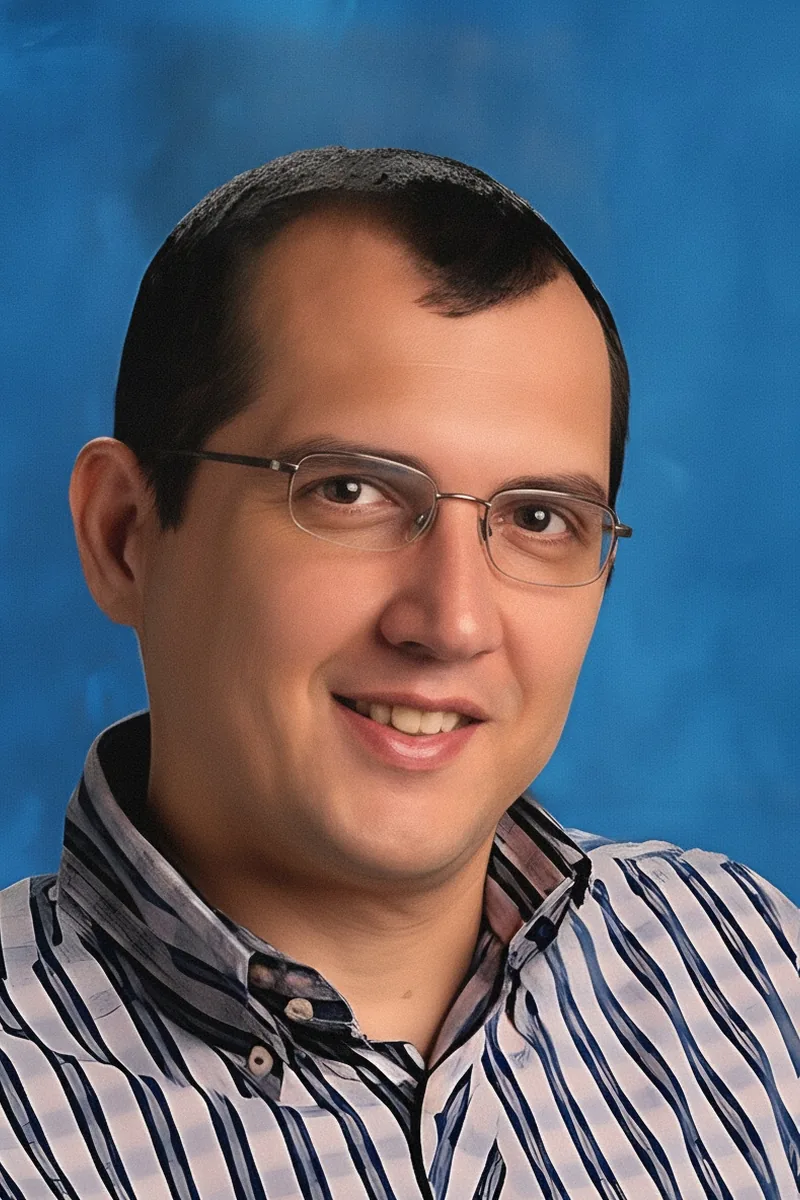
Philosophy trained Calin to build rigorous logical arguments; his math and CS degrees taught him to express that logic in C++ and JavaScript. That combination means he teaches programming concepts — from algorithm design to data structure selection — as exercises in precise reasoning, where every line of code follows from a clear chain of thought. Rated 5.0 by students.

Andrew's computer science background comes from the engineering side — writing code to solve physical problems, model systems, and process data. That practical angle means he teaches programming concepts like loops, conditionals, and data structures through real applications rather than abstract exercises. Rated 4.8 by students.
Hi! I am a l graduate of the University of Virginia! I have years of experience tutoring students in Math, English, and Science. I additionally can help prepare students with SAT and ACT Prep. I am eager to work with all type of students utilizing different study strategies. Let me know how I can help!
I have been coaching students to their best performance in math for seven years. I am fluent in all levels of math, primary, secondary, and freshman/sophomore university level. I am also fluent with the mathematics which one may find on the ACT, SAT, GRE, ASVAB, CLEP test and most standardized test. My background in Engineering also gives me a level of confidence with computer science and general sciences such as physics and chemistry. I have over a year of study in each myself. Overall, I have had much success working with students in various languages and levels of computer programming.
John transitioned from law into co-founding a software company, which meant teaching himself to think in algorithms, data structures, and system design under real deadlines. He approaches computer science the same way — breaking problems into smaller, solvable pieces before writing a single line of code. That builder's mindset makes debugging and logic design feel less intimidating.
Ritesh's applied physics program at Cornell involves significant programming, from numerical simulations to data analysis, giving him hands-on fluency with core computer science concepts like algorithm design, data structures, and debugging logic. He unpacks topics such as recursion, sorting algorithms, and object-oriented principles by tying them to concrete problems rather than abstract definitions.
Between a master's in Computer Science, an active PhD program, and a full-time software development career, Daniel lives this subject from multiple angles — theoretical and applied. He unpacks everything from algorithmic complexity and data structures to systems-level thinking, tailoring the depth to wherever a student currently sits in their CS journey.
Madeline's physics PhD work at Carnegie Mellon means she writes code daily — Python, Java, MATLAB, and Mathematica — to model complex systems and crunch data, which is a very different entry point into computer science than a pure software track. That scientific computing background makes her especially effective at teaching programming logic, debugging strategies, and algorithmic thinking to students who need CS skills for STEM applications rather than just app development.
Studying computer science at Cornell, Eric tackles everything from algorithm analysis and Big-O notation to systems-level concepts like memory management and recursion. He breaks down problems the way a CS student actually encounters them — whiteboarding a solution, tracing through edge cases, then translating logic into clean code. His 5.0 rating speaks to how clearly that approach lands.
Pursuing a CS master's at Penn while TAing discrete math means Keenan lives in both the theoretical and practical sides of computer science every day. He unpacks core topics like algorithm complexity, data structure tradeoffs, and computational logic in a way that connects abstract ideas to real code. Rated 5.0 across all sessions.
From data structures and algorithms to computational complexity, Michelle covers the core CS curriculum with the depth you'd expect from a Duke CS graduate heading into a PhD at Michigan. She's especially strong at explaining abstract concepts like recursion and graph traversal by connecting them to concrete, visual examples that make the logic intuitive.
Most CS tutors come from pure software backgrounds — Clive's path runs through economics at Brown, where he picked up Java, Python, JavaScript, SQL, and HTML as tools for data analysis and building real projects rather than just completing problem sets. That applied angle makes him especially effective at teaching programming fundamentals and web technologies to students who learn better when code solves a tangible problem.
Studying computer science at Cornell's College of Engineering, Ravnoor digs into topics like data structures, algorithms, and object-oriented design on a daily basis. He breaks complex problems — recursion, linked lists, sorting efficiency — into smaller, concrete steps so students build genuine understanding they can apply to new challenges independently.
I am graduated from Penn State University in Industrial Engineering in 2017. I've tutored ever since I was in high school, and I love helping people! I like to help my students understand math (and other topics) instead of just doing it blindly. My goal is to help my students improve their math (and other topics) and build skills that will help them find learning easier in the future! Fun fact, I used to work for Disney and I like to salsa dance!
From recursion and sorting algorithms to Big-O analysis and object-oriented design, Ethan covers core computer science concepts with the rigor of someone studying it as a second major alongside aerospace engineering. He emphasizes understanding why an algorithm works — tracing through execution step by step — so students can adapt their thinking to new problems on exams and in projects.
Margaret studies Computer Science at Stanford alongside Political Science, giving her a broad perspective on how computational thinking applies beyond just writing code. She breaks down core topics like data structures, algorithms, and recursion by connecting each one to real problems students can visualize. Rated 4.8 by her students.
Testimonials
Because the right Computer Science tutor makes all the difference.
Average Session Rating – Based on 3.4M Learner Ratings
Other Norfolk Tutors
Related Technology and Coding Tutors in Norfolk
Frequently Asked Questions
Varsity Tutors matches Norfolk students with expert Computer Science tutors for 1-on-1 instruction. We pair each student with a tutor based on their specific needs, learning style, and goals.
Whether you need homework help, exam prep, or want to get ahead, our Computer Science tutors are ready to help.
Common challenges include gaps from earlier material, difficulty with specific concepts, and trouble applying learning to new problems. These issues can snowball quickly in Computer Science.
A tutor identifies where you're stuck, fills in gaps, and provides targeted practice. The 1-on-1 format means you get help exactly where you need it.
Tutors work with your student's actual coursework—homework assignments, class notes, and upcoming tests. This keeps tutoring directly relevant to what's happening in the classroom.
When you share information about your student's school and curriculum, we can match you with a tutor who has relevant experience.
All tutors complete background checks, credential verification, and teaching evaluation. Many of our Computer Science tutors hold advanced degrees or have years of teaching experience.
You can review tutor profiles to find someone with the right background for your student's level and needs.
Many students see improved grades within a few weeks, along with better understanding of Computer Science concepts and more confidence tackling challenging material.
Tutors track progress and adjust their approach to ensure continued improvement.
Most students benefit from 1-2 sessions per week. More frequent sessions help if your student is significantly behind or has an important exam coming up.
Your tutor can recommend a schedule based on your student's specific situation and goals.
Tutoring is purchased in packages of hours, with rates varying by tutor experience. Varsity Tutors offers several options to fit different budgets and needs.
You can discuss pricing during your consultation to find what works best.
Your tutor will assess where your student is, discuss goals, and start working on priority areas. Most students bring current homework or upcoming test material to focus on.
By the end, you'll have a clear sense of how the tutor can help and a plan for moving forward.
Let’s find your perfect tutor
Answer a few quick questions. We’ll recommend the right plan and match you with a top 5% tutor.