Award-Winning AP Spanish Language & Culture Tutors
serving Richmond, VA
AP Spanish Language & Culture
Tutors in Richmond
Private 1-on-1 tutoring, weekly live classes for academic support, test prep & enrichment, practice tests and diagnostics, and more to elevate grades and test scores.
Based on 3.4M Learner Ratings
UniversitiesSchools & Universities
DeliveredHours Delivered
ProficiencyGrowth in Proficiency
Who needs tutoring?
No obligation. Takes ~1 minute.

Native fluency changes everything in AP Spanish Language & Culture. Alex grew up speaking, reading, and writing Spanish at home, and his bilingual background means he can explain grammar from the inside — why the subjunctive feels natural in certain contexts, how register shifts between formal and informal speech, and what authentic source material actually sounds like. His English degree also sharpens the presentational writing and speaking skills the exam demands.
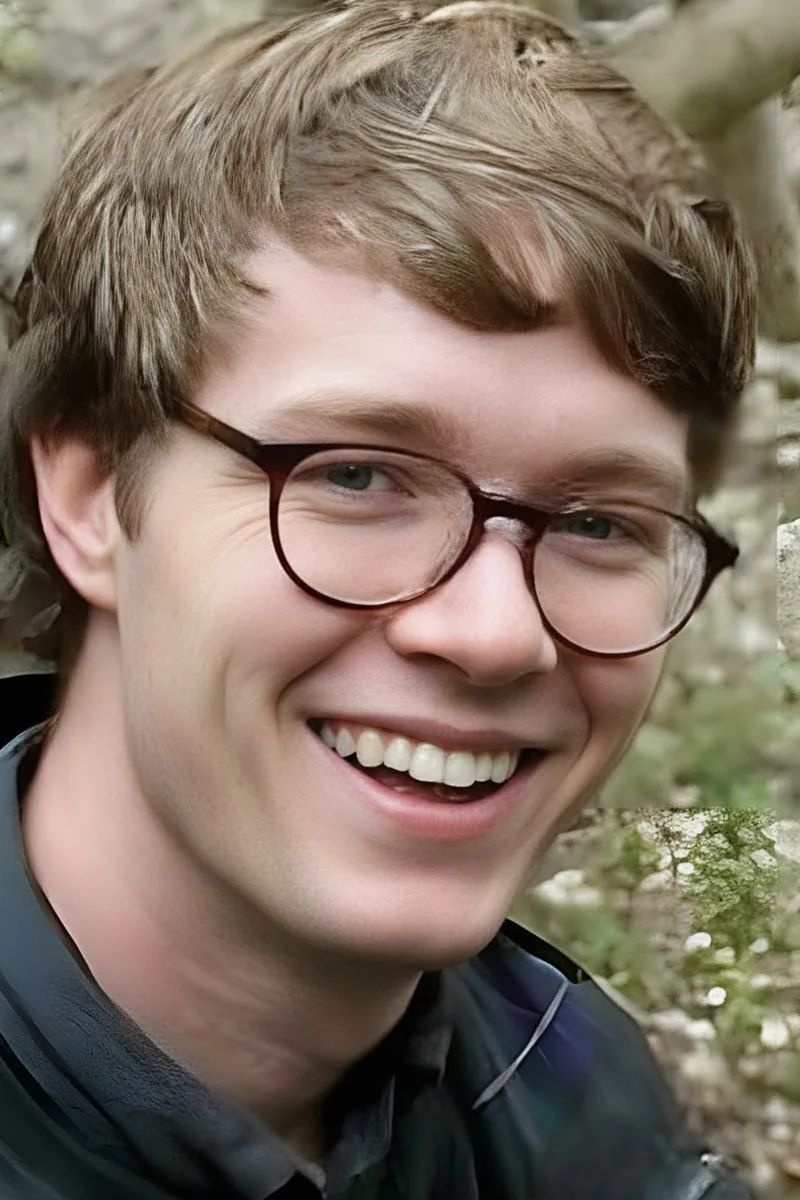
Having earned a BA in Spanish and studied the language at an advanced academic level, Steven knows exactly where the AP Spanish Language & Culture exam tries to trip students up — from interpreting audio sources in the interpersonal speaking task to weaving cultural comparisons into the presentational essay. He teaches students to think in Spanish rather than mentally translating from English, which is the single biggest factor in scoring well on timed prompts.
Joshua teaches Spanish from level 1 through AP and pairs that with four levels of Latin, so he's used to thinking about how Romance languages borrow structures from their classical roots — a perspective that sharpens his explanations of tricky Spanish grammar like subjunctive triggers and conditional sequences. His 1600 SAT reflects the kind of precise reading and analytical writing skills that translate directly to the AP exam's source-synthesis and persuasive essay tasks.
Pursuing a language citation in Spanish at Harvard while studying African American Studies, Gabriela tackles the AP exam's cultural comparison task with a cross-cultural analytical instinct baked into her daily coursework. She teaches Spanish from level 1 through 4 and conversational Spanish, so she can zero in on whether a student needs to shore up subjunctive mechanics or sharpen their ability to construct a timed persuasive essay in formal register. Rated 5.0 by students.
Planning to minor in Spanish and study abroad in Madrid, Ryan brings real investment in the language to AP Spanish prep. He zeroes in on the presentational and interpersonal speaking tasks that tend to cost students the most points, drilling strategies for organizing spontaneous responses and weaving in cultural comparisons on the fly.
I'm a native Spanish and English speaker. I graduated with Honors in Art History and Philosophy from the University of Chicago. As a trilingual, I easily understand the difficulties and processes involved in learning a new language! I have been teaching Spanish and English to students worldwide for years. I am passionate about teaching languages as I have been blessed by life-changing opportunities by speaking fluidly with people from other cultures.
Amy's PhD in Spanish Linguistics means she doesn't just know the language — she's studied how it works at the structural level, from phonological patterns to syntactic variation across dialects. That depth shows up most in the exam's interpretive listening section, where recognizing regional pronunciation shifts and parsing rapid connected speech separates students who truly comprehend from those guessing at context. She also teaches every Spanish level from 1 through AP, so she can quickly identify which grammatical gaps need closing before a student tackles timed writing in formal register.
Iselee earned her bachelor's degree in Spanish from Loyola Marymount University, which means the AP exam's demand for formal written register and nuanced cultural knowledge sits squarely in her academic wheelhouse. Her current graduate work in digital communication adds a layer of rhetorical awareness — understanding how audiences process arguments — that she applies to coaching the timed persuasive essay, where students must synthesize Spanish-language sources into a coherent, register-appropriate response. Rated 4.8 by students.
Growing up bilingual with dual US-Chilean citizenship, Camilla didn't just learn Spanish at home — she pursued it academically through advanced language and literature coursework. For AP Spanish Language & Culture, she tackles the presentational writing and interpersonal speaking tasks by grounding students in the cultural contexts that make their responses authentic and nuanced.
Living in Spain for six months gave Rebecca the kind of immersive fluency that AP Spanish Language & Culture demands — not just grammar accuracy, but the ability to navigate cultural comparisons and presentational speaking with confidence. She tackles the interpersonal and presentational writing tasks by teaching students how to integrate source material and build arguments entirely in Spanish. Her Notre Dame training in close reading also translates directly to the audio and print source analysis on the exam.
Gabriel's PhD work in Comparative Human Development at the University of Chicago means he approaches the AP Spanish exam's cultural comparison task through an academic lens most tutors can't offer — he's trained to analyze how cultural practices differ across communities, which is exactly what that free-response prompt asks students to do. He teaches Spanish 2 through 4, so he knows which grammar foundations need tightening before students can write a persuasive essay in formal register under timed conditions. Rated 5.0 by students.
Alex's chemical engineering and anthropology degrees from Washington and Lee make an unexpectedly useful pairing for AP Spanish — the engineering side builds systematic thinking about grammar structures like subjunctive triggers and pronoun placement, while the anthropology training sharpens the cultural analysis the exam's free-response prompts demand. He teaches Spanish 3 and 4, so he's already comfortable working at the level of complexity the AP exam expects in timed persuasive essays and spoken responses. Rated 4.8 by students.
Testimonials
Because the right AP Spanish Language & Culture tutor makes all the difference.
Average Session Rating – Based on 3.4M Learner Ratings
Other Richmond Tutors
Related Languages Tutors in Richmond
Frequently Asked Questions
The AP Spanish Language & Culture exam tests your ability to communicate in Spanish across three modes: interpersonal (conversations), interpretive (reading and listening comprehension), and presentational (speaking and writing). The exam includes five sections: multiple-choice reading, multiple-choice listening, free-response writing, free-response speaking, and a cultural comparison task. Success requires not just language proficiency, but also deep familiarity with Spanish-speaking cultures and the ability to analyze authentic materials like news articles, podcasts, and videos.
Look for tutors who have lived in or studied extensively in Spanish-speaking countries, hold advanced degrees in Spanish or linguistics, and have direct experience preparing students for the AP exam. Ideally, they should be familiar with the specific rubrics College Board uses for free-response sections and understand how to teach test-taking strategies alongside language skills. Varsity Tutors connects you with expert tutors in Richmond who have proven track records helping students achieve their target scores.
Many students struggle with the speaking section's rapid-fire format—you have limited time to understand prompts and deliver coherent responses, which triggers anxiety for even advanced speakers. The listening comprehension section is challenging because authentic Spanish audio includes regional accents, fast speech, and colloquial expressions not always covered in textbooks. Additionally, the cultural comparison task requires you to synthesize knowledge about multiple Spanish-speaking regions, which takes targeted practice beyond standard coursework.
Score improvement depends on your starting point and commitment level, but most students see meaningful gains within 8-12 weeks of consistent tutoring. Students who focus on weak areas—whether that's speaking fluency, listening comprehension, or essay structure—typically improve by 1-2 score points on the 1-5 scale. The key is identifying your specific gaps early and practicing with authentic exam materials and timed conditions, which expert tutors can guide you through systematically.
Your first session focuses on assessment and goal-setting. A tutor will evaluate your current proficiency level across all five exam sections, identify your strongest and weakest areas, and discuss your target score and timeline. You'll likely take a diagnostic practice test or complete sample questions to pinpoint whether you need to focus on listening speed, speaking confidence, essay organization, or cultural knowledge. From there, the tutor will create a personalized study plan tailored to your needs.
Start with untimed practice tests to assess your knowledge without pressure, then gradually shift to full timed exams under realistic conditions. After each practice test, review every wrong answer—not just to learn the correct response, but to understand why you made the mistake (rushed reading, unfamiliar vocabulary, cultural context gap, or timing issues). Expert tutors can help you analyze patterns in your errors and develop targeted strategies for each section, whether that's improving your listening note-taking technique or structuring your essays more effectively.
Richmond's 8 school districts and 155 schools offer AP Spanish programs, and many provide access to College Board's official practice materials and AP Classroom resources. However, personalized tutoring fills a critical gap—it gives you one-on-one feedback on your speaking and writing that classroom teachers often can't provide due to class size. Varsity Tutors connects Richmond students with tutors who supplement school preparation with targeted instruction on test-specific strategies and authentic cultural materials.
Test anxiety often stems from feeling unprepared for the speaking section's real-time demands and the listening section's fast pace. Expert tutors reduce anxiety by building your confidence through repeated practice with authentic materials, teaching you time-management strategies, and helping you develop a mental framework for tackling each section. Mock exams conducted by your tutor in a low-stakes environment let you practice recovery strategies when you stumble—a crucial skill that classroom tests don't always develop. Over time, this builds genuine confidence based on competence, not just reassurance.
Let’s find your perfect tutor
Answer a few quick questions. We’ll recommend the right plan and match you with a top 5% tutor.