Award-Winning Elementary School Reading Tutors
serving Richmond, VA
Elementary School Reading
Tutors in Richmond
Private 1-on-1 tutoring, weekly live classes for academic support, test prep & enrichment, practice tests and diagnostics, and more to elevate grades and test scores.
Based on 3.4M Learner Ratings
UniversitiesSchools & Universities
DeliveredHours Delivered
ProficiencyGrowth in Proficiency
Who needs tutoring?
No obligation. Takes ~1 minute.
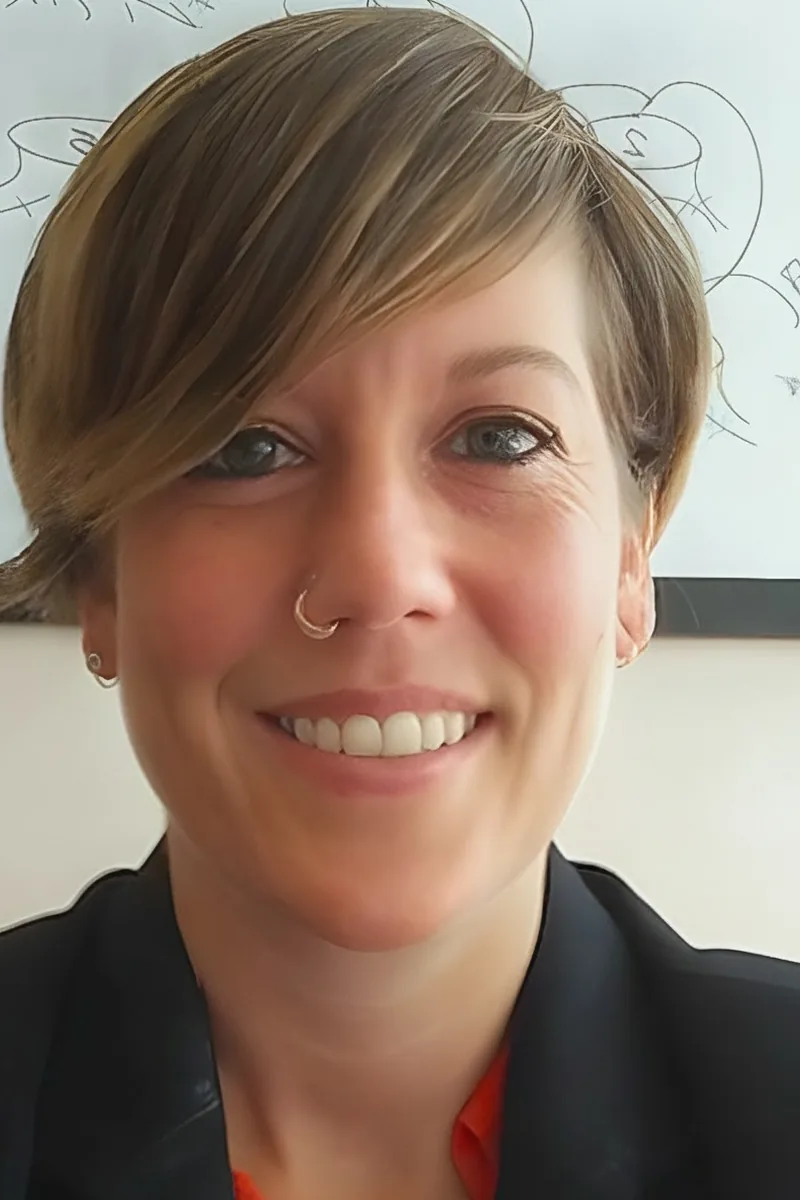
Kendra turns early reading sessions into active conversations, asking kids to predict what happens next or connect a character's feelings to their own experiences. Her curriculum development background means she sequences phonics, sight words, and comprehension questions in a way that builds real fluency — not just decoding. She's worked with learners across age groups and skill levels, so she knows how to adjust on the fly when a book is too easy or too hard.
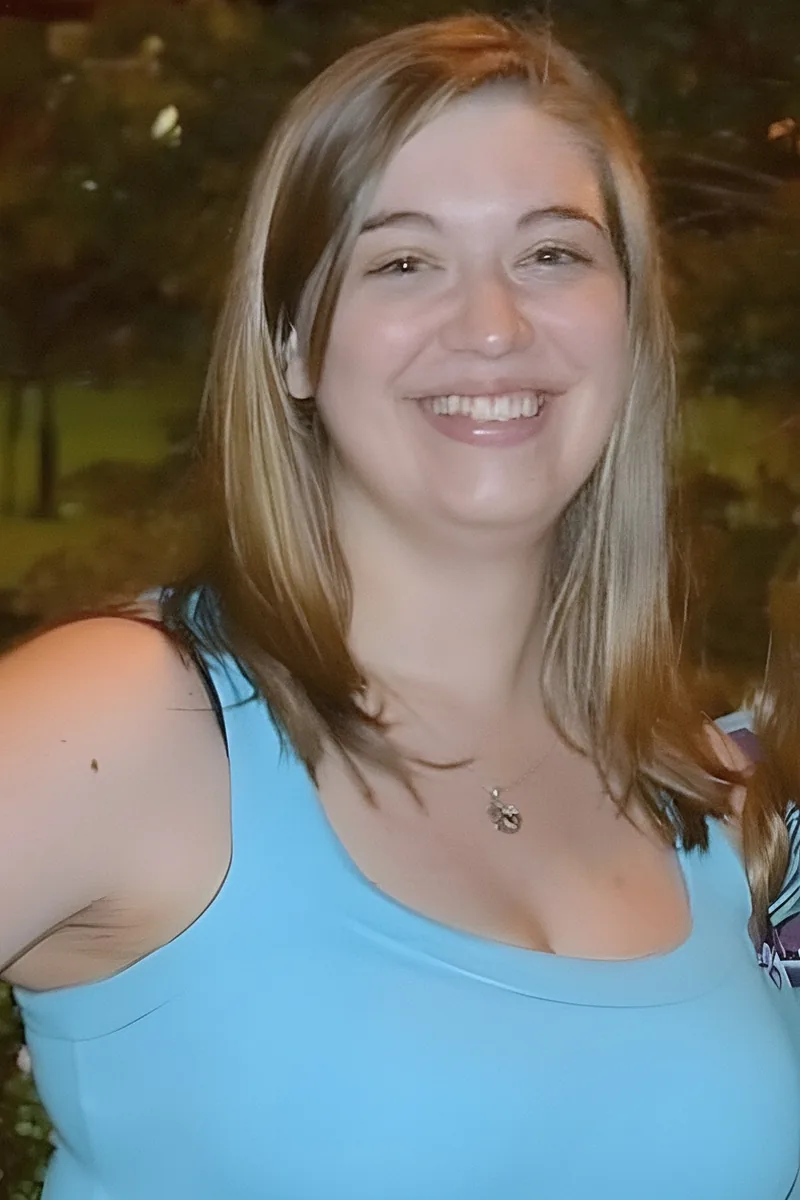
I am currently a lead preschool teacher. I received my Bachelor's in Psychology from VCU and am looking to return to school to further my education. While in college, I worked as a Supplemental Instruction leader, teaching general biology and anatomy. I have also worked in an after school program with elementary age children, but I have my fondest memories volunteering as a counselor for Camp Kesem. In my own experience, I loved school and now I love teaching even more at all age levels! I especially enjoy the challenge of getting creative to discover what approach and mediums work best for each student. I am available for in person as well as online tutoring.
Early reading clicks when a child connects the mechanics — phonics, sight words, fluency — to actual meaning and enjoyment. Shahad builds those connections by pairing decoding practice with questions about the story itself, so students aren't just sounding out words in isolation. She adjusts her pacing to each child's comfort level, making sure confidence grows alongside skill.
Having worked at a refugee center teaching children of immigrants to navigate the American school system, Andrea knows how to build reading confidence from the ground up — phonics, sight words, and reading comprehension all tailored to where a child actually is. Her ESL/TESOL certification means she's especially skilled at reaching young readers who are still developing English fluency alongside their literacy skills.
Christianna makes early reading interactive, using context clues, phonics patterns, and picture details to build comprehension skills that stick. Her patient, encouraging approach — reflected in a 4.8 rating — keeps young learners engaged even when a passage feels challenging.
As a Program Director for GEMS at UVA, Kara teaches elementary-age girls every week — building the kind of patience and energy that translates directly into one-on-one reading sessions. She breaks down phonics patterns, sight word recognition, and early fluency strategies in ways that keep young readers engaged rather than frustrated. Her goal is always to make a child feel like a reader, not just someone practicing reading.
Hello there! I offer a no-stress, judgment-free environment, and I want to work with you in the ways that fit you best. When it comes to explaining the fundamentals, I'll support you in math and psychology; when it comes to biology, I'll help you conquer the nitty-gritty; and when it comes to reading analysis and writing skills, I'll help you shine. I'd be happy to work with you, regardless of age or background. Thanks for passing by, and have a nice day!
Strong elementary reading comes down to a handful of concrete skills: decoding unfamiliar words, retelling what happened in sequence, and making predictions about what comes next. Julia, a 5.0-rated tutor and Columbia graduate, makes these skills tangible by turning each reading session into an active conversation rather than a passive exercise.
Early reading is where phonics, sight words, and comprehension strategies all need to come together at once, which can overwhelm a young learner. Amanda keeps sessions playful and targeted, zeroing in on one skill at a time — whether that's decoding multisyllabic words or retelling a story's main events — so each small win builds real momentum.
Katie's study of child cognition at the University of Maryland shaped how she approaches phonics, fluency, and reading comprehension with younger learners. She keeps sessions interactive with physical and digital tools that turn decoding and vocabulary-building into something kids actually look forward to.
As a dedicated educator with a Master's degree in Film from Columbia University, I have experience teaching Creative Writing, Film and Media Studies, and various writing levels from elementary to high school. My teaching philosophy centers on fostering a supportive learning environment where students feel empowered to express their ideas and creativity. I am passionate about helping students develop their writing skills and critical thinking abilities, as I believe these are essential for academic success and personal growth. Outside of the classroom, I enjoy exploring literature and film, which continually inspires my teaching and enriches my students' learning experiences. I also love attending movies, plays, and live music events, museum exhibitions, and enjoying time with friends.
Building reading confidence early changes everything — from decoding unfamiliar words to making predictions about what happens next in a story. Renee's background in languages and literature means she understands how reading skills develop, and she brings that knowledge to phonics, vocabulary, and comprehension work with younger readers.
Learning to read is really learning to decode — blending letter sounds, recognizing sight words, and building the fluency that turns sounding-out into actual comprehension. Naomi pairs phonics instruction with engaging texts matched to each child's level, drawing on her experience teaching literacy skills to young learners across very different classroom settings. She holds a 5.0 client rating.
Teaching a young reader to decode words is only half the job — the other half is making reading feel rewarding. Kevin pairs phonics and fluency practice with age-appropriate stories that spark curiosity, so students build speed and comprehension at the same time. His experience creating a summer tutoring program for younger students gave him a practical toolkit for keeping elementary readers motivated.
Early reading clicks when a child can connect what's on the page to what they already know. Daniel builds that bridge by teaching phonics patterns alongside comprehension strategies like predicting and retelling, keeping sessions interactive enough that younger readers stay engaged rather than frustrated.
When a passage feels confusing, the issue usually isn't vocabulary — it's that a young reader hasn't learned to pause and check their own understanding. Eileen teaches active reading strategies like predicting, summarizing, and asking questions mid-paragraph, skills she sharpened through years of close reading across science and humanities at Vanderbilt.
Kyle approaches elementary reading by connecting books to the things kids already care about — sports, adventure, humor — so that turning pages feels like a choice, not a chore. He zeroes in on specific skills like identifying main ideas, making predictions, and building vocabulary through context clues. Years of working with kids as a coach and counselor give him a natural rapport with younger learners.
Phonics, sight words, and fluency are the building blocks, but Michelle also emphasizes comprehension from the very beginning — asking young readers to predict, retell, and connect stories to their own experiences. Her dual background in journalism and Africana Studies means she draws on a wide range of culturally diverse texts to keep kids engaged and curious.
Early reading confidence comes from connecting sounds to meaning, not just sounding out words in isolation. Emma's education coursework at Cornell introduced her to developmental reading theory, and her experience creating age-appropriate curricula for young learners means she knows how to match a book's difficulty to where a child actually is. Her 5.0 rating speaks to how well she keeps younger students engaged and moving forward.
Getting a child to love reading early changes everything that comes after. Annabel teaches phonics, sight words, and basic comprehension strategies like predicting and summarizing, turning each reading session into an active conversation about the story rather than a passive exercise.
Years of volunteering in elementary classrooms taught Gloria that reading clicks when kids connect stories to their own curiosity — whether that means predicting what happens next, sounding out tricky vowel combinations, or retelling a chapter in their own words. Her neuroscience background also gives her insight into how young brains process phonics and comprehension differently at each developmental stage. Rated 5.0 by students and families.
Sherry is pursuing a master's in speech-language pathology at Columbia's Teachers College, which means she understands the cognitive mechanics behind how young readers decode words, build fluency, and develop comprehension. She teaches phonics patterns, sight-word recognition, and read-aloud strategies tailored to each child's reading level. Her 5.0 rating speaks to how well she connects with elementary-age learners.
Reading intervention has been a core part of Molly's classroom work across 2nd, 3rd, and 4th grade, so she's fluent in phonics-based decoding, sight word fluency, and comprehension strategies like predicting and retelling. She pulls from multiple curricula to match the approach that clicks for each reader rather than defaulting to one program.
Testimonials
Because the right Elementary School Reading tutor makes all the difference.
Average Session Rating – Based on 3.4M Learner Ratings
Other Richmond Tutors
Related English Tutors in Richmond
Frequently Asked Questions
Many elementary readers struggle with phonics mastery, fluency, and comprehension—especially as texts become more complex in upper elementary grades. Students may also find it difficult to move from decoding words to understanding meaning, or they might read quickly but retain little. Personalized 1-on-1 instruction helps identify exactly where a student is getting stuck and builds confidence through targeted practice and positive reinforcement.
Tutors work with students using evidence-based strategies like repeated reading, guided reading at appropriate levels, and think-aloud techniques that model how strong readers process text. By practicing with engaging materials matched to a student's interests and reading level, students build both speed and understanding. Regular feedback and encouragement help students develop confidence and a love of reading.
The first session focuses on understanding your child's current reading level, strengths, and specific challenges. A tutor will assess comprehension, fluency, and decoding skills through conversation and reading samples, then discuss goals with you and create a personalized plan. This foundation ensures that all future sessions target exactly what your student needs to succeed.
Yes, tutors support students across all elementary grades—from early readers learning phonics and sight words to upper elementary students tackling chapter books and developing literary analysis skills. Whether your child is just beginning to read or needs help with more advanced comprehension and critical thinking, Varsity Tutors connects you with tutors experienced in elementary reading instruction.
Many students show noticeable progress in fluency and confidence within 4-6 weeks of consistent tutoring, though the timeline depends on the student's starting point and frequency of sessions. Research on 1-on-1 instruction shows that personalized support accelerates learning significantly compared to classroom instruction alone. Regular communication with your tutor helps track progress and adjust strategies as needed.
Tutors working with elementary readers have expertise in reading instruction, phonics, fluency strategies, and age-appropriate comprehension techniques. Many have backgrounds in education, English, or specialized reading instruction. Varsity Tutors matches you with tutors whose experience and teaching style align with your child's needs and learning style.
Absolutely. Tutors often recommend specific books, reading games, and practice routines that reinforce what students are learning in sessions and keep reading engaging. They can also suggest ways to make reading part of daily family life—like audiobooks during car rides or reading together before bed. This consistency between tutoring and home practice significantly boosts progress.
Yes, tutors are familiar with Virginia's Standards of Learning (SOLs) for English and the reading expectations across Richmond's school districts. They can support students with classroom assignments, prepare them for reading assessments, and fill gaps in foundational skills. Whether your child attends one of Richmond's 155 schools or needs general reading support, tutors tailor instruction to align with what students are learning in class.
Let’s find your perfect tutor
Answer a few quick questions. We’ll recommend the right plan and match you with a top 5% tutor.