Award-Winning Mandarin Chinese Tutors
serving Fort Worth, TX
Mandarin Chinese
Tutors in Fort Worth
Private 1-on-1 tutoring, weekly live classes for academic support, test prep & enrichment, practice tests and diagnostics, and more to elevate grades and test scores.
Based on 3.4M Learner Ratings
UniversitiesSchools & Universities
DeliveredHours Delivered
ProficiencyGrowth in Proficiency
Who needs tutoring?
No obligation. Takes ~1 minute.

As a Mandarin speaker, Jessy tackles the aspects of the language that trip up English-speaking learners most — tonal pronunciation, character stroke order, and the logic behind measure words and sentence structure. She uses a mix of conversation practice and written drills to build both spoken fluency and reading recognition simultaneously.
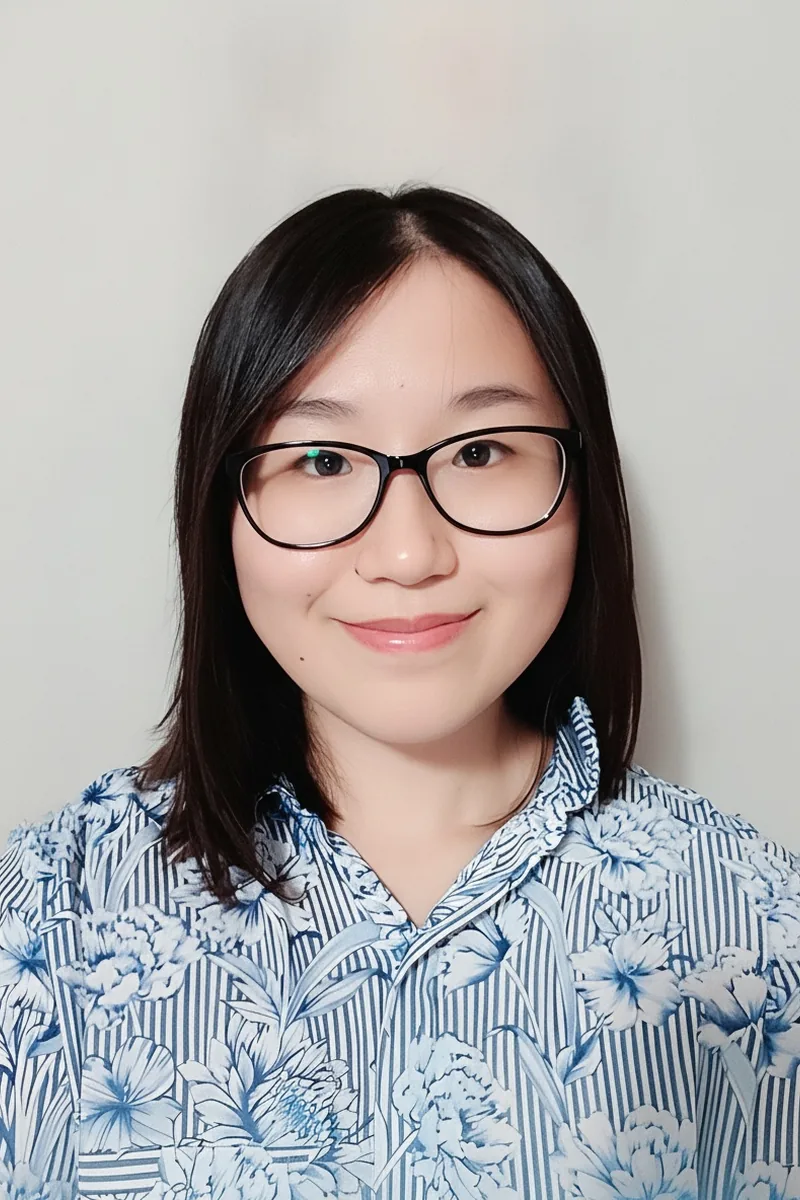
Learning Mandarin means juggling tones, character recognition, and a grammar system that works nothing like English — and Patricia tackles all three without overwhelming students. She sequences lessons so that new vocabulary and sentence patterns build on what a student already knows, making the jump from pinyin to characters feel manageable. Her experience teaching beginners through more advanced learners means she can calibrate to whatever stage a student is in.
As a Mandarin speaker comfortable with both conversational and academic Chinese, Jennifer teaches tonal pronunciation, character recognition, and sentence structure in a way that builds practical fluency. She connects new vocabulary to real contexts — ordering food, describing daily routines, reading simple news articles — so the language sticks beyond flashcard drills.
Eight years of teaching Chinese language and culture across K-12 levels means Amanda has built curriculum for every stage — from introducing tones and pinyin to beginners through drilling stroke order, radicals, and reading comprehension for advanced learners. She developed a full K-12 Mandarin curriculum and knows exactly where students tend to stall, whether it's character recognition or navigating measure words. Rated 5.0 by students.
Mandarin's tonal system and character-based writing can feel overwhelming at first, but Si — who teaches both Mandarin 1 and 2 — breaks it into manageable pieces, starting with pinyin pronunciation and tone drills before layering in character recognition and basic sentence structure. His multilingual background means he understands how to bridge the gap between English-language thinking and Mandarin expression.
Mandarin's tonal system and character-based writing can feel overwhelming without a clear learning structure. Daniel tackles the language systematically — building from pinyin and tone pairs to sentence patterns and reading comprehension — so students develop real fluency instead of scattered vocabulary lists.
After completing a year of intensive Mandarin study in Taiwan and then backpacking through China, China developed the kind of conversational fluency and cultural context that textbooks alone can't provide. She teaches tones, character recognition, and sentence structure by grounding them in real situations — ordering food, navigating directions, reading signs — so students build practical communication skills alongside formal grammar.
Sarah teaches Mandarin with an emphasis on conversational fluency — tones, sentence patterns, and the high-frequency vocabulary that lets students start communicating quickly. She pairs speaking practice with character recognition drills so learners develop both oral and written skills in parallel.
As a native Mandarin speaker who studied at The Chinese University of Hong Kong, Yuanxin teaches tones, stroke order, and sentence structure with the intuition of someone who grew up inside the language. She covers everything from pinyin fundamentals and character recognition through reading comprehension and formal writing conventions.
As a native Mandarin speaker, Rita knows exactly where English speakers stumble — tonal pronunciation, measure words, character stroke order, the logic behind sentence particles like 了 and 过. She teaches the language as a living system with its own internal patterns, not a pile of disconnected vocabulary lists. Rated 4.6 by students, she makes a notoriously intimidating language feel approachable from the very first session.
Mandarin's tonal system and character-based writing make it unlike any other language most students encounter, and early habits matter enormously. Thomas teaches through all three levels of Mandarin and emphasizes tone accuracy and radical recognition from the start, building the kind of structural understanding that prevents bad habits from compounding. His experience as a multilingual tutor across Spanish and Mandarin gives him a clear sense of where English speakers specifically struggle with Chinese grammar and syntax.
Michael's Asian Studies degree included dedicated Mandarin Chinese coursework, giving him both linguistic skill and cultural context that enriches vocabulary and conversation practice. He breaks down tonal pronunciation, character stroke order, and sentence structure in ways that make the language feel systematic rather than overwhelming.
I'm Jay! I'm currently going to college at the University of Texas at Austin. I am majoring in fine arts and I am also in the pre-medical program. Even though I'm not done with college, I have already published papers in the field of epigenetics since my freshmen year of college. Even though I consider myself to have an expertise in languages, I decided to teach areas in the field of natural sciences because those are the subjects that I am most passionate about.
As a native speaker who taught Mandarin to American and European children at MTI International School in Tianjin, Hua knows exactly where English speakers stumble — tonal pronunciation, measure words, and character stroke order. She structures lessons around these common sticking points, building reading and writing skills alongside spoken fluency.
Jackson is pursuing Chinese Language and Culture as a core part of his Asian Studies degree, with plans to continue Mandarin study at the graduate level. That long-term commitment means he understands the progression from tonal pronunciation and stroke order through reading comprehension and conversational fluency — and he knows exactly where each stage trips students up. Rated 5.0 across his tutoring sessions.
I am also fluent (reading/listening/writing) in Cantonese and mandarin Chinese because of my upbringing. Half of my childhood education was received in Hong Kong and the other half was in Australia.
Learning Mandarin means juggling tones, character writing, and a grammar system that works nothing like English — and Rachel tackles all three from the start rather than letting any one slip. She teaches across beginner through advanced levels and emphasizes conversational practice alongside structured reading and writing so students can actually use the language, not just recognize it on a page.
As a Mandarin speaker who teaches all four levels of the language, Bonita walks students through tonal pronunciation, character stroke order, and sentence structure from the ground up. Her analytical mindset — sharpened by her physics and math studies at UT Austin — brings unusual clarity to explaining Mandarin grammar patterns that often trip up English speakers.
Lillian taught beginning Mandarin Chinese during her time at UT Austin and has continued working with learners navigating tones, pinyin, and character recognition. She approaches character writing as a system of radicals and patterns rather than rote copying, which makes retention far more manageable. Her lessons build from pronunciation fundamentals through basic sentence structures so students gain confidence speaking and reading simultaneously.
As a native Mandarin speaker, I believe language learning should feel practical, encouraging, and enjoyable. I tailor lessons to my students' goalswhether you want to build a strong foundation, improve conversation skills, or gain confidence using Mandarin in real-life situations. I also speak English fluently, and it will help our lessons go smoothly. No matter your starting level, I am here to support you step by step on your Mandarin learning journey.
Learning Mandarin Chinese requires consistent practice with tonal accuracy, character recognition, and sentence structure — skills that benefit from a patient, methodical tutor. Julie's background in philosophy and statistics at Princeton means she approaches language learning with the same logical rigor she applies to formal proofs, breaking grammar patterns into learnable systems rather than isolated rules.
Mandarin's tonal system and character-based writing can feel overwhelming without a structured plan of attack. Zora applies the same analytical problem-solving she uses in her Stanford engineering program to break down radicals, stroke order, and pinyin pronunciation into repeatable, logical steps that build real reading and speaking ability.
Mandarin was at the center of Jacob's University of Chicago degree, where he studied the language alongside Chinese history, literature, and culture. That immersion means he can explain not just how characters and tones work but why certain grammatical structures exist — connecting vocabulary to the cultural logic behind it. He's developing his own acquisition methods designed to accelerate real conversational fluency.
Learning Mandarin means tackling tonal pronunciation, character recognition, and sentence structures that work nothing like English — all at once. Chris teaches across multiple levels of Mandarin Chinese and breaks these challenges apart so students build reading and speaking skills in parallel without feeling overwhelmed.
Learning Mandarin means tackling tones, character recognition, and a grammar structure that works nothing like English — and Lisa addresses all three without overwhelming students. She breaks down sentence patterns like topic-comment structure and measure words so that students understand the logic of the language, not just isolated vocabulary lists. Her anthropological perspective also brings in cultural context that makes phrases and expressions feel meaningful rather than arbitrary.
Caroline majored in Chinese at Notre Dame, building fluency across reading, writing, and spoken Mandarin over four years of intensive study. She breaks down tonal pronunciation, character stroke order, and sentence structure (like the placement of time words before verbs) in ways that make the language's logic click for newer learners. Rated 5.0 by students.
Helen teaches Mandarin across beginner and intermediate levels, covering tonal pronunciation, character writing, and sentence structure. She connects grammar patterns to real conversational use, which makes abstract rules like measure words and aspect particles feel intuitive rather than arbitrary.
Learning Mandarin means juggling tones, character recognition, and sentence structures that have almost nothing in common with English. Mandy approaches each of these as a separate skill with its own practice routine — tone drills for speaking, radical-based strategies for reading characters, and pattern exercises for grammar — so progress feels concrete rather than overwhelming.
Asta's experience teaching the SAT Chinese Subject Test and living in Hong Kong gave her a practical grasp of Mandarin that bridges formal grammar with real-world usage. She tackles tonal accuracy, character recognition, and sentence structure by connecting each concept to contexts students will actually encounter — ordering food, reading signs, or discussing current events.
Florence's Chinese proficiency is strong enough that she sat for the SAT Subject Test in Chinese with Listening, giving her real experience with the listening comprehension, reading, and writing skills that Mandarin learners need to develop. She tackles tricky areas like measure words, sentence-final particles, and character recognition with a methodical approach shaped by her computer science training at Duke.
Learning Mandarin from a linguist is a different experience than learning it from someone who simply speaks it. Wei's research in language acquisition means she understands exactly why tonal distinctions trip up English speakers, how to build character recognition systematically, and when to push conversational fluency versus grammatical accuracy. Her 5.0 rating speaks to how well that approach works.
Annie teaches Mandarin with attention to the details that trip up English speakers most — tonal pronunciation, measure words, and the logic behind character radicals. Whether a student is working through basic sentence patterns or tackling more complex grammar like 把 constructions, she breaks down the structure so it makes sense rather than just requiring rote repetition.
Testimonials
Because the right Mandarin Chinese tutor makes all the difference.
Average Session Rating – Based on 3.4M Learner Ratings
Nearby Mandarin Chinese Tutors
Other Fort Worth Tutors
Related Languages Tutors in Fort Worth
Frequently Asked Questions
One of the biggest challenges in traditional classrooms is getting enough speaking practice—with a 15:1 student-teacher ratio in Fort Worth schools, students often have limited opportunities to speak Mandarin aloud. Personalized 1-on-1 instruction gives you dedicated conversation time with a tutor who can correct your pronunciation, tone, and grammar in real-time. This consistent speaking practice is essential for developing conversational fluency and building confidence in real-world communication.
Mandarin tones are notoriously difficult for English speakers because they change word meaning entirely—the difference between a flat tone and a rising tone can turn a word into something completely different. Working with an expert tutor allows you to hear correct pronunciation modeled repeatedly and receive immediate feedback on your own tone production. Regular practice with personalized guidance helps train your ear and mouth to distinguish and produce the four tones accurately.
All four skills—reading, writing, speaking, and listening—are interconnected in language learning, and personalized tutoring helps you develop them together rather than in isolation. A tutor can help you understand how written characters connect to pronunciation, teach you efficient strategies for character recognition, and guide you through writing practice that reinforces what you're learning conversationally. This integrated approach builds comprehensive language skills faster than focusing on one skill at a time.
Learning Chinese characters requires consistent, strategic practice—simply memorizing lists doesn't stick. Tutors use techniques like spaced repetition, contextual learning (learning characters within meaningful phrases), and connecting characters to their visual components to make vocabulary retention more efficient. Personalized instruction means your tutor can identify which words and characters are giving you trouble and adjust their teaching methods to match how you learn best.
The best approach combines both: understanding core grammar structures gives you a foundation, but natural Mandarin often differs from textbook rules. Expert tutors teach you the grammar patterns that matter most for real communication, then help you practice using them naturally through conversation and context-based exercises. This balance prevents you from speaking in overly formal or incorrect patterns while building genuine fluency.
Language and culture are inseparable—understanding Chinese customs, social norms, and cultural references makes you a more effective communicator and helps you use language appropriately in different situations. Tutors can weave cultural context into lessons, explaining why certain phrases are used, how to address people respectfully, and the nuances behind common expressions. This immersion-style approach deepens your understanding and makes learning more engaging and meaningful.
Yes—whether you're starting from scratch or already conversational and aiming for advanced fluency, Varsity Tutors connects you with expert tutors who can meet you where you are. Tutors assess your current level and create a personalized learning path based on your specific goals, whether that's basic conversation, test preparation (like HSK exams), or professional-level proficiency. This customized approach is far more effective than one-size-fits-all classroom instruction.
Your first session is focused on getting to know each other and understanding your goals. The tutor will assess your current Mandarin level across all four skills—speaking, listening, reading, and writing—and learn what you want to achieve, whether that's conversational ability, academic success, or professional communication. From there, they'll create a personalized plan tailored to your learning style and timeline.
Let’s find your perfect tutor
Answer a few quick questions. We’ll recommend the right plan and match you with a top 5% tutor.