Award-Winning Elementary Math Tutors
serving Austin, TX
Elementary Math
Tutors in Austin
Private 1-on-1 tutoring, weekly live classes for academic support, test prep & enrichment, practice tests and diagnostics, and more to elevate grades and test scores.
Based on 3.4M Learner Ratings
UniversitiesSchools & Universities
DeliveredHours Delivered
ProficiencyGrowth in Proficiency
Who needs tutoring?
No obligation. Takes ~1 minute.
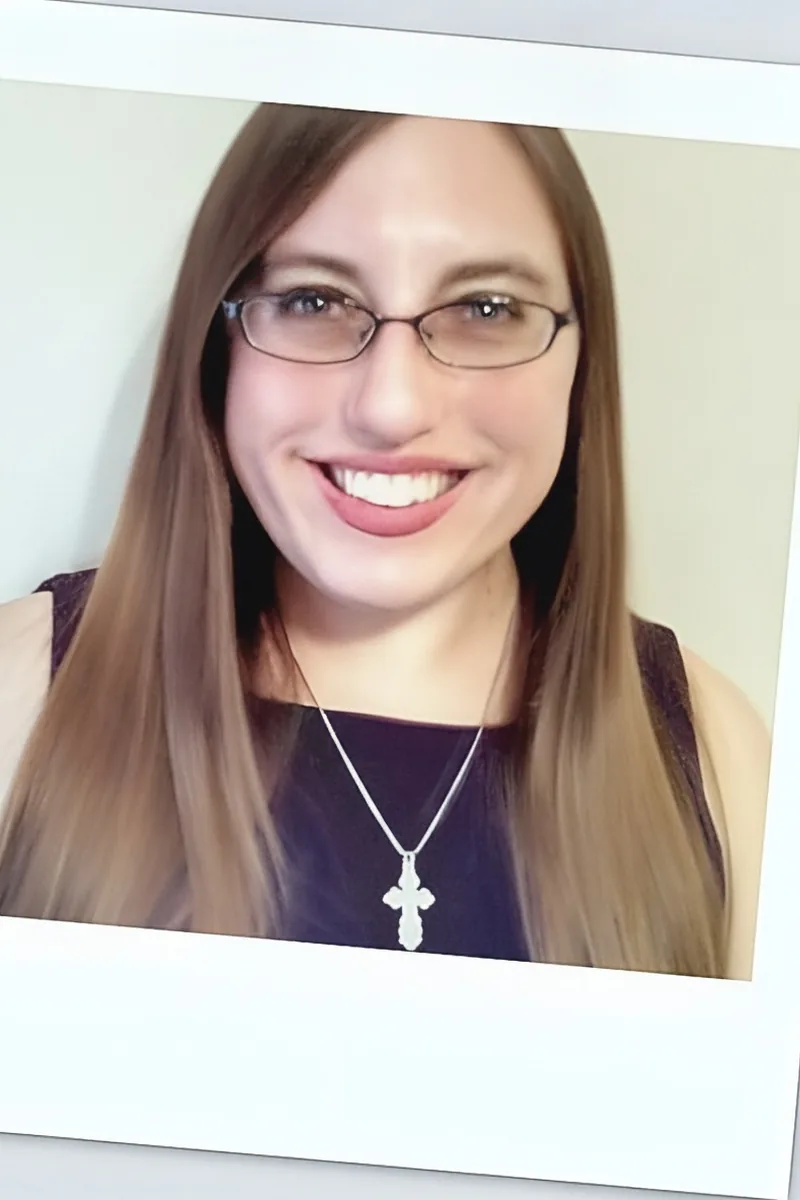
Philosophy might seem far from elementary math, but Jessalyn's PhD training sharpened one skill that matters enormously for young learners: breaking a big, confusing idea into a chain of small, logical steps. She applies that same clarity to concepts like regrouping and multi-step word problems, walking kids through the *reasoning* behind each operation so they're not just following memorized procedures. Rated 5.0 by families.

Getting multiplication facts or place value wrong isn't a sign a kid is bad at math — it usually means the underlying concept wasn't made concrete enough the first time. Steve teaches elementary math by connecting abstract ideas to tangible examples, drawing on his Texas certification and learner-centered approach to make fractions, measurement, and early problem-solving click.
Teaching a young learner to see patterns in multiplication tables or understand why borrowing works in subtraction takes patience and a genuine love for how math fits together. Roozbeh grew up watching his mother teach and picked up her knack for making abstract ideas concrete — using visual models, number lines, and real-world examples to anchor place value and basic operations. He keeps sessions encouraging and structured so kids walk away feeling capable.
Building number sense early — understanding place value, fractions as parts of a whole, basic multiplication strategies — shapes how a student thinks about math for years to come. Tyler's training through UTeach, a nationwide program for math and science educators, gave him structured methods for teaching foundational concepts through discovery rather than rote drills. He holds a 5.0 rating from students and families.
At the elementary level, the goal isn't just getting the right answer — it's building the kind of number sense that makes a child comfortable thinking mathematically. Rakhi uses visual models and real-world examples to teach place value, basic operations, and early fractions in ways young learners can grab onto. She's patient, clear, and genuinely enjoys working with younger kids.
Multiplication tables and long division don't have to feel like a grind. Matt teaches elementary math by turning problems into small puzzles, keeping younger learners engaged while they build real fluency with place value, fractions, and basic operations.
Place value, basic operations, and early fractions can feel abstract to younger learners who need concrete ways to visualize what numbers actually mean. Elliott, a state-certified teacher, breaks these concepts into hands-on steps that build real number sense rather than rote counting.
Fractions, place value, and multi-step word problems don't have to be scary. Katrina treats elementary math as a series of puzzles, building each student's confidence by letting them discover patterns on their own before formalizing the rules. She genuinely believes every kid can enjoy math — and that belief tends to be contagious.
Getting number sense right early — place value, basic fractions, the logic behind multiplication — shapes how a child thinks about math for years. Vy taught first graders at a Sunday School program and worked with deaf preschoolers at Vanderbilt Medical Center's Mama Lere Hearing School, so she's practiced at making abstract ideas tangible for young learners. She holds a 5.0 rating from her students.
Getting multiplication facts and place value down early changes everything about a student's math trajectory. Iselee uses structured practice and visual strategies to make concepts like regrouping and basic fractions intuitive rather than intimidating for younger learners.
I am an Atlanta native. I hold an undergraduate degree in Business from Tennessee State University and graduated degree in Education from Cambridge College. I am a Georgia and Texas certified teacher. I have always enjoyed working with kids. I have taught kindergarten, first, second and fourth grade. I am a hard-worker, team player and passionate about my students succeeding in whatever they set their minds too. I currently hold endorsements in K-5 Mathematics, Teacher Support Specialist, and ESOL (English for Speakers of Other Languages). I am able to provide instruction that meets the needs of all students. I have the ability to differentiate instruction so that I cater to all learning styles and levels.
Place value, basic fractions, and multi-digit multiplication all click faster when a student understands *why* the steps work, not just what to do next. Kenan breaks these building-block concepts into visual, concrete explanations that give younger learners real number sense they can carry forward.
Getting foundational arithmetic right — place value, multi-digit multiplication, fractions — sets up everything that comes later in math. Emily spent a year teaching at a private academy for students with learning differences, which sharpened her ability to break number concepts into concrete, manageable steps that actually click.
Getting multiplication facts and place value right early on shapes how a student thinks about numbers for years. Malcolm approaches elementary math with patience and structure, building number sense through hands-on strategies like grouping and skip-counting rather than rote drills.
Teaching 4th grade daily means Amanda sees exactly where young learners get stuck — whether it's multi-digit multiplication, fractions on a number line, or making sense of word problems. She breaks each concept into concrete, visual steps that match how elementary-age kids actually think about numbers.
Making sense of multiplication tables, place value, and basic fractions often comes down to how clearly someone can explain the "why" behind each step. Andria's background in both English and science gives her a knack for translating abstract number concepts into language young learners actually understand.
Multiplication tables, place value, basic fractions — these aren't just skills to memorize; they're the building blocks every future math class depends on. Kim identifies the specific stumbling points a young learner is hitting and creates different ways to approach the same idea until it clicks.
A Child Development background changes how you teach young learners — Sarah understands that a second grader struggling with place value needs a fundamentally different approach than a fourth grader tackling long division. She uses hands-on strategies and visual models to make number sense intuitive rather than mechanical. Her Vanderbilt training keeps every session developmentally appropriate and engaging.
Multiplication tables, place value, basic fractions — elementary math is all about building number sense before kids ever touch a variable. Jocelyn breaks these concepts into concrete, visual steps so younger learners actually understand *why* borrowing works in subtraction or how equal groups connect to division.
Building number sense early changes everything that comes after — whether a student is working on multi-digit multiplication, basic fractions, or word problems that require choosing the right operation. Frances volunteered for three years with kids ages 3–12 in a non-profit setting, teaching math and science in ways that kept young learners curious. She makes arithmetic feel like puzzle-solving rather than rote repetition.
Younger students learn math best when it feels like problem-solving rather than worksheet completion. Enstin turns concepts like place value, basic multiplication, and simple fractions into interactive exercises where kids talk through their reasoning instead of just circling answers. He's been tutoring since high school and knows how to match his pace to each student's confidence level.
Getting multiplication facts, place value, and early fractions right makes every future math class easier. Angela uses visual models and real-world examples — splitting a pizza, counting coins, measuring ingredients — to make these foundational ideas click for younger learners.
Getting multiplication facts, place value, and basic fractions right at this stage shapes how a student handles every math class that follows. Daniel uses patterns and visual strategies to make arithmetic feel logical, turning rote practice into something a young learner can actually explain back in their own words.
From fractions and place value to early word problems, elementary math is about building the reasoning habits that everything else depends on. Hanna taught self-contained 4th grade in Houston ISD, so she knows how to spot where a student's understanding breaks down and reteach the concept with concrete examples — not just repeat the same procedure louder.
Early math confidence comes from understanding *why* a method works, not just following steps on a worksheet. Mostafa breaks down concepts like place value, multi-digit multiplication, and basic fractions using visual models and hands-on reasoning that stick with young learners long after the session ends.
Multiplication tables, long division, and fractions don't have to feel like a grind. Natalie turns elementary math into something approachable by using visual models and real-world examples — splitting a pizza into equal parts or measuring ingredients for a recipe. Her warmth and love of learning make her a natural fit for younger students still building confidence with numbers.
Twelve years in elementary and special education classrooms means Elizabeth has seen every way a child can get stuck on place value, regrouping, or early multiplication — and she knows how to get them unstuck. Her background as an Educational Diagnostician lets her pinpoint exactly where a gap in understanding begins and build from there. Rated 5.0 by students and families.
Getting multiplication facts or place value wrong isn't usually a knowledge gap — it's a sequencing issue where an earlier concept didn't fully take root. Anuj traces mistakes back to the specific step that needs reinforcing, whether that's skip counting, regrouping in subtraction, or understanding what a fraction actually represents. He keeps practice structured but low-pressure, especially for younger learners who shut down when math feels punishing.
Getting a young learner to see math as something fun rather than something stressful makes all the difference at the elementary level. Andrea teaches place value, basic operations, and early fraction concepts through patient, step-by-step explanations, and her warm, easygoing style keeps kids engaged even when the problems feel hard.
Teaching a young learner to multiply multi-digit numbers or compare fractions requires patience and the ability to explain the same idea three different ways. Jeremy has tutored elementary-age homeschoolers and knows how to use visual models — arrays, number lines, fraction bars — to make place value and basic operations intuitive. He keeps sessions structured but light enough that kids stay engaged.
Omar's engineering coursework at Rice means he thinks about math as a connected system — so when he teaches elementary topics like regrouping or simple division, he traces the logic behind each step instead of just drilling the procedure. That analytical instinct, paired with years of tutoring younger family members through their own math milestones, makes him especially good at spotting exactly where a kid's understanding breaks down. Rated 5.0 by families.
Teaching a seven-year-old fractions requires a completely different toolkit than explaining them to a teenager. Shyon's experience tutoring students of all ages — including younger learners — means he knows how to use visual models, manipulatives, and real-world examples to make place value, multiplication strategies, and fraction concepts click for elementary students.
Multiplication tables, place value, basic fractions — these click faster when a kid sees why the math works, not just how to get the right answer. Kate uses visual models and hands-on strategies she developed tutoring elementary students throughout college, turning abstract number concepts into something concrete and memorable.
Teaching a young learner to think mathematically is different from teaching math content — it's about building number sense, not just correct answers. Aleksey uses hands-on approaches to multiplication, place value, and basic fractions that give kids a feel for why numbers behave the way they do. His hobbies in art and music often find their way into lessons, keeping things engaging for younger students.
Getting multiplication tables, place value, and basic fractions to stick requires patience and the right mix of repetition and genuine understanding. Alex makes early math concepts concrete — using visual models and real-world examples that give younger learners a reason to care about the numbers on the page.
Multiplication strategies, place value, and basic fractions can feel like disconnected rules to a young learner unless someone shows how they fit together. Muhammad teaches arithmetic by building each skill visually and step-by-step, making sure a student understands *why* borrowing works before drilling the procedure. His patience with fundamentals comes through in the way he adapts explanations to each learner's pace.
Multiplication tables, long division, and place value can feel like a lot for young learners to juggle all at once. Jett breaks these concepts into small, concrete steps — using visual models and real-world examples like money or measurement — so each skill clicks before moving to the next. Rated 5.0 by students.
As a business major who tutors math across every grade level — from first grade through calculus — Ankit sees exactly how early arithmetic skills ripple forward into harder material. He keeps sessions light and interactive for younger kids, using everyday scenarios like keeping score in basketball or splitting snacks to make addition, subtraction, and basic multiplication feel natural. Rated 4.9 by students.
Multiplication tables and long division aren't just procedures to memorize — they're built on patterns a kid can actually see once someone points them out. Doug breaks down elementary math concepts like place value and fractions using concrete examples, drawing on the same clear, logical thinking his engineering background demands.
Early math confidence shapes everything that comes after, which is why Hannah zeroes in on number sense — not just getting the right answer but understanding why 7+8 relates to 7+7+1, or what subtraction really means visually. Her experience directing childcare programs gives her a natural read on how young learners engage with new concepts.
Testimonials
Because the right Elementary Math tutor makes all the difference.
Average Session Rating – Based on 3.4M Learner Ratings
Nearby Elementary Math Tutors
Other Austin Tutors
Related Math Tutors in Austin
Frequently Asked Questions
Elementary students often struggle with the transition from memorizing math facts to understanding why mathematical concepts work. In Austin's diverse school districts, students may encounter different curriculum approaches—from traditional textbooks to more conceptual methods—which can create confusion when switching schools or seeking additional support. Common pain points include word problems (which require reading comprehension and strategy selection), multi-step problems that require organizing information, and building number sense with larger numbers and fractions.
The first session focuses on understanding your student's current level, learning style, and specific challenges. A tutor will work through a few problems together to identify whether your child struggles with foundational concepts, computational skills, or applying math to real-world situations. This diagnostic approach helps create a personalized plan that builds confidence and addresses gaps before moving forward.
Showing work reveals your student's thinking process, helping identify where misunderstandings occur—whether in computation, strategy selection, or concept application. When tutors can see how a student approaches a problem, they can address the root cause rather than just the wrong answer. This practice also builds problem-solving skills and helps students develop flexible strategies they can apply to unfamiliar problems.
Math anxiety often stems from past struggles, pressure, or feeling rushed—all things that personalized tutoring directly addresses. Working 1-on-1 with a tutor creates a low-pressure environment where students can ask questions freely, work at their own pace, and experience small wins that rebuild confidence. When students understand the 'why' behind concepts rather than just memorizing procedures, they feel more capable and less dependent on speed or perfection.
Yes, tutors can work with your student's specific curriculum, whether their Austin school uses traditional textbooks, Singapore Math, Eureka Math, or other approaches. When you connect with a tutor, you can share your student's textbook, recent assignments, or curriculum information so instruction directly supports what they're learning in class. This alignment helps students see how tutoring connects to their schoolwork and builds confidence in the classroom.
Word problems require students to read carefully, identify relevant information, choose an appropriate strategy, and communicate their solution—skills that go beyond computation. Tutors teach students to break problems into steps: understanding what's being asked, deciding which operation to use, and checking if the answer makes sense. With guided practice and pattern recognition, students develop confidence in approaching unfamiliar problems rather than feeling stuck.
Number sense is the ability to understand relationships between numbers, estimate reasonably, and recognize when an answer doesn't make sense—skills that go beyond memorizing facts or procedures. Students with strong number sense can see patterns, break numbers apart flexibly, and apply math to real situations. Tutoring helps students develop this deeper understanding so they're not just following steps, but truly grasping how math works.
Progress shows up in multiple ways: improved grades and test scores, increased willingness to attempt challenging problems, better explanation of their thinking, and reduced math anxiety. A good tutor will track specific skills and share observations about what your student has mastered and what needs more practice. You'll often notice confidence growing before grades shift, as students begin to see themselves as capable mathematicians.
Let’s find your perfect tutor
Answer a few quick questions. We’ll recommend the right plan and match you with a top 5% tutor.