Award-Winning Elementary Math Tutors
serving Houston, TX
Elementary Math
Tutors in Houston
Private 1-on-1 tutoring, weekly live classes for academic support, test prep & enrichment, practice tests and diagnostics, and more to elevate grades and test scores.
Based on 3.4M Learner Ratings
UniversitiesSchools & Universities
DeliveredHours Delivered
ProficiencyGrowth in Proficiency
Who needs tutoring?
No obligation. Takes ~1 minute.

Making sense of multiplication tables, place value, and basic fractions often comes down to how clearly someone can explain the "why" behind each step. Andria's background in both English and science gives her a knack for translating abstract number concepts into language young learners actually understand.
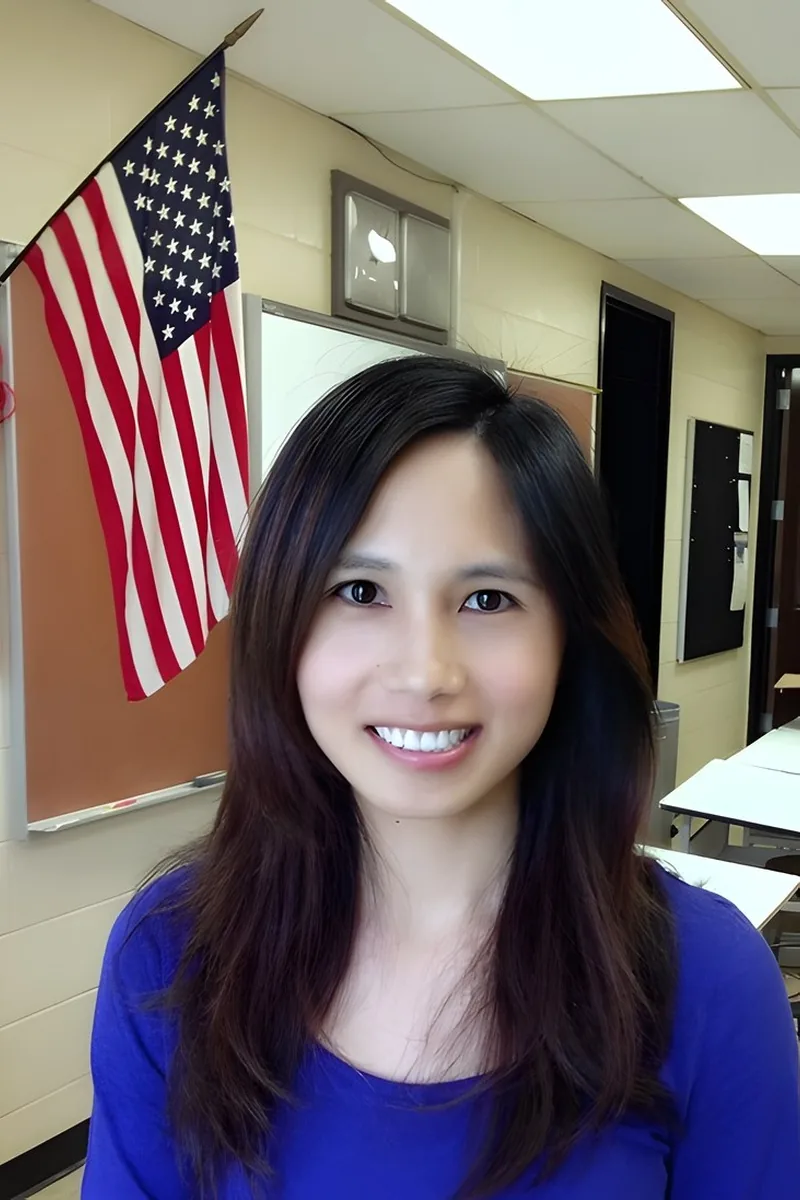
Teaching 4th grade daily means Amanda sees exactly where young learners get stuck — whether it's multi-digit multiplication, fractions on a number line, or making sense of word problems. She breaks each concept into concrete, visual steps that match how elementary-age kids actually think about numbers.
Getting multiplication facts and place value right early on shapes how a student thinks about numbers for years. Malcolm approaches elementary math with patience and structure, building number sense through hands-on strategies like grouping and skip-counting rather than rote drills.
Multiplication tables, place value, basic fractions — elementary math is all about building number sense before kids ever touch a variable. Jocelyn breaks these concepts into concrete, visual steps so younger learners actually understand *why* borrowing works in subtraction or how equal groups connect to division.
A Child Development background changes how you teach young learners — Sarah understands that a second grader struggling with place value needs a fundamentally different approach than a fourth grader tackling long division. She uses hands-on strategies and visual models to make number sense intuitive rather than mechanical. Her Vanderbilt training keeps every session developmentally appropriate and engaging.
Younger students learn math best when it feels like problem-solving rather than worksheet completion. Enstin turns concepts like place value, basic multiplication, and simple fractions into interactive exercises where kids talk through their reasoning instead of just circling answers. He's been tutoring since high school and knows how to match his pace to each student's confidence level.
Building number sense early changes everything that comes after — whether a student is working on multi-digit multiplication, basic fractions, or word problems that require choosing the right operation. Frances volunteered for three years with kids ages 3–12 in a non-profit setting, teaching math and science in ways that kept young learners curious. She makes arithmetic feel like puzzle-solving rather than rote repetition.
From fractions and place value to early word problems, elementary math is about building the reasoning habits that everything else depends on. Hanna taught self-contained 4th grade in Houston ISD, so she knows how to spot where a student's understanding breaks down and reteach the concept with concrete examples — not just repeat the same procedure louder.
Early math confidence comes from understanding *why* a method works, not just following steps on a worksheet. Mostafa breaks down concepts like place value, multi-digit multiplication, and basic fractions using visual models and hands-on reasoning that stick with young learners long after the session ends.
Omar's engineering coursework at Rice means he thinks about math as a connected system — so when he teaches elementary topics like regrouping or simple division, he traces the logic behind each step instead of just drilling the procedure. That analytical instinct, paired with years of tutoring younger family members through their own math milestones, makes him especially good at spotting exactly where a kid's understanding breaks down. Rated 5.0 by families.
Multiplication tables, place value, basic fractions — these click faster when a kid sees why the math works, not just how to get the right answer. Kate uses visual models and hands-on strategies she developed tutoring elementary students throughout college, turning abstract number concepts into something concrete and memorable.
Teaching a young learner to think mathematically is different from teaching math content — it's about building number sense, not just correct answers. Aleksey uses hands-on approaches to multiplication, place value, and basic fractions that give kids a feel for why numbers behave the way they do. His hobbies in art and music often find their way into lessons, keeping things engaging for younger students.
Getting multiplication tables, place value, and basic fractions to stick requires patience and the right mix of repetition and genuine understanding. Alex makes early math concepts concrete — using visual models and real-world examples that give younger learners a reason to care about the numbers on the page.
Building number sense early changes everything about how a student experiences math later on. Cydnee teaches multiplication, division, and place value through hands-on strategies that make abstract ideas concrete — think grouping objects, skip-counting patterns, and visual models that stick long after the session ends.
Getting multiplication facts, place value, and basic fractions right early on makes every future math class easier. Taylor uses step-by-step problem walkthroughs that build genuine number sense, not just memorized procedures. His patient, methodical style — sharpened through years of science coursework — translates well to working with younger learners.
Multiplication tables and long division aren't just procedures to memorize — they're built on patterns a kid can actually see once someone points them out. Doug breaks down elementary math concepts like place value and fractions using concrete examples, drawing on the same clear, logical thinking his engineering background demands.
Getting multiplication and division to click early changes everything downstream in a student's math trajectory. Christopher teaches these foundational operations through pattern recognition and mental math strategies, building the kind of number sense that makes fractions and multi-step word problems far less intimidating later on.
Fractions, place value, and multi-digit multiplication are more conceptually rich than most adults give them credit for. Steven uses visual models and real-world scenarios to make these ideas click for younger learners, drawing on the same structured problem-solving approach he developed as an engineering student.
A kid who loves drawing or making up stories can absolutely thrive at multiplication, fractions, and place value — they just might need the concepts framed differently. Megan uses visual models and real-world scenarios to build number sense, turning abstract arithmetic into something tangible. She's an Applied Mathematics major who also spends her free time reading and making art, so she genuinely speaks both languages.
Multiplication tables, long division, and basic fractions are skills that need to feel automatic before a student can move forward confidently. Naji approaches elementary math with patience and structure, using step-by-step methods that make place value and multi-digit operations intuitive rather than intimidating.
Getting multiplication facts or fraction operations wrong isn't usually a knowledge problem — it's a confidence problem. Frances uses patient, structured practice to make concepts like place value, long division, and basic fractions click so that younger learners actually trust their own reasoning.
Early math confidence shapes everything that comes after, which is why Zachary turns multiplication tables, place value, and basic fractions into small wins a student can feel proud of. He uses creative, hands-on approaches — visual models, real-world examples from cooking or sports — to make number sense intuitive rather than intimidating.
Getting multiplication facts, place value, and basic division to feel automatic takes more than just repetition — it takes the right kind of practice for each kid. Sonya adjusts between visual models, hands-on manipulatives, and structured problem sets depending on what makes a concept stick. She's patient with younger learners and knows how to keep sessions productive without feeling like a chore.
Getting number sense right early — place value, basic fractions, the logic behind multiplication — shapes how a child thinks about math for years. Vy taught first graders at a Sunday School program and worked with deaf preschoolers at Vanderbilt Medical Center's Mama Lere Hearing School, so she's practiced at making abstract ideas tangible for young learners. She holds a 5.0 rating from her students.
I am an Atlanta native. I hold an undergraduate degree in Business from Tennessee State University and graduated degree in Education from Cambridge College. I am a Georgia and Texas certified teacher. I have always enjoyed working with kids. I have taught kindergarten, first, second and fourth grade. I am a hard-worker, team player and passionate about my students succeeding in whatever they set their minds too. I currently hold endorsements in K-5 Mathematics, Teacher Support Specialist, and ESOL (English for Speakers of Other Languages). I am able to provide instruction that meets the needs of all students. I have the ability to differentiate instruction so that I cater to all learning styles and levels.
Getting multiplication facts and place value down early changes everything about a student's math trajectory. Iselee uses structured practice and visual strategies to make concepts like regrouping and basic fractions intuitive rather than intimidating for younger learners.
Getting foundational arithmetic right — place value, multi-digit multiplication, fractions — sets up everything that comes later in math. Emily spent a year teaching at a private academy for students with learning differences, which sharpened her ability to break number concepts into concrete, manageable steps that actually click.
Place value, basic fractions, and multi-digit multiplication all click faster when a student understands *why* the steps work, not just what to do next. Kenan breaks these building-block concepts into visual, concrete explanations that give younger learners real number sense they can carry forward.
Multiplication tables, place value, basic fractions — these aren't just skills to memorize; they're the building blocks every future math class depends on. Kim identifies the specific stumbling points a young learner is hitting and creates different ways to approach the same idea until it clicks.
Getting multiplication facts, place value, and early fractions right makes every future math class easier. Angela uses visual models and real-world examples — splitting a pizza, counting coins, measuring ingredients — to make these foundational ideas click for younger learners.
Philosophy might seem far from elementary math, but Jessalyn's PhD training sharpened one skill that matters enormously for young learners: breaking a big, confusing idea into a chain of small, logical steps. She applies that same clarity to concepts like regrouping and multi-step word problems, walking kids through the *reasoning* behind each operation so they're not just following memorized procedures. Rated 5.0 by families.
Getting multiplication facts, place value, and basic fractions right at this stage shapes how a student handles every math class that follows. Daniel uses patterns and visual strategies to make arithmetic feel logical, turning rote practice into something a young learner can actually explain back in their own words.
Multiplication tables, long division, and fractions don't have to feel like a grind. Natalie turns elementary math into something approachable by using visual models and real-world examples — splitting a pizza into equal parts or measuring ingredients for a recipe. Her warmth and love of learning make her a natural fit for younger students still building confidence with numbers.
Teaching a young learner to multiply multi-digit numbers or compare fractions requires patience and the ability to explain the same idea three different ways. Jeremy has tutored elementary-age homeschoolers and knows how to use visual models — arrays, number lines, fraction bars — to make place value and basic operations intuitive. He keeps sessions structured but light enough that kids stay engaged.
Getting a young learner to see math as something fun rather than something stressful makes all the difference at the elementary level. Andrea teaches place value, basic operations, and early fraction concepts through patient, step-by-step explanations, and her warm, easygoing style keeps kids engaged even when the problems feel hard.
Getting multiplication facts or place value wrong isn't usually a knowledge gap — it's a sequencing issue where an earlier concept didn't fully take root. Anuj traces mistakes back to the specific step that needs reinforcing, whether that's skip counting, regrouping in subtraction, or understanding what a fraction actually represents. He keeps practice structured but low-pressure, especially for younger learners who shut down when math feels punishing.
Twelve years in elementary and special education classrooms means Elizabeth has seen every way a child can get stuck on place value, regrouping, or early multiplication — and she knows how to get them unstuck. Her background as an Educational Diagnostician lets her pinpoint exactly where a gap in understanding begins and build from there. Rated 5.0 by students and families.
Getting multiplication facts or place value wrong isn't a sign a kid is bad at math — it usually means the underlying concept wasn't made concrete enough the first time. Steve teaches elementary math by connecting abstract ideas to tangible examples, drawing on his Texas certification and learner-centered approach to make fractions, measurement, and early problem-solving click.
At the elementary level, the goal isn't just getting the right answer — it's building the kind of number sense that makes a child comfortable thinking mathematically. Rakhi uses visual models and real-world examples to teach place value, basic operations, and early fractions in ways young learners can grab onto. She's patient, clear, and genuinely enjoys working with younger kids.
Teaching a seven-year-old fractions requires a completely different toolkit than explaining them to a teenager. Shyon's experience tutoring students of all ages — including younger learners — means he knows how to use visual models, manipulatives, and real-world examples to make place value, multiplication strategies, and fraction concepts click for elementary students.
Testimonials
Because the right Elementary Math tutor makes all the difference.
Average Session Rating – Based on 3.4M Learner Ratings
Nearby Elementary Math Tutors
Other Houston Tutors
Related Math Tutors in Houston
Frequently Asked Questions
Elementary students often struggle with the shift from memorizing math facts to understanding why those facts work. Word problems are particularly challenging because they require students to translate real-world scenarios into mathematical operations. Many students also develop anxiety around math when they fall behind on foundational concepts like place value, fractions, or multi-step problem-solving—gaps that become harder to close without targeted support.
Personalized 1-on-1 instruction allows tutors to identify exactly where a student's understanding breaks down and rebuild from there at the student's own pace. When students experience success with concepts they've struggled with, it shifts their mindset from "I'm bad at math" to "I can figure this out." Regular practice with immediate feedback and encouragement helps students see patterns and connections, transforming frustration into genuine confidence.
Yes. Houston's 45 school districts use various math programs and teaching methods, and tutors understand how to support students regardless of their school's curriculum. Whether your child's school uses traditional algorithms, Singapore Math, or other approaches, tutors can help students master both the procedural steps and the conceptual understanding behind them—ensuring they succeed in their specific classroom while building deep mathematical thinking.
Showing work helps teachers see how a student is thinking, not just whether they got the right answer. It reveals whether a student understands the underlying concepts or is just guessing. Tutors help students develop clear problem-solving strategies and learn to explain their thinking step-by-step—skills that make math more transparent and help identify gaps before they become bigger problems in later grades.
The first session focuses on understanding your child's strengths, learning style, and specific challenges. A tutor will work through some math problems with your student to see where they're confident and where they need support. This assessment helps the tutor create a personalized plan that targets the right concepts and builds on what your child already knows, ensuring every session is focused and productive.
Word problems require students to read carefully, identify what's being asked, and translate language into math operations—a multi-step process that trips up many elementary students. Tutors teach proven strategies like breaking problems into smaller parts, drawing pictures or diagrams, and asking clarifying questions. With practice and guidance, students learn to see word problems as puzzles to solve rather than overwhelming obstacles.
The ideal frequency depends on your child's needs and goals. Students working to catch up on foundational skills often benefit from 2-3 sessions per week, while those looking to stay ahead or build confidence might do well with 1-2 sessions weekly. A tutor can discuss what makes sense for your student's situation and adjust the schedule as progress is made.
Varsity Tutors connects you with expert tutors who specialize in elementary math and understand the specific needs of students in Houston schools. You can share your child's grade level, current challenges, and learning goals, and get matched with a tutor who's a great fit. The process is straightforward, and you can start with a single session to see if it's the right match before committing to ongoing support.
Let’s find your perfect tutor
Answer a few quick questions. We’ll recommend the right plan and match you with a top 5% tutor.