Award-Winning History Tutors
serving Greenville, SC
History
Tutors in Greenville
Private 1-on-1 tutoring, weekly live classes for academic support, test prep & enrichment, practice tests and diagnostics, and more to elevate grades and test scores.
Based on 3.4M Learner Ratings
UniversitiesSchools & Universities
DeliveredHours Delivered
ProficiencyGrowth in Proficiency
Who needs tutoring?
No obligation. Takes ~1 minute.
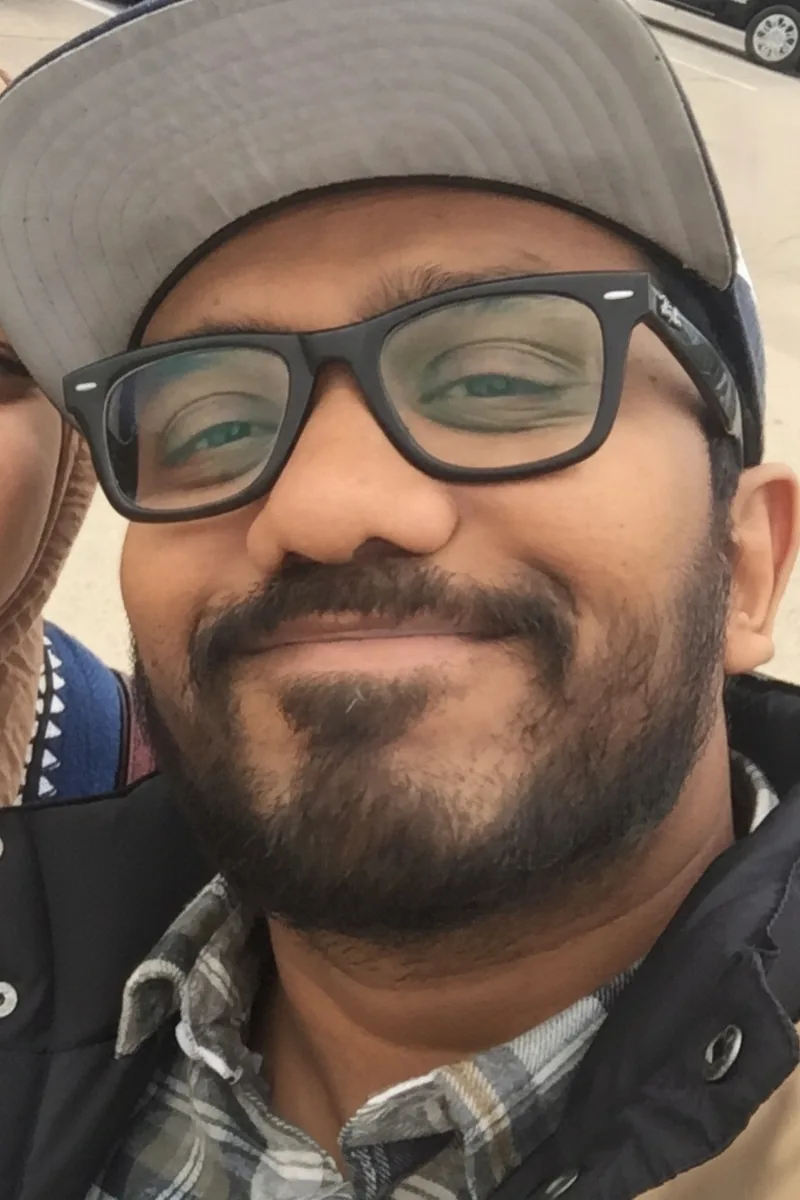
Mechanical engineering might seem unrelated to history, but Saad's training in systems thinking — understanding how interconnected forces produce specific outcomes — maps neatly onto analyzing why wars start, economies collapse, or political movements gain traction. He teaches students to treat historical events like engineering problems: identify the inputs, trace the mechanisms, and explain the result. Rated 4.9 by students.
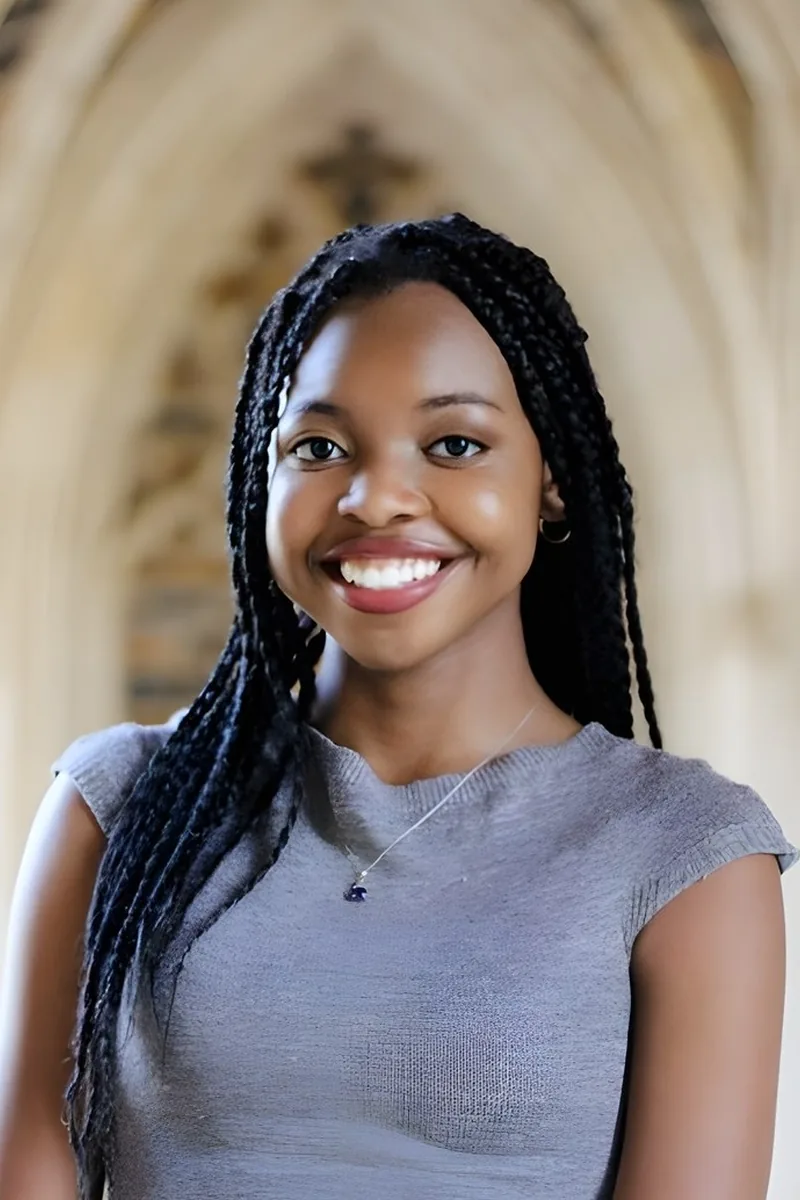
Growing up in a large Caribbean family gave Lenique something most history tutors don't have — firsthand experience navigating multiple cultural perspectives and understanding how heritage, migration, and identity shape the stories communities tell about themselves. Her Duke global health minor deepened that instinct, connecting colonial legacies and public policy to the kind of cause-and-effect reasoning that history essays actually require. She's especially effective at teaching students to move past memorizing dates and instead build arguments around why events unfolded the way they did.
A chemistry major who minored in Spanish at UGA, Katheryn is used to juggling technical precision with cultural context — a combination that sharpens how she approaches historical source analysis and essay writing. She teaches students to build arguments the way a scientist builds a case: identify the evidence first, then construct the explanation around it. Rated 4.8 by students.
David's biology background might seem unrelated to history, but his research training — synthesizing large amounts of information, identifying patterns, and building arguments from evidence — translates directly to historical thinking. He teaches students to organize essay responses around clear claims and support them with specific details, turning overwhelming timelines into manageable, logical narratives. Rated 5.0 by students.
Rachael approaches history as a subject that rewards curiosity rather than pure memorization, teaching students to ask why events unfolded the way they did and how causes connect across time periods. She walks through strategies for reading primary sources, organizing timelines, and writing evidence-based arguments — skills that transfer directly to essay exams. Her emphasis on structured note-taking keeps dense material from becoming unmanageable.
Treating history as an argument rather than a list of dates changes everything about how students read primary sources and write document-based essays. Kelly zeroes in on the skill most students struggle with: connecting specific evidence to a broader historical claim without just summarizing what happened. Her background across writing and English subjects makes her especially effective at the essay-heavy side of history courses.
Engineering coursework at South Carolina means Janay spends most of her time solving technical problems, but that same discipline — breaking a complex system into causes and effects — is exactly what history essays ask for. She teaches students to treat events like engineering problems: identify the inputs (economic pressures, political tensions, cultural shifts), trace how they interact, and build a clear written argument from the evidence.
Garrick treats history assignments the way he treats proofs — by identifying the central claim and examining whether the evidence actually supports it. He walks students through document analysis, cause-and-effect reasoning, and essay organization so they can build persuasive arguments about historical events rather than just reciting dates.
Understanding history means reading sources critically, constructing arguments from evidence, and recognizing how context shapes events — skills that overlap heavily with the analytical writing Rachelle has taught for over a decade. She approaches historical topics by teaching students to ask why something happened, not just what happened, and to back up their reasoning with specific details. Her experience spans middle school timelines through college-level document analysis.
An engineer who reads history for fun brings a different toolkit to the subject — Aaron instinctively looks for systems and mechanisms behind events, asking how technological change, resource constraints, and infrastructure shaped outcomes from the Industrial Revolution to the Space Race. That mechanical-engineer's habit of tracing how parts interact makes him especially effective at teaching students to write causal arguments rather than chronological summaries. Rated 5.0 by students.
Too many students treat history as a list of dates and names to memorize, then struggle when an exam asks them to explain *why* something happened. Ben flips that around, teaching cause-and-effect reasoning and evidence-based argumentation so students can tackle document-based questions and analytical essays with confidence. His Penn education and love of reading give him a broad base to draw from across eras and regions.
Brittney approaches history the way a literature scholar would: by teaching students to read primary sources critically, identify rhetorical strategies in historical documents, and construct arguments grounded in evidence. Her Comparative Literature background at Princeton required deep engagement with historical and cultural contexts across multiple traditions. That cross-disciplinary lens makes her especially effective for document-based questions and historiographical essays.
While history isn't his core subject, James's Harvard education required rigorous engagement with primary sources and argumentative writing across disciplines. He approaches history the way he approaches science — by teaching students to evaluate evidence, identify cause-and-effect relationships, and build claims that hold up under scrutiny. That analytical framework translates especially well to document-based questions and essay exams.
Josef's undergraduate work at Cornell sat at the intersection of life sciences and social studies, so he's practiced at reading historical sources through an analytical, evidence-driven lens. He teaches students to build arguments from primary documents and trace cause-and-effect relationships across political, economic, and social contexts.
Running a charter middle school's tutoring program in Boston — and earning a master's in special education along the way — gave Liz years of practice adapting how she teaches the same historical material to students who process information very differently. Her History degree from Washington University in St. Louis means the content knowledge runs deep, especially around primary source analysis and constructing document-based arguments. That combination of subject expertise and individualized instructional strategy is particularly useful for students who've struggled with history's heavy reading and writing demands.
Studying history well means learning to read like a skeptic — asking who wrote a source, what they wanted, and what they left out. Kate's engineering research background sharpened exactly that kind of evidence-evaluation skill, and she applies it to everything from DBQ essays to unit exams on the Industrial Revolution or Cold War policy. She teaches students to build arguments from primary sources rather than just recounting events in order.
Public health is fundamentally a history discipline — understanding how epidemics, sanitation reforms, and health policy evolved requires the same sourcing and cause-and-effect reasoning that any history course demands. Joseph's MPH work at Yale and his biology background give him a ready-made framework for teaching students to construct thesis-driven arguments grounded in evidence. Rated 4.9 by students, he's especially useful for anyone tackling topics where science, policy, and social change intersect.
While history isn't Jai's core academic background, his consulting career trained him to build evidence-based arguments quickly — a skill that translates directly to writing strong DBQs and analytical essays. He teaches students to treat historical sources like data: identify what they prove, what they leave out, and how to weave them into a coherent thesis.
Treating history as a discipline of argument rather than memorization changes everything for students who feel buried under names and dates. Asta's political science work at the University of Chicago trained her to analyze primary sources, trace cause and effect across decades, and construct evidence-based narratives — exactly the skills that make history click.
Religious studies at Yale means Maya spent years doing exactly what strong history students need to do: reading primary texts from unfamiliar contexts, reconstructing how people in different eras actually understood their world, and building arguments about why belief systems drove political and social change. That training makes her especially sharp on topics where religion and history intertwine — the Reformation, colonial missionary movements, civil rights activism rooted in the Black church. Rated 5.0 by students.
Comparative literature training sharpens a specific skill that transfers directly to history: reading primary sources critically and situating them within larger cultural movements. Sash applies this lens to help students build arguments from documents rather than simply memorizing dates, making essay-based assessments and DBQs far more manageable.
Testimonials
Because the right History tutor makes all the difference.
Average Session Rating – Based on 3.4M Learner Ratings
Nearby History Tutors
Other Greenville Tutors
Related Social Studies Tutors in Greenville
Frequently Asked Questions
History tutoring helps students build critical thinking skills by analyzing primary sources, understanding cause-and-effect relationships, and developing compelling historical arguments. For students in Greenville, personalized instruction can strengthen essay writing, test performance, and deeper comprehension of how historical events shape our world today.
Many students struggle with memorizing dates and facts without understanding their significance, or they have difficulty analyzing multiple perspectives on historical events. Others find it challenging to write strong thesis statements and support them with evidence from primary and secondary sources. Personalized tutoring addresses these specific gaps by focusing on the skills that matter most for your student's grade level and goals.
Tutors working with Varsity Tutors understand South Carolina's state standards and the specific curriculum used by Greenville's school districts. Whether your student is studying U.S. History, World History, AP U.S. History, or AP World History, tutors can tailor instruction to match classroom expectations and help students master the content their teachers are covering.
History essays require strong thesis statements, evidence-based arguments, and clear organization—skills that benefit from focused, one-on-one feedback. A tutor can help your student develop a compelling argument, find and analyze relevant sources, and revise drafts with specific guidance. This personalized approach often leads to measurable improvements in essay grades and writing confidence.
Yes. Whether preparing for unit tests, state assessments, or AP exams like AP U.S. History or AP World History, tutors can create targeted study plans that focus on high-impact topics, teach effective test-taking strategies, and use practice questions to build confidence. Personalized instruction allows tutors to identify weak areas and spend time where it matters most.
During the first session, a tutor will assess your student's current understanding of history concepts, identify specific challenges (like essay writing or source analysis), and learn about upcoming assignments or exams. This helps the tutor create a personalized plan focused on your student's goals, whether that's improving grades, building confidence, or mastering difficult topics.
Look for tutors with strong knowledge of history content, experience teaching or tutoring at your student's grade level, and the ability to explain complex concepts clearly. Tutors should also be skilled at helping students develop critical thinking and writing skills, not just memorize facts. Varsity Tutors connects you with tutors who have demonstrated expertise in these areas.
In a classroom with a 14.5:1 student-teacher ratio, teachers must pace instruction for the whole group and have limited time for individual feedback. Personalized tutoring allows a tutor to focus entirely on your student's learning style, address specific misconceptions, and adjust the pace based on their needs. This targeted approach often helps students grasp difficult concepts faster and build stronger foundational skills.
Let’s find your perfect tutor
Answer a few quick questions. We’ll recommend the right plan and match you with a top 5% tutor.