Award-Winning Organic Chemistry Tutors
serving Greenville, SC
Organic Chemistry
Tutors in Greenville
Private 1-on-1 tutoring, weekly live classes for academic support, test prep & enrichment, practice tests and diagnostics, and more to elevate grades and test scores.
Based on 3.4M Learner Ratings
UniversitiesSchools & Universities
DeliveredHours Delivered
ProficiencyGrowth in Proficiency
Who needs tutoring?
No obligation. Takes ~1 minute.

Spending multiple semesters instructing organic chemistry labs at UGA gave Katheryn a front-row seat to every common stumbling block — arrow-pushing errors, stereochemistry mix-ups, and reaction mechanism confusion. She teaches students to recognize functional group reactivity patterns so they can predict products instead of memorizing hundreds of individual reactions.
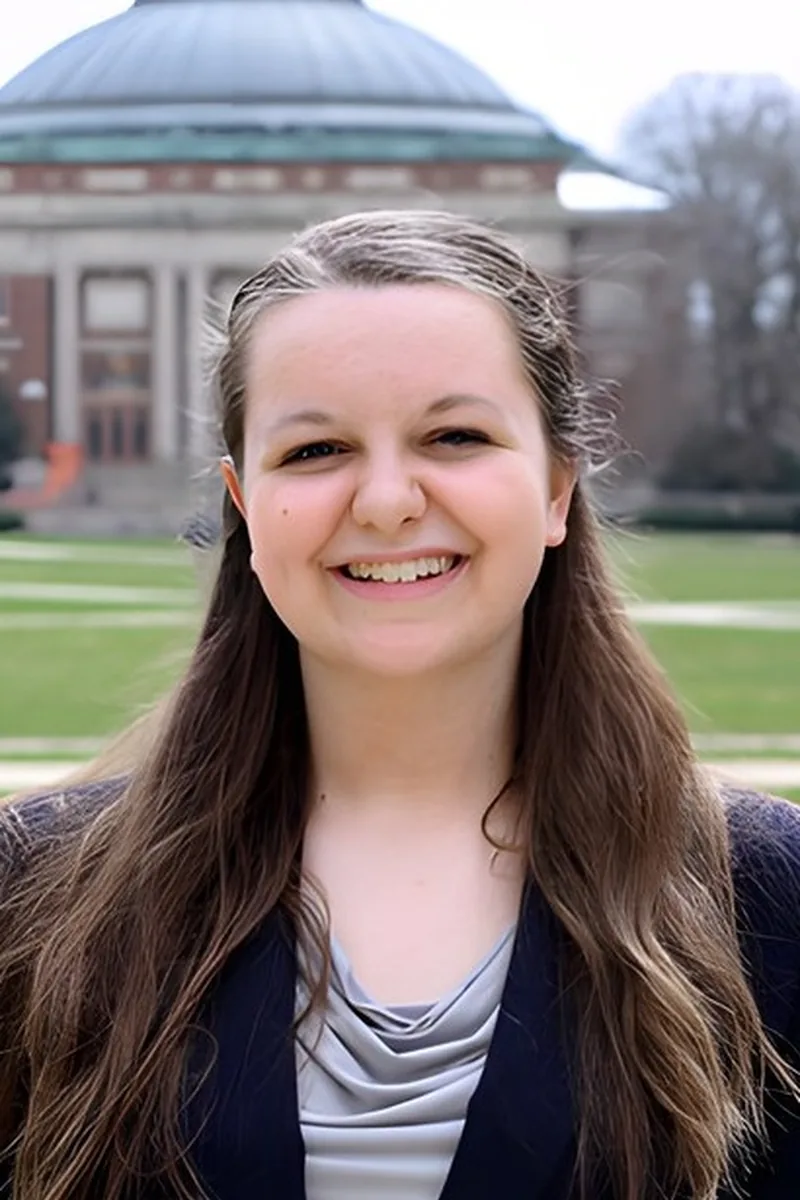
Having fought through orgo on the path to a 36 ACT and a biology degree — with MCAT prep sharpening every mechanism further — Aleeza knows exactly where students get tripped up on topics like carbonyl additions and substitution-vs-elimination decision-making. She teaches reaction patterns by connecting them back to the biological molecules they show up in, which makes the logic behind electron flow feel purposeful rather than abstract. Rated 4.9 by students.
Jonathan's human biology degree and pre-med track at Cornell meant organic chemistry wasn't just a prerequisite — it was the course that connected molecular structure to everything he'd later study in physiology and biochemistry. He tackles synthesis problems and spectroscopy interpretation by linking functional group behavior back to biological relevance, which gives students a reason to care about each mechanism. Rated 4.9 by students.
A bio-organic chemistry degree means Alex didn't just pass orgo — the entire major was built around understanding how molecular structure dictates reactivity, from substitution and elimination selectivity to multi-step synthesis design. He breaks down each mechanism by identifying the nucleophile, electrophile, and driving force first, so students develop a repeatable framework instead of a growing pile of flashcards. That same logic scales directly into spectroscopy interpretation and retrosynthetic analysis when exams get harder.
Reaction mechanisms click once you stop memorizing arrow-pushing patterns and start understanding why electrons move the way they do — nucleophilicity, sterics, leaving group stability. Mitchell's neuroscience degree required extensive organic chemistry coursework, and he breaks down everything from substitution and elimination reactions to carbonyl chemistry by connecting each mechanism to the electronic principles driving it.
Reaction mechanisms in organic chemistry reward the same kind of systematic thinking that drives engineering design: track the electrons, identify the functional groups, and predict what happens next. Lee teaches students to read mechanisms as stories with cause and effect — nucleophile attacks electrophile, leaving group departs — instead of memorizing hundreds of individual reactions. His biomedical background adds context for why specific organic reactions matter in drug design and biochemistry.
Reaction mechanisms are the language of organic chemistry, and Zain treats them that way — teaching students to read electron flow in arrow-pushing diagrams the same way they'd follow the logic of a sentence. His university coursework in organic chemistry at Vanderbilt covered everything from substitution and elimination selectivity to carbonyl chemistry and retrosynthetic analysis.
Reaction mechanisms in organic chemistry demand the same kind of pattern recognition Seong uses in her neuroscience coursework at Northwestern — tracking electron movement, predicting intermediates, and understanding why one pathway dominates over another. She unpacks arrow-pushing notation by tying each step to underlying principles of nucleophilicity and sterics, so students can reason through unfamiliar reactions on exams instead of relying on rote memorization.
Reaction mechanisms are the language of organic chemistry, and Jon spent his Master's work at Princeton immersed in that language daily. He unpacks arrow-pushing, stereochemistry, and functional group reactivity by tying each mechanism back to the electron behavior driving it, so students build intuition instead of relying on rote memorization. His TA students at Princeton gave him reviews strong enough to earn a teaching award — a good sign for anyone staring down a semester of orgo.
Reaction mechanisms are the heart of organic chemistry, and they only make sense when a student can track electron movement and predict how functional groups behave. Malcolm is studying biochemistry and cell biology at Rice, where organic chemistry is foundational — he knows which arrow-pushing patterns show up repeatedly and teaches students to recognize them instead of memorizing hundreds of individual reactions.
Reaction mechanisms are the backbone of organic chemistry, and most students struggle not because the material is impossibly hard but because they try to memorize hundreds of reactions instead of learning the handful of electron-pushing patterns that explain almost all of them. Rebecca's science training means she teaches students to read a mechanism the way you'd read a sentence — subject, verb, object — so new reactions become predictable rather than surprising.
Jacob lists organic chemistry among his favorite subjects to teach, and his economics-trained habit of tracing systems through chains of cause and effect gives him a structured way to walk through multi-step mechanisms — particularly carbonyl chemistry and aromatic substitution patterns. He approaches each reaction type by building the logic from scratch: what's electron-rich, what's electron-poor, and why that determines everything. Rated 5.0 by students.
Reaction mechanisms are the language of organic chemistry, and most students struggle because they try to memorize arrows instead of understanding electron flow. Abrahim unpacks each mechanism — SN1 vs. SN2, E1 vs. E2, electrophilic aromatic substitution — by starting with nucleophilicity, sterics, and leaving-group ability so the logic drives the arrow-pushing rather than the other way around. His 5.0 rating speaks to how well that approach clicks.
Testimonials
Because the right Organic Chemistry tutor makes all the difference.
Average Session Rating – Based on 3.4M Learner Ratings
Practice Organic Chemistry
Free practice tests, flashcards, and AI tutoring for Organic Chemistry
Nearby Organic Chemistry Tutors
Other Greenville Tutors
Related Science Tutors in Greenville
Frequently Asked Questions
Organic Chemistry challenges typically fall into two categories: conceptual and practical. Many students struggle to visualize molecular structures and reaction mechanisms in 3D space, while others memorize reactions without understanding the underlying logic of why they occur. Additionally, balancing complex equations, predicting reaction outcomes, and mastering nomenclature can feel overwhelming. Personalized tutoring helps students build a solid conceptual foundation so they can apply principles to new problems rather than relying on memorization alone.
Organic Chemistry shifts from studying individual atoms and simple compounds to understanding how carbon-based molecules behave in complex reactions. While General Chemistry focuses on broad principles, Organic Chemistry requires mastering hundreds of reactions and predicting outcomes based on molecular structure and electron behavior. The jump in abstraction—visualizing electron movement, resonance structures, and stereochemistry—is why many students find it significantly more challenging. Expert tutors can break down these abstract concepts into manageable pieces and show how reaction logic connects everything together.
Understanding reaction mechanisms and theory directly impacts your ability to predict lab outcomes, troubleshoot when experiments don't work as expected, and write meaningful lab reports. Tutoring helps you move beyond just following procedures—you'll understand *why* you're doing each step and what's happening at the molecular level. This deeper understanding makes lab work more meaningful and helps you develop stronger scientific reasoning skills that extend beyond the classroom.
Your first session focuses on understanding where you are right now. A tutor will assess your grasp of foundational concepts (like bonding, polarity, and acid-base chemistry), identify specific topics causing confusion, and learn about your learning style. From there, they'll create a personalized plan targeting your biggest challenges—whether that's reaction mechanisms, nomenclature, or exam preparation. This diagnostic approach ensures your tutoring time is spent on what actually helps you most.
Many students learn Organic Chemistry better when they can see and manipulate molecular structures in real time. Tutors use drawing techniques, molecular models, and step-by-step mechanism walkthroughs to make abstract concepts concrete. By repeatedly working through how electrons move, bonds break and form, and stereochemistry changes, you'll develop the mental visualization skills that make Organic Chemistry click. This hands-on approach transforms confusing 2D drawings into 3D understanding.
Effective exam prep focuses on mastering reaction patterns and developing problem-solving strategies rather than cramming isolated facts. A tutor will help you organize reactions by mechanism type, practice predicting products and mechanisms under timed conditions, and review your past exams to identify recurring weak spots. You'll also learn to approach unfamiliar problems by applying core principles, which is essential since exams often test your ability to think through new scenarios rather than just recall memorized reactions.
Look for tutors with strong chemistry backgrounds—ideally those who've taken advanced Organic Chemistry courses, completed chemistry-related degrees, or have significant teaching experience. Beyond credentials, the best tutors can explain complex concepts clearly, adapt to your learning style, and help you build conceptual understanding rather than just memorize. Varsity Tutors connects you with expert tutors who have proven experience helping students master Organic Chemistry at your level.
Many students notice improved understanding within 2-3 sessions once they grasp the core logic of how reactions work. However, mastering Organic Chemistry—building confidence with various reaction types and exam performance—typically takes several weeks of consistent work. The timeline depends on where you're starting and your goals, but regular tutoring combined with practice between sessions accelerates progress significantly. Your tutor will help you track improvement and adjust the approach as needed.
Let’s find your perfect tutor
Answer a few quick questions. We’ll recommend the right plan and match you with a top 5% tutor.