Award-Winning History Tutors
serving Myrtle Beach, SC
History
Tutors in Myrtle Beach
Private 1-on-1 tutoring, weekly live classes for academic support, test prep & enrichment, practice tests and diagnostics, and more to elevate grades and test scores.
Based on 3.4M Learner Ratings
UniversitiesSchools & Universities
DeliveredHours Delivered
ProficiencyGrowth in Proficiency
Who needs tutoring?
No obligation. Takes ~1 minute.
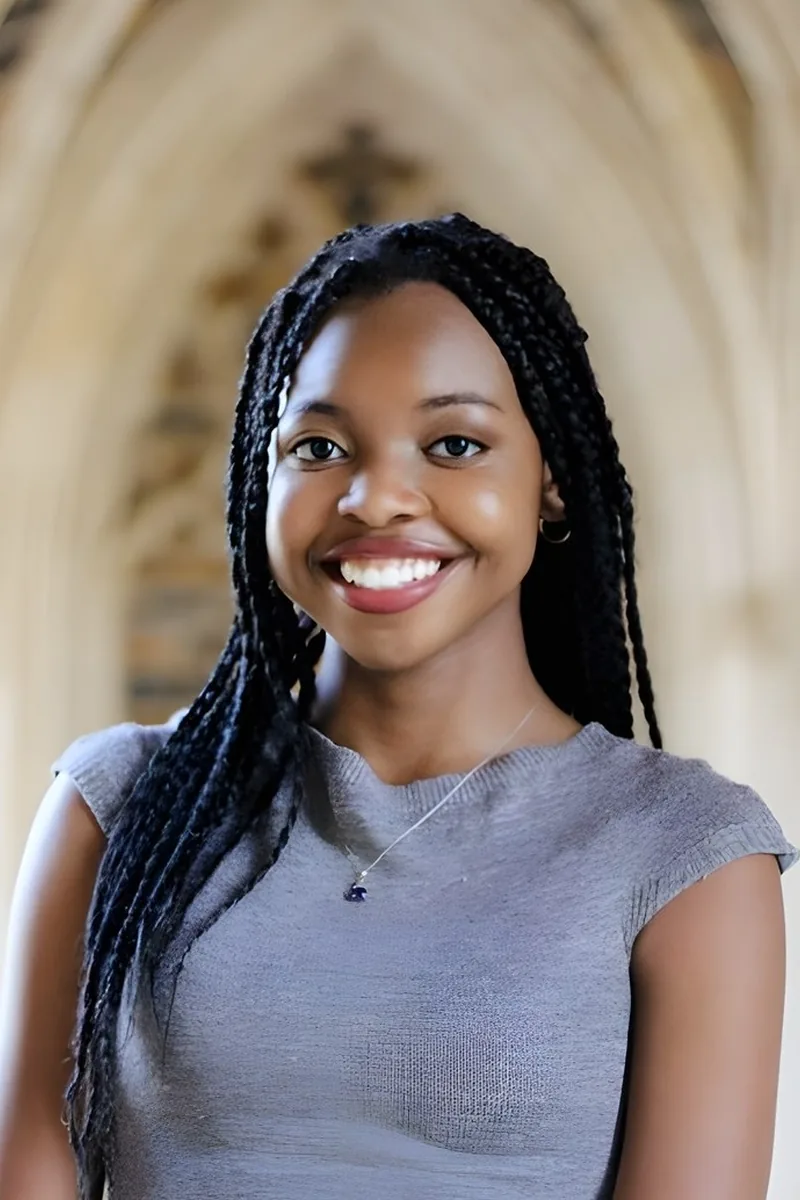
Growing up in a large Caribbean family gave Lenique something most history tutors don't have — firsthand experience navigating multiple cultural perspectives and understanding how heritage, migration, and identity shape the stories communities tell about themselves. Her Duke global health minor deepened that instinct, connecting colonial legacies and public policy to the kind of cause-and-effect reasoning that history essays actually require. She's especially effective at teaching students to move past memorizing dates and instead build arguments around why events unfolded the way they did.
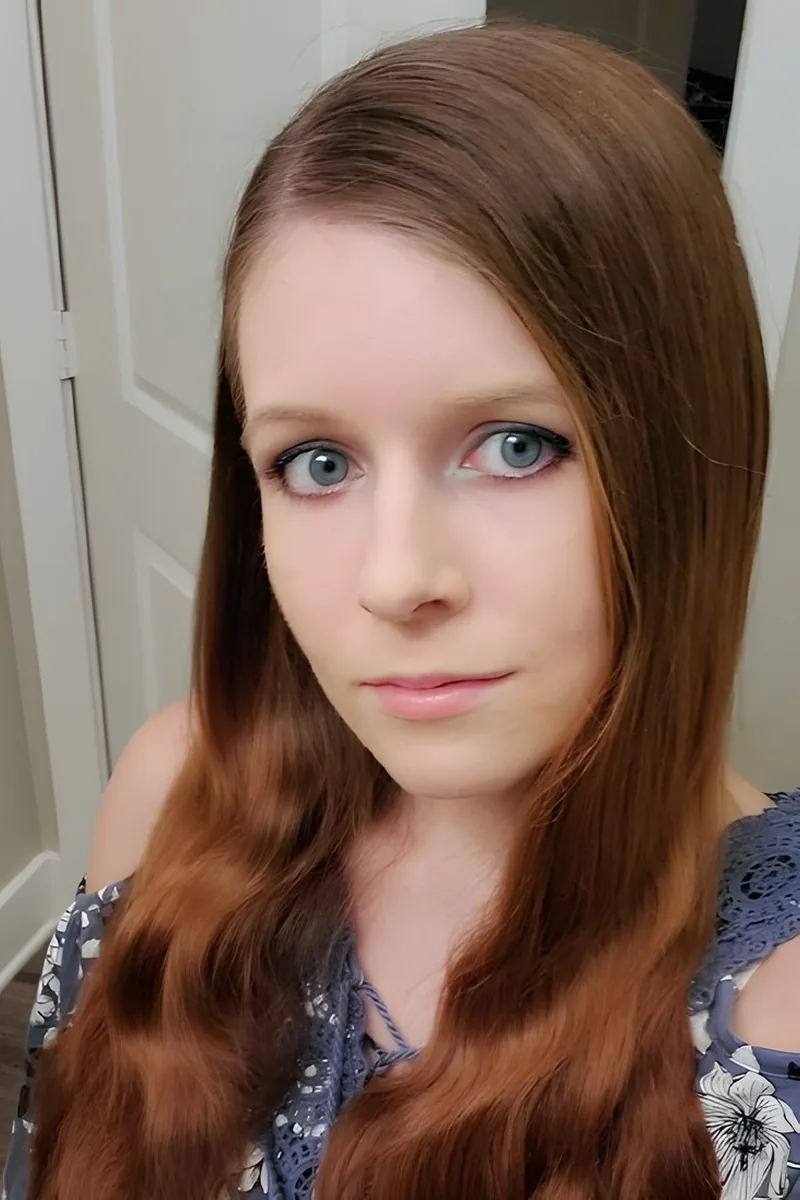
A chemistry major who minored in Spanish at UGA, Katheryn is used to juggling technical precision with cultural context — a combination that sharpens how she approaches historical source analysis and essay writing. She teaches students to build arguments the way a scientist builds a case: identify the evidence first, then construct the explanation around it. Rated 4.8 by students.
Rachael approaches history as a subject that rewards curiosity rather than pure memorization, teaching students to ask why events unfolded the way they did and how causes connect across time periods. She walks through strategies for reading primary sources, organizing timelines, and writing evidence-based arguments — skills that transfer directly to essay exams. Her emphasis on structured note-taking keeps dense material from becoming unmanageable.
David's biology background might seem unrelated to history, but his research training — synthesizing large amounts of information, identifying patterns, and building arguments from evidence — translates directly to historical thinking. He teaches students to organize essay responses around clear claims and support them with specific details, turning overwhelming timelines into manageable, logical narratives. Rated 5.0 by students.
Treating history as an argument rather than a list of dates changes everything about how students read primary sources and write document-based essays. Kelly zeroes in on the skill most students struggle with: connecting specific evidence to a broader historical claim without just summarizing what happened. Her background across writing and English subjects makes her especially effective at the essay-heavy side of history courses.
Engineering coursework at South Carolina means Janay spends most of her time solving technical problems, but that same discipline — breaking a complex system into causes and effects — is exactly what history essays ask for. She teaches students to treat events like engineering problems: identify the inputs (economic pressures, political tensions, cultural shifts), trace how they interact, and build a clear written argument from the evidence.
Mechanical engineering might seem unrelated to history, but Saad's training in systems thinking — understanding how interconnected forces produce specific outcomes — maps neatly onto analyzing why wars start, economies collapse, or political movements gain traction. He teaches students to treat historical events like engineering problems: identify the inputs, trace the mechanisms, and explain the result. Rated 4.9 by students.
Garrick treats history assignments the way he treats proofs — by identifying the central claim and examining whether the evidence actually supports it. He walks students through document analysis, cause-and-effect reasoning, and essay organization so they can build persuasive arguments about historical events rather than just reciting dates.
Understanding history means reading sources critically, constructing arguments from evidence, and recognizing how context shapes events — skills that overlap heavily with the analytical writing Rachelle has taught for over a decade. She approaches historical topics by teaching students to ask why something happened, not just what happened, and to back up their reasoning with specific details. Her experience spans middle school timelines through college-level document analysis.
Philosophy and law school both train you to read history as argument — who held power, why institutions changed, and what evidence supports competing narratives. Emily brings that lens to everything from analyzing primary-source documents to constructing thesis-driven essays for AP or college-level history courses. Her Northwestern philosophy background means she treats historical events as case studies in reasoning, not just dates to memorize.
A sociology degree means Daniel sees history through the lens of social structures, movements, and power dynamics rather than just names and dates. He teaches students to analyze primary sources and build cause-and-effect arguments, skills that transfer directly to document-based questions and research essays. His 5.0 rating speaks to how well that analytical approach lands.
Biomedical engineering and a PhD in statistics trained Sam to do something history students often struggle with: sift through massive amounts of information, identify what's actually driving an outcome, and present that reasoning clearly. He brings that data-driven mindset to document analysis and essay writing, teaching students to treat historical causes like variables — isolating which factors mattered most and building arguments around them. Rated 4.9 by students.
Jacob approaches history the way his literary training taught him: as a discipline built on interpreting sources, constructing arguments, and understanding how narratives get shaped by perspective. His background in comparative literature and German gives him particular depth with European intellectual and cultural history, from Enlightenment thought through 20th-century movements.
Studying history well means learning to think like a historian: evaluating sources, understanding causation versus correlation, and constructing arguments from evidence. Yu's political science degree from Penn gave her deep experience with exactly this kind of analytical reasoning. She teaches students to move beyond memorizing dates and instead build the interpretive skills that make history exams and essays far more manageable.
A psychology degree from Duke reshapes how you approach history — Frances reads political movements, revolutions, and policy debates through the question of what people feared, wanted, and believed at the time, which is exactly the kind of analysis that earns high marks on essays and DBQs. Her magna cum laude honors and professional writing background mean she's equally sharp on the craft side, coaching students to build tight, thesis-driven arguments from primary source evidence.
Growing up with two university math professors as parents gave Matthew a knack for breaking complex material into structured, teachable pieces — a skill that transfers surprisingly well to history. His biochemistry training at Yale means he naturally approaches historical questions the way a researcher would: interrogating the evidence, identifying what's missing, and building a coherent argument from what remains. He's a strong fit for students who need to sharpen their essay writing and document analysis rather than just review content.
Three finance degrees mean Matt instinctively reads history through the lens of money — who controlled it, how it moved, and what happened when it dried up. That financial literacy is particularly useful when students need to explain the economic pressures behind events like mercantilism, industrialization, or the 2008 crisis in essay form. His 1530 SAT underscores the analytical reading and writing skills that make historical arguments land.
Medical school admissions forced Nishad to spend serious time with the social and ethical history of medicine — how public health crises, civil rights movements, and government policy shaped the healthcare system students encounter today. That premed lens gives him a concrete way to teach cause-and-effect reasoning and document analysis, especially for U.S. history units covering industrialization, Progressive-era reform, or twentieth-century policy debates.
Engineering coursework at Yale means Charles spends most of his time solving real-world application problems — figuring out why systems behave the way they do under specific conditions. That same cause-and-effect reasoning carries into history, where he teaches students to treat events like engineering failures: trace the forces, identify the breaking points, and explain the outcome with evidence rather than summary. His writing and literature background rounds out the analytical side with the essay-crafting skills history courses actually grade on.
Editing the Yale Scientific Magazine and the Yale Globalist gives Ellie constant practice doing exactly what history demands — synthesizing sprawling, messy information into a coherent narrative with a clear point of view. Her biomedical engineering training adds a cause-and-effect rigor to that editorial instinct, which she brings to teaching students how to build thesis-driven arguments from primary sources and document-based questions. Rated 5.0 by students.
An economics degree trains you to think in terms of incentives, scarcity, and institutional design — Simon brings that same analytical habit to history, but where other econ-trained tutors zero in on markets and trade, he leans into the writing side, drawing on his background in essay editing and literature to teach students how to craft arguments that hold up under scrutiny. His 1540 SAT reflects the kind of close reading and analytical writing that document-based questions and history essays actually test.
Testimonials
Because the right History tutor makes all the difference.
Average Session Rating – Based on 3.4M Learner Ratings
Nearby History Tutors
Other Myrtle Beach Tutors
Related Social Studies Tutors in Myrtle Beach
Frequently Asked Questions
Varsity Tutors matches Myrtle Beach students with expert History tutors for 1-on-1 instruction. We pair each student with a tutor based on their specific needs, learning style, and goals.
Whether you need homework help, exam prep, or want to get ahead, our History tutors are ready to help.
Common challenges include gaps from earlier material, difficulty with specific concepts, and trouble applying learning to new problems. These issues can snowball quickly in History.
A tutor identifies where you're stuck, fills in gaps, and provides targeted practice. The 1-on-1 format means you get help exactly where you need it.
Tutors work with your student's actual coursework—homework assignments, class notes, and upcoming tests. This keeps tutoring directly relevant to what's happening in the classroom.
When you share information about your student's school and curriculum, we can match you with a tutor who has relevant experience.
All tutors complete background checks, credential verification, and teaching evaluation. Many of our History tutors hold advanced degrees or have years of teaching experience.
You can review tutor profiles to find someone with the right background for your student's level and needs.
Many students see improved grades within a few weeks, along with better understanding of History concepts and more confidence tackling challenging material.
Tutors track progress and adjust their approach to ensure continued improvement.
Most students benefit from 1-2 sessions per week. More frequent sessions help if your student is significantly behind or has an important exam coming up.
Your tutor can recommend a schedule based on your student's specific situation and goals.
Tutoring is purchased in packages of hours, with rates varying by tutor experience. Varsity Tutors offers several options to fit different budgets and needs.
You can discuss pricing during your consultation to find what works best.
Your tutor will assess where your student is, discuss goals, and start working on priority areas. Most students bring current homework or upcoming test material to focus on.
By the end, you'll have a clear sense of how the tutor can help and a plan for moving forward.
Let’s find your perfect tutor
Answer a few quick questions. We’ll recommend the right plan and match you with a top 5% tutor.