Award-Winning Japanese Tutors
serving Greenville, SC
Japanese
Tutors in Greenville
Private 1-on-1 tutoring, weekly live classes for academic support, test prep & enrichment, practice tests and diagnostics, and more to elevate grades and test scores.
Based on 3.4M Learner Ratings
UniversitiesSchools & Universities
DeliveredHours Delivered
ProficiencyGrowth in Proficiency
Who needs tutoring?
No obligation. Takes ~1 minute.
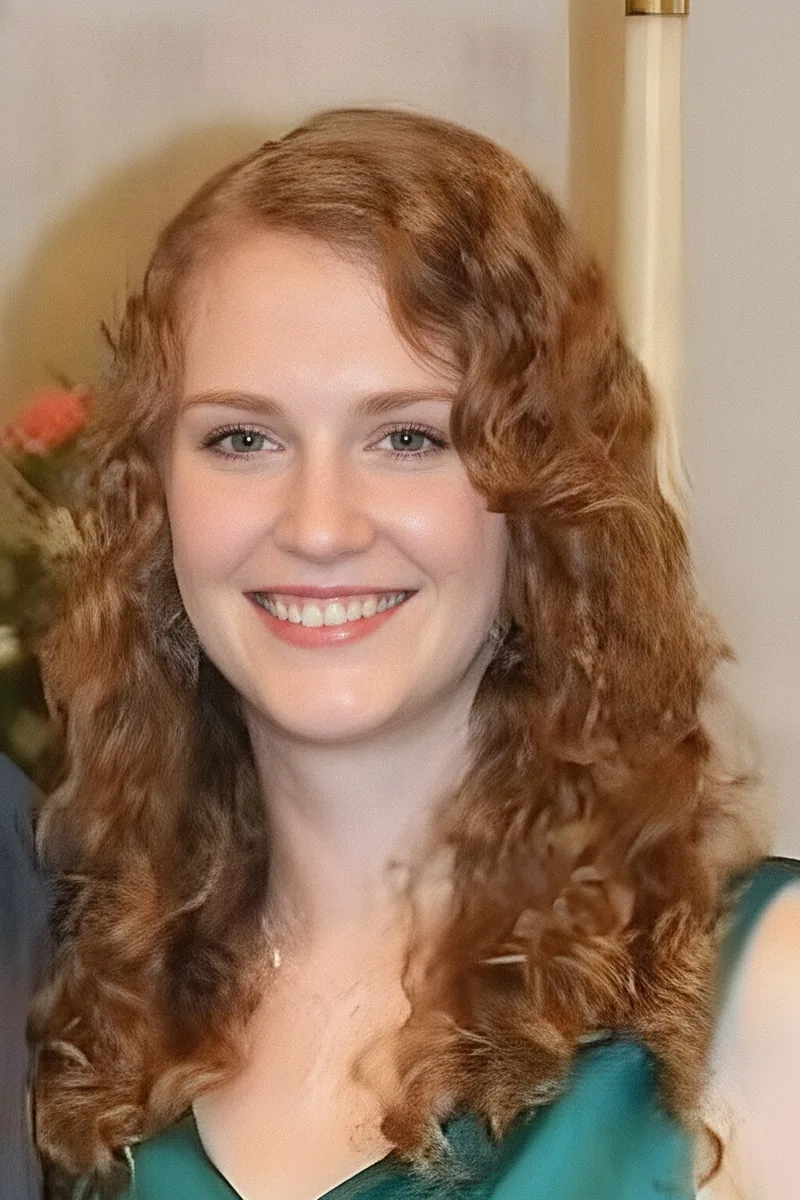
Briana minored in Japanese at Michigan State, giving her a grounded understanding of the language's grammar patterns, particle usage, and writing systems — hiragana, katakana, and introductory kanji. She approaches Japanese as someone who learned it systematically in an academic setting, which means she can explain the "why" behind structures that often confuse English speakers.
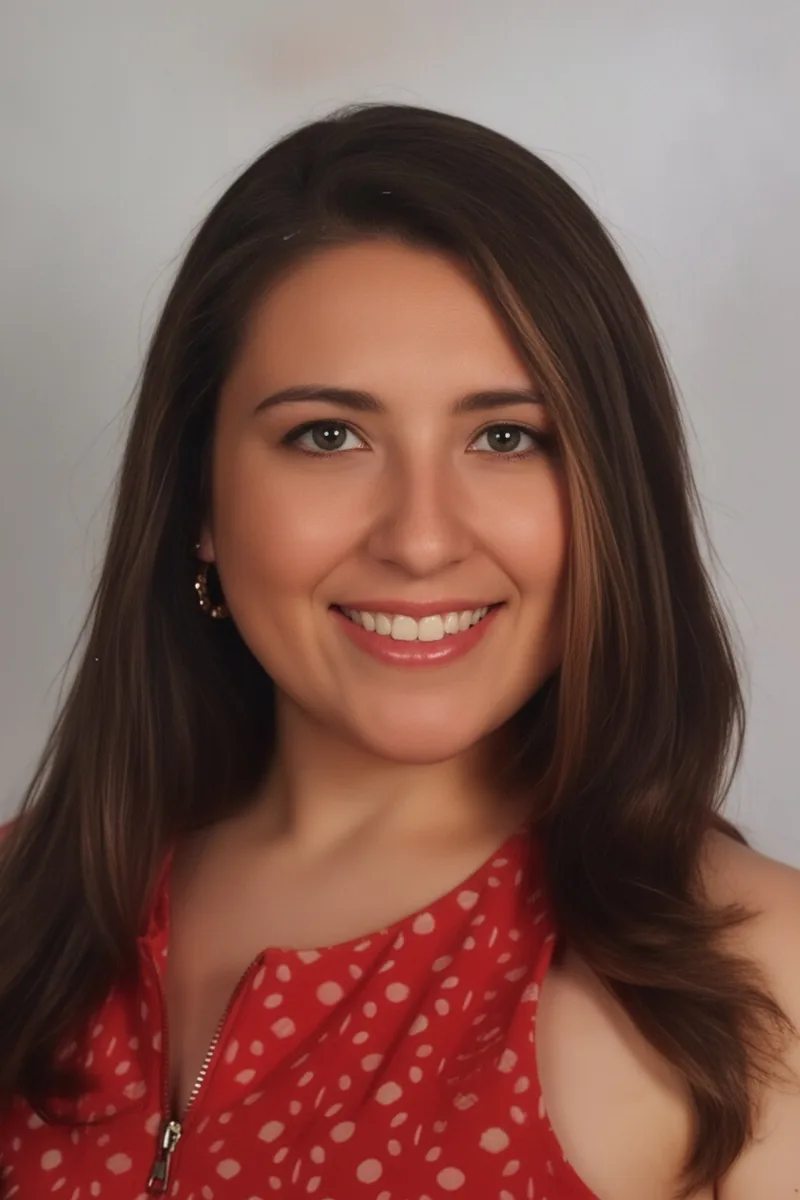
As an Asian Studies major at Duke, Caitlin engages with Japanese language in an academic context that goes beyond textbook dialogues — she understands how kanji, hiragana, and katakana each function within the writing system and why particles like は and が trip up English speakers. She walks through sentence structure and honorific levels with cultural context that makes the grammar patterns memorable.
Few Japanese tutors can combine formal academic study with real teaching experience in Japan — Sophie has both. Her East Asian Studies work at Princeton included intensive Japanese language training, and she spent time teaching English in Japan, which gave her deep familiarity with how the two languages map onto (and diverge from) each other. She tackles everything from hiragana and katakana basics to particle usage and keigo politeness levels.
Emily minored in Japanese at Texas A&M and continues to engage with the language through media and self-study. She teaches hiragana, katakana, and foundational grammar patterns like particle usage with the same structured approach she applies to her other languages, making the writing systems feel systematic rather than overwhelming.
Between his East Asian Studies major at Harvard, his presidency of the Harvard College Japan Initiative, and his work in the Yenching Library's Japanese Collection, Shane lives and breathes Japanese. He reads novels and plays games in Japanese for fun, which means he teaches the language the way it's actually used — from kanji recognition and particle usage to the register shifts that textbooks barely cover.
I am currently finishing my thesis. For the past two years I was an adjunct instructor at The City College of New York, teaching statistics and introductory neuroscience, where I learned the importance of communicating complicated concepts clearly at an individualized level. All of my classes performed above average, and I discovered how satisfying it is to help people understand difficult ideas. I've found that by creating a good rapport with my students I am able to more effectively impart difficult concepts to them while causing them less stress. My passion is people, which first led me to study psychology, leading to my work in statistics, and later into teaching.
Growing up attending the Japanese Weekend School of New Jersey while enrolled in American public schools, Hidefusa developed native-level fluency in both languages and a deep understanding of where English speakers stumble with Japanese. He teaches everything from hiragana and katakana basics to kanji recognition, particle usage, and keigo (formal speech) — drawing on the bilingual instincts of someone who has lived in both linguistic worlds.
Crystal minored in Japanese Language and Culture at Northern Kentucky University, so she brings both formal study and genuine cultural curiosity to teaching everything from kana writing to grammar fundamentals. Her day job as a K-12 reading and ESL instructor means she's trained to break down unfamiliar language structures for learners at any level — a skill that pays off when explaining Japanese concepts like sentence-final particles or basic verb tenses that have no English equivalent. Rated 5.0 by students.
A PhD in linguistics means Lewis doesn't just know languages — he understands how they work structurally, which is exactly what you need when Japanese throws you grammar that has zero English parallels. He applies that analytical framework to breaking down sentence-final particles, SOV word order, and the logic behind verb conjugation so the patterns become predictable rather than random. His experience teaching ESL/ELL also means he's practiced at bridging the gap between how English and non-European languages organize meaning.
As a dedicated language tutor with several years of experience, I bring both expertise and enthusiasm to every lesson. I specialize in Chinese, Japanese, and basic Arabic, and I have had the privilege of guiding students of diverse ages and backgrounds through their language-learning journeys.
Having completed an Asian Languages minor at UCLA, Abrahim brings formal training in Japanese grammar, kanji acquisition, and reading comprehension to his tutoring. He approaches the language methodically — building from particle usage and verb conjugation patterns up to reading authentic texts — which works especially well for students who want structure rather than immersion-only learning.
Most students learning Japanese hit a wall somewhere between mastering hiragana and actually constructing sentences with particles, verb conjugations, and counters. Kai has been teaching Japanese through the student organization meetings on campus, building lessons that move learners from basic self-introductions to reading short passages and holding simple conversations.
Testimonials
Because the right Japanese tutor makes all the difference.
Average Session Rating – Based on 3.4M Learner Ratings
Nearby Japanese Tutors
Other Greenville Tutors
Related Languages Tutors in Greenville
Frequently Asked Questions
Your first session is a chance for a tutor to understand your current level, learning goals, and preferred learning style. They'll assess your skills across reading, writing, speaking, and listening, then create a personalized plan tailored to your needs—whether you're building conversational confidence, preparing for AP Japanese, or diving into grammar foundations.
Unlike classroom settings where speaking time is limited, personalized tutoring gives you dedicated time to practice speaking with an expert tutor who can provide immediate feedback on pronunciation, accent, and natural phrasing. Regular conversation practice builds confidence and helps you develop authentic fluency rather than just memorizing textbook phrases.
Japanese verbs change based on tense, politeness level, and grammatical context, which feels overwhelming at first. A tutor breaks down these patterns systematically, shows you how they connect to real usage, and gives you targeted practice so conjugation becomes intuitive rather than something you have to memorize.
Spaced repetition—reviewing words at increasing intervals—is proven to lock vocabulary into long-term memory. Expert tutors use this principle alongside contextual learning, connecting new words to conversations and real-world situations so you remember them naturally rather than cramming isolated lists.
Yes—language and culture are deeply connected. Politeness levels, honorifics, and even sentence structure reflect Japanese cultural values. Tutors weave cultural context into lessons so you understand not just what to say, but why certain expressions matter and how to use them appropriately in different social situations.
Greenville's schools offer Japanese at various levels, and tutors adapt to each program's curriculum and pacing. Whether you're in a high school Japanese class, preparing for AP Japanese exams, or studying independently, a tutor can align lessons with your school's expectations while filling gaps and accelerating your progress.
Reading and writing require mastering hiragana, katakana, and kanji—plus grammar patterns that differ from English. Tutors break this into manageable steps, starting with foundational scripts and building to authentic texts, while giving you writing practice that reinforces both mechanics and natural expression.
Professional-level fluency typically requires 600+ hours of study according to language learning research. With consistent personalized tutoring and practice, you'll see conversational progress within weeks and meaningful fluency development within months—though the timeline depends on your starting level, study frequency, and specific fluency goals.
Let’s find your perfect tutor
Answer a few quick questions. We’ll recommend the right plan and match you with a top 5% tutor.